
Sign up to save your podcasts
Or

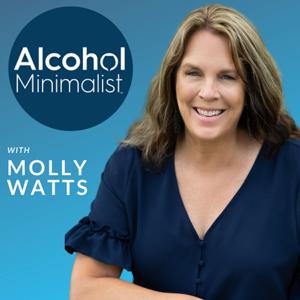

The 24-Hour Reset: What to Do After You Drink More Than You Planned
After a holiday weekend, vacation day, barbecue, or ordinary night that turns into more drinking than planned, it’s easy to wake up feeling foggy, anxious, disappointed, or stuck in shame.
In this episode of the Alcohol Minimalist podcast, Molly introduces the 24-Hour Reset: a practical framework for what to do after an off-plan drinking day. A reset does not mean alcohol’s effects are magically erased. It means you stop adding harm and start adding support.
Molly explains what happens in the body after drinking more than planned, including how the liver metabolizes alcohol, why hangovers are more than dehydration, and how alcohol can affect sleep, mood, cravings, and next-day anxiety. She also explains why shame may feel like accountability, but often keeps the drinking loop going.
You’ll learn the five parts of the 24-Hour Reset:
The goal is not perfection. The goal is repair.
Your body knows how to heal, and you know how to help it. Your liver is resilient. Your brain is plastic. Your nervous system can return to balance. But healing is not passive—you participate in it through the next best choice.
Important note: If you drink heavily every day, have experienced withdrawal symptoms, or believe you may be physically dependent on alcohol, please consult a medical professional before abruptly stopping or taking alcohol-free days.
Resources mentioned:
Recovery and Reflection Worksheet
Sunnyside Med
Low risk drinking guidelines from the NIAAA:
Healthy men under 65:
No more than 4 drinks in one day and no more than 14 drinks per week.
Healthy women (all ages) and healthy men 65 and older:
No more than 3 drinks in one day and no more than 7 drinks per week.
One drink is defined as 12 ounces of beer, 5 ounces of wine, or 1.5 ounces of 80-proof liquor. So remember that a mixed drink or full glass of wine are probably more than one drink.
Abstinence from alcohol
Abstinence from alcohol is the best choice for people who take medication(s) that interact with alcohol, have health conditions that could be exacerbated by alcohol (e.g. liver disease), are pregnant or may become pregnant or have had a problem with alcohol or another substance in the past.
Benefits of “low-risk” drinking
Following these guidelines reduces the risk of health problems such as cancer, liver disease, reduced immunity, ulcers, sleep problems, complications of existing conditions, and more. It also reduces the risk of depression, social problems, and difficulties at school or work.
 View all episodes
 By Molly Watts, Mindful Drinking & Behavior Change Coach

4.8
156156 ratings
The 24-Hour Reset: What to Do After You Drink More Than You Planned
After a holiday weekend, vacation day, barbecue, or ordinary night that turns into more drinking than planned, it’s easy to wake up feeling foggy, anxious, disappointed, or stuck in shame.
In this episode of the Alcohol Minimalist podcast, Molly introduces the 24-Hour Reset: a practical framework for what to do after an off-plan drinking day. A reset does not mean alcohol’s effects are magically erased. It means you stop adding harm and start adding support.
Molly explains what happens in the body after drinking more than planned, including how the liver metabolizes alcohol, why hangovers are more than dehydration, and how alcohol can affect sleep, mood, cravings, and next-day anxiety. She also explains why shame may feel like accountability, but often keeps the drinking loop going.
You’ll learn the five parts of the 24-Hour Reset:
The goal is not perfection. The goal is repair.
Your body knows how to heal, and you know how to help it. Your liver is resilient. Your brain is plastic. Your nervous system can return to balance. But healing is not passive—you participate in it through the next best choice.
Important note: If you drink heavily every day, have experienced withdrawal symptoms, or believe you may be physically dependent on alcohol, please consult a medical professional before abruptly stopping or taking alcohol-free days.
Resources mentioned:
Recovery and Reflection Worksheet
Sunnyside Med
Low risk drinking guidelines from the NIAAA:
Healthy men under 65:
No more than 4 drinks in one day and no more than 14 drinks per week.
Healthy women (all ages) and healthy men 65 and older:
No more than 3 drinks in one day and no more than 7 drinks per week.
One drink is defined as 12 ounces of beer, 5 ounces of wine, or 1.5 ounces of 80-proof liquor. So remember that a mixed drink or full glass of wine are probably more than one drink.
Abstinence from alcohol
Abstinence from alcohol is the best choice for people who take medication(s) that interact with alcohol, have health conditions that could be exacerbated by alcohol (e.g. liver disease), are pregnant or may become pregnant or have had a problem with alcohol or another substance in the past.
Benefits of “low-risk” drinking
Following these guidelines reduces the risk of health problems such as cancer, liver disease, reduced immunity, ulcers, sleep problems, complications of existing conditions, and more. It also reduces the risk of depression, social problems, and difficulties at school or work.
1,713 Listeners

1,082 Listeners

2,558 Listeners
27,775 Listeners

142 Listeners
1,372 Listeners

719 Listeners
1,245 Listeners
187 Listeners

563 Listeners
1,087 Listeners

19,524 Listeners

1,794 Listeners

472 Listeners
1,211 Listeners