
Sign up to save your podcasts
Or

By BYUradio


4.7
292292 ratings


The podcast currently has 3,168 episodes available.
The most played episodes among Podcast App listeners.
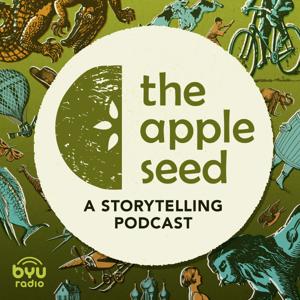
Gather your family for great stories from great storytellers about slowing down, embracing life's unexpected detours, and discovering the opportunities that come from taking a different path. (00:00) Introduction by host Sam Payne. (01:15) "Tallulah Point" by Andy Offutt Irwin. A humorous story about Andy’s fictional but eccentric Aunt Margarite and the journey that reconnects her with a meaningful place from her childhood. (10:03) "Allowance for Meandering" by Sam Payne. Sam shares the heartfelt story of an unexpected moment of connection with his dad that led to a new favorite movie, a memorable school tardy slip, and a lasting lesson about taking time for life's unexpected detours. (13:19) "Frog and Turtle" by Dovie Thomason. A short but charming fable about how two unlikely best friends choose to avoid the incoming rain. Stories bring us together and the stories on The Apple Seed will spark memories that you can share with the people you love. The Apple Seed is a storytelling podcast by BYUradio and is hosted by Sam Payne. The Apple Seed is produced by Sam Payne, Wendy Folsom, and Brian Tanner. Assistant Producers - Matthew Carr, Keri Griggs, Kay Hendrickson, and Roman Russell Production - Trent Reimschussel and Kip Merrill Post Production Video Editors - Trent Woolford and Tremiti Childs. Post-Production Audio Engineers - Dan Carlisle and Dallin Nielson.

Gather your family for great stories from great storytellers about building confidence, finding courage, and discovering the power that comes from stepping outside your comfort zone. (00:00) Introduction by host Sam Payne. (02:05) "The Eagle Who Thought He was a Chicken" by Antonio Rocha. An inspirational story about a young eagle discovering its true potential and finding the courage to become who it was meant to be. (11:21) "Musical Mentors" by Sam Payne. Sam reflects on the inspiring music teachers and mentors who shaped his journey, sharing how their encouragement helped him believe in himself and grow into the musician and storyteller he is today. (14:18) "Rug Rats: How I Found My Superpower" by Jasmin Cardenas. A heartwarming coming-of-age story about Jasmin’s childhood improv group and how it helped shape her confidence, creativity, and journey to becoming the storyteller she is today. Stories bring us together and the stories on The Apple Seed will spark memories that you can share with the people you love. The Apple Seed is a storytelling podcast by BYUradio and is hosted by Sam Payne. The Apple Seed is produced by Sam Payne, Wendy Folsom, and Brian Tanner. Assistant Producers - Matthew Carr, Keri Griggs, Kay Hendrickson, and Roman Russell Production - Trent Reimschussel and Kip Merrill Post Production Video Editors - Trent Woolford and Tremiti Childs. Post-Production Audio Engineers - Dan Carlisle and Dallin Nielson.
Gather your family for great stories from great storytellers about the silly and unexpected adventures that often come with matters of the heart. (00:00) Introduction by host Sam Payne. (01:21) "Martina the Butterfly" by Antonio Sacre. A charming Spanish fairy tale about a butterfly’s search for true love and the unexpected chaos that follows when she finds it. (07:55) "How to Pack" by Sam Payne. Sam shares a heartfelt family story about the marriage advice he received from his Aunt Annie and the unforgettable metaphor she used to explain the secrets of a lasting relationship. (11:08) "Rapunzel and the Seven Dwarfs" by Willy Claflin. A reimagined fairy tale about the humorous complications and unexpected twists that arise when love enters the picture, told by Willy’s friend, Maynard the Moose. (22:27) "I Love You with All of My Pancreas" by Paul Strickland. A heartfelt and hilarious song about the all-consuming nature of love and the silly ways it can be expressed. Stories bring us together and the stories on The Apple Seed will spark memories that you can share with the people you love. The Apple Seed is a storytelling podcast by BYUradio and is hosted by Sam Payne. The Apple Seed is produced by Sam Payne, Wendy Folsom, and Brian Tanner. Assistant Producers - Matthew Carr, Keri Griggs, Kay Hendrickson, and Roman Russell Production - Trent Reimschussel and Kip Merrill Post Production Video Editors - Trent Woolford and Tremiti Childs. Post-Production Audio Engineers - Dan Carlisle and Dallin Nielson.
Gather your family for great stories from great storytellers about hometowns, childhood memories, and the familiar places that help shape who we become. (00:00) Introduction by host Sam Payne. (01:27) "Roll-a-Rama" by Adam Booth. A delightful and charming childhood story about the local roller rink in Adam Booth's hometown and the unforgettable experiences that helped shape his youth. (16:40) "Gathering Place" by Sam Payne. Sam shares a nostalgic childhood memory about a special gathering place in his hometown where he often found community, friendship, and camaraderie. (19:56) "The Swing in the Park" by Andy Offutt Irwin. A humorous story about Andy’s fictional yet eccentric Aunt Margarite and the tricky situation she finds herself in while visiting her neighborhood park. Stories bring us together and the stories on The Apple Seed will spark memories that you can share with the people you love. The Apple Seed is a storytelling podcast by BYUradio and is hosted by Sam Payne. The Apple Seed is produced by Sam Payne, Wendy Folsom, and Brian Tanner. Assistant Producers - Matthew Carr, Keri Griggs, Kay Hendrickson, and Roman Russell Production - Trent Reimschussel and Kip Merrill Post Production Video Editors - Trent Woolford and Tremiti Childs. Post-Production Audio Engineers - Dan Carlisle and Dallin Nielson.
Gather your family for great stories from great storytellers about how wishes are born in the heart, the dreams they inspire, and the lasting power they hold. (00:00) Introduction by host Sam Payne. (01:03) "Theatre Wish" by Kevin Kling. A charming and humorous true story about how a local theater performance sparked Kevin Kling's dream of a life in the theater and inspired his passion for storytelling. (08:18) "Desiring Denim" by Sam Payne. Sam shares a nostalgic childhood story about wishing for the perfect denim trucker jacket, only to discover that life's greatest happiness comes from pursuing more meaningful wishes. (12:07) "One Wish" by Simon Brooks. A delightful fairy tale about a man granted a single wish who uses wit and cleverness in an attempt to gain everything he desires. Stories bring us together and the stories on The Apple Seed will spark memories that you can share with the people you love. The Apple Seed is a storytelling podcast by BYUradio and is hosted by Sam Payne. The Apple Seed is produced by Sam Payne, Wendy Folsom, and Brian Tanner. Assistant Producers - Matthew Carr, Keri Griggs, Kay Hendrickson, and Roman Russell Production - Trent Reimschussel and Kip Merrill Post Production Video Editors - Trent Woolford and Tremiti Childs. Post-Production Audio Engineers - Dan Carlisle and Dallin Nielson.
The podcast currently has 3,168 episodes available.
47 Listeners
1,519 Listeners

678 Listeners

1,220 Listeners

7 Listeners

2 Listeners
174 Listeners

1 Listeners

79 Listeners
248 Listeners

6,449 Listeners

20 Listeners
1,170 Listeners
6 Listeners
13 Listeners

416 Listeners

1,059 Listeners

912 Listeners
2,598 Listeners
10,834 Listeners

16 Listeners
546 Listeners
1,581 Listeners
423 Listeners
143 Listeners

2 Listeners

192 Listeners

62 Listeners
21 Listeners

24 Listeners

24 Listeners

9 Listeners
57 Listeners