
Sign up to save your podcasts
Or

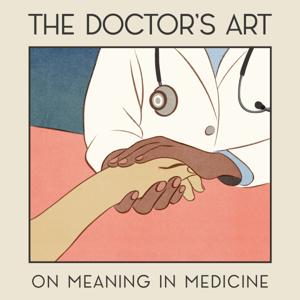


Modern medicine has long considered many neurodegenerative diseases such as Alzheimer's disease and Parkinson's disease to be immutably linked to the fate of certain unlucky individuals through yet-poorly understood genetic mechanisms. But increasingly, we are seeing evidence that some of our lifestyle choices, including our diet, physical activity, and relationships, may play a significant role in the development of, or protection against, these diseases. Our guest on this episode, David Perlmutter, MD, is a neurologist and writer whose immensely popular books, including Grain Brain: The Surprising Truth About Wheat, Carbs, and Sugar — Your Brain’s Silent Killers (2013), discuss why diets low in refined carbohydrates and high in fats, in addition to foods that nurture a healthy gut microbiome, may prevent cognitive decline.
Over the course of our conversation, we discuss Dr. Perlmutter's path from conventional neurology to moving towards a more functional and holistic approach to treating brain disorders, the importance of metabolic health in maintaining our cognitive capacities, how Dr. Perlmutter responds to critics of his non-conventional medical advice, why nutrition science is riddled with messy and conflicting findings and how we can better navigate through it all, what clinicians can do to better help their patients live well, and more.
Note: Some of Dr. Perlmutter’s ideas and recommendations have been the subject of debate and controversy within the medical community. While we believe in fostering open dialog and exploring diverse perspectives, the views expressed in this episode are those of Dr. Perlmutter and do not necessarily reflect the views or endorsements of this podcast. We encourage listeners to critically evaluate the information presented and work with qualified healthcare professionals when making any changes to their health and wellness routines.
In this episode, you’ll hear about:
3:11 - Dr. Perlmutter’s transition from conventional neurology to what he calls “preventative” neurology
8:43 - Dr. Perlmutter’s views on what constitutes a “disease” and the role of the doctor.
19:08 - Emerging science on the importance of metabolic health on brain health
25:17 - How scientific studies on preventative health can be (and have been) designed
34:56 - Why Dr. Perlmutter prioritizes health markers (such as HbA1c) over specific dietary recommendations when working with patients
42:21 - Dr. Perlmutter’s views on GLP-1 antagonists such as Ozempic and Mounjaro
50:36 - How Dr. Perlmutter has dealt with critics of his work
Dr. David Perlmutter is the author of eight books.
Dr. Perlmutter can be found on Twitter/X at @davidperlmutter.
Visit our website www.TheDoctorsArt.com where you can find transcripts of all episodes.
If you enjoyed this episode, please subscribe, rate, and review our show, available for free on Spotify, Apple Podcasts, or wherever you get your podcasts. If you know of a doctor, patient, or anyone working in health care who would love to explore meaning in medicine with us on the show, feel free to leave a suggestion in the comments or send an email to [email protected].
Copyright The Doctor’s Art Podcast 2024
What makes a life worth living? This question has animated great thinkers and faith traditions for millennia. Interestingly enough, in our time of rapid globalization, technological advancement, and material abundance, we often seem more unmoored from our conception of the self and its relation to the world than ever before.
Our guest on this episode, Miroslav Volf, has spent his life wrestling with this question of questions and helping others to do the same. Volf is a professor of theology at Yale Divinity School and founding director of the Yale Center for Faith and Culture, and his work explores the intersections of faith, identity, and public life. He is the author of more than 10 books, including the bestselling Life Worth Living: A Guide to What Matters Most (2023), based on one of the most popular courses at Yale University, which he co-teaches. The book, an inquiry into the nature of human flourishing, invites readers to consider wisdom drawn from various religious, philosophical, and literary traditions. He challenges the often superficial metrics of happiness promoted by modern society, urging readers to reflect deeply on the kind of life they want to lead — one that is not just pleasurable or successful by conventional standards, but that is positively shaped by adversity, contemplation, and interconnectedness.
In our conversation, we discuss how growing up as the son of a Pentecostal minister in Former Yugoslavia influenced Volf's relationship with Christian theology, why faith is a “comfortably difficult” thing, why “finding your authentic self” is a problematic concept in modern culture, how social media, divisive political currents, and the relentless drive for productivity distract us from what matters most, and the nobility in pursuing a richer, more intentioned, and just life.
In this episode, you’ll hear about:
3:12 - What Volf’s work as a systematic theologian entails, and key childhood experiences that shaped his relationship with faith
12:18 - The philosophical basis for the Yale class that inspired the book Life Worth Living
20:23 - Why Volf uses Smokey Bear as a representation of the pursuit of a meaningful life
26:53 - Shifting the focus of life from personal desires toward the quest to live by “truth”
40:38 - The inherent challenge in shifting focus away from “I, Me, and Mine”
45:49 - How the search for a meaningful life relates to the experiences of a medical professional
51:42 - Advice for how to add philosophical practices to a busy modern life
Miroslav Volf is the author of 17 books, including Life Worth Living (2023)
Past episodes discussed in this episode:
Episode 95: Shaping a Soul, Building a Self | William Deresiewicz
Episode 21: Pain, Pleasure, and Finding Balance | Anna Lembke, MD
Visit www.TheDoctorsArt.com for transcripts of all episodes. If you enjoyed this episode, please subscribe, rate, and review our show, available for free on Spotify, Apple Podcasts, or wherever you get your podcasts. If you know of anyone working in health care who would love to explore meaning in medicine with us on the show, send an email to [email protected].
Copyright The Doctor’s Art Podcast 2024
Most people shudder at the idea of an infectious disease outbreak — patients stricken with a mysterious illness, hospitals overflowing, and cities going into lockdown. But for Syra Madad, DHSc, MSc , MCP, rushing into such a scenario, donned in a hazmat suit, to control the chaos has been a dream since childhood. Today, she is an epidemiologist, biosecurity advisor, and a pathogen preparedness expert who serves as Senior Director of the System-Wide Special Pathogens Program at New York City Health and Hospitals, which operates the municipal health care system of New York City.
Over the course of our conversation, Dr. Madad shares what excites her about the work of infectious disease control, why she believes we have emerged from the Covid-19 pandemic worse prepared for the next pandemic, how scientists and doctors can better communicate with the public in the absence of clear data, the importance of utilizing trusted messengers in the community to fully deploy the power of public health, and more.
In this episode, you’ll hear about:
2:09 - How a movie led Dr. Madad to become an infectious disease preparedness expert
6:54 - An overview of Biosafety levels (BSL)
9:30 - Moments in Dr. Madad’s career when disease containment went well and moments when it did not.
12:27 - How Dr. Madad mentally and emotionally manages the heavy weight of often-lethal infectious diseases
18:05 - Dr. Madad’s opinion on how COVID-19 policies were handled
24:02 - Dr. Madad’s personal thoughts on the potential origins of COVID-19
26:55 - What concerns Dr. Madad most about future pandemics and how we can make positive steps toward recovering trust in science
35:40 - Dr. Madad’s advice for those considering a career in public health or infectious diseases
Dr. Syra Madad appears in the Netflix special Pandemic: How to Prevent an Outbreak.
Dr. Syra Madad can be found on Twitter/X at @syramadad.
Visit our website www.TheDoctorsArt.com where you can find transcripts of all episodes.
If you enjoyed this episode, please subscribe, rate, and review our show, available for free on Spotify, Apple Podcasts, or wherever you get your podcasts. If you know of a doctor, patient, or anyone working in health care who would love to explore meaning in medicine with us on the show, feel free to leave a suggestion in the comments or send an email to [email protected].
Copyright The Doctor’s Art Podcast 2024
For many physicians, having serious illness conversations with patients — talking about a dire prognosis or the futility of curative treatments — is one of the most daunting aspects of patient care. But to palliative care physician Shunichi Nakagawa, MD, these conversations are fundamentally about communicating the honest truth in an elegant, considerate, and humane way.
Dr. Nakagawa, the director of the Inpatient Palliative Care Service at Columbia University Medical Center, joins us in this episode to discuss both his unique personal journey, as well as his insightful approach to figuring out what really matters to patients during critical moments in their lives. He shares what it was like completing his surgical training in Japan, than coming to the United States with the hope of becoming a liver transplant surgeon, before having those hopes dashed when he found out he was ineligible to work as a surgeon in the US due to his hepatitis carrier status, and finally discovering his true calling in geriatrics and palliative care.
We also discuss cultural challenges in thinking about the end of life, why it is so difficult for physicians to communicate with their patients about serious illness, how clinicians ought to approach shared decision making, and why, when done well, this can be one of the most meaningful and rewarding parts of doctoring.
In this episode, you’ll hear about:
2:34 - How Dr. Nakagawa entered a career in medicine in Japan
5:33 - Dr. Nakagawa’s unique journey through medical training, from surgery to palliative care
16:25 - The three-stage process that Dr. Nakagawa follows when communicating challenging medical information to patients
28:10 - Delivering medical advice in a succinct way when speaking to patients and their family members
36:14 - Lessons on what works and what doesn’t work in sensitive patient communication
Dr. Shunichi Nakagawa can be found on Twitter/X at @snakagawa_md.
Visit our website www.TheDoctorsArt.com where you can find transcripts of all episodes.
If you enjoyed this episode, please subscribe, rate, and review our show, available for free on Spotify, Apple Podcasts, or wherever you get your podcasts. If you know of a doctor, patient, or anyone working in health care who would love to explore meaning in medicine with us on the show, feel free to leave a suggestion in the comments or send an email to [email protected].
Copyright The Doctor’s Art Podcast 2024
When Impossible Foods released its first product, the Impossible Burger, in 2016, it was met with equal parts curiosity, skepticism, and excitement. This plant-based “meat that bleeds” was seen as a novelty item. Today, Impossible Foods’ expanded line of offerings, from sausages to chicken nuggets to Italian meatballs, can be found in most American grocery stores at a price that rivals traditional meats.
The founder of Impossible Foods is Pat Brown, MD, PhD, a physician and molecular biologist who, after seeing the detrimental impact of animal farming on deforestation, water pollution, and greenhouse gas emissions, made it his ambitious mission to create a sustainable food system by reducing our reliance on animal agriculture. He set out to develop plant-based alternatives to meat that not only matched, but surpassed the taste and nutritional value of traditional meats, harnessing biochemistry to recreate the sensory experience and culinary qualities of meat at a molecular level.
In this episode, Dr. Brown joins us to share his early career path from clinical pediatrics to biochemistry research, along the way inventing the DNA microarray, now an essential laboratory tool used to measure the expression levels of thousands of genes. He then discusses the origins of Impossible Foods, the scientific breakthroughs that have propelled its success, and how he hopes to inspire a cultural shift towards more sustainable eating habits and ensure a healthier planet for future generations.
In this episode, you’ll hear about:
2:41 - How Dr. Brown was initially drawn to a career in medicine
7:54 - Why Dr. Brown chose to transition from clinical work to biomedical research
14:05 - How Dr. Brown’s drive to tackle the biggest problems of humanity led to the creation of Impossible Foods
24:19 - The scientific approach that Impossible Foods takes in creating its products
30:17 - Whether plant-based meats are too highly processed
38:40 - Dr. Brown’s vision for the future of food
Visit our website www.TheDoctorsArt.com where you can find transcripts of all episodes.
If you enjoyed this episode, please subscribe, rate, and review our show, available for free on Spotify, Apple Podcasts, or wherever you get your podcasts. If you know of a doctor, patient, or anyone working in health care who would love to explore meaning in medicine with us on the show, feel free to leave a suggestion in the comments or send an email to [email protected].
Copyright The Doctor’s Art Podcast 2024
Many people regard dementia as a fate worse than death, in large part because it strikes at the essence of our humanity — our memories, identity, and relationships with others. Unlike diseases that primarily afflict the body, dementia erodes the mind, leading to a gradual fragmentation and loss of self and autonomy.
The burden of this disease on caregivers also cannot be understated. Not only does dementia require comprehensive, long term care that addresses the afflicted individual’s cognitive, behavioral, and physical issues; witnessing a loved one's slow and irreversible decline often exerts an immense emotional toll on the caregiver. Additionally, the pervasive stigma and isolation associated with dementia can leave caregivers feeling unsupported and alone.
Our guest on this episode is Dasha Kiper, a clinical psychologist who works with caregivers to people with dementia. She's the author of Travelers to Unimaginable Lands: Stories of Dementia, The Caregiver, and the Human Brain (2023). The book explores the complex relationship between caregivers and dementia patients, which are frequently rife with heartbreak, guilt, frustration, helplessness and shame. Over the course of our conversation, Dasha shares her transformative personal experiences working as a caregiver, why caregivers deserve more empathy and understanding, ethical dilemmas over medical interventions and patient autonomy, navigating the distorted reality in the mind of a dementia patient, coping strategies for caregivers and healthcare professionals, and more.
In this episode, you’ll hear about:
3:13 - How Dasha “stumbled” into working as a live-in caregiver for a dementia patient while still in school
4:44 - How serving as a caregiver for a dementia patient shaped Dasha’s views of neurological illness
10:23 - Managing the “loss of shared reality” that often occurs between the caregiver and the dementia patient
23:45 - The added emotional toll that dementia can take on family members
32:46 - What human dignity means in the context of dementia care
36:55 - Fostering self-compassion as a clinician or caregiver by connecting with community
49:16 - Dasha’s advice for finding community support if you are a family caregiver
Dasha Kiper is the author of Travelers to Unimaginable Lands: Stories of Dementia The Caregiver and the Human Brain (2023).
Past episodes and works discussed in this episode:
Episode 62: Navigating my Father’s Alzheimer’s as a Doctor | Sandeep Jauhar, MD
My Father’s Brain: Life in the Shadow of Alzheimer’s by Sandeep Jauhar, MD
Visit our website www.TheDoctorsArt.com where you can find transcripts of all episodes.
If you enjoyed this episode, please subscribe, rate, and review our show, available for free on Spotify, Apple Podcasts, or wherever you get your podcasts. If you know of a doctor, patient, or anyone working in health care who would love to explore meaning in medicine with us on the show, feel free to leave a suggestion in the comments or send an email to [email protected].
Copyright The Doctor’s Art Podcast 2024
There once was a time when indoor smoking was allowed in workplaces all across the United States, when trans fats were ubiquitous, and when fast food restaurants didn't have to post calorie information on their menus. That wasn't so long ago, and it's in large part thanks to the pioneering efforts of Tom Frieden, MD, MPH, Health Commissioner of New York City from 2002 to 2009, that these changes were made. Dr. Frieden’s city-wide initiatives during this time included steps to reduce tobacco use (by banning indoor smoking, increasing tobacco taxes, and aggressive anti-tobacco ads), to ban trans fats and mandate proper nutrition labeling in restaurants, and to rapidly expand screening for diabetes and HIV. All of these efforts have since been adopted nationwide and have gained practically universal acceptance by the public.
Prior to this, Dr. Frieden spearheaded tuberculosis control measures in New York City and India, drastically slashing rates of multidrug resistant tuberculosis. He was also director of the Centers for Disease Control and Prevention, during which time he led the CDC's response against the H1N1 influenza pandemic, the Ebola outbreak in West Africa, and the Zika virus epidemic. Most recently, he leads Resolve to Save Lives, an initiative aiming to prevent cardiovascular disease primarily through advocacy of lifestyle interventions.
Over the course of our conversation, Dr. Frieden shares his personal path to a career in infectious disease and public health, lessons learned from his work on tuberculosis control, striking the balance between curbing personal liberties and protecting community health, key insights into effective public health communication particularly when dealing with incomplete information or data, the evolution of the political and partisan nature of health policy, why preventing heart disease is so critical, and more.
In this episode, you’ll hear about:
3:00 - How a conversation with his father drew Dr. Frieden to a career in public health
5:40 - Dr. Frieden’s early work tackling tuberculous as a “management problem”
9:05 - Balancing individual rights with the health of the public
17:55 - The formula Dr. Frieden has used to choose which particular public health issues to focus on
28:08 - Strategies for effective health communication with the public
33:08 - The mission of Dr. Frieden's organization Resolve to Save Lives
39:16 - Dr. Frieden’s thoughts on how to navigate public health communications in the light of changing scientific knowledge
45:50 - The important lessons that Dr. Frieden learned from his patients about public health during his time as a clinician
Dr. Tom Frieden is the President and CEO of Resolve to Save Lives.
Dr. Frieden can be found on Twitter/X at @DrTomFrieden.
People and Work discussed in this episode:
Dr. Karel Styblo
Dr. Nancy Messenior’s February 2020 COVID address
Visit our website www.TheDoctorsArt.com where you can find transcripts of all episodes.
If you enjoyed this episode, please subscribe, rate, and review our show, available for free on Spotify, Apple Podcasts, or wherever you get your podcasts.
Copyright The Doctor’s Art Podcast 2024
It is well documented that descendants of Holocaust survivors exhibit greater levels of anxiety, depression, and vulnerability. The trauma of domestic violence can ripple through generations, with maladaptive coping mechanisms and emotional instability perpetuating subsequent cycles of trauma and dysfunction. The brutal history of slavery in the United States is seen today in the form of persistent economic disparities and ongoing social injustices, affecting mental and physical health across generations. All of this, in various forms, is intergenerational trauma. Extending beyond the individual, the emotional and psychological wounds of this type of trauma embeds itself within the family lineage through behavioral patterns, emotional responses, and even biological alterations.
Our guest on this episode is Mariel Buqué, PhD, a health psychologist who specializes in helping individuals experiencing intergenerational trauma. Her book Break the Cycle: A Guide to Healing Intergenerational Trauma (2024) reveals the invisible threads that link the past and present and highlights the necessity for healing not just individuals, but entire family systems and communities. Over the course of our conversation, Dr. Buqué shares how she draws on her experiences as an Afro-Latina immigrant from the Dominican Republic in her work, how a health psychologist connects with patients, how intergenerational traumas happen and their devastating effects on individuals, families, friends, and community members, and more.
In this episode you’ll hear about:
2:00 - What drew Dr. Buqué to the field of psychology
5:19 - What health psychology is
8:40 - What occurs in a course of treatment with a psychologist
18:30 - An overview of intergenerational trauma
28:00 - The far-reaching effects of intergenerational trauma in society and how psychology can help unload the burden
35:50 - Breaking the cycle of intergenerational trauma
40:30 - The role of stigma in access to mental health care
45:10 - Dr. Buqué‘s approach to building trust with patients
48:28 - How all clinicians can better empathize and connect with their patients through trauma-informed care
Dr. Mariel Buqué is the author of Break the Cycle: A Guide to Healing Intergenerational Trauma (2024).
Dr. Buqué can be found on Instagram at @dr.marielbuque.
Visit our website www.TheDoctorsArt.com where you can find transcripts of all episodes.
If you enjoyed this episode, please subscribe, rate, and review our show, available for free on Spotify, Apple Podcasts, or wherever you get your podcasts. If you know of a doctor, patient, or anyone working in health care who would love to explore meaning in medicine with us on the show, feel free to leave a suggestion in the comments or send an email to [email protected].
Copyright The Doctor’s Art Podcast 2024
The Genocide Against the Tutsi, occurring in Rwanda between April-July 1994, was a devastating episode of mass violence in which nearly 1 million people were killed over a period of 100 days. Fueled by longstanding ethnic tensions, political power struggles, and a deep seated history of discrimination, the genocide saw members of the Tutsi ethnic group slaughtered indiscriminately by extremists of the Hutu ethnic group.
Growing up amid this chaos, Christian Ntizimira, MD witnessed some of humanity's most horrific atrocities. Instead of turning away, however, he chose to enter medicine, a profession that would allow him to address the immense suffering he saw. Today, Dr. Ntizimira is a palliative care physician and the founder and executive director of the African Center for Research on End of Life Care.
In this episode, Dr. Ntizimira joins us to share his personal experiences with the Rwandan Genocide, his journey to palliative medicine after initially exploring a career in surgery, what palliative care means to him, what it looks like to honor the dignity of a patient, how he advocates better access to palliative care and chronic illness care, and his unique approach to medicine rooted in “ubuntu,” a philosophy emphasizing the universal bond that connects all humanity that is best summarized by the phrase “I am because you are.”
In this episode, you’ll hear about:
2:45 - How Dr. Ntizimira’s experience as a young person during the Rwandan Genocide inspired him to become a physician, and how he eventually found himself drawn to palliative care
14:25 - Dr. Ntizimira’s distinction between “treating the disease” and “treating the person”
20:22 - How Dr. Ntizimira teaches doctors to fully conceptualize patients as people instead of focusing only on their medical ailments
25:50 - The heart of palliative care that transcends cultures
30:54 - The importance of presence in palliative care
38:27 - What “reconciliation” means in Dr. Ntizimira’s approach to palliative care
47:17 - “Ubuntu,” an African philosophy emphasizing a shared connection among humans, and how it can revolutionize how we care for patients
Dr. Christian Ntizimira is the author of The Safari Concept: An African Framework for End of Life Care.
Dr. Christian Ntizimira can be found on Twitter/X at @ntizimira.
Visit our website www.TheDoctorsArt.com where you can find transcripts of all episodes.
If you enjoyed this episode, please subscribe, rate, and review our show, available for free on Spotify, Apple Podcasts, or wherever you get your podcasts. If you know of a doctor, patient, or anyone working in health care who would love to explore meaning in medicine with us on the show, feel free to leave a suggestion in the comments or send an email to [email protected].
Copyright The Doctor’s Art Podcast 2024
Death and grief are much more “hidden” from society today than they once were. The medicalization of dying means that death now occurs more frequently in hospitals and care facilities than at homes. The secularization of society means that traditional religious or communal rituals surrounding death and mourning have diminished. The fast pace and optimistic lens of consumer culture means less contemplation of aging, mortality, and grief.
But Mikołaj Sławkowski-Rode, PhD, a professor of philosophy at the University of Warsaw and research fellow at Oxford University, argues that experiences of mourning and grief are crucial to the human condition. They allow us to foster empathy and connect with others’ suffering. They encourage us to reflect on how we value life, relationships, and the responsibilities we have towards others, both living and deceased. They revitalize communal rituals and practices, creating a sense of shared humanity.
Professor Sławkowski-Rode has written widely on the philosophical and ethical dimensions of mourning, grief, and memory, and his works have appeared in The New York Times as well as various academic publications. Over the course of our conversation, we discuss the nature of grief as a multifaceted emotional response, extending beyond a psychological state and reaching into existential realms; the role of memory in the grieving process; why love and grief are fundamentally inseparable; how the atomization of modern society affects our ability to mourn; and more.
In this episode, you’ll hear about:
3:20 - The focus of Sławkowski-Rode’s current work and what his day looks like as a philosopher
8:10 - The value of philosophy in society
12:42 - How Sławkowski-Rode became inspired to study grief
14:57 - Why grief has become more “hidden” in society over the past century
23:49 - How the “cult of individuality” leads our society to ignore aging and death
33:45 - How Sławkowski-Rode defines “human flourishing”
36:31 - How the atomization of modern society affects our ability to mourn
50:00 - Practical advices for clinicians on how to navigate grief and mourning for themselves and their patients
Mikołaj Sławkowski-Rode is the author of the New York Times op ed It’s OK to Never ‘Get Over’ Your Grief and numerous academic publications.
Dr. Sławkowski-Rode can be found on Twitter/X at @MikolajRode.
Works and past episodes discussed:
The Hours of Our Death by Philipe Aries
Episode 21: Pain, Pleasure and Finding the Balance | Anna Lembke, MD
Visit our website www.TheDoctorsArt.com where you can find transcripts of all episodes.
If you enjoyed this episode, please subscribe, rate, and review our show, available for free on Spotify, Apple Podcasts, or wherever you get your podcasts. If you know of a doctor, patient, or anyone working in health care who would love to explore meaning in medicine with us on the show, feel free to leave a suggestion in the comments or send an email to [email protected].
Copyright The Doctor’s Art Podcast 2024
From the publisher's feed
The practice of medicine–filled with moments of joy, suffering, grace, sorrow, and hope–offers a window into the human condition. Though serving as guides and companions to patients’ illness…

44,094 Listeners

840 Listeners

3,486 Listeners
696 Listeners

10,225 Listeners

12,666 Listeners

2,521 Listeners

307 Listeners

112,285 Listeners
597 Listeners

61 Listeners

7,962 Listeners

28,900 Listeners

16,291 Listeners
56 Listeners