
Sign up to save your podcasts
Or



While breast implants or breast augmentation are generally considered safe and effective, there has been growing concern about their potential link to neurological symptoms. There have been several patients over the past years complaining about symptoms of neural inflammation such as brain fog, headache, sound sensitivity and light sensitivity.
And that’s why we’re here to shed light on this topic. In this episode, we’ll answer the concern of many as regards breast implants and whether or not they can cause neurological symptoms.
Whenever a patient tells me they’re experiencing headaches, light and sound sensitivity and brain fog, my initial thought is that it is related to neural inflammation and environmental toxicity.
It must be determined whether or not the patient has been exposed to environmental toxins because these toxins would complicate neural inflammation. Many cases in Texas, Florida, California, and Georgie are rooted from this circumstance.
We really have to take into consideration the environment the patient is in. Being exposed to moist environments like being near rivers, oceans, lakes, or the like where there may be high mold counts which you’re unaware of triggers inflammation and other issues or complications in having breast implants.
If someone had a preexisting neurologic condition, this could certainly be worsened in conjunction with a mold exposure. And as we've discussed in our previous episodes, breast implants can be responsible for inflammation. Thus, these other disease processes can result in further inflammation and give you neurologic symptoms.
We conduct a lot of tests to really identify the issues and further understand what’s happening. We have toxicity testing and inflammation testing which greatly helps in resolving these issues.
As much as possible, we try to start everybody on Dr. Rob’s Solutions Immune Support bundle for the stimulation of the system to excrete the toxins in the urine. Consequently, we'll have a better idea on how to characterize and develop treatment plans.
We closely and regularly monitor the patient to see how they’re managing their inflammation. We check for signs and symptoms of specific inflammatory processes to determine what we can do to provide them help.
More than the help we provide, we make sure our patients are cared for as we help them throughout their healing journey. So what we always do is be as comprehensive as possible.
** Links and Resources**
Let’s Connect...
Get access to Dr. Rob's Favorite Products below:
There are instances wherein breast implants may cause some complications. Some women may experience health issues related to breast implants, such as pain, discomfort, or inflammation. Thus, for purposes of easing the pain and diminishing the long-term effects caused by breast implants, many women resort to explants or removal of breast implants.
In today’s episode, we’ll be answering one of the frequently asked questions during and outside consultations as regards breast implants – can they be removed safely?
I often get asked by my patients if it’s safe to remove breast implants because apparently, they’ve been told by other surgeons that it’s unsafe to remove the capsule. Removing such, according to them, can cause further complications including injury to surrounding structures, especially the lung.
Personally, I stopped using drains a few years ago and just focused on explants with no drains and no other procedure to perform. I’ve only encountered one infection and that’s still a safe percentage. So far, I’ve done over a thousand successful explants.
Supposing that in five cases in those thousands of explants, an entrance into the chest cavity occurred – that's different from injuring the lung. You're merely creating an opening in the chest cavity underneath where the intercostal muscle is.
We’re making this opening because you can't really go through the actual rib. Instead, you have to go between the ribs. You then close it by evacuating the air and creating the seal or putting in a small catheter to get the air out through a one-way valve called the Heimlich valve.
There are risks and benefits for breast implant removal and so, if you're thinking about having this kind of surgery, it's crucial to recognize these factors. Other surgeons would say that it’s risky to conduct breast implant removal as it would cause infection, bleeding, and other complications around the breast area.
However, I’ve done over 1,500 procedures without any problem and that’s saying something. That’s an attestation that it is a safe procedure. Many women experience health issues related to breast implants, such as pain, discomfort, or inflammation which is why we offer breast implant removal or explantation to relieve them from these symptoms.
In relation to this, we'll be launching a training program for surgeons doing breast implant removal procedures. We’re raising awareness that this is not something that you should be worried about. This is why it’s important to find a reputable surgeon with appropriate knowledge and one who uses safe techniques and instruments.
It was easy for me to transition to doing explants since I’m a reconstructive plastic surgeon for the majority of my career. I predominantly did cancer reconstruction where I was exposed to all these tissues and areas. And so, this isn’t something that’s unusual for me.
It all boils down to identifying as many root causes of inflammation as possible and diminishing those around the time of surgery, as well as balancing out hormones and improving your diet.
I never take these procedures lightly because I want to make sure that everything's taken care of properly so that at the end of the timeframe of recovery, we won’t have any issues.
There are instances wherein women are unhappy with the outcome of their breast implants. By augmenting the breast, you're masking asymmetry. So when we do an explant, we're identifying these areas that were treated initially for that purpose.
I personally prefer and lean on fat transfer to help with that problem although, you can always do different skin lifts. If you have enough breast tissue, you can modify that with a vertical lift which gives you the lollipop scar because that allows you to reshape the bottom of the breast.
As we’ve always emphasized, it's important to find a provider who recognizes breast implant illness as a real entity and has a plan to support you both before, during, and after surgery.
If you want to consult with us, you may reach out to us. We conduct a Holistic Accelerated Recovery Program which has been very beneficial and effective for our patients.
Links and Resources
Let’s Connect...
Get access to Dr. Rob's Favorite Products below:
I can’t emphasize enough the fact that breast implant illness remains to be a topic that’s not often talked about by many, especially in the medical community, despite its several effects. Usually, women undergo explant surgery in an effort to heal their breast implants.
Today, we’ll be talking about the link between breast implants and cancer and I hope you learn more about breast implant illness as we continue to delve into the symptoms, latest surgical techniques for exploitation, and the recovery process for breast implant illness in my podcast series.
Following the premise that there aren’t a lot of research studies about breast implant illness, what many people don’t know is that there are different cancers associated with breast implants.
One of the kinds of cancer associated with breast implants is anaplastic large cell lymphoma (ALCL) which is a rare type of blood cancer. Textured implants have a very rough surface that was meant to help hold the implant in place, but it is supremely irritating to the tissues. This causes a T cell response which can ultimately lead to this lymphoma.
There are studies regarding this condition as early as 2008. In fact, there's a study in the Netherlands that was conducted wherein patients had textured implants and they observed that there was a development of lymphoma. This was further supported by more diagnoses in the United States where cases of anaplastic large cell lymphoma were recorded yearly.
There's a new entity called breast implant associated squamous cell carcinoma (BIA-SCC) which has been found as a very rare tumor that may appear in the capsule around the breast implants. There is limited data on this but medical organizations and institutions are pushing for increased clinical awareness and more evidence-based studies regarding this.
From our previous episodes, we’ve talked about the correlation of inflammation and breast implant illness. Inflammation fundamentally and directly causes or triggers the development of these other cancers associated with breast implants.
Textured implants are becoming a problem which is why many markets have stopped the production of textured devices. In Europe, the US and even other countries, they have already limited the usage of textured devices. The traditional way of using smooth round implants in performing breast augmentation remains to be the best recommendation.
If you’re overwhelmed or unsure in your journey to healing and wellness, look no further – Dr. Rob’s Solutions is here. We fully understand the unique challenges that come with breast implant illness. We offer a wide range of products and services from the highest grade supplements to comprehensive lab testing to aid you in your journey to recovery.
Our supplements are specially formulated to support detoxification while our medical grade skincare products are designed to nourish and protect the skin. We also offer comprehensive lab testing to help identify any underlying health issues that may be contributing to your symptoms.
And for those who are ready and planning to undergo an explant surgery, we have the Holistic Accelerated Recovery Program (HARP) if you’re interested. This will help you further understand how your unique body can accelerate and optimize healing.
Don't let the uncertainty and confusion of breast implant illness hold you back any longer. Trust the experts at Dr. Rob’s Solutions to provide you with the resources and support you need to take control of your health and wellness.
First things first, we look for any pre-existing conditions like autoimmune disorders or anything that would affect the immune system and aggravate the current condition of the individual. If someone has a pre-existing cancer condition, we have to closely look at that.
But breast cancers are different from lymphomas and as of date, we haven’t seen nor recorded any case of such. From my experience with lymphoma, it’s safe to conclude that it’s really necessary to provide intense care for the patient.
Many devices have a rupture rate that increases over time but thankfully, the devices produced now have more longevity. We have to safely evaluate and monitor these patients. And as part of my oncology practice and cosmetic practice, I always encourage patients to do follow-up care involving regular medical checkups whether a few weeks or months after as a routine.
If we needed ultrasound or whatever test was necessary, we'd use that to better characterize both the health of the patient and device. From a structural standpoint, we want to know that it's intact.
And so, everything becomes challenging not just for the providers but also for the clients who want to have these procedures done for whatever purpose. Like what I always say, there has to be a clear discussion and review of relevant information such as their health history, their family’s health history, and other potential correlations between the development of these cancers or breast cancer for that matter.
Personally, I make use of functional genetics in crafting individualized plans for our patients and I suggest that we should leverage genetics whenever possible. And I hope that in the future, that is the way we'll be able to address and evaluate potential risks for these cancers developing in patients and put everybody in the best possible position for success.
Links and Resources:
Let’s Connect...
Get access to Dr. Rob's Favorite Products below:
With a number of cases of women being affected by breast implant illness, there’s a need for us to ensure that everyone is fully informed about the risks, benefits and preventions for such illness as it remains to be unrecognized by many.
And that’s why we’re here today! We’ll be talking about how to prevent breast implant illness and the importance of having a reputable and qualified surgeon for your implants.
We’ve already defined what breast implant illness is in the previous podcast episode. It’s a broad term but to put it simply, it is a component of the overall inflammation in your system.
There’s also a need to look at the other components that contribute to your overall inflammation in order to prevent breast implant illness or at least prevent it from worsening. That’s why we have to identify food sensitivities as well. We have to look at how your body absorbs the food you consume.
An analysis of your stool sample’s DNA may be conducted to identify what stimulates you to become inflamed from your diet. However, it remains to be a tough challenge understanding and diagnosing how much inflammation someone has.
Consequently, it’s difficult to understand and diagnose breast implant illness because of that. With my experience of doing thousands of explants, I already know my way through this.
One of the potential ways to reduce your risk of developing inflammation that contributes to breast implant illness is identifying your surgeon for the best possible operative procedure whether it’s for reconstructive or cosmetic surgery. It greatly helps to have a great and trusted surgeon to discuss your condition with.
It’s important to carefully choose the right implant for your patient. The size of the implant must fit the frame of the patient while still giving an aesthetic outcome.
Make sure to monitor the status of your patient and her implant throughout the patient’s healing journey not just during the first year but also for the subsequent years to ensure that there are no issues. In my clinic, we have been using a high definition ultrasound for monitoring.
For those who noticed any changes in your implants, make sure to check with your provider to confirm if there’s any noticeable change or trauma. After that consultation, make sure to follow up just to make sure.
There are alternative therapies for those who are not comfortable with the risks associated with breast implants. We perform fat transfer for patients seeking natural breast augmentation. It accentuates the natural breasts’ form and unlike in an implant, it’s between the skin and fatty layer and above the breast tissue.
It’s difficult to change more than a cup size with a fat transfer so if you’re the patient, clearly set out your expectations with regard to what you’re seeking to change visually.
It’s important to make sure that the patients understand all the risks and benefits of the procedures. For fat transfer, factors such as the skin stretch, overall breast size, pregnancies and other history of the patient who wants to get a cup size change are taken into consideration.
As for breast implants, the patients are informed about the risks of breast implant associated cancers and other risks associated with the development of breast implants. That’s why having a qualified professional surgeon who is knowledgeable about these things is important.
If they don’t really understand things like how a patient’s genetic predisposition or overall toxicity affects the implants, it’s going to be tough for them to understand your condition and keep track of the status of your implants.
Links and Resources:
Let’s Connect...
Get access to Dr. Rob's Favorite Products below:
Breast implants have been used for a relatively long time now. However, there is not enough research studies or discussions based on its effects which is why Breast Implant Illness (BII) is quite a new topic especially in the medical community and is not yet widely recognized.
Because of the lack of information and awareness with regard to the long-term effects of breast implants, many women suffer from breast implant illness. In today’s episode, we’ll be talking about the different aspects of breast implant illness.
Breast implant illness is already challenging to treat on its own. And so, it’s already a given fact that when a person has multiple factors contributing to the inflammation, it makes everything more complicated including the diagnosis and treatment.
There is also a tendency that you’re going to experience problems in your gastrointestinal (GI) system. The common symptoms are acid reflux, constipation, diarrhea, bloating, overall swelling, and other digestive problems. And for some, they get aggressive skin symptoms like body acne and full body rashes.
Usually, people have already gone to several healthcare providers or other specialists before they have found me. Their concerns generally boil down to the fact that no one knows what’s wrong since their blood tests, medical tests, and everything else look normal.
At present, there is limited awareness of both allopathic and functional medicine practitioners but the good thing is that there is more work being done both at a basic science level and at clinical research levels to help expand our knowledge and understanding.
There’s a glutathione challenge with liposomal glutathione and more often than not, it's really enlightening to folks that something as simple as that can help them understand how they don't really detoxify well. Everything plays a role in breast implant illness – where we live, where we work, what we eat, what we drink, and the air we breathe.
There are many people at risk of having a leaky gut, which further exacerbates the problem. That’s why it is important to identify what stimulates your gastrointestinal tract. If you successfully accomplish that, you’ll be able to know your food sensitivities and everything else in relation to your digestive process.
I’m sure we are all aware of the different kinds of diet from plant-based diets, keto, and others. However, these dietary lifestyles don’t work for others. Maybe that's just not what they're supposed to do because they don't have the correct enzymatic makeup genetically to handle those types of diets.
My whole testing program involves functional genetics, total toxicity, inflammatory markers, and complete blood work including hormones. Once you add everything up, you'll be able to see the pattern of symptoms. And so what we want to do is to first identify the symptoms and correlate these to breast implant illness in order for us to provide the appropriate plans and treatment to get the patient back on the right track.
Overall, genetics along with the standard tests conducted are vital in the treatment of breast implant illness. As time goes on, we'll focus on that even more as a specialty of medicine and a personalized approach in using someone's genetics to identify and explore toxicity and to optimize patients so they can live their best life.
In conclusion, the implant is a big generator of the problem in most cases and the good news is that we have a program for those patients faced with such problems. Many of our clients under our Holistic Accelerated Recovery Program (HARP™) are doing extremely well in terms of recovery. All thanks to the whole team who has been working hard and really devoting their hard work to help patients live their best life.
Links and Resources:
To learn more about the Holistic Accelerated Recovery Program (HARP™), you can save your seat through this link: https://www.harp.health/
You can visit our online store if you’re looking for a wide range of highest grade supplements and medical grade skin care to aid you in your recovery: https://drrobssolutions.myshopify.com/.
Let’s Connect...
Get access to Dr. Rob's Favorite Products below:
A quick explanation with the scientific basis for why Dr. Whitfield no longer uses drains, outside of certain circumstances. He shares his alternatives for preventing and avoiding post-op inflammation.
Links
Follow Candice on Instagram
Let’s Connect...
Get access to Dr. Rob's Favorite Products below:
What is SIBO? Dr. Whitfield explains small intestinal bacterial overgrowth, a common BII symptom, and how he searches for SIBO-related imbalances to ensure patients aren’t going into surgery with anemia.
Links
Follow Candice on Instagram
Let’s Connect...
Get access to Dr. Rob's Favorite Products below:
In the second half of our two-part series on recovery following breast implant removal surgery, you’ll hear more about how we help patients recover faster from breast implant removal surgery.
Because lymph nodes are the body’s primary system for fighting infection, we prioritize lymphatic massage as an important step for speeding the healing process along. For this therapy, patients are cared for by our expert lymphatic massage therapist and treated with the Ballancer Pro to flush out toxins, boost the immune system, and shorten recovery time by releasing fluids.
When a fat transfer is included in the surgery to restore volume back into your breasts, the fat is placed between the skin of the breast and above the breast tissue.
Dr. Whitfield’s experience caring for thousands of patients over the years ensures that everything he does including fat transfers are safe and do not create issues with future mammograms.
Links
Let’s Connect...
Get access to Dr. Rob's Favorite Products below:
It’s normal to worry about how you’ll feel waking up after surgery, and if you’re suffering from breast implant illness (BII), you may be even more worried about recovering from those symptoms. Dr. Whitfield goes above and beyond to make the post-op experience as comfortable and painless as possible. He seeks the answers to the difficult questions about what’s causing each individual’s symptoms of BII and continues to care for and follow up with his patients for a full year after explant surgery.
Dr. Whitfield’s post-op protocol begins on the night before surgery with anti-nausea medicine, Celebrex to decrease inflammation, and a neuromodulator for anxiety. During surgery, a long-lasting block called Exparel prevents pain and keeps nerves calm for several days. This also minimizes the need for narcotic pain medication, which can make you groggy and cause constipation. If you’ve had an epidural or had this experience from another surgery, you already know why constipation should be avoided!
To minimize the risk of infection, Dr. Whitfield does not use drains. Contrary to popular belief, the research shows that drains cause more infections because incisions are exposed to the outside environment and irritated by the drain itself.
Lymph nodes are the body’s system for fighting infection, and lymphatic massage is an important step for speeding the healing process along. For this therapy, patients are treated with the Ballancer Pro to flush out toxins, boost the immune system, and shorten recovery time by releasing fluids.
Finally, and most importantly, you’ll receive the pathology and PCR test results, which looks at 150 different types of bacteria, fungus, and mold.
This episode is part 1 of 2 about the recovery process following breast implant removal surgery.
Links
Let’s Connect...
Get access to Dr. Rob's Favorite Products below:
Whether you’re having your breast implants removed or never had them at all, the volume lost can be replaced with your own fat and beautiful, long-lasting results can be achieved.
During a fat transfer, fat is taken out of areas it is unwanted and transferred to different areas where fat is desired. Fat is the perfect filler because it is versatile and able to maintain itself over time.
Fat can be used to restore volume, reduce skin laxity, and improve shape, which is one reason why procedures such as the Brazilian Butt Lift (BBL) have become so popular in recent years.
In this episode, Dr. Rob explains the process of fat grafting, including how the procedure is done, the precautions which must be taken to preserve and protect the fat at every point in the process, and how much fat you can expect to retain.
Links
See Dr. Whitfield’s breast implant removal before and after photos
Request more information from Dr. Whitfield’s team about scheduling a consultation
Let’s Connect...
Get access to Dr. Rob's Favorite Products below:
From the publisher's feed
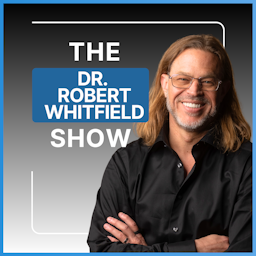
Welcome to The Dr. Robert Whitfield Show. Your trusted source for expert information on cosmetic augmentation devices and what happens when patients choose to have them taken out.
Dr. Robert Whitfield is a board-certified plastic surgeon who has performed thousands of procedures to extract these medical devices. Through candid conversations with patients, surgeons, and medical experts, he breaks down the symptoms, diagnosis, and treatment options for health complications linked to these prosthetics, along with critical information about device-associated anaplastic large cell lymphoma (BIA-ALCL) and other risks every patient deserves to understand.
Whether you're researching your options to have these devices removed, experiencing unexplained symptoms, or simply want straight answers from a surgeon who's seen it all, this is the show for you.

1,071 Listeners

7,230 Listeners

9,157 Listeners

638 Listeners

819 Listeners

131 Listeners

14,736 Listeners

1,545 Listeners
506 Listeners

290 Listeners
1,480 Listeners
1,679 Listeners
1,409 Listeners

32 Listeners
3,131 Listeners