
Sign up to save your podcasts
Or

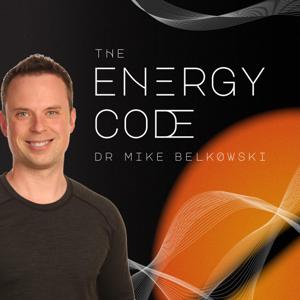

Something significant just happened in the world of peptides.
On July 23–24, the FDA’s Pharmacy Compounding Advisory Committee considered seven widely discussed peptides and voted in favor of six: BPC-157, KPV, TB-500, MOTS-c, Epitalon, and Semax, while rejecting DSIP (emideltide).
But these votes are widely misunderstood.
In this Energy Code Deep Dive, Dr. Mike Belkowski breaks down what the committee actually voted on, why a YES vote is not FDA drug approval, and the debate that divided the committee: should promising but under-studied peptides remain largely in the gray market, or could regulated pharmacy compounding provide a safer path?
We explore the harm-reduction argument behind the YES votes, the FDA scientists’ objections, concerns surrounding human evidence, product consistency and immunogenicity, why DSIP failed to clear the bar, and what happens next.
This isn't the finish line for peptides. But it could represent a major turning point in how peptide medicine is researched, regulated, and ultimately accessed.
(Educational content only, not medical advice.)
-
Key Quotes From Dr. Mike:
“Six of the seven (peptides) got a thumbs up. One got rejected.”
“A yes vote didn't mean the FDA is declaring the peptide safe and effective.”
“The yes side is saying, ‘Meet people where they are and add safety guardrails.’”
“The no side says, ‘Thin evidence is thin evidence, and a regulatory blessing shouldn't get ahead of the science.’”
“The single best thing that could come out of this moment is that the mainstreaming of peptides drives real rigorous clinical research.”
-
Key Points
⚡ An FDA advisory committee voted favorably on 6 of 7 peptides considered for the 503A compounding pathway.
⚡ BPC-157, KPV, TB-500, MOTS-c, Epitalon, and Semax received favorable recommendations; DSIP did not.
⚡ These votes do not constitute FDA drug approval and are non-binding recommendations.
⚡ One of the strongest arguments for inclusion was harm reduction: moving peptide use away from unregulated gray-market sources and toward clinicians and licensed pharmacies.
⚡ FDA scientists opposed inclusion, citing limited human evidence, product-characterization issues, immunogenicity concerns, and the possibility of creating false perceptions of FDA endorsement.
⚡ The BPC-157 vote was particularly close: 8–6 with one abstention.
⚡ DSIP was rejected amid especially limited evidence and questions surrounding the proposed route of administration.
⚡ The composition of the advisory committee and potential industry conflicts became another source of controversy.
⚡ Even if ultimately permitted for compounding, these products would remain fundamentally different from FDA-approved drugs.
⚡ The larger opportunity may be increased legitimacy driving better human clinical research into peptides.
-
Episode timeline
00:00 — A major moment for peptide medicine
01:28 — What the FDA actually voted on
04:20 — Nothing changed overnight
04:55 — Peptides 101 & the gray-market problem
06:27 — The final tally: 6 YES, 1 NO
08:12 — Breaking down the six peptides
10:05 — Why the YES side won
12:17 — Why FDA scientists opposed all seven
15:15 — Why DSIP failed
16:45 — Politics & conflicts of interest
18:52 — What this means for consumers right now
20:39 — A legitimacy inflection point
21:15 — The research opportunity
22:19 — Final takeaways
-
Dr. Mike's #1 recommendations:
Deuterium depleted water: Litewater (code: DRMIKE)
-
Stay up-to-date on social media:
Dr. Mike Belkowski:
BioLight Labs:
Website
BioLight:
Website
YouTube
 View all episodes
 By Dr. Mike Belkowski

4.8
124124 ratings
Something significant just happened in the world of peptides.
On July 23–24, the FDA’s Pharmacy Compounding Advisory Committee considered seven widely discussed peptides and voted in favor of six: BPC-157, KPV, TB-500, MOTS-c, Epitalon, and Semax, while rejecting DSIP (emideltide).
But these votes are widely misunderstood.
In this Energy Code Deep Dive, Dr. Mike Belkowski breaks down what the committee actually voted on, why a YES vote is not FDA drug approval, and the debate that divided the committee: should promising but under-studied peptides remain largely in the gray market, or could regulated pharmacy compounding provide a safer path?
We explore the harm-reduction argument behind the YES votes, the FDA scientists’ objections, concerns surrounding human evidence, product consistency and immunogenicity, why DSIP failed to clear the bar, and what happens next.
This isn't the finish line for peptides. But it could represent a major turning point in how peptide medicine is researched, regulated, and ultimately accessed.
(Educational content only, not medical advice.)
-
Key Quotes From Dr. Mike:
“Six of the seven (peptides) got a thumbs up. One got rejected.”
“A yes vote didn't mean the FDA is declaring the peptide safe and effective.”
“The yes side is saying, ‘Meet people where they are and add safety guardrails.’”
“The no side says, ‘Thin evidence is thin evidence, and a regulatory blessing shouldn't get ahead of the science.’”
“The single best thing that could come out of this moment is that the mainstreaming of peptides drives real rigorous clinical research.”
-
Key Points
⚡ An FDA advisory committee voted favorably on 6 of 7 peptides considered for the 503A compounding pathway.
⚡ BPC-157, KPV, TB-500, MOTS-c, Epitalon, and Semax received favorable recommendations; DSIP did not.
⚡ These votes do not constitute FDA drug approval and are non-binding recommendations.
⚡ One of the strongest arguments for inclusion was harm reduction: moving peptide use away from unregulated gray-market sources and toward clinicians and licensed pharmacies.
⚡ FDA scientists opposed inclusion, citing limited human evidence, product-characterization issues, immunogenicity concerns, and the possibility of creating false perceptions of FDA endorsement.
⚡ The BPC-157 vote was particularly close: 8–6 with one abstention.
⚡ DSIP was rejected amid especially limited evidence and questions surrounding the proposed route of administration.
⚡ The composition of the advisory committee and potential industry conflicts became another source of controversy.
⚡ Even if ultimately permitted for compounding, these products would remain fundamentally different from FDA-approved drugs.
⚡ The larger opportunity may be increased legitimacy driving better human clinical research into peptides.
-
Episode timeline
00:00 — A major moment for peptide medicine
01:28 — What the FDA actually voted on
04:20 — Nothing changed overnight
04:55 — Peptides 101 & the gray-market problem
06:27 — The final tally: 6 YES, 1 NO
08:12 — Breaking down the six peptides
10:05 — Why the YES side won
12:17 — Why FDA scientists opposed all seven
15:15 — Why DSIP failed
16:45 — Politics & conflicts of interest
18:52 — What this means for consumers right now
20:39 — A legitimacy inflection point
21:15 — The research opportunity
22:19 — Final takeaways
-
Dr. Mike's #1 recommendations:
Deuterium depleted water: Litewater (code: DRMIKE)
-
Stay up-to-date on social media:
Dr. Mike Belkowski:
BioLight Labs:
Website
BioLight:
Website
YouTube
770 Listeners
364 Listeners
7,205 Listeners

4,986 Listeners
717 Listeners
1,705 Listeners

4,872 Listeners

3,457 Listeners
9,231 Listeners

142 Listeners
1,096 Listeners
1,781 Listeners

840 Listeners
516 Listeners
292 Listeners