
Sign up to save your podcasts
Or

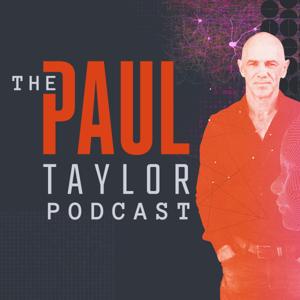
By Paul Taylor
Host Dr Paul Taylor, a Psychophysiologist, Neuroscientist, Exercise Scientist, and Nutritionist interviews experts from around the world on cutting edge research and practices related to improving
... more

4.8
3434 ratings


The podcast currently has 722 episodes available.
The most played episodes among Podcast App listeners.
Stoicism is not soft self-help - it's the philosophy that helped prisoners survive torture, submariners survive confinement, and warriors keep their heads when everything else is falling apart. William C. Spears shows why this ancient mindset still matters on the ocean floor, on the battlefield, and in your everyday life. I chat with William C. Spears, an active-duty US Navy submarine officer and author of Stoicism as a Warrior Philosophy, to explore why stoicism resonates so deeply in military life. From the brutal reality of hot bunking and months underwater to the moral pressure of captivity, William explains why the Stoics were right about freedom, duty, and character - even when you have zero control over the situation around you. You’ll discover: Why the submarine environment is the ultimate test of composure and team culture How Vice Admiral James Stockdale turned Epictetus into a survival framework in the Hanoi Hilton The Stoic meaning of honour, and why it matters when nobody is watching How the four cardinal virtues - wisdom, courage, temperance, and justice - work together in real life Why the dichotomy of control is more than a slogan when your options are limited by pressure, fear, or fate William also breaks down how to apply Stoicism outside the military, whether you're facing parenting stress, illness, grief, work pressure, or just trying to be the kind of person others can rely on. This conversation makes the case that virtue isn't abstract philosophy - it's practical training for being a better human under pressure. Time Stamps 07:18 The Influence of Stoicism in the Military 18:14 The Dichotomy of Control in Submarine Operations 27:51 The Essence of Stoic Virtue 29:58 Understanding Virtue in Stoicism 35:46 The Cardinal Virtues Explained 38:42 Applying Stoicism in Daily Life 43:53 Choosing the Hard Path 46:39 The Warrior Mindset Beyond the Battlefield 51:39 Playing Your Role in Society Resources William’s Book: Stoicism As A Warrior Philosophy Website: https://williamcspears.com/ X: htttps://X.com@WilliamCSpears Instragram: https://www.instagram.com/william.c.spears/ Substack: https://williamcspears.substack.com/ Support the Podcast If you found this conversation valuable, consider subscribing and leaving a review on your preferred podcast platform. Your feedback helps us continue to bring you insightful discussions on important health topics. See omnystudio.com/listener for privacy information.

See omnystudio.com/listener for privacy information.
Your anxiety might be a signal, not the problem. Dr. Olivia Lesslar and I break down why chronic stress, mitochondrial dysfunction, and the body’s threat-detection systems can leave you exhausted, inflamed, and stuck in survival mode - and what to do about it. If you’ve been told your symptoms are “just stress,” this conversation will feel like a revelation. Olivia explains how the mind-body connection shows up in complex chronic illness, why mitochondria act like cellular decision-makers, and how the cell danger response can push the body into energy-conserving hibernation when it senses threat. Olivia also shares her framework for adaptive versus maladaptive responses, her thoughts on mitochondrial support nutrients like B vitamins, minerals, iron, copper, zinc, and ubiquinol, and why more is not always better when it comes to longevity tools, supplements, or training. She explains how light, heat, and frequency may be used to support healing in everything from wounds to neurodegenerative disease. You’ll discover: Why your brain, muscles, and mitochondria compete for finite resources How exercise can help or hurt depending on volume, recovery, and intensity The real science behind photo biomodulation, red light, near infrared, and sauna use Why sun exposure, sleep, and circadian timing change how your body handles stress How PEMF and hyperbaric oxygen therapy are being used in complex chronic conditions Why breath work can either calm your nervous system or send you into overdrive Time Stamps 00:00 - Introducing Dr Olivia Lesslar and her work in complex chronic illness 03:02 - Threat detection, stress appraisal, and why cortisol matters 05:40 - What mitochondria are and why they do more than make energy 10:48 - The cell danger response and how cells shift into repair mode 14:57 - Hormesis and why some stress can build resilience 16:07 - Muscle, mitochondria, and the problem with no ceiling on training 19:26 - Extreme exercise theory and the risks of too much volume 23:23 - What photo biomodulation is and how red light affects physiology 25:36 - Healing use cases for red and near infrared light 30:32 - Red light versus near infrared and when each is used 32:25 - Near infrared, heat shock proteins, and neurodegenerative disease 34:57 - Gut-brain axis applications and Parkinson’s research 36:36 - Mitochondrial support supplements and why personalization matters 41:05 - What PEMF is and why Olivia takes it seriously 47:11 - HBOT, pressure levels, and why more oxygen is not always better 52:43 - Breath work, nervous system control, and practical daily breathing Resources Website - https://www.drolivialesslar.com/ LinkedIn - https://www.linkedin.com/in/drolivialesslar/ Instagram - https://www.instagram.com/drolivialesslar/?hl=en If you found this conversation valuable, consider subscribing and leaving a review on your preferred podcast platform. Your feedback helps us continue to bring you insightful discussions on important health topics. See omnystudio.com/listener for privacy information.
Dr. Nicole Bijlsma explains why the built environment matters for health, from mould and air quality to electromagnetic fields and chemical exposures. She shares practical, high-impact changes for bedrooms, water, skincare, cleaning, and home setup that can reduce everyday exposure and support better sleep, immunity, and wellbeing. We discuss why old homes and new homes each have different risks, how Wi-Fi and electrical wiring can affect sleep, and why water filtration is a non-negotiable if you want to reduce chlorine, PFAS, and fluoride exposure. Nicole also covers the biggest chemical exposures on skin, the most useful cleaning swaps, and why over-sanitising may be backfiring on allergy risk. Key topics Nicole shares how personal health issues led her into building biology and why she started training people to assess homes for environmental hazards. The difference between old homes and new homes, including condensation, mould, poor maintenance, tight building envelopes, and off-gassing from imported furnishings. Why carpets can act like a reservoir for dust, pest debris, asbestos, lead paint, and chemicals, especially for infants crawling on the floor. The three EMF categories Nicole prioritises - radio frequencies, AC magnetic fields, and dirty electricity. Why a Wi-Fi router in the bedroom is a major issue, and why hardwiring or powering routers down at the wall is the best fix. Why the bedroom is the top health priority, and how to set it up for better sleep by removing Wi-Fi devices, phones, extenders, and boosters. Why inverter and solar battery placement matters, and why distance is the main defense against magnetic fields. Why reverse osmosis is the best option for drinking water when fluoride is a concern, while whole-house filtration helps with chlorine, sediment, PFAS, and many other contaminants. Nicole shares why alkaline water is not her recommendation, and why stomach acid matters for digestion, protein breakdown, and nutrient absorption. The biggest chemical exposures on the body, especially perfumes, aftershaves, artificial fragrances, and air fresheners. Why jojoba oil, rose hip oil, wool, hemp, cotton, and fragrance-free basics are the safer everyday choices for skin and home use. Timestamps 00:32 - The personal health story that led to building biology 01:54 - Discovering environmental triggers in the home 03:21 - Training clinicians to look at air quality and built-environment hazards 04:07 - Old homes versus new homes: where the risks differ 05:54 - Maintenance, roof leaks, drainage, and rising damp in older houses 06:50 - Why carpets collect dust, toxins, and biological debris 07:28 - Why infants are the highest-risk group on carpeted floors 08:25 - Tight new homes, hidden condensation, and off-gassing from furnishings 10:59 - Natural materials and Australian-made products for lower exposure 11:35 - The EMF problem in the bedroom 12:44 - Why a router in the room can be a major radio-frequency exposure 14:30 - Sleep, melatonin, and why hardwiring beats Wi-Fi 15:32 - How to measure Wi-Fi properly with the right meter 16:24 - Inverters, batteries, and magnetic fields from solar systems 17:45 - Dirty electricity and why some people become electrically sensitive 20:30 - Bedroom setup: no Wi-Fi devices, no extenders, no boosters 21:20 - Building a master switch system to shut down bedroom fields 22:47 - Why phones in the bedroom are a bad idea 23:29 - The bedroom first rule: sleep before everything else 24:55 - Timer switches and reducing router exposure 26:00 - Electricity coming into the house and the importance of distance 27:09 - The inverse square law and why bed position matters 28:19 - Why shielding does not solve magnetic field exposure 29:04 - Water as a major chemical exposure 30:27 - PFAS and fluoride in water supplies 32:48 - Why chlorine is a problem for the gut microbiome 33:18 - What a basic but effective water filter should remove 34:10 - Reverse osmosis, remineralisation, and why alkaline water is controversial 36:40 - Skin exposure: why chlorine affects eczema and skin irritation 37:32 - Whole-house filtration versus point-of-use RO 40:26 - Skincare, moisturizers, deodorants, and sunscreen 41:22 - Why jojoba and rose hip oil are better skin options 42:19 - Parabens, detergents, and reducing cosmetic load 43:18 - Sunscreen controversy and why covering up often works better 46:29 - Perfume, phthalates, and why fragrance is a major exposure 48:43 - Cleaning the home with detergent, microfiber, and HEPA filtration 50:11 - Why white vinegar works well in the dishwasher rinse-aid compartment 51:35 - Detoxification: sweat, sauna, and exercise 52:50 - Why some chemicals need plasma donation or binders 54:44 - The need for supervision when using binders 55:41 - Why mould deserves its own conversation 56:06 - Allergies, pet dander, and the role of dust mites 58:17 - Birth, breastfeeding, microbes, and why farm exposure lowers allergy risk 59:29 - Why over-cleaning and sanitizers can raise allergy risk 61:00 - Where to find Dr. Nicole B and her training 61:42 - Healthy Home, Healthy Family and the upcoming updated edition Action items Remove Wi-Fi enabled devices, extenders, boosters, and phones from the bedroom. Put the router on a timer or power it down at the wall overnight. Move the bed away from the wall closest to the meter panel or incoming electrical supply. Prioritise whole-house water filtration, and add reverse osmosis at the kitchen sink if fluoride is a concern. Switch to fragrance-free personal care and cleaning products. Use microfiber cloths, detergent, and a sealed HEPA vacuum for routine cleaning. Favor natural materials like wool, hemp, cotton, and jojoba-based skin care where possible. Reduce over-sanitising at home and let kids get normal outdoor dirt exposure. Resources Website: https://www.buildingbiology.com.au/ Instagram - https://www.instagram.com/homehealthdoc/ Facebook - https://www.facebook.com/nicolebijlsma1/?fref=ts Support the Podcast If you found this conversation valuable, consider subscribing and leaving a review on your preferred podcast platform. Your feedback helps us continue to bring you insightful discussions on important health topics. See omnystudio.com/listener for privacy information.
Most addiction advice is built for rock bottom. Tara Hurster says that misses the vast majority of people - the high-functioning drinkers, gamblers, and users who still have jobs, houses, and families, but know something is off. If you’ve ever wondered where “just a bit too much” becomes a real problem, this conversation gives you a clearer answer than shame ever could. Paul speaks with Tara Hurster, psychologist and founder of The TARA Clinic, about the low-to-high risk continuum of addiction, the 12 DSM criteria, and why “stopping” is not the same as changing. . Her approach is practical, non-judgmental, and built around helping people make real choices with real tools - not just white-knuckle their way through. Tara breaks down how tolerance, repeated failed attempts to cut down, negative consequences, and defensiveness can all signal a deeper issue, even when life still looks functional from the outside. You’ll discover: Why addiction can be invisible in high performers and professionals How the stages of change model explains denial, preparation, action, and maintenance The “stop you swap” trap and why focusing only on abstinence creates a void Why relapse is better understood as recycling, and relapse as a lesson How identity, values, and stress management drive the behaviours people keep repeating Time Stamps 01:15 - Risk continuum and the question of where addiction begins 02:12 - The clearest signs: tolerance, failed attempts, and consequences 03:28 - Why questioning a behavior is already a signal worth taking seriously 04:23 - Stages of change and why defensiveness matters 05:34 - Why stopping is not the same as changing 06:32 - “If you stop, you swap” and finding the driver behind the behavior 08:34 - The myth that addiction only looks like rock bottom 09:49 - Only two DSM criteria are needed over 12 months 10:54 - Tara reads the DSM style addiction criteria in plain English 13:25 - Why The Tara Clinic uses the criteria as education, not self diagnosis 14:07 - Why Tara does not align with the 12 step model 15:29 - Tara’s personal story: bullying, tallness, and smoking in year six 17:02 - Why stopping smoking can coincide with a change stage, not just willpower 18:02 - Recovery as a long term redefinition of stress and distress 19:19 - How addiction looks from the outside versus the inside 20:56 - Minimizing the problem and the brain’s self protection mechanisms 21:27 - The brain’s threat response and why stress drives habitual behavior 24:41 - Being the expert in your own life and using lifestyle as a mirror 25:33 - Hello Sunday Morning and the power of noticing hangover regret 26:25 - Tara’s non prescriptive approach: helping clients see their own choices 27:06 - Why smart people often struggle more with change 28:22 - How education works in pre-contemplation without shame 29:25 - Why shame and guilt can push people backwards 30:21 - The survival wiring behind addictive behavior 31:50 - Early stage support and why community matters 32:35 - Preparation stage and why The Tara Clinic starts there 33:22 - The danger of stopping before change has actually happened 34:16 - Dry drunk thinking and the limits of willpower 35:47 - Real change means new routines, people, and environments 36:11 - Why lapse and relapse are reframed as lesson and recycling 37:35 - Can moderation work after addiction? Tara’s non absolute answer 38:14 - Choice, agency, and not becoming another external force 39:23 - Different substances and how the method of use changes the effect 42:22 - Why ice is the hardest substance to manage socially 43:26 - Ice detox, brain recovery, and the physical versus neurological timeline 45:23 - The recurring “wobbles” in recovery from ice use 47:32 - Why early recovery for ice effectively starts after a much longer practice period 48:43 - Common drivers: pressure, stress, identity, and relief 50:16 - Why Tara avoids labels and focuses on language, thought, and identity 53:57 - Values work and why goals and values are not the same thing 55:25 - Tara’s core values: justice, nonconformity, and safety 56:26 - Why value incongruence creates major stress in work and life 57:52 - Questions to ask yourself: have I questioned this, and what happens if I pause it? 59:37 - Reality pants, judgment pants, and honest behavior tracking 60:04 - How to track patterns in drinking and spot triggers 61:37 - Using patterns to find gaps in knowledge, skills, and awareness 62:32 - Where to go next: The Tara Clinic, Smart Recovery, and the ADIS phone line Resources Website - https://www.thetaraclinic.com/ LinkedIn - https://www.linkedin.com/in/tarahurster/ Instagram - https://www.instagram.com/thetaraclinic/ Facebook - https://www.facebook.com/thetaraclinic SMART Recovery – https://smartrecoveryaustralia.com.au/ ADIS phone line: 1800 250 015 available 24/7 The National Alcohol & Other Drug Hotline is a free and confidential phone service that provides counselling, advice, and information for those struggling with addiction. Call 1800 250 015. Support the Podcast If you found this conversation valuable, consider subscribing and leaving a review on your preferred podcast platform. Your feedback helps us continue to bring you insightful discussions on important health topics. See omnystudio.com/listener for privacy information.
The podcast currently has 722 episodes available.
11,814 Listeners
2,018 Listeners

8,544 Listeners
422 Listeners
575 Listeners

3,474 Listeners
2,619 Listeners
3,456 Listeners

8,031 Listeners

161 Listeners
325 Listeners

29,081 Listeners

2,074 Listeners

1,214 Listeners
152 Listeners