
Sign up to save your podcasts
Or



Send us Fan Mail
She’s calling in from the backcountry of Utah with a Starlink connection, fresh off slot canyons, desert miles, and yet another FKT. Erin Tun is back, and our catch-up quickly turns into a deep look at what it actually takes to move fast in the mountains when the air is thin and the consequences are real.
We dig into Erin’s four-month South America push anchored by altitude training in Quito, Ecuador, where repeat climbs and local trail running community support helped set the table for bigger goals. From Cotopaxi and other 5,000 meter peaks to the main objective, Aconcagua, Erin breaks down the real-world mechanics of a fastest known time attempt: scouting versus full summits, choosing lines, managing snow and scree, and why a perfect weather window can disappear overnight. She also describes what performance feels like above 21,000 to 22,000 feet, where “going hard” often means relentless efficiency and not stopping, not running a pretty pace.
From there, the lens widens to the Seven Summits record path, including why Kilimanjaro might be next and what makes an Everest speed record uniquely complicated: oxygen choices, north versus south side routes, political access, permits, and the funding reality behind big peaks. We also talk sponsorship in a way most podcasts skip, including Erin’s move to Tava, her hands-on role testing prototypes, and how building a sustainable career as a modern mountain athlete now includes storytelling, not just results. If you want the behind-the-scenes version of these adventures, Erin and Chris are launching a YouTube channel to show what Instagram can’t.
If you like this kind of mountain running, high altitude training, and adventure athlete problem-solving, subscribe, share the episode with a friend, and leave a review so more listeners can find the show.
Follow Erin on IG - @erin_ton7
Create a Rendezvu Account @rendezvu
Use code SteepStuff for 20% your cart on Sidas.us
Follow James on IG - @jameslauriello
Follow the Steep Stuff Podcast on IG - @steepstuff_pod
Follow Sidas USA on IG - @sidas_usa
Send us Fan Mail
She steps away from competition for years because of serious health issues then returns with a top-five at Transgrancanaria and an audacious Sierra project that looks more like an alpinist’s dream than a runner’s itinerary. Olivia Amber joins us from Bishop, California to talk about building a comeback that’s less about hype and more about durability, curiosity, and doing hard things for the right reasons.
We dig into how a Midwest childhood and an All-American Nordic skiing background shaped her engine, her grit, and her love for long days. From there, we get practical about life on the Bishop and Mammoth corridor: altitude training, endless vert, technical trails, the climbing community, and why that access changes what’s possible week to week. Olivia also breaks down big wall climbing, the mental side of exposure, and the “systems” skills that matter when mistakes have real consequences.
Then we go deep on Normans 13, the open-ended FKT linking 13 Sierra 14ers with huge climbing, talus, cross-country travel, and a brief 5.9 crux at 14,000 feet. Olivia explains her north-to-south strategy, how she planned logistics and resupplies, what sleep deprivation actually felt like over multiple days, and why the experience hit differently than racing. We also hear what it was like joining Kilian Jornet during his attempt and what she’s learning from The North Face team across running and climbing.
Subscribe for more mountain running stories, share this with a friend who loves big objectives, and leave a review if you want to help the show grow. What part of Normans 13 sounds harder to you: the fifth-class terrain, the sleep loss, or the endless talus?
Follow Olivia Amber on IG - @osamber
Create a Rendezvu Account @rendezvu
Use code SteepStuff for 20% your cart on Sidas.us
Follow James on IG - @jameslauriello
Follow the Steep Stuff Podcast on IG - @steepstuff_pod
Follow Sidas USA on IG - @sidas_usa
Send us Fan Mail
A top European trail runner lands in the US, strings together races and workouts across the West, and leaves with a clearer view of what makes American trail running culture feel so alive. We sit down with Marcel Höche, professional athlete for the Adidas Terrex team, right after his spring swing that includes Big Alta and a podium at the Lake Sonoma 50K. Along the way, he breaks down what surprised him most: the speed of the fields, the variety of terrain, and the post-race community rituals that turn a hard day into a shared celebration.
Marcel walks us through the reality of racing Lake Sonoma, a course that looks runnable until you feel how “relentless” it is, plus how weather swings and mud can become an advantage if you thrive in rough conditions. We also talk training and travel, including his time in Cedar City with Hayden Hawks, syncing workouts with his coach and finding the right terrain without ego. If you care about trail running performance, mountain running preparation, and the small decisions that shape a season, this conversation is full of practical insights.
Then we go behind the curtain on pro team support with Adidas Terrex: travel planning, housing, physio, chefs, media help, experienced crewing, and why removing that mental load can change how you race. Marcel is also candid about the pressure that can come with resources, his coaching relationship with Dmitry Mityaev, and a training approach that prioritizes heavy strength work and high-quality sessions over piling on “junk miles.” If you’re building toward big goals like UTMB week races, steep European mountain events, or long ultras, you’ll find plenty to steal for your own plan.
Subscribe for more athlete conversations, share this with a trail friend, and leave a five-star review if the show helps your running. What part of Marcel’s approach would you try first?
Follow Marcel on IG - @macy_pacy
Create a Rendezvu Account @rendezvu
Use code SteepStuff for 20% your cart on Sidas.us
Follow James on IG - @jameslauriello
Follow the Steep Stuff Podcast on IG - @steepstuff_pod
Follow Sidas USA on IG - @sidas_usa
Send us Fan Mail
Create a Rendezvu Account @rendezvu
Use code SteepStuff for 20% your cart on Sidas.us
Follow James on IG - @jameslauriello
Follow the Steep Stuff Podcast on IG - @steepstuff_pod
Follow Sidas USA on IG - @sidas_usa
Send us Fan Mail
Trail running says it loves the outdoors, but are we willing to change how we race to protect the places we run? I’m joined by Aimee Kohler race director of The Running Kind, a small but fast-growing organization putting on carbon-neutral trail races across Pennsylvania, New Jersey, and upstate New York, including the brutally steep Climate For Climate in the Catskills. We talk about why the Northeast is still underrated for mountain running, and why “smaller mountains” can deliver bigger technical challenges than people expect.
We also go straight at the uncomfortable stuff: the UTMB stones ecosystem, private-equity vibes in a sport that’s supposed to have soul, and the weird reality of carbon “offset fees” being pushed onto runners. Aimee shares what she’s learned from working big events earlier in her career, then building a different model focused on accessibility, community, and trail stewardship. If you’ve ever wondered whether grassroots races can coexist with mega-events, you’ll hear a candid take on why the big leagues still depend on local race directors and first-time trail racers.
Then we get practical. Aimee breaks down how carbon neutrality actually works for an event: measuring emissions, submitting annual reduction plans, choosing vetted offset projects, and making real upgrades like moving from gas to solar power on race day. We also unpack permits and wilderness rules in the Catskills, why public transit matters for city runners, and why a meaningful race experience beats another free shirt every time. Climate For Climate takes place August 16, and The Running Kind is also adding new events like a backyard ultra and the Basilisk.
If you care about sustainable trail running, carbon-neutral races, and protecting public lands while the sport explodes in popularity, listen now. Subscribe, share this with a running friend, and leave a review so more runners find the conversation.
Follow Aimee on IG - aimskoh
Follow the Running Kind on IG - @therunningkind_
Sign up for a Running Kind Race ! - @therunningkind.net
Create a Rendezvu Account @rendezvu
Use code SteepStuff for 20% your cart on Sidas.us
Follow James on IG - @jameslauriello
Follow the Steep Stuff Podcast on IG - @steepstuff_pod
Follow Sidas USA on IG - @sidas_usa
Send us Fan Mail
Chris Fisher just came back from a three-month Ecuador adventure that started with almost no plan and turned into a full-on human-powered volcano mission. From a base in Quito at high altitude, he links long bike days with climbs on Ecuador’s biggest volcanoes, chasing a “Big Ten” style objective that becomes nine summits once he decides an actively erupting peak is a hard no. We get into what the miles actually feel like, including a brutal opening push to Cayambe and the reality of riding loaded on highways where the risk is out of your hands.
We also talk logistics that make or break a bikepacking and mountaineering trip: mapping routes with CalTopo and Strava, finding cheap hotels, staying fueled with local food, and why Ecuador can feel far more accessible than people assume. Chris shares the one sketchy moment that nearly derailed the trip, then explains why he still encourages people to explore the Andes and the Amazon with smart awareness instead of fear.
The biggest shift comes in the rainforest, where an immersion with a Kichwa village reframes what “enough” looks like. That lesson carries into what’s next: a possible return to Everest to support Tyler Andrews, a growing focus on bike-to-climb projects like the Tour des 14ers, and candid thoughts on the current state of FKTs, sponsorship, storytelling, and launching a YouTube channel with Erin.
If you like big objectives with real heart behind them, subscribe, share this with a friend who loves the mountains, and leave a review so more people can find the show. What part of Chris’s approach would you borrow for your own adventures?
Follow Chris on IG - @chrisjfish
Contact Chris - chrisjfish.com
Photo - Santiago Gurrero (@santigurrerog_)
Create a Rendezvu Account @rendezvu
Use code SteepStuff for 20% your cart on Sidas.us
Follow James on IG - @jameslauriello
Follow the Steep Stuff Podcast on IG - @steepstuff_pod
Follow Sidas USA on IG - @sidas_usa
Send us Fan Mail
A stacked start line, a rolling course that never lets your legs settle, and a late climb that can flip the whole day on its head. That’s why the Gorge Waterfall 30K feels like more than “just” an early-season trail race, and why I wanted Tyler McCandless back on Steep Stuff for a pre-race check-in. Tyler comes from a deep road and track background, but he’s been sharpening his trail running range, and this two-hour sub-ultra effort asks for the full toolkit: speed, strength, patience, and smart decisions when everyone around you wants to surge.
We talk tactics and how a mixed field changes the pace, with short-course racers more willing to light it up early while ultra runners may wait for the back half. Tyler breaks down how he’s trained differently to build durability, leaning into longer mountain runs with real vertical gain and more time in the weight room so the climbs and descents still feel runnable late. We also get nerdy about gear, including hydration for longer trail races and shoe choices for a course with both trail and road sections, plus what he’s learning about traction and ride in models like the Norda 005 and Nike ACG Ultrafly.
Then we zoom out to the bigger picture: sponsorship cycles in sub-ultra trail racing, the rise of serious prize purses, and Tyler’s WMRA World Cup plans that include Beijing and the once-in-a-lifetime thrill of racing on the Great Wall of China. We close with his road ambitions too, from chasing another Olympic Marathon Trials qualifier to the tricky balance of using super shoes for speed without inviting hip and hamstring issues.
If you’re into trail running, Gorge Waterfall 30K previews, sub-ultra strategy, WMRA racing, and the real decisions athletes make behind the scenes, hit subscribe, share this with a running friend, and leave a review with your favorite race-day lesson.
Create a Rendezvu Account @rendezvu
Use code SteepStuff for 20% your cart on Sidas.us
Follow James on IG - @jameslauriello
Follow the Steep Stuff Podcast on IG - @steepstuff_pod
Follow Sidas USA on IG - @sidas_usa
Send us Fan Mail
A fast 30K can be more intimidating than a steep ultra, especially when the trail begs you to push from the opening minute. James sits down with Robin Vieira Brower ahead of the Gorge Waterfalls 30K to talk about what makes the Columbia River Gorge such a special place to race: lush, sea-level air, deceptively technical singletrack, and that mix of speed and flow that punishes overreaching early.
We get into the nuts and bolts of trail running training from Bend, Oregon, where Robin balances dirt-road speed work with mountain days on terrain like Mount Bachelor and South Sister. The conversation also tackles the bigger question many runners are asking this year: how does a low snowpack winter change fitness, durability, and even race outcomes across the West? More runnable days can mean stronger legs in spring, but it can also bring new risk if recovery falls behind.
Robin also breaks down why she treats tune-up races as mental training: practicing strategy, managing nerves, dialing nutrition, and learning when to push versus when to protect the bigger skyrunning goals ahead. Finally, we talk about juggling it all with her work as Marketing Director at Wazelle, travel around major events like the Boston Marathon, and the real-life chaos that can derail “perfect” training weeks. If you’re building toward a spring trail race or a summer skyrace, you’ll leave with practical cues for pacing, preparation, and staying steady when plans break.
Subscribe for more athlete interviews, share this with a training partner, and leave a review with your favorite tune-up race lesson. What’s one habit you want to bring to your next start line?
Follow Robin on IG - @mindfullyrobin
Create a Rendezvu Account @rendezvu
Use code SteepStuff for 20% your cart on Sidas.us
Follow James on IG - @jameslauriello
Follow the Steep Stuff Podcast on IG - @steepstuff_pod
Follow Sidas USA on IG - @sidas_usa
Send us Fan Mail
A great race can change your season, but it can also expose every weakness you’ve been dodging. We’re joined by Mason Coppi for a Gorge Waterfalls 30K pre-race talk that goes deeper than predictions, getting into what it really takes to show up ready when the course is fast, punchy, and technical and the men’s field is stacked.
Mason shares how he’s building Hello To Running, coaching everyone from couch-to-5K athletes to runners competing at the highest level. We dig into why training theory transfers across trail running, marathon training, and even ski mountaineering, plus what coaching beginners teaches you about the fundamentals that matter most. Then we lock onto Gorge Waterfalls 30K, a course that demands constant changes in effort, smart pacing, and durability when the climbs never let you settle into a rhythm.
We also talk openly about the pressure of racing as a free agent in trail running, where travel costs, sponsorship opportunity, and prize money can make every start line feel like a gamble. Mason explains how he’s thinking about hydration, early-race excitement, and the “two-hour zone,” especially while managing a recent runner’s knee flare-up. We close with a look ahead to Boston Marathon plans and how mindset swings are part of the sport for all of us.
If you enjoy detailed race strategy, honest coaching insight, and trail running talk that doesn’t dodge the hard parts, subscribe, share this with a running friend, and leave a review so more listeners can find the show. What’s your Gorge Waterfalls 30K pacing rule when the course is punchy and fast?
Follow Mason on IG - mcoppi44
Talk to Mason about Coaching - @Hello to Running
Create a Rendezvu Account @rendezvu
Use code SteepStuff for 20% your cart on Sidas.us
Follow James on IG - @jameslauriello
Follow the Steep Stuff Podcast on IG - @steepstuff_pod
Follow Sidas USA on IG - @sidas_usa
Send us Fan Mail
A course that makes you hammer 5:15 pace on the road, then immediately asks you to thread technical trail like you still have fresh legs, is not a “standard” trail race. Gorge Waterfall 30K is built to punish hesitation, and that’s exactly why we wanted to sit down with Grant Colligan before the gun goes off.
We talk through why Grant originally saw Gorges as a chill rustbuster after a disrupted winter, and how that plan changes fast when a deep, aggressive start list shows up. Grant breaks down what makes this route feel like “death by a thousand cuts” instead of one big climb, and why the race may tilt toward short trail athletes who can surge, recover, and then surge again. We also get into practical race-day thinking for a two-hour effort: simple fueling, bottle strategy, and how to treat the whole day like sustained high intensity rather than a long grind.
From there we zoom out to the bigger picture: coaching and pacing at Mines, the mindset shift from chasing Golden Trail Series points to picking races on “mostly vibes,” and the reality of global trail running logistics for North American privateers. Grant also shares the tactical approach he wants to take when the course hits those fast runnable sections, plus how the technical terrain could reshape the front pack.
If you’re training for a 30K trail race, dialing in race strategy, or just want a smart look at modern competitive trail running, hit play. Subscribe to the show, share this with a trail buddy, and leave a review if you want more pre-race interviews like this.
Follow Grant on IG - @gmoneyhoppin
Create a Rendezvu Account @rendezvu
Use code SteepStuff for 20% your cart on Sidas.us
Follow James on IG - @jameslauriello
Follow the Steep Stuff Podcast on IG - @steepstuff_pod
Follow Sidas USA on IG - @sidas_usa
From the publisher's feed
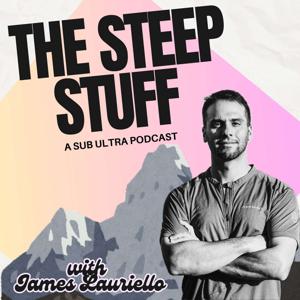
Professional trail runner James Lauriello sits down with some of the most interesting athletes, coaches, adventurers, and personalities in the mountain running world to take an inside look at…
With no script and no two conversations quite the same, The Steep Stuff Podcast dives deep into the people, stories, and ideas shaping trail, mountain, and skyrunning. From training and racing to adventure, gear, lifestyle, the highs and lows of competition, and everything in between, James brings an athlete’s perspective and genuine curiosity to every conversation.
Whether it’s sitting down with the world’s best mountain runners, emerging talents, legendary figures, or the people working behind the scenes, The Steep Stuff explores what makes these individuals tick, what they’ve learned along the way, and why they continue to push themselves into the mountains. It’s all things trail, mountain and skyrunning—and the people who make the sport what it is.
1,167 Listeners

11,739 Listeners

1,341 Listeners

777 Listeners

1,874 Listeners

179 Listeners
954 Listeners

291 Listeners

366 Listeners
1,420 Listeners

1,771 Listeners

165 Listeners
191 Listeners

174 Listeners

55 Listeners