
Sign up to save your podcasts
Or

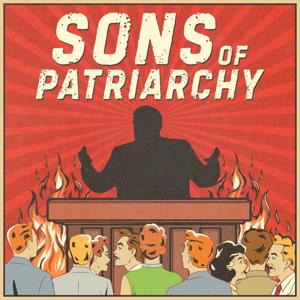

Media inquiries: https://www.sonsofpatriarchy.com/contact
Patreon: patreon.com/sonsofpatriarchy
Website: sonsofpatriarchy.com
Email us: [email protected]
They Called Her Bitter: https://www.instagram.com/theycalledherbitter/
Deconstruction Doulas: https://www.deconstructiondoulas.com
Help Fuel Deconstruction Doulas Fight Against Religious Abuse: https://www.gofundme.com/f/help-us-fuel-our-fight-against-religious-abuse
Summary
In this conversation, Dr. Jessie Daniels discusses the interconnectedness of Christian nationalism, white supremacy, and misogyny, exploring how these ideologies have evolved over time, particularly with the rise of the internet. She emphasizes the importance of intersectionality in understanding these issues and highlights the emotional landscape of whiteness. The discussion also delves into the role of women in white supremacist movements and the challenges of addressing these ideologies in contemporary society. Dr. Daniels encourages listeners to engage with these topics through reading and community discussions to foster understanding and change.
Dr. Daniels's books: https://www.amazon.com/stores/Jessie-Daniels/author/B001IU2TVY?ref=sr_ntt_srch_lnk_1&qid=1770995865&sr=8-1&shoppingPortalEnabled=true
Takeaways
- Christian nationalism and white supremacy are interrelated issues. - Intersectionality is crucial for understanding race, gender, and class dynamics. - The internet has transformed how white supremacists spread their ideologies. - Recruitment into white supremacist groups often relies on social connections rather than overt persuasion. - Emotional regulation is essential for addressing feelings of guilt and shame related to whiteness. - Women in white supremacist movements often seek safety in whiteness despite being marginalized within these groups. - The far-right exploits feelings of aggrievement among white individuals. - Young people today are more adept at recognizing propaganda and misinformation. - Understanding one's own family history is vital in combating white supremacy. - Community engagement and reading are key to fostering understanding and resistance against extremist ideologies.
Chapters
00:00 Introduction to Christian Nationalism and Intersectionality 05:59 The Evolution of White Supremacist Rhetoric 12:33 The Role of the Internet in Spreading Ideologies 19:17 Understanding Recruitment in White Supremacist Groups 26:21 The Emotional Landscape of Whiteness 32:37 The Complexity of Women in White Supremacist Movements 39:56 The Future of Far-Right Rhetoric and Strategies
Keywords
Christian nationalism, white supremacy, misogyny, racism, intersectionality, far-right, internet, propaganda, emotional regulation, women in extremism
 View all episodes
 By Peter Bell & Sarah Bader

4.2
616616 ratings
Media inquiries: https://www.sonsofpatriarchy.com/contact
Patreon: patreon.com/sonsofpatriarchy
Website: sonsofpatriarchy.com
Email us: [email protected]
They Called Her Bitter: https://www.instagram.com/theycalledherbitter/
Deconstruction Doulas: https://www.deconstructiondoulas.com
Help Fuel Deconstruction Doulas Fight Against Religious Abuse: https://www.gofundme.com/f/help-us-fuel-our-fight-against-religious-abuse
Summary
In this conversation, Dr. Jessie Daniels discusses the interconnectedness of Christian nationalism, white supremacy, and misogyny, exploring how these ideologies have evolved over time, particularly with the rise of the internet. She emphasizes the importance of intersectionality in understanding these issues and highlights the emotional landscape of whiteness. The discussion also delves into the role of women in white supremacist movements and the challenges of addressing these ideologies in contemporary society. Dr. Daniels encourages listeners to engage with these topics through reading and community discussions to foster understanding and change.
Dr. Daniels's books: https://www.amazon.com/stores/Jessie-Daniels/author/B001IU2TVY?ref=sr_ntt_srch_lnk_1&qid=1770995865&sr=8-1&shoppingPortalEnabled=true
Takeaways
- Christian nationalism and white supremacy are interrelated issues. - Intersectionality is crucial for understanding race, gender, and class dynamics. - The internet has transformed how white supremacists spread their ideologies. - Recruitment into white supremacist groups often relies on social connections rather than overt persuasion. - Emotional regulation is essential for addressing feelings of guilt and shame related to whiteness. - Women in white supremacist movements often seek safety in whiteness despite being marginalized within these groups. - The far-right exploits feelings of aggrievement among white individuals. - Young people today are more adept at recognizing propaganda and misinformation. - Understanding one's own family history is vital in combating white supremacy. - Community engagement and reading are key to fostering understanding and resistance against extremist ideologies.
Chapters
00:00 Introduction to Christian Nationalism and Intersectionality 05:59 The Evolution of White Supremacist Rhetoric 12:33 The Role of the Internet in Spreading Ideologies 19:17 Understanding Recruitment in White Supremacist Groups 26:21 The Emotional Landscape of Whiteness 32:37 The Complexity of Women in White Supremacist Movements 39:56 The Future of Far-Right Rhetoric and Strategies
Keywords
Christian nationalism, white supremacy, misogyny, racism, intersectionality, far-right, internet, propaganda, emotional regulation, women in extremism

1,131 Listeners

4,453 Listeners

362 Listeners

538 Listeners

1,264 Listeners
811 Listeners
726 Listeners

1,028 Listeners

624 Listeners

1,940 Listeners

578 Listeners

140 Listeners

872 Listeners

62 Listeners

920 Listeners