
Sign up to save your podcasts
Or

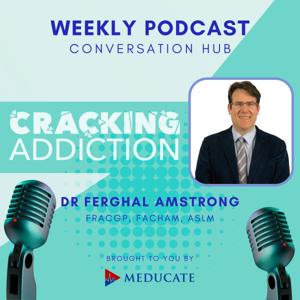

These drugs calm your brain—but what if they’re silently increasing your stroke risk?
For decades, benzodiazepines like Valium and Xanax were seen as safe, even neuroprotective.
Doctors believed that by calming overexcited brain cells, these medications might actually help during a stroke. That assumption shaped years of prescribing habits.
But the science has changed—and the new data is disturbing.
In this episode, you’ll uncover emerging research that links benzodiazepines and Z-drugs to increased stroke risk, dangerous falls, pneumonia, and even higher death rates after stroke.
Even more concerning? These risks don’t just affect the elderly—they show up in younger adults, too.
⚠️ What you’ll learn in this video:
Why the original “brain-protective” theory behind benzodiazepines may be wrong
The shocking stroke risk seen in long-term benzo users
Why dose and duration matter more than most doctors realise
What happens when benzodiazepines are given after a stroke
Why falls, fractures, and pneumonia skyrocket in hospitalized patients
What to do without stopping suddenly or putting yourself at risk
This isn’t fear-mongering. Benzodiazepines have legitimate medical uses. But they are not the harmless medications we once believed, especially when it comes to stroke and recovery.
If you—or someone you care for—uses anxiety medications, sleep aids, or sedatives, this is information you can’t afford to ignore.
 View all episodes
 By Meducate
5
66 ratings
These drugs calm your brain—but what if they’re silently increasing your stroke risk?
For decades, benzodiazepines like Valium and Xanax were seen as safe, even neuroprotective.
Doctors believed that by calming overexcited brain cells, these medications might actually help during a stroke. That assumption shaped years of prescribing habits.
But the science has changed—and the new data is disturbing.
In this episode, you’ll uncover emerging research that links benzodiazepines and Z-drugs to increased stroke risk, dangerous falls, pneumonia, and even higher death rates after stroke.
Even more concerning? These risks don’t just affect the elderly—they show up in younger adults, too.
⚠️ What you’ll learn in this video:
Why the original “brain-protective” theory behind benzodiazepines may be wrong
The shocking stroke risk seen in long-term benzo users
Why dose and duration matter more than most doctors realise
What happens when benzodiazepines are given after a stroke
Why falls, fractures, and pneumonia skyrocket in hospitalized patients
What to do without stopping suddenly or putting yourself at risk
This isn’t fear-mongering. Benzodiazepines have legitimate medical uses. But they are not the harmless medications we once believed, especially when it comes to stroke and recovery.
If you—or someone you care for—uses anxiety medications, sleep aids, or sedatives, this is information you can’t afford to ignore.

21,138 Listeners
1,261 Listeners
131 Listeners
17 Listeners

14,969 Listeners

8,876 Listeners
1,363 Listeners
732 Listeners

296 Listeners

27,584 Listeners

566 Listeners
390 Listeners

29,272 Listeners

258 Listeners
152 Listeners