
Sign up to save your podcasts
Or

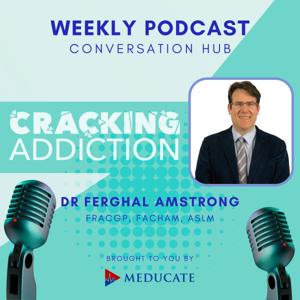

In this serious and thought-provoking episode of "Cracking Addiction," Dr. Ferghal Armstrong and Mr. Stephen Heard shed light on evidence-based risk factors for lethality in family violence. They address the complexities faced by clinicians when dealing with female victims and emphasise the importance of understanding their resilience strategies.
The episode explores the heightened risks during separation, with violence often escalating afterward. Herd stresses the need to prioritise safety by connecting victims with the police and relevant support services. They discuss the legal obligations associated with intervention orders, aiming to make clients aware of the protection they provide.
The conversation delves into self-harm and suicide attempts by perpetrators, highlighting their controlling behaviours and the potential for murder-suicide. They caution against underestimating the significance of access to weapons in assessing risk. The discussion also touches upon factors like unemployment and drug misuse, which can amplify the severity and frequency of family violence. The episode concludes with a reminder to clinicians about the importance of planning for family violence and the role of distractions in reducing risk.
Dr. Armstrong expresses gratitude to Steve Herd for his insights, leaving viewers with a deep understanding of the urgent need for proactive interventions. Content Warning: The episode contains discussions on sensitive topics such as domestic violence, self-harm, suicide, and murder-suicide. Viewer discretion is advised.
 View all episodes
 By Meducate
5
66 ratings
In this serious and thought-provoking episode of "Cracking Addiction," Dr. Ferghal Armstrong and Mr. Stephen Heard shed light on evidence-based risk factors for lethality in family violence. They address the complexities faced by clinicians when dealing with female victims and emphasise the importance of understanding their resilience strategies.
The episode explores the heightened risks during separation, with violence often escalating afterward. Herd stresses the need to prioritise safety by connecting victims with the police and relevant support services. They discuss the legal obligations associated with intervention orders, aiming to make clients aware of the protection they provide.
The conversation delves into self-harm and suicide attempts by perpetrators, highlighting their controlling behaviours and the potential for murder-suicide. They caution against underestimating the significance of access to weapons in assessing risk. The discussion also touches upon factors like unemployment and drug misuse, which can amplify the severity and frequency of family violence. The episode concludes with a reminder to clinicians about the importance of planning for family violence and the role of distractions in reducing risk.
Dr. Armstrong expresses gratitude to Steve Herd for his insights, leaving viewers with a deep understanding of the urgent need for proactive interventions. Content Warning: The episode contains discussions on sensitive topics such as domestic violence, self-harm, suicide, and murder-suicide. Viewer discretion is advised.

21,138 Listeners

1,261 Listeners
131 Listeners

17 Listeners

14,969 Listeners

8,876 Listeners
1,363 Listeners
732 Listeners

296 Listeners

27,584 Listeners

566 Listeners

390 Listeners

29,272 Listeners

258 Listeners
152 Listeners