
Sign up to save your podcasts
Or

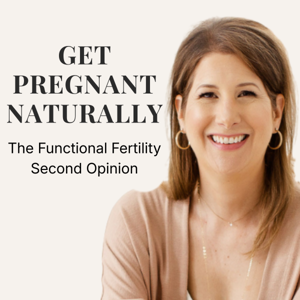

If your IVF transfer failed despite a good embryo, normal lining, and a smooth protocol, you may have been told it was "just bad luck."
But failed implantation with a euploid or high-quality embryo is not random. It often means key biological factors were never fully evaluated before the transfer.
You followed the plan. The embryo looked good. The lining was "fine." And it still didn't work.
This is where many people get stuck. Not because there are no answers, but because no one stepped back to assess the full picture before repeating another transfer.
In this episode, we break down why embryo quality alone does not determine implantation and what is often missed when a transfer fails.
In this episode, you'll learn:
I'm Sarah Clark, founder of Fab Fertile and host of Get Pregnant Naturally. For over a decade, my team and I have reviewed hundreds of low AMH and failed IVF cases using functional testing alongside conventional fertility care. We specialize in helping couples identify the physiological patterns driving poor outcomes so decisions are grounded in interpretation, not guesswork.
If you've been moving from cycle to cycle without a clear way to evaluate what's actually been addressed, I created a free resource called the Embryo Audit Checklist. It helps you organize past cycles and labs so you can see what's been looked at and what may not have been considered yet. Access it here.
👉 Start with a Functional Fertility Second Opinion If you want an expert review of your labs, IVF history, and full health picture to identify missed patterns, this is the smartest first step before another cycle.
Learn more and apply here.
---
Timestamps
00:00 Failed IVF transfer with a good embryo 01:00 Why embryo quality doesn't guarantee implantation 02:00 Implantation is embryo + endometrium signaling 03:00 Uterine environment and implantation success 04:30 Ferritin, oxygen delivery, and implantation failure 06:00 Thyroid function and endometrial receptivity 07:30 Inflammation and immune response in implantation 09:00 Progesterone timing and implantation window 10:30 Nervous system, stress, and hormone regulation 11:30 What to review before your next embryo transfer
 View all episodes
 By Sarah Clark

4.6
103103 ratings
If your IVF transfer failed despite a good embryo, normal lining, and a smooth protocol, you may have been told it was "just bad luck."
But failed implantation with a euploid or high-quality embryo is not random. It often means key biological factors were never fully evaluated before the transfer.
You followed the plan. The embryo looked good. The lining was "fine." And it still didn't work.
This is where many people get stuck. Not because there are no answers, but because no one stepped back to assess the full picture before repeating another transfer.
In this episode, we break down why embryo quality alone does not determine implantation and what is often missed when a transfer fails.
In this episode, you'll learn:
I'm Sarah Clark, founder of Fab Fertile and host of Get Pregnant Naturally. For over a decade, my team and I have reviewed hundreds of low AMH and failed IVF cases using functional testing alongside conventional fertility care. We specialize in helping couples identify the physiological patterns driving poor outcomes so decisions are grounded in interpretation, not guesswork.
If you've been moving from cycle to cycle without a clear way to evaluate what's actually been addressed, I created a free resource called the Embryo Audit Checklist. It helps you organize past cycles and labs so you can see what's been looked at and what may not have been considered yet. Access it here.
👉 Start with a Functional Fertility Second Opinion If you want an expert review of your labs, IVF history, and full health picture to identify missed patterns, this is the smartest first step before another cycle.
Learn more and apply here.
---
Timestamps
00:00 Failed IVF transfer with a good embryo 01:00 Why embryo quality doesn't guarantee implantation 02:00 Implantation is embryo + endometrium signaling 03:00 Uterine environment and implantation success 04:30 Ferritin, oxygen delivery, and implantation failure 06:00 Thyroid function and endometrial receptivity 07:30 Inflammation and immune response in implantation 09:00 Progesterone timing and implantation window 10:30 Nervous system, stress, and hormone regulation 11:30 What to review before your next embryo transfer

796 Listeners

1,366 Listeners

2,346 Listeners

14,964 Listeners
245 Listeners
1,108 Listeners

677 Listeners
289 Listeners

14,719 Listeners

1,561 Listeners
93 Listeners

175 Listeners

1,412 Listeners

45 Listeners

143 Listeners