
Sign up to save your podcasts
Or

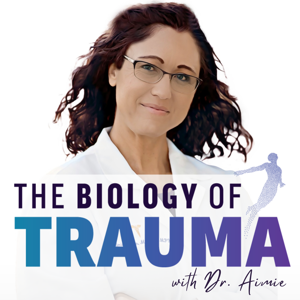

What if the habit you've been trying to break is actually how you learned to survive?
It's January. You've made the resolution. This year will be different. You start strong. First week goes well. By February, you're back where you started. Maybe feeling worse because now you've added shame to the pile.
I share about Rachel, a 42-year-old marketing director. She tried everything to stop late-night eating. Willpower. Mantras. Accountability apps. Nothing worked for more than a few weeks. When I asked what she felt right before reaching for food, she'd never thought about it. That knot in her stomach? It went away when she ate. Her nervous system had found a way to keep emotions manageable.
This wasn't about the food. It was about how she was getting through life.
In this episode you'll hear more about:
It is never about the behavior. The behavior is the downstream effect. When we understand this, we can work with our biology instead of against it.
Resources/Guides:🎙️ Check out this week's main episode, Episode 154: The Biology of Burnout (Part 2): What Understanding Can't Do
💭 Try this practice this week: Before you reach for that habit you're trying to break, pause. Ask yourself: "What am I feeling in my body right now? What is this survival strategy helping me avoid?"
Leave a review on Apple Podcasts, Spotify, or YouTube. It helps others find trauma-informed care.
 View all episodes
 By Dr. Aimie Apigian

4.8
215215 ratings
What if the habit you've been trying to break is actually how you learned to survive?
It's January. You've made the resolution. This year will be different. You start strong. First week goes well. By February, you're back where you started. Maybe feeling worse because now you've added shame to the pile.
I share about Rachel, a 42-year-old marketing director. She tried everything to stop late-night eating. Willpower. Mantras. Accountability apps. Nothing worked for more than a few weeks. When I asked what she felt right before reaching for food, she'd never thought about it. That knot in her stomach? It went away when she ate. Her nervous system had found a way to keep emotions manageable.
This wasn't about the food. It was about how she was getting through life.
In this episode you'll hear more about:
It is never about the behavior. The behavior is the downstream effect. When we understand this, we can work with our biology instead of against it.
Resources/Guides:🎙️ Check out this week's main episode, Episode 154: The Biology of Burnout (Part 2): What Understanding Can't Do
💭 Try this practice this week: Before you reach for that habit you're trying to break, pause. Ask yourself: "What am I feeling in my body right now? What is this survival strategy helping me avoid?"
Leave a review on Apple Podcasts, Spotify, or YouTube. It helps others find trauma-informed care.
3,940 Listeners
817 Listeners
542 Listeners
683 Listeners

1,847 Listeners
2,503 Listeners

1,541 Listeners
715 Listeners

9,242 Listeners

2,506 Listeners
441 Listeners
282 Listeners
345 Listeners

1,855 Listeners

346 Listeners