
Sign up to save your podcasts
Or



Based on Podcast App listening data
In this replay episode host Monique Koven speaks with self-compassion researcher Kristin Neff about applying self-compassion to complex and developmental trauma. Neff explains how tender care and fierce boundary-setting work together, shares practical grounding and self-compassion exercises, and discusses why painful reactions during practice can be normal.
Resources mentioned Self-Compassion — Kristin Neff’s book https://link.amazon/B0dnu4r2a
In this rerelease conversation, returning guest therapist & author Deb Dana answers your questions. Deb delves into the Polyvagal Theory, explaining its significance in understanding the autonomic nervous system and its impact on our daily experiences. She discusses the hierarchy of the nervous system, the importance of co-regulation, and the process of befriending one's nervous system. The conversation also addresses the challenges of building capacity in a reactive system, practicing regulating tools, and navigating anxiety. She also emphasizes the need for safe connections and the role of attachment and boundaries in our relationships, providing insights into how to reshape our nervous systems for better emotional health.
takeaways
Deb Dana's Books & Resources:
Anchored: How to Befriend Your Nervous System Using Polyvagal Theory https://amzn.to/3GSm8Lj
Polyvagal Practices: Anchoring the Self in Safety https://amzn.to/4515qBj
The Nervous System Workbook: Practical Exercises to Ease Anxiety, Find Safety, and Come Home to Yourself Using Polyvagal Theory https://amzn.to/4mdNzOw
Polyvagal Card Deck: 58 Practices for Calm and Change https://amzn.to/3TZkw5m
Polyvagal Exercises for Therapists and Clients: 50 Client-Centered Practices https://amzn.to/4lYl4oc
https://www.rhythmofregulation.com/
In this replay episode, Monique speaks with therapist and author Jenna Riemersma about Internal Family Systems, or IFS, and a compassionate way to work with the wounded parts of ourselves. Jenna explains why healing often starts by moving toward what we usually want to avoid, and how that shift can reduce shame, increase self-understanding, and create real internal change.They also discuss the difference between burdened parts and core self, how protective “wall” parts operate, and why healthy boundaries come from self rather than reactivity. Jenna shares a simple three-step practice called move toward: notice, know, and need.
Jenna's books:
Altogether You: Experiencing personal and spiritual transformation with Internal Family Systems therapy https://amzn.to/4y7KLsv
Move Toward: A Simplified IFS Therapy Tool to Welcome All Parts of You https://amzn.to/45yy9OQ
In this mini episode, host Monique Koven explores the profound impact of attachment trauma, especially from caregivers who are frightening or unreliable. She discusses how these early experiences shape our nervous system, influence our relationships, and how understanding these patterns can foster self-compassion and healing.
All New Episode With Dr. Lindsay Gibson
You Can Be The Mother You Needed : In this brand new episode, Dr. Lindsay Gibson shares her groundbreaking approach to parenting, emphasizing the importance of understanding emotional maturity in children and how to foster it. Monique and Lindsay explore the dynamics of emotional immaturity, how past traumas affect parenting styles, and practical mindsets that nurture resilient, emotionally aware kids.
About our guest: Dr. Lindsay Gibson is a clinical psychologist and bestselling author of a number of books, including Adult Children of Emotionally Immature Parents and her new book, How to Raise an Emotionally Mature Child.
What you'll discover in this conversation:
The core differences between emotionally mature and immature parents
childhood trauma and early attachment influence parenting
The concept of emotional needs: contact, soothing, proximity
The significance of seeing children as real inside with their own inner worlds
The importance of protective parenting and setting a safe emotional foundation
The seven mindsets that underpin emotionally intelligent parenting
Strategies to help children develop internal representations of their world
How to respond to children's behavior as a form of communication
The role of empathy and sensitivity in emotional development
Practical ways to show children they are understood, safe, and valued
Order Lindsay Gibson's new book "How to Raise an Emotionally Mature Child ;
https://amzn.to/3SBLySE
Watch The Full Episode https://youtu.be/c0iuE9szrJA?si=F8uuxa5B6lw-RdRL
In this replay conversation, my guest renowned trauma expert Dr. Janina Fisher discusses her model TIST (Trauma Informed Stabilization Treatment) and the concept of the living legacy of trauma, emphasizing how trauma's effects persist in the body and mind beyond past events. She explores dissociation, fragmentation, and practical approaches to healing trauma by addressing these living legacies.Healing the Fragmented Selves of Trauma Survivors: Overcoming Internal Self-Alienation
Janina's Books
Healing the Fragmented Selves of Trauma Survivors: Overcoming Internal Self-Alienation https://amzn.to/4uyDtMy
Transforming The Living Legacy of Trauma: A Workbook for Survivors and Therapists https://amzn.to/4dbcHCC
Embracing Our Fragmented Selves: A Workbook for Trauma Survivors and Therapists https://amzn.to/4cWI4Ci
https://janinafisher.com/
In this replay interview, trauma expert Kathy Steele explores the complex world of dissociation, trauma, and mental health. She discusses different types of dissociation, the development of self, and practical strategies for healing and integration.
Books:
Treating Trauma-Related Dissociation: A Practical, Integrative Approach (Norton Series on Interpersonal Neurobiology) https://amzn.to/4f0KPUA
Coping with Trauma-Related Dissociation: Skills Training for Patients and Therapists (Norton Series on Interpersonal Neurobiology) https://amzn.to/49JG7XC
Trauma-Related Dissociation Two-Book Set https://amzn.to/4tSvCsq
Kathy's website: https://www.kathy-steele.com/
In this replay episode, Dr. Lindsay Gibson is back just in time for Mother's Day.
About our Guest: Dr. Lindsay Gibson is a clinical psychologist and the author of the Emotional Immaturity series of books, including her bestseller Adult Children of Emotionally Immature Parents.
In this conversation, Monique and Lindsay discuss the complexities of navigating Mother's Day emotions, particularly for those with emotionally immature parents. They explore the conflicting feelings of grief and obligation, the importance of self-validation, and practical tips for managing relationships during this challenging time. The discussion emphasizes the need for self-care and reconnecting with one's true self to foster personal growth and healing.
Takeaways
Adult children of Emotionally Immature Parents
https://amzn.to/4kpLu1l
Recovering from Emotionally Immature Parents: Practical Tools to Establish Boundaries and Reclaim Your Emotional Autonomy
https://amzn.to/42YKdHg
Self-Care for Adult Children of Emotionally Immature Parents: Honor Your Emotions, Nurture Your Self, and Live with Confidence
https://amzn.to/3RTG6XX
Disentangling from Emotionally Immature People: Avoid Emotional Traps, Stand Up for Your Self, and Transform Your Relationships as an Adult Child of Emotionally Immature Parents
https://amzn.to/44qhHRo
Connect with Monique on IG https://www.instagram.com/thehealingtraumapodcast/
In this replay conversation, host Monique Koven is chatting with trauma therapist and author Michelle Mays. They discuss the concept of betrayal trauma, its connection to attachment theory, and how childhood trauma influences adult relationships. Michelle explains the importance of understanding betrayal trauma as a relational issue and outlines the three trauma traps that betrayed partners often face: fear of loss, shame, and powerlessness. She also introduces her six phases of healing, emphasizing that healing is a complex, non-linear process that requires individuals to confront their fears and engage in deep emotional work.
Michelle's Books & Resources:
The Betrayal Bind: How to Heal When the Person You Love the Most Hurts You the Worst
https://amzn.to/3Z6P8Ve
The Aftermath of Betrayal https://amzn.to/4qOveKR
When It All Breaks Bad: 10 Things To Do (And Not Do) After Betrayal https://amzn.to/3ZDwBQi
Michelle's Website: https://michellemays.com/
In this replay conversation, therapist and author Elizabeth Earnshaw discusses the challenges faced by trauma survivors in relationships, particularly the need for understanding and effective communication with partners. She emphasizes the importance of empathy, active listening, and creating a safe space for sharing experiences. She also provides strategies for expressing needs to partners and navigating situations where partners may struggle to understand or respond appropriately. The conversation highlights the significance of persistence in communication and the potential for healing through supportive relationships.
takeaways
Liz's book:
Til Stress Do Us Part: How to Heal the #1 Issue in Our Relationships
https://amzn.to/4bvmjY3
Website:https://elizabethearnshaw.com/
From the publisher's feed
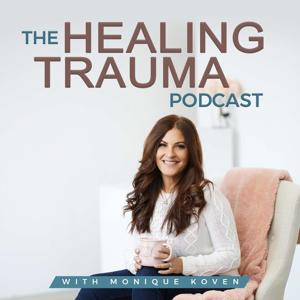
Everyone deserves to be seen, soothed, and understood. This podcast is here to light your path on the healing journey, offering empathy and hope along the way. Through conversations with trauma…
Disclaimer: This podcast is for information purposes only and should not be considered as legal advice.This podcast is not intended to replace professional medical and mental health advice. Guest view's do not necessarily reflect that of the host or podcast. As an amazon affiliate, when you make a purchase, I receive a tiny amount.
Ranked by our users in the last 21 days
681 Listeners
1,408 Listeners
2,512 Listeners
1,383 Listeners

606 Listeners

1,529 Listeners
279 Listeners
783 Listeners
584 Listeners
364 Listeners

1,849 Listeners

18,907 Listeners

339 Listeners
222 Listeners
294 Listeners