
Sign up to save your podcasts
Or

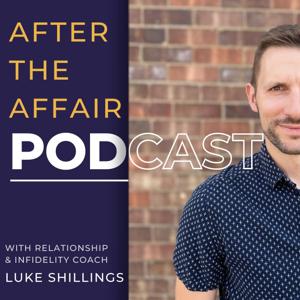

Episode Summary / Show notes:
One of the most frightening questions a betrayed partner can ask isn't:
"Why did they do it?"
Or even:
"Can I trust them again?"
It's this:
What if they never change?
What if the progress stops here?
What if the conversations keep going in circles?
What if the accountability never fully arrives?
What if the relationship never becomes what you hope it could be?
In this episode of After the Affair, Luke explores the fear that sits beneath so much of the uncertainty after betrayal: the possibility that the person you're waiting on may never become the person you're hoping they'll be.
You'll discover how hope can quietly transform from a source of strength into a source of dependency, why many betrayed partners unknowingly tie their own healing to somebody else's growth, and how the sunk-cost fallacy can keep people emotionally invested long after they would otherwise have questioned their path.
Most importantly, this episode explores what becomes possible when you stop making your peace conditional on another person's transformation.
Because healing was never supposed to be a reward for their growth.
It was always meant to belong to you.
"Can you build a life, a sense of self, and a baseline of peace that exists independently of whether they ever fully become who you're hoping they'll become?"
Because if the answer is yes, your future is no longer being held hostage by somebody else's choices.
And if the answer is no, that isn't a failure.
It's simply important information about where your healing work may need to focus next.
✅ Hope is not the problem.
✅ Hope becomes problematic when it becomes the only thing holding the relationship together.
✅ Many betrayed partners unknowingly attach their future wellbeing to another person's growth.
✅ Waiting for change can become a way of avoiding difficult truths.
✅ The sunk-cost fallacy doesn't just affect money—it affects relationships too.
✅ Time invested does not automatically mean more time should be invested.
✅ Your healing and your partner's healing are two separate processes.
✅ Grief and commitment can coexist.
✅ You can work on a relationship whilst grieving the version you hoped it would become.
✅ Emotional stability becomes much stronger when it's built on your own choices rather than someone else's transformation.
After betrayal, it's natural to want reassurance that the pain, effort, and uncertainty will eventually lead somewhere meaningful.
Many people find themselves waiting for evidence that their partner's growth will justify their decision to stay.
But what happens when that change is slow?
Inconsistent?
Or uncertain?
This episode explores the emotional cost of making your peace dependent on another person's progress and why true healing often begins when you reclaim ownership of your own future.
Because the goal isn't to stop wanting the relationship to work.
The goal is to stop needing it to work in order to be okay.
If you're struggling with the uncertainty that follows betrayal and want support rebuilding trust, emotional stability, and confidence in your own decisions, Luke offers both private coaching and community support.
https://www.lifecoachluke.com
https://www.instagram.com/lifecoachluke
https://www.facebook.com/groups/aftertheaffair
The After the Affair Collective is a supportive community designed specifically for betrayed partners who want practical tools, emotional support, and guidance as they navigate recovery after infidelity.
Inside you'll find:
https://www.lifecoachluke.com
Please consider following the podcast, leaving a rating or review, and sharing this episode with someone who may need to hear it.
Your support helps more people find hope, clarity, and direction after betrayal.
 View all episodes
 By Luke Shillings

4.7
2727 ratings
Episode Summary / Show notes:
One of the most frightening questions a betrayed partner can ask isn't:
"Why did they do it?"
Or even:
"Can I trust them again?"
It's this:
What if they never change?
What if the progress stops here?
What if the conversations keep going in circles?
What if the accountability never fully arrives?
What if the relationship never becomes what you hope it could be?
In this episode of After the Affair, Luke explores the fear that sits beneath so much of the uncertainty after betrayal: the possibility that the person you're waiting on may never become the person you're hoping they'll be.
You'll discover how hope can quietly transform from a source of strength into a source of dependency, why many betrayed partners unknowingly tie their own healing to somebody else's growth, and how the sunk-cost fallacy can keep people emotionally invested long after they would otherwise have questioned their path.
Most importantly, this episode explores what becomes possible when you stop making your peace conditional on another person's transformation.
Because healing was never supposed to be a reward for their growth.
It was always meant to belong to you.
"Can you build a life, a sense of self, and a baseline of peace that exists independently of whether they ever fully become who you're hoping they'll become?"
Because if the answer is yes, your future is no longer being held hostage by somebody else's choices.
And if the answer is no, that isn't a failure.
It's simply important information about where your healing work may need to focus next.
✅ Hope is not the problem.
✅ Hope becomes problematic when it becomes the only thing holding the relationship together.
✅ Many betrayed partners unknowingly attach their future wellbeing to another person's growth.
✅ Waiting for change can become a way of avoiding difficult truths.
✅ The sunk-cost fallacy doesn't just affect money—it affects relationships too.
✅ Time invested does not automatically mean more time should be invested.
✅ Your healing and your partner's healing are two separate processes.
✅ Grief and commitment can coexist.
✅ You can work on a relationship whilst grieving the version you hoped it would become.
✅ Emotional stability becomes much stronger when it's built on your own choices rather than someone else's transformation.
After betrayal, it's natural to want reassurance that the pain, effort, and uncertainty will eventually lead somewhere meaningful.
Many people find themselves waiting for evidence that their partner's growth will justify their decision to stay.
But what happens when that change is slow?
Inconsistent?
Or uncertain?
This episode explores the emotional cost of making your peace dependent on another person's progress and why true healing often begins when you reclaim ownership of your own future.
Because the goal isn't to stop wanting the relationship to work.
The goal is to stop needing it to work in order to be okay.
If you're struggling with the uncertainty that follows betrayal and want support rebuilding trust, emotional stability, and confidence in your own decisions, Luke offers both private coaching and community support.
https://www.lifecoachluke.com
https://www.instagram.com/lifecoachluke
https://www.facebook.com/groups/aftertheaffair
The After the Affair Collective is a supportive community designed specifically for betrayed partners who want practical tools, emotional support, and guidance as they navigate recovery after infidelity.
Inside you'll find:
https://www.lifecoachluke.com
Please consider following the podcast, leaving a rating or review, and sharing this episode with someone who may need to hear it.
Your support helps more people find hope, clarity, and direction after betrayal.
498 Listeners
405 Listeners
749 Listeners

388 Listeners
1,432 Listeners
204 Listeners

27,775 Listeners

442 Listeners

195 Listeners

363 Listeners
197 Listeners

1,068 Listeners

19,524 Listeners
58 Listeners

65 Listeners