
Sign up to save your podcasts
Or

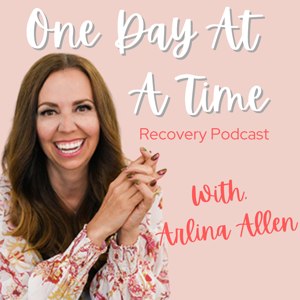

I recently sat down with my dear friend and author, John Loxley to discuss the fundamentals of sobriety. John is 15 years sober and works in mental health services in the UK.
We weren't talking about shiny breakthroughs or dramatic transformations. We were talking about the basics — the things that quietly keep sobriety intact, year after year.
Because here's the truth: most people don't relapse because they don't know enough. They relapse because they slowly stop doing the things that keep them emotionally regulated, supported, and self-aware.
This episode was a reminder of what really matters.
Lesson #1: Early Sobriety Is a Learning Phase — Listening Matters
One of the first things we talked about was listening.
When people are new to sobriety, there's often a strong urge to explain themselves, justify their story, or be understood. I remember feeling that way myself — desperate to make sure someone got me.
But recovery starts to shift when listening becomes the priority.
Listening to people who've been there. Listening to patterns. Listening instead of reacting.
There's a time to talk — especially with sponsors, therapists, or trusted friends — but meetings and early recovery spaces are often best used as classrooms, not stages.
Takeaway: You don't need to have the answers. You just need to be willing to learn.
Lesson #2: You Can't Do Sobriety Alone (No Matter How Independent You Are)
A lot of people want to get sober "on their own." Not because they're lazy — but because they're private, capable, or burned by past systems.
But isolation is where addiction thrives.
Whether it's 12-step programs, SMART Recovery, therapy, coaching, or peer support — connection isn't optional. You don't need everyone. You need someone.
And just as important: those people aren't there to fix you. They're there to walk with you.
Lesson #3: Sobriety Has to Stay the Top Priority
This might be the most important lesson from the episode.
Anytime sobriety stops being the priority — even years in — things start to unravel. Not always dramatically. Often quietly.
You stop meditating. You stop checking in. You stop telling the truth. You stop doing the practices.
And slowly… your nervous system takes over.
John shared a powerful story about going on vacation, feeling great, and unintentionally leaving his recovery behind — only to realize how quickly emotional chaos can return when the practices stop.
Sobriety isn't something you "graduate" from. It's something you maintain.
Lesson #4: Identity Drives Behavior
One thing I'm passionate about is identity.
You're not trying to get sober. If you didn't drink today, you are sober.
Every sober action is a vote for the kind of person you're becoming.
Instead of obsessing over what's wrong with you, it can be incredibly powerful to ask:
Who do I admire?
What traits do they embody?
What small actions would reinforce those traits?
Sobriety is the foundation — not the finish line.
Lesson #5: Triggers Are Teachers (Even Though We Hate That)
We talked a lot about triggers — emotional reactions that feel bigger than the situation in front of us.
If a response feels disproportionate, it's almost always about the past.
Triggers aren't signs that you're failing. They're invitations to heal.
When something activates fear, shame, or rage, there's usually something unresolved underneath. And once you work through it — whether through therapy, journaling, EMDR, or self-inquiry — that trigger loses its grip.
There's often real growth hiding underneath discomfort.
Lesson #6: You Don't Need to Win — You Need to Understand
One of the most relatable moments in the conversation was about conflict.
Many of us learned early on that arguments are about winning. But there are no winners in emotional battles — only distance.
A simple shift like:
"Help me understand how you feel"
"This is what I'm hearing — is that right?"
can completely change the outcome of a conversation.
Feeling understood often dissolves the fight entirely.
Action Steps You Can Take This Week
If you want to apply what we talked about, start here:
Choose one daily recovery practice Meditation, journaling, meetings, movement — consistency matters more than intensity.
Check your priority list Ask honestly: Is sobriety still at the top — or has it slipped?
Identify one trigger When you feel emotionally hijacked, ask: What does this remind me of?
Clarify your identity Write down 5 character traits you want to embody — then choose one small daily action that supports them.
Strengthen accountability Make sure there's at least one person you can be fully honest with — without editing yourself.
Resources Mentioned in This Episode
12-Step Recovery Programs – For connection, structure, and accountability
SMART Recovery – A non-12-step alternative focused on tools and self-management
Atomic Habits by James Clear – Identity-based behavior change
Unwinding Anxiety by Dr. Judson Brewer – Understanding habit loops and emotional patterns
Meditation & Journaling – Daily practices for emotional regulation
EMDR Therapy – Trauma-focused healing for emotional triggers
Guest Contact Info:
👊🏼Need help applying this information to your own life?
Here are 3 ways to get started:
🎁Free Guide: 30 Tips for Your First 30 Days - With a printable PDF checklist
Grab your copy here: https://www.soberlifeschool.com
☎️Private Coaching: Make Sobriety Stick
https://www.makesobrietystick.com
Subscribe So You Don't Miss New Episodes!
Listen to the episode on Apple Podcasts, Spotify, or Amazon Music, or you can stream it from my website HERE. You can also watch the interview on YouTube.
https://www.youtube.com/@theonedayatatimepodcast?sub_confirmation=1
Apple: https://podcasts.apple.com/us/podcast/the-one-day-at-a-time-recovery-podcast/id1212504521
Spotify: https://open.spotify.com/show/4I23r7DBTpT8XwUUwHRNpB
Amazon Music: https://music.amazon.com/podcasts/a8eb438c-5af1-493b-99c1-f218e5553aff/the-one-day-at-a-time-recovery-podcast
 View all episodes
 By Arlina Allen

4.6
235235 ratings
I recently sat down with my dear friend and author, John Loxley to discuss the fundamentals of sobriety. John is 15 years sober and works in mental health services in the UK.
We weren't talking about shiny breakthroughs or dramatic transformations. We were talking about the basics — the things that quietly keep sobriety intact, year after year.
Because here's the truth: most people don't relapse because they don't know enough. They relapse because they slowly stop doing the things that keep them emotionally regulated, supported, and self-aware.
This episode was a reminder of what really matters.
Lesson #1: Early Sobriety Is a Learning Phase — Listening Matters
One of the first things we talked about was listening.
When people are new to sobriety, there's often a strong urge to explain themselves, justify their story, or be understood. I remember feeling that way myself — desperate to make sure someone got me.
But recovery starts to shift when listening becomes the priority.
Listening to people who've been there. Listening to patterns. Listening instead of reacting.
There's a time to talk — especially with sponsors, therapists, or trusted friends — but meetings and early recovery spaces are often best used as classrooms, not stages.
Takeaway: You don't need to have the answers. You just need to be willing to learn.
Lesson #2: You Can't Do Sobriety Alone (No Matter How Independent You Are)
A lot of people want to get sober "on their own." Not because they're lazy — but because they're private, capable, or burned by past systems.
But isolation is where addiction thrives.
Whether it's 12-step programs, SMART Recovery, therapy, coaching, or peer support — connection isn't optional. You don't need everyone. You need someone.
And just as important: those people aren't there to fix you. They're there to walk with you.
Lesson #3: Sobriety Has to Stay the Top Priority
This might be the most important lesson from the episode.
Anytime sobriety stops being the priority — even years in — things start to unravel. Not always dramatically. Often quietly.
You stop meditating. You stop checking in. You stop telling the truth. You stop doing the practices.
And slowly… your nervous system takes over.
John shared a powerful story about going on vacation, feeling great, and unintentionally leaving his recovery behind — only to realize how quickly emotional chaos can return when the practices stop.
Sobriety isn't something you "graduate" from. It's something you maintain.
Lesson #4: Identity Drives Behavior
One thing I'm passionate about is identity.
You're not trying to get sober. If you didn't drink today, you are sober.
Every sober action is a vote for the kind of person you're becoming.
Instead of obsessing over what's wrong with you, it can be incredibly powerful to ask:
Who do I admire?
What traits do they embody?
What small actions would reinforce those traits?
Sobriety is the foundation — not the finish line.
Lesson #5: Triggers Are Teachers (Even Though We Hate That)
We talked a lot about triggers — emotional reactions that feel bigger than the situation in front of us.
If a response feels disproportionate, it's almost always about the past.
Triggers aren't signs that you're failing. They're invitations to heal.
When something activates fear, shame, or rage, there's usually something unresolved underneath. And once you work through it — whether through therapy, journaling, EMDR, or self-inquiry — that trigger loses its grip.
There's often real growth hiding underneath discomfort.
Lesson #6: You Don't Need to Win — You Need to Understand
One of the most relatable moments in the conversation was about conflict.
Many of us learned early on that arguments are about winning. But there are no winners in emotional battles — only distance.
A simple shift like:
"Help me understand how you feel"
"This is what I'm hearing — is that right?"
can completely change the outcome of a conversation.
Feeling understood often dissolves the fight entirely.
Action Steps You Can Take This Week
If you want to apply what we talked about, start here:
Choose one daily recovery practice Meditation, journaling, meetings, movement — consistency matters more than intensity.
Check your priority list Ask honestly: Is sobriety still at the top — or has it slipped?
Identify one trigger When you feel emotionally hijacked, ask: What does this remind me of?
Clarify your identity Write down 5 character traits you want to embody — then choose one small daily action that supports them.
Strengthen accountability Make sure there's at least one person you can be fully honest with — without editing yourself.
Resources Mentioned in This Episode
12-Step Recovery Programs – For connection, structure, and accountability
SMART Recovery – A non-12-step alternative focused on tools and self-management
Atomic Habits by James Clear – Identity-based behavior change
Unwinding Anxiety by Dr. Judson Brewer – Understanding habit loops and emotional patterns
Meditation & Journaling – Daily practices for emotional regulation
EMDR Therapy – Trauma-focused healing for emotional triggers
Guest Contact Info:
👊🏼Need help applying this information to your own life?
Here are 3 ways to get started:
🎁Free Guide: 30 Tips for Your First 30 Days - With a printable PDF checklist
Grab your copy here: https://www.soberlifeschool.com
☎️Private Coaching: Make Sobriety Stick
https://www.makesobrietystick.com
Subscribe So You Don't Miss New Episodes!
Listen to the episode on Apple Podcasts, Spotify, or Amazon Music, or you can stream it from my website HERE. You can also watch the interview on YouTube.
https://www.youtube.com/@theonedayatatimepodcast?sub_confirmation=1
Apple: https://podcasts.apple.com/us/podcast/the-one-day-at-a-time-recovery-podcast/id1212504521
Spotify: https://open.spotify.com/show/4I23r7DBTpT8XwUUwHRNpB
Amazon Music: https://music.amazon.com/podcasts/a8eb438c-5af1-493b-99c1-f218e5553aff/the-one-day-at-a-time-recovery-podcast
1,714 Listeners
2,222 Listeners
627 Listeners

2,564 Listeners

510 Listeners
436 Listeners

721 Listeners
1,264 Listeners
185 Listeners

360 Listeners

1,092 Listeners
618 Listeners

202 Listeners

221 Listeners

67 Listeners