
Sign up to save your podcasts
Or

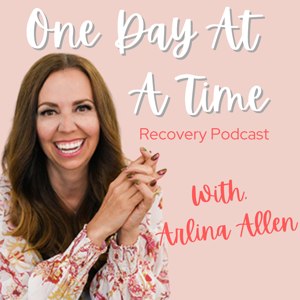

Can I Moderate? Why This Question Matters More Than We Talk About
For most of my recovery journey, I held a pretty firm belief:
If you're questioning your drinking, the answer is probably abstinence.
That belief came from both lived experience, as well as observing other people who struggle with alcohol.
Personally, I never drank normally. From the very first drink, the switch flipped on—and it stayed on. I hit a hard bottom early, and after years of trying to moderate, the answer for me was clear: I could not moderate. As it turned out, for me abstinence meant freedom.
And still… Over time, something softened in me.
Not because I changed my relationship with alcohol—but because I started listening more closely to other people's experiences.
The Question Everyone Has to Answer for ThemselvesI've come to believe this: "Can I moderate?" is not a denial question. It's a developmental one.
For many people, it's the pivot point of their entire recovery journey.
Some people answer it quickly. Some answer it painfully. Some don't answer it until years—sometimes decades—later.
But skipping the question doesn't make it disappear.
And that's why my conversation with Nick Allen, CEO and co-founder of Sunnyside, felt so important.
Nick grew up in an AA household. Both of his parents are in long-term recovery. He understands abstinence deeply—and still, his own relationship with alcohol took a different path. Instead of waiting for a crisis, he began asking a quieter question early on:
What does a healthy relationship with alcohol look like for me—right now?
That question eventually became Sunnyside: a platform designed to help people explore change before things fall apart.
The Missing MiddleHere's the reality I see again and again:
Most people are offered two options:
Figure it out
Quit forever
And when those are the only choices on the table, a huge number of people choose to keep trying to figure it out.
Not because they're reckless. Not because they don't care. But because abstinence can feel overwhelming, stigmatizing, or premature—especially for people who are still functioning "well enough."
Research suggests there's often a 10-year gap between when alcohol becomes a problem and when someone seeks help.
Ten years.
Think about what happens in ten years:
Careers strained
Health eroded
Relationships damaged
Kids absorbing instability they can't name yet
Waiting is not neutral.
Why Willpower Isn't the AnswerOne thing Nick and I aligned on immediately: Willpower is a terrible long-term strategy.
Willpower is finite. It's lowest at the exact moments people need it most:
After a long day
During stress
At the witching hour (5–7pm)
On Fridays when it's "been a week"
Sunnyside takes a different approach:
Decisions are made ahead of time, when clarity is high
Habits are supported with structure, not shame
Accountability is externalized, not moralized
This is how real behavior change works.
A Word About Naltrexone (And Nuance)We also talked openly about naltrexone, a medication that's been FDA-approved for decades to help reduce alcohol cravings.
Here's what matters:
It doesn't make people sick
It doesn't require abstinence
It reduces the reward loop that drives compulsive drinking
I've had clients use it successfully—particularly high-functioning people who struggled with the "off switch," not daily drinking.
But for people earlier in the process—people quietly wondering, "Is this still working for me?"—tools like this can interrupt years of silent suffering.
Language Matters More Than We ThinkOne of the most powerful parts of this conversation was about vocabulary.
Words like addict, alcoholic, relapse, recovery—they carry weight. For some people, they offer clarity and belonging. For others, they create shame, fear, and avoidance.
If the language feels too heavy, people wait.
Sunnyside intentionally avoids labels and instead talks about:
Alcohol overuse
Habit change
Awareness
Experimentation
That shift alone can make change feel possible.
Where I Land NowI'm still sober and have no desire to drink again. I still believe abstinence is the right path for most people who struggle with alcohol. And I also believe we need earlier, gentler, more honest entry points into change.
The goal of sobriety—or moderation, or reduction—isn't the absence of alcohol.
It's:
Freedom
Health
Presence
A life that actually works
If someone can get there sooner, with less damage along the way, I'm all for it.
Action Steps
If this resonated, here are a few grounded next steps:
Ask the question honestly Is alcohol adding to my life—or quietly taking from it?
Move from judgment to curiosity You don't need a label to run an experiment.
Plan ahead of cravings Decisions made in advance beat willpower every time.
Seek support early Coaching, tracking, community, and medical tools are preventative—not last resorts.
Protect what already works If abstinence is serving you, honor that. No need to second-guess stability.
Resources
Sunnyside: https://www.sunnyside.co/arlina
Sunnyside Med (Naltrexone access)
NIH research on alcohol use disorder and treatment gaps
AA and abstinence-based recovery programs (for those who already know)
If you're listening to this podcast, reading this post, or even asking the question quietly to yourself—you're already earlier than most.
And earlier matters.
Guest Contact Info: https://get.sunnyside.co/arlina
👊🏼Need help applying this information to your own life?
Here are 3 ways to get started:
🎁Free Guide: 30 Tips for Your First 30 Days - With a printable PDF checklist
Grab your copy here: https://www.soberlifeschool.com
☎️Private Coaching: Make Sobriety Stick
https://www.makesobrietystick.com
Subscribe So You Don't Miss New Episodes!
Listen to the episode on Apple Podcasts, Spotify, or Amazon Music, or you can stream it from my website HERE. You can also watch the interview on YouTube.
https://www.youtube.com/@theonedayatatimepodcast?sub_confirmation=1
Apple: https://podcasts.apple.com/us/podcast/the-one-day-at-a-time-recovery-podcast/id1212504521
Spotify: https://open.spotify.com/show/4I23r7DBTpT8XwUUwHRNpB
Amazon Music: https://music.amazon.com/podcasts/a8eb438c-5af1-493b-99c1-f218e5553aff/the-one-day-at-a-time-recovery-podcast
 View all episodes
 By Arlina Allen

4.6
235235 ratings
Can I Moderate? Why This Question Matters More Than We Talk About
For most of my recovery journey, I held a pretty firm belief:
If you're questioning your drinking, the answer is probably abstinence.
That belief came from both lived experience, as well as observing other people who struggle with alcohol.
Personally, I never drank normally. From the very first drink, the switch flipped on—and it stayed on. I hit a hard bottom early, and after years of trying to moderate, the answer for me was clear: I could not moderate. As it turned out, for me abstinence meant freedom.
And still… Over time, something softened in me.
Not because I changed my relationship with alcohol—but because I started listening more closely to other people's experiences.
The Question Everyone Has to Answer for ThemselvesI've come to believe this: "Can I moderate?" is not a denial question. It's a developmental one.
For many people, it's the pivot point of their entire recovery journey.
Some people answer it quickly. Some answer it painfully. Some don't answer it until years—sometimes decades—later.
But skipping the question doesn't make it disappear.
And that's why my conversation with Nick Allen, CEO and co-founder of Sunnyside, felt so important.
Nick grew up in an AA household. Both of his parents are in long-term recovery. He understands abstinence deeply—and still, his own relationship with alcohol took a different path. Instead of waiting for a crisis, he began asking a quieter question early on:
What does a healthy relationship with alcohol look like for me—right now?
That question eventually became Sunnyside: a platform designed to help people explore change before things fall apart.
The Missing MiddleHere's the reality I see again and again:
Most people are offered two options:
Figure it out
Quit forever
And when those are the only choices on the table, a huge number of people choose to keep trying to figure it out.
Not because they're reckless. Not because they don't care. But because abstinence can feel overwhelming, stigmatizing, or premature—especially for people who are still functioning "well enough."
Research suggests there's often a 10-year gap between when alcohol becomes a problem and when someone seeks help.
Ten years.
Think about what happens in ten years:
Careers strained
Health eroded
Relationships damaged
Kids absorbing instability they can't name yet
Waiting is not neutral.
Why Willpower Isn't the AnswerOne thing Nick and I aligned on immediately: Willpower is a terrible long-term strategy.
Willpower is finite. It's lowest at the exact moments people need it most:
After a long day
During stress
At the witching hour (5–7pm)
On Fridays when it's "been a week"
Sunnyside takes a different approach:
Decisions are made ahead of time, when clarity is high
Habits are supported with structure, not shame
Accountability is externalized, not moralized
This is how real behavior change works.
A Word About Naltrexone (And Nuance)We also talked openly about naltrexone, a medication that's been FDA-approved for decades to help reduce alcohol cravings.
Here's what matters:
It doesn't make people sick
It doesn't require abstinence
It reduces the reward loop that drives compulsive drinking
I've had clients use it successfully—particularly high-functioning people who struggled with the "off switch," not daily drinking.
But for people earlier in the process—people quietly wondering, "Is this still working for me?"—tools like this can interrupt years of silent suffering.
Language Matters More Than We ThinkOne of the most powerful parts of this conversation was about vocabulary.
Words like addict, alcoholic, relapse, recovery—they carry weight. For some people, they offer clarity and belonging. For others, they create shame, fear, and avoidance.
If the language feels too heavy, people wait.
Sunnyside intentionally avoids labels and instead talks about:
Alcohol overuse
Habit change
Awareness
Experimentation
That shift alone can make change feel possible.
Where I Land NowI'm still sober and have no desire to drink again. I still believe abstinence is the right path for most people who struggle with alcohol. And I also believe we need earlier, gentler, more honest entry points into change.
The goal of sobriety—or moderation, or reduction—isn't the absence of alcohol.
It's:
Freedom
Health
Presence
A life that actually works
If someone can get there sooner, with less damage along the way, I'm all for it.
Action Steps
If this resonated, here are a few grounded next steps:
Ask the question honestly Is alcohol adding to my life—or quietly taking from it?
Move from judgment to curiosity You don't need a label to run an experiment.
Plan ahead of cravings Decisions made in advance beat willpower every time.
Seek support early Coaching, tracking, community, and medical tools are preventative—not last resorts.
Protect what already works If abstinence is serving you, honor that. No need to second-guess stability.
Resources
Sunnyside: https://www.sunnyside.co/arlina
Sunnyside Med (Naltrexone access)
NIH research on alcohol use disorder and treatment gaps
AA and abstinence-based recovery programs (for those who already know)
If you're listening to this podcast, reading this post, or even asking the question quietly to yourself—you're already earlier than most.
And earlier matters.
Guest Contact Info: https://get.sunnyside.co/arlina
👊🏼Need help applying this information to your own life?
Here are 3 ways to get started:
🎁Free Guide: 30 Tips for Your First 30 Days - With a printable PDF checklist
Grab your copy here: https://www.soberlifeschool.com
☎️Private Coaching: Make Sobriety Stick
https://www.makesobrietystick.com
Subscribe So You Don't Miss New Episodes!
Listen to the episode on Apple Podcasts, Spotify, or Amazon Music, or you can stream it from my website HERE. You can also watch the interview on YouTube.
https://www.youtube.com/@theonedayatatimepodcast?sub_confirmation=1
Apple: https://podcasts.apple.com/us/podcast/the-one-day-at-a-time-recovery-podcast/id1212504521
Spotify: https://open.spotify.com/show/4I23r7DBTpT8XwUUwHRNpB
Amazon Music: https://music.amazon.com/podcasts/a8eb438c-5af1-493b-99c1-f218e5553aff/the-one-day-at-a-time-recovery-podcast
1,714 Listeners
2,232 Listeners
630 Listeners
2,566 Listeners
503 Listeners
433 Listeners
716 Listeners
1,255 Listeners
185 Listeners
355 Listeners
1,092 Listeners
617 Listeners
199 Listeners
219 Listeners
67 Listeners