
Sign up to save your podcasts
Or

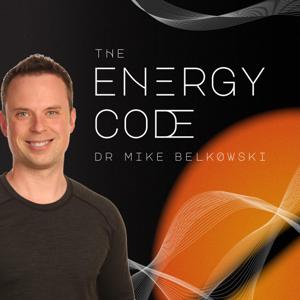

Most people think head trauma equals concussion. But there’s a silent thief that can ride along with blunt-force injury and steal something just as life-altering: vision.
In this Deep Dive, we break down traumatic optic neuropathy (TON): how shockwaves and shearing forces injure the optic nerve at a bony choke point (the optic canal), then trigger swelling, compartment-syndrome-like pressure, ischemia, and a vicious “cellular riot” that kills neighboring neurons in the days that follow. The brutal reality: traditional options like steroids, surgical decompression, or “observation” often lack strong evidence for reliably saving sight.
Then comes the twist. We review a 2025 peer-reviewed rat study (21-day follow-up) testing methylene blue (MB)immediately after optic nerve crush. MB acts like an electron “bypass road” in the mitochondrial chain, helping keep ATP online when parts of the system are damaged, while also inhibiting the trauma-driven iNOS nitric-oxide flood that creates destructive peroxynitrite. Functionally, the study shows striking preservation of retinal signaling and retinal ganglion cell function, suggesting that immediate metabolic support may blunt secondary degeneration during the “golden window” after injury.
-
Article Discussed in Episode:
Neuroprotective Effect of Methylene Blue in a Rat Model of Traumatic Optic Neuropathy
-
Key Quotes From Dr. Mike:
“There’s a silent thief that often rides shotgun with these head injuries… your vision.”
“The optic nerve… is basically the data cable connecting the camera of your eye to the hard drive of your brain.”
“Methylene blue… is for all intents and purposes, artificial respiration for the cell’s engine.”
“Methylene blue… can act like a temporary bypass road for the bucket brigade.”
“You support the energy, you save the structure, you save the function.”
-
Key points
TON can steal vision after blunt trauma even without a direct eye puncture; the optic nerve is a vulnerable “data cable” through a tight bony tunnel (optic canal).
The most devastating loss often comes from secondary degeneration: swelling inside the canal raises pressure, chokes blood flow (ischemia), and triggers a cascading “cellular riot.”
Standard care is frustratingly limited: steroids, decompression surgery, or observation are described as controversial with limited hard evidence of superiority.
There’s a “golden window” (roughly 14–30 days) where tissue is struggling but not fully dead—yet medicine lacks reliable tools to stop the cascade.
Methylene blue is not a random supplement: it’s on the World Health Organization list and has long clinical use (e.g., methemoglobinemia).
Mechanism #1: MB acts as an electron cycler, bypassing damaged complexes to keep electron flow and ATP production going during ischemic stress.
Mechanism #2: MB inhibits iNOS, helping shut down the runaway nitric-oxide surge that forms peroxynitrite, a highly destructive oxidant.
In the rat optic nerve crush model, MB given immediately (and repeated doses over 24 hours) produced major functional preservation on ERG measures (especially inner-retina processing signals) and strong evidence of retinal ganglion cell signal preservation, aligning with better structural survival at 21 days.
-
Episode timeline
1:38–3:38 — TON explained: vision loss after trauma + why medicine feels helpless; introduce MB as the twist
4:01–5:57 — The study: 2025 rat model, what they tested and why MB fits the Energy Code framework
6:11–10:52 — Mechanism and injury cascade: optic canal choke point → swelling → ischemia → secondary degeneration + “cellular riot”
11:07–14:45 — Incidence, current options (steroids/surgery/observation), and the golden window
15:15–20:55 — Why MB: WHO essential medicine, mitochondrial bypass + iNOS/NO “poison valve” control
21:34–24:49 — Methods: optic nerve crush model, groups, dosing (2 mg/kg), timing (0–24h dosing), 21-day follow-up
25:02–31:35 — Results: ERG recovery (B-wave, OPs) + PHNR “complete preservation” of RGC function
32:04–35:17 — Stress testing (pattern ERG) + histology cell counts confirm structure matches function
35:19–38:48 — Human relevance + practicality: animal-to-human caution, but shared mechanisms; preparedness framing + close/CTA
-
Dr. Mike's #1 recommendations:
Deuterium depleted water: Litewater (code: DRMIKE)
-
Stay up-to-date on social media:
Dr. Mike Belkowski:
BioLight:
Website
YouTube
 View all episodes
 By Dr. Mike Belkowski

4.8
124124 ratings
Most people think head trauma equals concussion. But there’s a silent thief that can ride along with blunt-force injury and steal something just as life-altering: vision.
In this Deep Dive, we break down traumatic optic neuropathy (TON): how shockwaves and shearing forces injure the optic nerve at a bony choke point (the optic canal), then trigger swelling, compartment-syndrome-like pressure, ischemia, and a vicious “cellular riot” that kills neighboring neurons in the days that follow. The brutal reality: traditional options like steroids, surgical decompression, or “observation” often lack strong evidence for reliably saving sight.
Then comes the twist. We review a 2025 peer-reviewed rat study (21-day follow-up) testing methylene blue (MB)immediately after optic nerve crush. MB acts like an electron “bypass road” in the mitochondrial chain, helping keep ATP online when parts of the system are damaged, while also inhibiting the trauma-driven iNOS nitric-oxide flood that creates destructive peroxynitrite. Functionally, the study shows striking preservation of retinal signaling and retinal ganglion cell function, suggesting that immediate metabolic support may blunt secondary degeneration during the “golden window” after injury.
-
Article Discussed in Episode:
Neuroprotective Effect of Methylene Blue in a Rat Model of Traumatic Optic Neuropathy
-
Key Quotes From Dr. Mike:
“There’s a silent thief that often rides shotgun with these head injuries… your vision.”
“The optic nerve… is basically the data cable connecting the camera of your eye to the hard drive of your brain.”
“Methylene blue… is for all intents and purposes, artificial respiration for the cell’s engine.”
“Methylene blue… can act like a temporary bypass road for the bucket brigade.”
“You support the energy, you save the structure, you save the function.”
-
Key points
TON can steal vision after blunt trauma even without a direct eye puncture; the optic nerve is a vulnerable “data cable” through a tight bony tunnel (optic canal).
The most devastating loss often comes from secondary degeneration: swelling inside the canal raises pressure, chokes blood flow (ischemia), and triggers a cascading “cellular riot.”
Standard care is frustratingly limited: steroids, decompression surgery, or observation are described as controversial with limited hard evidence of superiority.
There’s a “golden window” (roughly 14–30 days) where tissue is struggling but not fully dead—yet medicine lacks reliable tools to stop the cascade.
Methylene blue is not a random supplement: it’s on the World Health Organization list and has long clinical use (e.g., methemoglobinemia).
Mechanism #1: MB acts as an electron cycler, bypassing damaged complexes to keep electron flow and ATP production going during ischemic stress.
Mechanism #2: MB inhibits iNOS, helping shut down the runaway nitric-oxide surge that forms peroxynitrite, a highly destructive oxidant.
In the rat optic nerve crush model, MB given immediately (and repeated doses over 24 hours) produced major functional preservation on ERG measures (especially inner-retina processing signals) and strong evidence of retinal ganglion cell signal preservation, aligning with better structural survival at 21 days.
-
Episode timeline
1:38–3:38 — TON explained: vision loss after trauma + why medicine feels helpless; introduce MB as the twist
4:01–5:57 — The study: 2025 rat model, what they tested and why MB fits the Energy Code framework
6:11–10:52 — Mechanism and injury cascade: optic canal choke point → swelling → ischemia → secondary degeneration + “cellular riot”
11:07–14:45 — Incidence, current options (steroids/surgery/observation), and the golden window
15:15–20:55 — Why MB: WHO essential medicine, mitochondrial bypass + iNOS/NO “poison valve” control
21:34–24:49 — Methods: optic nerve crush model, groups, dosing (2 mg/kg), timing (0–24h dosing), 21-day follow-up
25:02–31:35 — Results: ERG recovery (B-wave, OPs) + PHNR “complete preservation” of RGC function
32:04–35:17 — Stress testing (pattern ERG) + histology cell counts confirm structure matches function
35:19–38:48 — Human relevance + practicality: animal-to-human caution, but shared mechanisms; preparedness framing + close/CTA
-
Dr. Mike's #1 recommendations:
Deuterium depleted water: Litewater (code: DRMIKE)
-
Stay up-to-date on social media:
Dr. Mike Belkowski:
BioLight:
Website
YouTube
770 Listeners

364 Listeners
7,205 Listeners

4,986 Listeners
717 Listeners

1,705 Listeners

4,872 Listeners

3,457 Listeners

9,231 Listeners

142 Listeners
1,096 Listeners
1,781 Listeners

840 Listeners

516 Listeners
292 Listeners