
Sign up to save your podcasts
Or

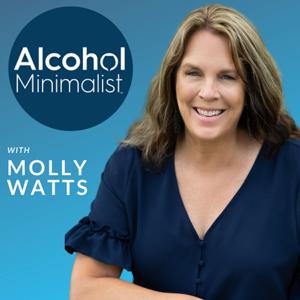
By Molly Watts, Mindful Drinking & Behavior Change Coach


4.8
156156 ratings


The podcast currently has 412 episodes available.
The most played episodes among Podcast App listeners.
We often think we need confidence, motivation, or certainty before we act—but the brain usually works in the opposite direction. In this Think Thursday episode, Molly explores how the brain uses prediction, feedback, and experience to update what it believes is possible. You’ll learn:Why the brain constantly predicts what will happen nextHow prediction error gives the brain new informationWhat Albert Bandura’s research on self-efficacy tells us about building confidenceWhy actually doing something creates evidence that thinking and planning cannotHow feedback can recalibrate confidence over timeWhy uncertainty does not automatically mean a decision is wrongHow small experiments can build both confidence and clarityA simple process to try:Notice the predictionTake the smallest action that can test itLook honestly at the feedbackUpdate what you believeConfidence is not always the entrance requirement. Sometimes it is what your brain builds after you walk through the door. Key takeaway: You don’t always act because you know. Sometimes you know because you acted. ★ Support this podcast ★

This week on the Alcohol Minimalist podcast, I’m revisiting one of the most-downloaded episodes from the archives: a conversation about Alcohol Use Disorder (AUD), physical dependence, and why labels aren’t always the most useful place to start. If you’ve ever wondered, Do I have a drinking problem? Am I drinking too much? Am I addicted? this episode will help you look at those questions with more clarity and less drama. Alcohol Use Disorder isn’t determined simply by how much you drink. It exists on a spectrum from mild to severe and is based on how alcohol is affecting your behavior, health, relationships, and ability to control your drinking. In this episode, we talk about:How Alcohol Use Disorder is definedWhy comparing your drinking to someone else’s isn’t helpfulThe difference between alcohol misuse, AUD, and physical dependenceWhy withdrawal symptoms require medical guidanceHow labels can sometimes keep us from honestly evaluating our drinkingWhy the better question may be: Is alcohol creating results I actually want in my life?An important safety note If you regularly experience withdrawal symptoms such as shakiness, sweating, nausea, racing heart, or seizures when alcohol wears off, seek professional medical guidance before abruptly stopping drinking. Alcohol withdrawal can be serious. You don’t need to wait for alcohol to become a severe problem before deciding to change. Pay attention to the data. Look honestly at the results alcohol is creating. Then decide what one small change could move you toward a more peaceful relationship with alcohol. Low risk drinking guidelines from the NIAAA: Healthy men under 65: No more than 4 drinks in one day and no more than 14 drinks per week. Healthy women (all ages) and healthy men 65 and older: No more than 3 drinks in one day and no more than 7 drinks per week. One drink is defined as 12 ounces of beer, 5 ounces of wine, or 1.5 ounces of 80-proof liquor. So remember that a mixed drink or full glass of wine are probably more than one drink. Abstinence from alcohol Abstinence from alcohol is the best choice for people who take medication(s) that interact with alcohol, have health conditions that could be exacerbated by alcohol (e.g. liver disease), are pregnant or may become pregnant or have had a problem with alcohol or another substance in the past. Benefits of “low-risk” drinking Following these guidelines reduces the risk of health problems such as cancer, liver disease, reduced immunity, ulcers, sleep problems, complications of existing conditions, and more. It also reduces the risk of depression, social problems, and difficulties at school or work. ★ Support this podcast ★
What does it actually look like to drink like an Alcohol Minimalist? This week, as part of Summer’s Greatest Hits, I’m revisiting one of the most downloaded and foundational episodes of the Alcohol Minimalist Podcast, originally released in September 2022. Being an Alcohol Minimalist isn’t just about counting drinks or adding more alcohol-free days to your calendar. It’s about changing the way you think about alcohol, planning intentionally, paying attention to how alcohol affects your body, and ultimately creating a relationship with alcohol that feels peaceful—not restrictive, stressful, or out of control. In this episode, I’m sharing practical strategies you can use when you choose to drink, including how alcohol by volume affects what actually counts as a standard drink, why eating before you drink matters, and how slowing down can make it easier to stick to your plan. I also talk about an important distinction that sits at the heart of the Alcohol Minimalist approach: I don’t drink alcohol with the intention of getting drunk. If intoxication is the primary reason you want to drink—if alcohol is how you escape, let go, numb out, or create fun—that’s worth getting curious about. Your most peaceful relationship with alcohol might look different than someone else’s, and for some people, that may ultimately mean choosing not to drink at all. In this episode, you’ll learn:Why making a drinking plan ahead of time is an act of empowerment—not punishment or deprivationHow small, 1% improvements can help you build evidence that you are capable of changing your drinking habitsWhy checking the alcohol by volume (ABV) matters, especially with higher-ABV beers like IPAsHow choosing lower-ABV beverages or combining alcoholic and non-alcoholic options can reduce your total alcohol intakeWhy drinking on an empty stomach can cause alcohol to be absorbed more quicklyHow food, mixers, carbonation, caffeine, and other factors may influence your experience with alcoholWhy paying attention to your drinking pace mattersHow alternating alcoholic beverages with water or non-alcoholic drinks can help you slow downWhy you never have to finish the drink simply because it’s sitting in front of youThe difference between intentionally including alcohol in your life and intentionally drinking to become intoxicatedWhy “alcohol makes things more fun” is a belief worth questioningHow to recognize when your most peaceful relationship with alcohol might actually be no alcohol at allThe Characteristics of an Alcohol Minimalist In the episode, I also share the eight characteristics I believe define an Alcohol Minimalist. A Question to Consider If the only reason you want to drink alcohol is because you want to feel drunk, what are you actually asking alcohol to do for you? You don’t need to answer that question with judgment. Answer it with curiosity. Because becoming an Alcohol Minimalist isn’t about following somebody else’s rules for drinking. It’s about becoming more intentional, understanding your own patterns, and creating a relationship with alcohol that supports the life you actually want to live. Take something you learned from this episode and put it into action. Changing your drinking habits and creating a peaceful relationship with alcohol is possible. Until next time, choose peace. Resources Mentioned Download Characteristics of an Alcohol Minimalist. Join the private Alcohol Minimalists: Change Your Alcohol Habits Facebook community for ongoing support and practical tips. Learn more about Sunnyside Med and its medication-supported approach to reducing alcohol cravings through the link provided with this episode. Learn more about working with Molly and the resources available for changing your relationship with alcohol at MollyWatts.com. Low risk drinking guidelines from the NIAAA: Healthy men under 65: No more than 4 drinks in one day and no more than 14 drinks per week. Healthy women (all ages) and healthy men 65 and older: No more than 3 drinks in one day and no more than 7 drinks per week. One drink is defined as 12 ounces of beer, 5 ounces of wine, or 1.5 ounces of 80-proof liquor. So remember that a mixed drink or full glass of wine are probably more than one drink. Abstinence from alcohol Abstinence from alcohol is the best choice for people who take medication(s) that interact with alcohol, have health conditions that could be exacerbated by alcohol (e.g. liver disease), are pregnant or may become pregnant or have had a problem with alcohol or another substance in the past. Benefits of “low-risk” drinking Following these guidelines reduces the risk of health problems such as cancer, liver disease, reduced immunity, ulcers, sleep problems, complications of existing conditions, and more. It also reduces the risk of depression, social problems, and difficulties at school or work. ★ Support this podcast ★
What if the biggest obstacle to changing your drinking isn’t that you’re doing too little—but that you’ve decided anything less than a dramatic change doesn’t count? In this revisited episode of the Alcohol Minimalist Podcast, Molly explores the all-or-nothing thinking that can make sustainable change harder than it needs to be. You’ll learn why the Doable Drink Plan starts with meeting yourself where you are, how perfectionism can quietly undermine progress, and why small, repeatable changes can help you build trust in yourself. Molly also examines the long-standing belief that abstinence is the only “real” way to change your drinking. Alcohol-free breaks can absolutely be helpful, but the thinking behind the action matters. Are you choosing a break because it supports your long-term goals—or because you believe anything less isn’t good enough? In this episode:Why perfectionism can sabotage progressHow “this isn’t enough” thinking keeps people stuckWhy small wins matterThe role of the Doable Drink PlanHow to think about alcohol-free breaks without turning them into a testWhy sustainable change is built through continuous improvementThe question isn’t simply, “Am I doing enough?” A better question may be: “Is what I’m doing helping me build the skills and confidence I need for sustainable change?” Low risk drinking guidelines from the NIAAA: Healthy men under 65: No more than 4 drinks in one day and no more than 14 drinks per week. Healthy women (all ages) and healthy men 65 and older: No more than 3 drinks in one day and no more than 7 drinks per week. One drink is defined as 12 ounces of beer, 5 ounces of wine, or 1.5 ounces of 80-proof liquor. So remember that a mixed drink or full glass of wine are probably more than one drink. Abstinence from alcohol Abstinence from alcohol is the best choice for people who take medication(s) that interact with alcohol, have health conditions that could be exacerbated by alcohol (e.g. liver disease), are pregnant or may become pregnant or have had a problem with alcohol or another substance in the past. Benefits of “low-risk” drinking Following these guidelines reduces the risk of health problems such as cancer, liver disease, reduced immunity, ulcers, sleep problems, complications of existing conditions, and more. It also reduces the risk of depression, social problems, and difficulties at school or work. ★ Support this podcast ★
What does it look like to build a fun, fulfilling life with less alcohol—or none at all? In this episode of the Alcohol Minimalist Podcast, Molly talks with Elise Bryson, CEO and curator of The Sober Curator, about sober curiosity, recovery, non-alcoholic drinks, and the changing culture around alcohol. They explore why alcohol-free living is becoming more mainstream, how the non-alcoholic beverage movement is helping normalize drinking less, and why choosing not to drink should never feel awkward or restrictive. If you’re sober curious, exploring a mostly alcohol-free lifestyle, or working to change your relationship with alcohol, this conversation offers encouragement, practical resources, and a refreshing reminder that drinking less can actually open the door to more. In This EpisodeHow The Sober Curator started and grew into a global alcohol-free lifestyle resourceWhy Elise believes alcohol may be having its own “cigarette moment”How attitudes toward sobriety and sober curiosity have changedThe growth of non-alcoholic beer and zero-proof optionsWhy choosing not to drink is becoming more normalizedThe difference between recovery, sobriety, and an Alcohol Minimalist lifestyleWhy alcohol-free living doesn’t have to feel restrictive or boringHow community and support can make change easierWhy it matters to pay attention when alcohol starts raising red flagsHow to create more fun, connection, and celebration without relying on alcoholResources Mentioned:The Sober CuratorMore Sober OctoberSunnyside MedLow risk drinking guidelines from the NIAAA: Healthy men under 65: No more than 4 drinks in one day and no more than 14 drinks per week. Healthy women (all ages) and healthy men 65 and older: No more than 3 drinks in one day and no more than 7 drinks per week. One drink is defined as 12 ounces of beer, 5 ounces of wine, or 1.5 ounces of 80-proof liquor. So remember that a mixed drink or full glass of wine are probably more than one drink. Abstinence from alcohol Abstinence from alcohol is the best choice for people who take medication(s) that interact with alcohol, have health conditions that could be exacerbated by alcohol (e.g. liver disease), are pregnant or may become pregnant or have had a problem with alcohol or another substance in the past. Benefits of “low-risk” drinking Following these guidelines reduces the risk of health problems such as cancer, liver disease, reduced immunity, ulcers, sleep problems, complications of existing conditions, and more. It also reduces the risk of depression, social problems, and difficulties at school or work. ★ Support this podcast ★
The podcast currently has 412 episodes available.
1,712 Listeners
1,076 Listeners

2,553 Listeners
27,714 Listeners
137 Listeners
1,350 Listeners
720 Listeners
1,252 Listeners
187 Listeners
565 Listeners
1,088 Listeners

19,289 Listeners

2,240 Listeners
459 Listeners
1,156 Listeners