
Sign up to save your podcasts
Or



Based on Podcast App listening data
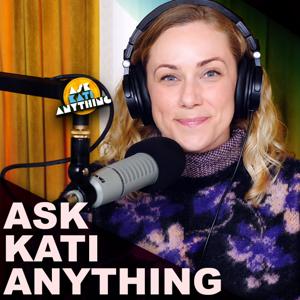
Ask Kati Anything ep. 139 | Your mental health podcast, with Kati Morton, LMFT
This week Kati talks all about attachment, transference, childhood emotional neglect, and how that can affect our relationship with our therapist. She also discusses bipolar disorder, the importance of feeling validated and understood by our therapist, and why certain emotions are harder to feel and express. This and so much more on this week’s episode!
AUDIENCE QUESTIONS
----
KATI'S BOOKS
----
Learn more about your ad choices. Visit megaphone.fm/adchoices
Ask Kati Anything ep. 138 | Your mental health podcast, with Kati Morton, LMFT
Today’s Kati talks about coming to terms with repressed memories and the fact that they may never be complete. She also explains how she works with people who feel like they are behind in life, the importance of eye contact in therapy, and why we can crave negative attention. She also discusses what she does when a client self injures in session, how we can know if it’s safe to start exercising again in ED recovery, and why we can sometimes feel full and sick when we haven’t eaten very much. Finally, she talks about weight gain in ED recovery and how to mentally manage it.
Audience questions
----
KATI'S BOOKS
----
Learn more about your ad choices. Visit megaphone.fm/adchoices
Ask Kati Anything ep. 137 | Your mental health podcast, with Kati Morton, LMFT
This week Kati talks about all things OCD (obsessive compulsive disorder). She explains what it is, what Pure O OCD is, and how it links to PTSD, perfectionism, and eating disorders. She also explains how the treatment may differ depending on where our OCD comes from, and why mentally rehearsing things over and over again isn’t healthy for us. She discusses the fact that OCD is an anxiety disorder, and what that means for its symptoms. Finally, she talks about the best ways we can support those in our life with OCD, and why it’s up to them to tell us what’s best for them. This and so much more in this week’s episode.
AUDIENCE QUESTIONS
----
KATI'S BOOKS
----
Learn more about your ad choices. Visit megaphone.fm/adchoices
Ask Kati Anything ep. 136 | Your mental health podcast, with Kati Morton, LMFT
This week Kati talks a lot about building up resilience, emotionally, physically, and in our relationships. She addresses how we can’t MAKE people feel or do anything, but they are still responsible for their actions. She also discusses suicidal ideation and why it can feel like it pops out of nowhere, and how someone with BPD can manage attachment in therapeutic settings. Kati explains the link between childhood trauma or CPTSD and being sensitive to stress as an adult, and why being a parentified child can make us immature in other ways. Finally, she offers advice on how to be more emotionally mature, and whether or not she thinks everyone can change. This and so much more in this week’s episode!
Audience questions:
----
KATI'S BOOKS
----
Learn more about your ad choices. Visit megaphone.fm/adchoices
Ask Kati Anything ep. 135 | Your mental health podcast, with Kati Morton, LMFT
This week Kati talks about dissociation from memories, emotions, and what structural dissociation is. She also discusses isolation as a result of trauma, why people with mental illness compete with one another, and how to figure out what traits are important to us. Kati also explains the difference between enjoying being busy and running from our problems, and why concentration is affected by mental illness. She talks about the different ways we talk to ourselves, why we can’t cry, and the reasons our body can be aroused when we aren’t actually aroused. This and much more in this week’s episode!
Audience questions:
1. Can you talk more about dissociation from memories vs dissociation from emotions? Is that really a thing? I find I use a coping skill to put my trauma memories into these other...
2. My maladaptive response to developmental trauma (abandonment, emotional abuse and neglect) has been to completely isolate myself from everyone to the point where I only feel known by my therapist...
3. Why do people with mental illness sometimes compare their struggles to each other like a competition? I've had conversations in inpatient...
4. I am in counseling and something we have covered is getting a better handle on who I actually am, rather than being defined by my mental illness...
5. Can you elaborate on how one might understand if they are filling their schedule to run from what’s going on in their life vs keeping the calendar full as...
6. I have a question about negative self-talk. I have noticed that most people talk to themselves in the second person..
7. Why does mental illness make concentration so hard? I’ve been working with a trauma therapist and attempting to be more present only makes me realize how hard it is to pay attention...
8. I'm afraid that I might be the weirdest person ever, I´ve tried to google this but I can't find anyone else experiencing the same thing and this is so shameful.
9. Why can’t I cry? I often tear up about things not closely related to me, like world events or historical events, but when it comes to the things...
Kati's Books: Traumatized https://geni.us/Bfak0j Are u ok? http://bit.ly/2s0mULy
Contact
Learn more about your ad choices. Visit megaphone.fm/adchoices
This week Kati shares the best way to manage the anxiety that comes around before we begin a new week, why we can have bursts of emotions sometimes, and she also explains why some traumas are easier to acknowledge than others. She talks about the different types of therapy and why we have to find one that works, why it can be hard to focus on what our therapist is saying, and the stigma associated with bulimia nervosa. Finally, she explains why those with BPD can hate boundaries, and what the difference is between hypomania and just plain joy. That and so much more in this week’s episode!
Ask Kati Anything ep. 134 | Your mental health podcast, with Kati Morton, LMFT
Audience questions:
1. How does someone actually deal with the “Sunday Scaries”? Every Sunday I get so overwhelmed with anxiety for the upcoming week I just freeze. Even though I have things I need to accomplish (i.e. meal prepping, laundry, etc.) I end up not being able to do any...
2. Why does it seem harder to acknowledge certain traumas versus others? I went to therapy to deal past csa but in doing so learned about emotional neglect. My family life seemed so normal and standard and to believe otherwise is hard to wrap my head around...
3. My question is about bursts of emotions. When something happens that seems to emotionally affect me, I only seem to feel that feeling for a very short time. For example, when I feel sad I cry for ten seconds max, after...
4. Do you think therapy works for everyone? I have alexithymia and I struggle so much with expressing emotions and knowing what I am feeling, I can tell my psychology gets frustrated with me and she said "therapy doesn't work for everyone" Which took...
5. I often lose focus on what my therapist is saying during my therapy sessions. Most often it is because of different thoughts about things that cause me a lot of anxiety. An example: during a session my therapist talked and explained that emotions can be evoked by thoughts...
6. I was wondering if you could talk a bit about bulimia & whether, in your experience, patients are more reluctant to share that they are struggling with it. I find there's a big stigma attached to it & people are disgusted by it - the recovery content online is largely people who struggled....
7. I'm wondering if you can talk about why, as a borderline, I hate boundaries. I also tend to get overly attached to anyone who I open up to about my personal struggles and then end up obsessing about that person and violating the boundaries of that relationship. Obsessive / intrusive thoughts...
8. Can you tell me the difference between hypomania and plain old joy? I had a week or so where I didn’t sleep much and I had a ton of energy, but I’m 31 and I’ve never been diagnosed with bipolar disorder. I had just...
----
KATI'S BOOKS
• Traumatized https://geni.us/Bfak0j
• Are u ok? http://bit.ly/2s0mULy
----
ONLINE THERAPY While Kati does not currently offer online therapy, her sponsor Betterhelp will connect you with a licensed, online counselor. Visit https://betterhelp.com/kati
PATREON: this podcast is made possible through the generous support of patrons like you. https://www.patreon.com/katimorton
BUSINESS INQUIRIES: Linnea Toney [email protected]
Learn more about your ad choices. Visit megaphone.fm/adchoices
Ask Kati Anything ep. 133 | Your mental health podcast, with Kati Morton, LMFT
This week Kati discusses why we may want to stay in therapy forever, and how to know if that’s unhealthy or not. She also explains some of the reasons we may be repulsed by ourselves, why we might hate hugs, and the effects diet culture has on those with EDs. She explains sandtray therapy, how DBT works, and how to grieve things lost in our lives. Finally, she describes the effects of medical trauma, what leads to CPTSD, how much support is okay to ask for, and how she decides what level of care her ED patients need. This and so much more on today’s episode!
Audience questions:
1. I can't imagine ever feeling ready to leave my therapist. I like him so much, even though at times it's painful. The thought of never seeing him again is hugely upsetting and I know I'd be...
2. Could you talk a bit more about reasons why we might be repulsed by our own being? You mentioned in episode 128 that we can be so disgusted with ourselves and this can be a trauma response...
3. I've heard people talk about diet culture - specifically, how it's harmful and can lead to disordered eating/EDs - but I've also heard news about the increasing obesity crisis in the U.S. I'm curious...
4. Does there have to be a reason for hating hugs or can it just be related to who we are as a person? Ever since I can remember even as a young child I've hated hugs, this has continued into adulthood...
5. Can you talk more about sandtray therapy? Like when does a therapist decide to use it for adults? Is it suitable as a form of trauma therapy on its own, or is it...
6. My question is about DBT therapy for CPTSD due to sexual abuse. I am only about 6 weeks into therapy with my new therapist, so I know we are early on in the process. I had told her that I have not done well with therapy in...
7. I was wondering if you could talk about grief. You have mentioned that you don't have to have someone pass away to experience grief and I was wondering about if you can grieve the loss of an opportunity, or a future you thought...
8. I am wondering if you could have CPTSD due to multiple occurrences with Cancer throughout childhood. I have only heard of cptsd coming out of abuse or sexual trauma, but a lot of the symptoms are true for me. I’ve also had other things happen to me that could be considered trauma...
9. I know that mental illness can warp your perception into wrongly believing that you’re a burden if you reach out for support. But it can also legitimately cause strain for the people being reached out to. How do I tell which one is happening? How much support is...
Kati's Books • Traumatized https://geni.us/Bfak0j • Are u ok? http://bit.ly/2s0mULy
Learn more about your ad choices. Visit megaphone.fm/adchoices
Ask Kati Anything ep.132 | Your mental health podcast, with Kati Morton, LMFT
This week Kati address' the effects of trauma on our self esteem, and how that can lead to us hating ourselves. She also talks about how trauma can change the brain, and how we can get better at opening up and accepting help. Kati explains how a trauma timeline works and shows us what one looks like, and offers other ways to get ourselves out of our freeze response. Finally, Kati differentiates between anxiety disorders and PTSD, explains how to deal with therapist abandonment, and how to cope when an abusive parent is sick or dying. This and much more in this week's episode.
Audience questions:
1. Why do I think that I am a bad person, and how do I stop hating myself? Whenever anything remotely bad happens or I "inconvenience" someone the slightest bit (ex. "taking" a doctor's time during my appointment, telling my boss I can't come into work because I am sick, someone giving me a gift, someone holding a door open for me) my brain starts the mantra of...
2. Hi Kati, could you talk about how childhood trauma and ptsd can affect brain structure/function? (COMMENT: Can trauma also result in other mental health disorders like anxiety disorders or eating disorders instead of PTSD? // To add to this, can you talk about how childhood trauma can affect the parents of...
3. I have a really hard time opening up to other people and accepting help. I have worked through old memories and realized I didn't get proper emotional care as a child. I was mostly ignored and left alone with all emotional struggles i faced growing up. As a result I now don't feel worthy to be considered with my emotions. Today i am in a way better spot in life. I have two...
4. I was at your inner child workshop and it was very helpful. I want to create a trauma timeline like you suggested, but I am wondering if you happen to have any visuals for what a trauma timeline could look like? I’m a visual learner and I’m having trouble figuring out how to...
5. How to get out of a freeze response if grounding techniques don’t work? I’ve been sexually abused as a child & S. assaulted once as a teenager and that's when it started. I want to process what I’ve been through but it’s hard since I’m still stuck in that freeze response and don’t...
6. How can you tell the difference between an anxiety disorder, and something like CPTSD? What symptoms would you look out for to differentiate the two? I definitely have social anxiety and have had this since childhood, but I’ve also experienced childhood trauma...
7. I was abandoned by my therapist back in November. Everything had seemed good, I had been with her for a year and a half. I went into crisis and hospitalized myself, at which point she completely cut off contact. I have struggled ever since, I have tried working with 7 different therapists in the past 9 months or so...
8. How do you deal with a sick or dying abusive parent? I started grieving a few years ago when I realized my father won’t change, he said “he was always like this and he is too old to change”, but seeing him sick now make me sad and at the same time I feel relief...
Learn more about your ad choices. Visit megaphone.fm/adchoices
Ask Kati Anything ep.131 | Your mental health podcast, with Kati Morton, LMFT
This week Kati talks about how we can move forward if we were abusive to our siblings when we were younger. She also explains why we can fantasize about going missing or wanting to run away from our lives, and why it’s common to have pretend conversations with ourselves and feel like they are real. Kati also shares the best time to journal, how to deal with a push pull urge in therapy, and how to move past denial. She also explains why we can feel the urge to invalidate our little t traumas, how to finally get to the root of our issues, and finally what we can do if it feels like nothing is helping.
Audience questions:
1. There are a lot of questions asked by people who were abused by their siblings when they were younger, but what if I was the abuser? It’s been over 15 years since but I was put in charge of watching my special needs little sister (only 16 months apart) a lot of the time and I used violence...
2. For years I’ve had this fantasy of “going missing,” or disappearing intentionally – just getting in my car, driving a thousand miles, leaving it in some parking lot and then just walking away. Over time I learned that this is not actually illegal, as long as you’re an adult and you’re not evading the...
3. This is kind of embarrassing to ask, but surely I’m not the only one who does this. Why do I pretend I’m having conversations with people who aren’t really there? It’s as if I’m actually having a back and forth conversation with another person, but in reality I guess I’m just talking to myself?
4. Why do I have such a strong push pull relationship with therapy? I have seen seven different therapists in the past two years and couldn’t connect with any of them. It’s like the first couple of sessions I want to tell them everything and then on the third and fourth sessions I don’t want to...
5. Regarding journaling, is it more used to just write things down in the moment or is there value in going back and re-reading it at some point? I’ve been journaling pretty regularly for the past year and want to go back through and read it but I’m finding that I’m very hesitant to do so…
6. Is it possible to know you're in denial and yet you still don't want to believe the truth? I am trying to come to terms with being emotionally neglected by my parents but the part I'm struggling with is the acceptance that it happened. I know it sounds like a contradiction because I can name the...
7. How do I stop invalidating my little T traumas as you call them? I had a lot of things happen to me over my lifetime that I would consider smaller traumas if anything. For example, my father was quite abusive, but he left when I was still very young and we didn't see him often. My mother was/is an addict, but she still took care of us quite well...
8. How do I get to the root of my issues? I feel like I'm so caught up in running away by using maladaptive coping strategies (anorexia, over-exercise, suicidality etc) that I don't even know what I'm trying to cope with. I do know that there‘s more emotional pain when I reduce my disordered behaviors...
9. One of your answers prompted me to ask a question. I'm struggling with feeling like I've tried everything and feeling like I have no choice left but to end things. I have been inpatient multiple times, have done multiple IOPs/partials. I have tried so many meds...
Learn more about your ad choices. Visit megaphone.fm/adchoices
This week Kati talks about binge eating disorder (BED). She discusses the link between BED and childhood trauma, why there’s a connection between a mother’s love and our relationship with food, and the difference between BED and appetite changes associated with other mental illnesses. She also explains why forgetting to eat is not the same as an eating disorder, how we can reduce cravings, and how to get over any guilt associated with a binge. She also shares why parentification can make it hard for us to want to be an adult, why binge eating, food addiction, and overeating are the same thing, and whether or not medications for BED are actually helpful. This and much more in this week’s podcast! Kati Morton is a licensed marriage and family therapist, each week she answers mental health questions from her audience.
Ask Kati Anything ep. 130 | Your mental health podcast, with Licensed Therapist, Kati Morton
Audience questions:
1. I would like to know more about the connection between (B)ED and childhood trauma, because it seems that that topic isn't talked about enough. Why do we choose to cope with food rather than anything else and is there really a connection between mother's love and our relationship with food throughout our lives?
2. Can you explain the difference(s) between a binge eating disorder and the appetite changes associated with anxiety and depression? Sometimes I skip meals due to my anxiety, either because I get stuck in my head and forget that I need food or I feel too nauseous to eat, but then it usually results in a binge eating session afterwards because I’ve essentially starved myself. I know...
3. I have a question about eating disorders, but not related to body image or calories or anything. It’s more just… disordered eating? I forget to eat a meal, and then my OCD says it’s too late for whatever meal, so then I have to wait for the next meal time. Except this happens every single day. I’m not sure if this counts as an eating disorder? It’s very confusing for me. I want to eat the right amounts per day, I just can’t for some reason...
4. How does one reduce cravings? Also, can one embark on their own treatment for binge eating, as opposed to seeking professional help? If so, where does one start?
5. What is the difference between binge eating and just over eating? I’m pretty sure I struggle with binge eating but my psychiatrist has asked me if I’m binging or just over eating and honestly I don't really know how to tell the difference. Thanks for everything you do.
6. This might not be related to this week's theme but I hope you consider answering it! I feel like I just woke up now and realized that I’ve wasted my childhood/ teenage years by not being a child or a teenager. Now, I’ve reached to the point where I don’t want to grow up and ‘time’ scares me...
7. Hi Kati, I struggle with binge eating. My psychiatrist has recommended a drug that is used for opioid addiction that should take away the pleasure I get from eating. What other options do I have?
8. What is the difference between a binge eating disorder and a food addiction? I feel like sugar is my kryptonite. Also I am picky, lactose intolerant and acidic foods aggravate an overactive bladder condition. So I feel like I can't easily avoid sugar. I suspect I have a binge eating disorder and that it...
9. How can I deal with the guilt that I experience after a binge? I used to purge, (I don’t anymore) and that was usually my unhealthy way of getting rid of the guilt I felt from eating too much. but now when I binge, I’m left feeling terrible and it makes me want to self-harm.
Learn more about your ad choices. Visit megaphone.fm/adchoices
From the publisher's feed
Ranked by our users in the last 21 days
684 Listeners

3,328 Listeners

2,480 Listeners
834 Listeners

2,518 Listeners

602 Listeners

14,903 Listeners
433 Listeners
591 Listeners

2,346 Listeners

363 Listeners

1,849 Listeners

41,321 Listeners

280 Listeners

1,386 Listeners