
Sign up to save your podcasts
Or



Based on Podcast App listening data
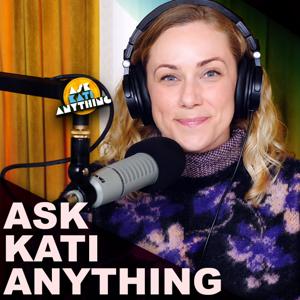
This week licensed therapist Kati Morton talks about emotional neglect during our teen years, what it means to have a healthy emotional relationship, and what we can do to be better parents. She also discusses whether or not we can date while still working on our trauma, and why sex can be such a hangup for those of us with abuse in our past. She explains dissociation, DID, and whether or not we can dissociate throughout our entire childhood. This and so much more in this week’s episode of Ask Kati Anything - Your mental health podcast.
1. Can you talk about emotional neglect during the teenage years? This is a time when teens and parents are often at odds and don't necessarily...
2. When is the right time to enter the dating game as opposed to waiting to heal your childhood trauma? It seems to be a popular advice not to date until you healed - to some extent - your trauma and are ready to...
3. So this question is very embarrassing for me. I'm recently divorced and I know sex was a main contributor. I like the idea of sex but the physical act of it makes me cringe and become very uncomfortable. After a long stretch of absolutely no sexual desire...
4. I'm currently working on childhood trauma with my therapist and he's letting me kind of "take the lead" (so I decide the tempo) but I'm just so unsure if what I'm doing is...
5. Last week my therapist said that I have reached a plateau in therapy and that I need to look for another therapist to help me because she has done all that she...
6. Could I have dissociated most of my childhood but still remember some details? I have got childhood trauma and have struggled most of my life now with it. I'm 16. For context, I had a psychology assignment where I had to create a timeline of my childhood and...
7. I was watching my favorite show "Station 19" and I realized that I relate so much with one of the characters: Maya. Maya is someone who has a lot of childhood trauma and the only outlet she knows is...
8. How do you deal with the loss of therapy because you made a horribly wrong decision so the fault is on you? I just got kicked out of an inpatient program because they think I tried to kms. They were wrong and some of them believed me, so I am allowed to come back in...
Ask Kati Anything | Your mental health podcast, with Kati Morton, LMFT
Learn more about your ad choices. Visit megaphone.fm/adchoices
In this episode Kati talks about shame, embarrassment and why those feelings can come up when we try to express ourselves. She also digs into dissociation, what it can feel like, look like, and ways that you can be brought back. She talks about procrastination and its link to trauma, how we can better open up and trust our therapists, and how to get over our fear of not being believed. She also discusses medical trauma, why hospitalizations can be traumatizing, and how to date when you have a mental illness. This and so much more in this week’s episode!
Ask Kati Anything ep. 158 | Your mental health podcast, with Kati Morton, LMFT
Ask Kati Anything | Your mental health podcast, with Kati Morton, LMFT
Learn more about your ad choices. Visit megaphone.fm/adchoices
Licensed therapist Kati Morton discusses childhood trauma, dissociation, and why that can be a helpful coping skill growing up. She also explains the difference between feeling nothing versus having a sense of emptiness. She dives into why those of us with a history of trauma can get overwhelmed more easily than others, and how to push through that weirdness of inner child work. She also gives her thoughts on intermittent fasting, and how we can instill self confidence in teens.
Ask Kati Anything ep. 157 | Your mental health podcast, with Kati Morton, LMFT
Audience questions:
Ask Kati Anything | Your mental health podcast, with Kati Morton, LMFT
Learn more about your ad choices. Visit megaphone.fm/adchoices
This week Kati talks about dealing with nightmares, how to know if we have processed our trauma completely, and whether or not we have to tell our therapist about our self injury. She also gives us tips for pushing through mental blocks, ways we can tell our therapist what we need, and she explains confidentiality in therapy. This and so much more in this week’s episode of AKA. xoxo
1. I recently read a book called The Choice by Dr Edith Eva Eger. In it she discussed how she often thought she was done processing her trauma only to realize she was wrong later. My question is, how would you know you were no longer being affected by your trauma/had finished processing it?
2. Do u have any coping tips when it comes to struggling with nightmares? A few months ago my therapist retired and I'm in the process of finding someone new...
3. Is it critical to share that you are self-harming with your therapist? If so, why? It is only very minor injuries but I have watched your other videos and you said to always share this information.
4. How can I get from partly better to actually thriving? I was drowning in symptoms of treatment resistant depression for so many years until last autumn, when I started ketamine treatment. I feel like I‘m coming back to life and actually able to start doing...
5. Is it okay to tell my therapist I want her to be more compassionate and empathetic? I fear that I will be asking her to change or be adding unnecessary pressure on her. For context I am doing dbt...
6. Are there any helpful tools to push through mental blocks? I've had an abusive relationship which turned into daily harassment for years, after I broke up. I went to the authorities before and I'm now...
7. Could you talk a little bit about insurance and therapy? I am planning to start therapy soon and I have to go through my insurance otherwise I cannot afford it, however, I am worried about having the diagnosis on my permanent medical record and...
8. Where do I start if I'm so disconnected from myself that I don't even notice when I'm triggered?? Hello, I thought I'd try a new format because my question tends to get lost when I try to ramble for context. I've suffered CSA, as well as emotional neglect and some regular childhood abuse...
Ask Kati Anything | Your mental health podcast, with Kati Morton, LMFT
Learn more about your ad choices. Visit megaphone.fm/adchoices
Ask Kati Anything ep. 155 | Your mental health podcast, with Kati Morton, LMFT
This week licensed therapist Kati Morton talks about why we can bring up a past trauma once and then not be able to speak about it again. She also digs into why we can become angry with our therapist when they haven’t done anything wrong, and why we can find ourselves with a crush on them. She also explains why we need coping skills that require little to no energy, and what those look like. This and so much more in this week’s episode! xox
Audience questions:
1. Recently I admitted to my therapist that I was sexually abused as a child, I didn't talk about any details, and since then, I am avoiding this topic with her. She gave me some space and, after some time, tried to bring it back into our session, but the minute she started talking, I wanted to run out of her office....
2. I have found myself becoming angry with my therapist the last few sessions. She didn’t even do anything. I keep thinking back to the sessions wondering what she had said, but it wasn’t a particular thing that she said. She was just annoying me...
3. I recently realized that I have sexual feelings about my therapist. I have read about transference, the thing is that we are both women. Does this mean that I am not straight? Addressing this to her feels extremely uncomfortable, so I would appreciate some hints on what this...
4. I was wondering if therapists do work for their clients in between sessions? I always assumed that they do, and that that was part of why the fee was so high, because they need to take some time to look things up between sessions...
5. I have a question about coping skills. I have a list of coping skills that can work if I can physically make myself do them. But recently I have been struggling to do them. My therapist never told me what to do when...
6. My mom is a narcissist and last year I went no contact with her for almost 6 months at my therapist’s suggestion...
7. There are these videos about how you now realized that some of the things in your childhood were associated with a person turning out to be gay in adulthood. Nothing in my childhood or being a teenager points to that...
8. You've talked a lot about eating disorders changing the way they show up over time, and I was wondering if trauma can do the same thing. For context, my trauma caused panic attacks and extreme distress for years, but recently those panic attacks stopped...
Ask Kati Anything | Your mental health podcast, with Kati Morton, LMFT
Learn more about your ad choices. Visit megaphone.fm/adchoices
In this episode, licensed therapist Kati Morton delves into the importance of setting boundaries in therapy and what to do if our therapist doesn't respect them. She also tackles the controversial topic of repressed memories and whether we could have fabricated our trauma or simply forgotten about it. Kati explains how physical contact with our therapist could be triggering and why it's important to acknowledge and validate our feelings without necessarily acting on them. She even provides helpful tips on how to respond when someone asks to see our self-harm cuts and we're not ready to talk about it yet. Join Kati Morton as she provides valuable insights and advice on how to navigate through the complex and often challenging terrain of therapy. Don't miss this thought-provoking episode!
Audience questions:
1. I have been seeing my therapist for a year and a half now and she is amazing. I’ve made so much progress and she’s been so supportive. However, sometimes her boundaries with me are not very strict...
2. I have a question about repressed memories, flashbacks and body memories. Why would you only begin to have flashbacks and other kinds of reactions once something has been revealed to you (such as a repressed memory). Or something that’s never bothered you until you start to...
3. How common is it to "forget" trauma? I know my brother was sa by my dad. I have no clear memories from 0 - 12. I can give you a detailed description of my elementary school and my high school. But I can't remember what my bedroom looked like when I was...
4. The thought of my therapist having any physical contact with me terrifies me. If she stands too close to me or the chairs are too close together I feel very threatened and panic. I've been with her for almost 2 yrs. She's very kind and patient and I feel I've connected with...
5. Are feelings really always valid? People often say one's feelings shouldn't be judged. I find that weird because if I always took my feelings as valid and acted accordingly, I'd not function in life. My first reaction to quite some things is to avoid them because the first feeling is fear/worry...
6. Why is it so important to me that I am believed??? I recently started again with a new trauma therapist. Going over my story again is harder than I expected it to be. I find myself leaving certain...
7. Today my sister asked me about the self-harm cuts on my legs, and I told her I wasn't sure what happened, and that I've been really clumsy lately. She didn't seem to buy it though. What should I say if people ask about my cuts and I'm not ready to share?
Ask Kati Anything | Your mental health podcast, with Kati Morton, LMFT
Learn more about your ad choices. Visit megaphone.fm/adchoices
In this week's episode, licensed therapist Kati Morton delves into crucial topics that can transform our mental health. Discover the significance of coping skills and resources to manage the waiting period between therapy appointments. Gain insight into avoidant personality disorder and attachment styles, and learn why therapists might not disclose a BPD diagnosis. Explore the importance of emotional intelligence and the benefits of openly discussing our feelings for personal growth and healthy parenting. Plus, Kati shares her experiences with emotional attachments to patients and the boundaries she maintains in her practice. Don't miss out on this insightful discussion!
QUESTIONS:
Ask Kati Anything | Your mental health podcast, with Kati Morton, LMFT
Learn more about your ad choices. Visit megaphone.fm/adchoices
Are you wondering if you should increase or decrease your therapy sessions? Join licensed therapist Kati Morton as she delves into this topic and explores what could be causing your therapist to space out your sessions. In this video, Kati also addresses bullying, trauma, and the challenges of healing. You'll learn about the similarities and differences between C-PTSD & ASD, the various types of depression, and how to identify what you're experiencing. Kati even explains why some therapists remain neutral and don't show preference or emotion with their patients. This week's episode is packed with valuable insights and information! Don't miss out!
Ask Kati Anything ep. 152 | Your mental health podcast, with Kati Morton, LMFT
AUDIENCE QUESTIONS
1. I just started to trust and open up to my therapist, and I recently shared my deepest traumas. I am still not able to speak about them, but I’ve finally “told” someone...
2. Why am I still angry and resentful at the world after being bullied? I'm 21 now and was severely bullied between 11 and 18 and still struggle with anger/trust issues with everybody I...
3. From childhood on, I've been playing fake scenarios in my head before I fall asleep. I can't remember at which age I started this and I'm curious where this behavior could...
4. I’ve been working with my therapist for a few years now (on and off since covid) and I’ve got a topic I need to talk about and work through but I just can’t say what I’m feeling or thinking about...
5. I hope you’re doing well. Is there a name for when someone experiences symptoms of depression for 10-14 days? Occasionally, I will feel unmotivated, exhausted, withdrawn and struggle to enjoy my...
6. Could you possibly talk about the symptom overlap between C-ptsd and ASD? As someone with both diagnoses I wish I could understand the roots of my struggles. Are my...
7. Happy thursday! How do I deal with feeling like I have to start over again and again due to my mental illness? I'm 26 now and still working on getting my bachelors degree. I had to...
8. How can I cope with my therapist being neutral? You know how you sometimes say “I want to punch them [abusers] in the face”? I really wish my therapist was...
9. How important would you say that a feeling of hope is in therapy? What role does it play for recovery and for the therapeutic process in general and in my case in particular? I've been in therapy for C-PTSD since...
Learn more about your ad choices. Visit megaphone.fm/adchoices
This week, licensed therapist Kati Morton talks all about anxiety in between therapy sessions. Why it happens, what could trigger it, and what we can do to better manage it. She also explains why it can be easy for us to tell strangers really personal or upsetting things but impossible for us to share it with those closest to us. Kati then jumps into repressed memories and whether or not we can trust them, and how to be more optimistic in light of all that’s going on in our world. This and so much more in this week’s episode! Xoxo
Ask Kati Anything ep. 151 | Your mental health podcast, with Kati Morton, LMFT
AUDIENCE QUESTIONS
1. How do you deal with anxiety between therapy sessions? I ruminate about my therapy sessions every week on what we talked about, what I said and shouldn't have...
2. Why do I find it so easy to be open about everything, even the darkest parts of myself in front of strangers, even in public spaces but around my parents I can’t seem to say...
3. I was wondering how trustworthy repressed memories are? I recently had a clear memory pop up that I was sexually abused by a female relative. It all sort of clicked into other realizations and suspicions about
4. Since the pandemic I feel like I’ve turned from an optimist to a pessimist, and just don’t know if I’ll ever be able to be generally optimistic. Especially injustices around the world, be it right wing...
5. How do I stop obsessing over the people I care about getting older? There's just this massive fear of running out of time...
6. hat if therapy just makes you go home and cry too much, and NOT because you were talking about something sad or heavy but because of how the appointment went?
7. Last episode you answered a question about intrusive thoughts, and asked if they were ego dystonic or ego syntonic. The curious part is (I think) they are syntonic. I get excited at the possibilities. I am sometimes attracted to women as well as men. Some emotionally, some physically...
8. Hi Kati! I’ve listened to a few therapist’s podcasts and always come back to you. I’ve never been to therapy before and now I’m certain no one in my rural area will measure up what I’ve taken away from just listening to you. Could this just be another avoidant tactic for me?
Learn more about your ad choices. Visit megaphone.fm/adchoices
This week on licensed therapist Kati Morton's podcast, Kati dives into the reasons why we want others to understand our true emotions, even when they may not match our exterior. She also shares her thoughts on ending therapy, when it's the right time, and how to continue healing even when finances may be an issue. Kati also sheds light on the effects of emotional abuse and neglect on an individual's mental health, including PTSD and difficulties with intimacy. Additionally, she discusses dependent personality disorder and the challenges of speaking about traumatic experiences, as well as the ethical considerations for therapists working with both individuals and their families. Join Kati for this informative and compassionate discussion on mental health and self-care.
Ask Kati Anything | Your mental health podcast, with Kati Morton, LMFT
ep. 150 audience questions:
1. Why do I so badly want people to understand what I'm "really" feeling, on the inside? To the outside world I appear confident, successful and organized. But on the inside I actually have super low self esteem, have severe anxiety...
2. My current therapist means a lot to me, and we've been working together for more than a year. Our last session is coming up, and we're leaving on okay terms. I'm wondering what I can do to show her how I feel. Is it too corny to...
3. Could complex ptsd from emotional abuse and neglect result in an absolute fear and aversion of sexual intimacy? The few times I’ve been in a relationship, I’ve felt so excruciatingly uncomfortable when guys...
4. I notice myself “speaking in code” in therapy. I’m currently in trauma therapy dealing with CSA and SA and I think I tend to do this so I don’t have to say certain words out loud...
5. I've been seeing my current therapist for a little over a year now, and things are going great and I feel like she "gets me" a lot more than my previous therapist. The problem is that I constantly feel like I'm lying to...
6. Can you talk about Dependent Personality Disorder? I had never heard of this until my doctor (mental health and eating disorder specialist) diagnosed me with this. From what she told me, it sounds exactly...
7. I've been following you for a while now and I found you very helpful! Before I start I wanted to tell you that I'm not English so I’m sorry for possible grammar mistakes. I wanted to ask you if it’s “normal” for a therapist...
8. I have a question about how you would handle a situation as a therapist. If a spouse of some of your clients emailed you and told you about abuse that was to the point of getting a restraining order would you...
Learn more about your ad choices. Visit megaphone.fm/adchoices
From the publisher's feed
Ranked by our users in the last 21 days

684 Listeners

3,328 Listeners

2,480 Listeners

834 Listeners

2,518 Listeners

602 Listeners

14,903 Listeners
433 Listeners
591 Listeners

2,346 Listeners

363 Listeners

1,849 Listeners

41,321 Listeners

280 Listeners

1,386 Listeners