
Sign up to save your podcasts
Or

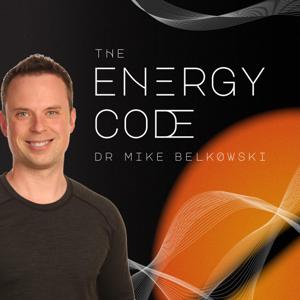

We all know the common saying: “the mitochondria is the powerhouse of the cell.” But this Deep Dive flips that idea on its head. Instead of a simple battery, mitochondria behave like a second genetic system with its own DNA and its own “software layer” of control.
Using a brand-new January 2026 review on mitochondrial epigenetic mechanisms in cancer by authors from University of Pisa, we explore how tumors hack mitochondrial methylation, DNA packaging, and non-coding RNAsto either floor the gas (energy production for rapid growth) or slam the brakes (metabolic dormancy for survival and metastasis). Then it gets even stranger: mitochondria can send RNA and metabolites that influence the nucleus, while the nucleus sends enzymes and RNAs back into mitochondria—creating a two-way power struggle cancer exploits.
The big takeaway: cancer isn’t only a “mutation problem.” It’s also a reprogramming problem, which opens new doors for diagnostics and therapies designed to target the mitochondrial “operating system” directly.
-
Article Discussed in Episode:
Mitochondrial epigenetic mechanisms in cancer: an updated overview
-
Key Quotes From Dr. Mike:
“What if the powerhouse isn’t just a battery… it’s actually more like an alien spacecraft docked inside us, running its own separate operating system.”
“Cancer is when that symbiosis turns into a power struggle.”
-
Key points
The “powerhouse” metaphor is incomplete: mitochondria act like a semi-independent system with a second genome and complex regulation.
Mitochondrial DNA is small but vital (circular, bacterial-like), supporting the idea of an endosymbiotic origin.
The review focuses on epigenetics: not changing DNA letters, but changing how genes are read via methylation “switches.”
A long-running debate is framed as resolved: mitochondrial DNA can be methylated by enzymes that enter mitochondria, allowing gene silencing similar to the nucleus.
Mitochondria also regulate access to their DNA through packaging proteins (a “tape/dimmer switch” controlling expression and energy output).
Gas pedal: hypomethylation in key control regions (like the D-loop) to ramp up output for growth.
Brake: hypermethylation to suppress replication and shift toward dormancy during hostile transitions (like metastasis).
Cancer uses two strategies depending on context:
Non-coding RNAs become “regulatory managers”: sense/antisense balance can be disrupted so tumors lose “stop signals,” and restoring the “good twin” can trigger selective tumor cell death in models.
The future direction is precision oncology: using stable mitochondrial methylation/RNA signatures for screening (blood/urine signals) and designing therapies that specifically target mitochondrial epigenetic machinery.
-
Episode timeline
0:19 — Intro sting + the “powerhouse of the cell” meme setup
0:55 — Reframe: mitochondria as an “operating system” that cancer can hack
1:35 — The January 2026 review + mission: understand “mitoepigenetics”
2:13 — The “second genome”: mtDNA basics + endosymbiotic origin
3:26 — Epigenetics explained: software vs hardware; methylation as gene switches
4:40 — Debate resolved: mtDNA methylation exists; enzymes can tag/silence mtDNA
5:02 — mtDNA packaging (TFAM “tape”) + the mitochondrial “dimmer switch” idea
5:57 — Cancer’s two modes: gas vs brake strategies
6:14 — Gas pedal example: D-loop hypomethylation → increased output for growth
7:23 — Brake example: hypermethylation → reduced mitochondria + metabolic dormancy (metastasis survival)
8:40 — Drug resistance angle: methylation changes that help cells evade death triggers
9:41 — Non-coding RNAs: sense vs antisense “RNA twins” and the loss of brakes
11:26 — Viral hacking example: HPV-style mitochondrial reprogramming framing
12:30 — Therapeutic concept: reintroducing the “good twin” → selective apoptosis in models
13:25 — Circular RNAs and micro-RNAs: stable signals; cancer-type-specific roles
16:25 — Mitonuclear crosstalk: two-way signaling; mitochondria can influence nuclear epigenetics
18:55 — What this enables: diagnostics (blood/urine), mito-targeted therapies, gene-editing concepts
20:33 — Big metaphor: restoring the “peace treaty” (symbiosis) vs hacking
-
Dr. Mike's #1 recommendations:
Deuterium depleted water: Litewater (code: DRMIKE)
-
Stay up-to-date on social media:
Dr. Mike Belkowski:
BioLight:
Website
YouTube
 View all episodes
 By Dr. Mike Belkowski

4.8
124124 ratings
We all know the common saying: “the mitochondria is the powerhouse of the cell.” But this Deep Dive flips that idea on its head. Instead of a simple battery, mitochondria behave like a second genetic system with its own DNA and its own “software layer” of control.
Using a brand-new January 2026 review on mitochondrial epigenetic mechanisms in cancer by authors from University of Pisa, we explore how tumors hack mitochondrial methylation, DNA packaging, and non-coding RNAsto either floor the gas (energy production for rapid growth) or slam the brakes (metabolic dormancy for survival and metastasis). Then it gets even stranger: mitochondria can send RNA and metabolites that influence the nucleus, while the nucleus sends enzymes and RNAs back into mitochondria—creating a two-way power struggle cancer exploits.
The big takeaway: cancer isn’t only a “mutation problem.” It’s also a reprogramming problem, which opens new doors for diagnostics and therapies designed to target the mitochondrial “operating system” directly.
-
Article Discussed in Episode:
Mitochondrial epigenetic mechanisms in cancer: an updated overview
-
Key Quotes From Dr. Mike:
“What if the powerhouse isn’t just a battery… it’s actually more like an alien spacecraft docked inside us, running its own separate operating system.”
“Cancer is when that symbiosis turns into a power struggle.”
-
Key points
The “powerhouse” metaphor is incomplete: mitochondria act like a semi-independent system with a second genome and complex regulation.
Mitochondrial DNA is small but vital (circular, bacterial-like), supporting the idea of an endosymbiotic origin.
The review focuses on epigenetics: not changing DNA letters, but changing how genes are read via methylation “switches.”
A long-running debate is framed as resolved: mitochondrial DNA can be methylated by enzymes that enter mitochondria, allowing gene silencing similar to the nucleus.
Mitochondria also regulate access to their DNA through packaging proteins (a “tape/dimmer switch” controlling expression and energy output).
Gas pedal: hypomethylation in key control regions (like the D-loop) to ramp up output for growth.
Brake: hypermethylation to suppress replication and shift toward dormancy during hostile transitions (like metastasis).
Cancer uses two strategies depending on context:
Non-coding RNAs become “regulatory managers”: sense/antisense balance can be disrupted so tumors lose “stop signals,” and restoring the “good twin” can trigger selective tumor cell death in models.
The future direction is precision oncology: using stable mitochondrial methylation/RNA signatures for screening (blood/urine signals) and designing therapies that specifically target mitochondrial epigenetic machinery.
-
Episode timeline
0:19 — Intro sting + the “powerhouse of the cell” meme setup
0:55 — Reframe: mitochondria as an “operating system” that cancer can hack
1:35 — The January 2026 review + mission: understand “mitoepigenetics”
2:13 — The “second genome”: mtDNA basics + endosymbiotic origin
3:26 — Epigenetics explained: software vs hardware; methylation as gene switches
4:40 — Debate resolved: mtDNA methylation exists; enzymes can tag/silence mtDNA
5:02 — mtDNA packaging (TFAM “tape”) + the mitochondrial “dimmer switch” idea
5:57 — Cancer’s two modes: gas vs brake strategies
6:14 — Gas pedal example: D-loop hypomethylation → increased output for growth
7:23 — Brake example: hypermethylation → reduced mitochondria + metabolic dormancy (metastasis survival)
8:40 — Drug resistance angle: methylation changes that help cells evade death triggers
9:41 — Non-coding RNAs: sense vs antisense “RNA twins” and the loss of brakes
11:26 — Viral hacking example: HPV-style mitochondrial reprogramming framing
12:30 — Therapeutic concept: reintroducing the “good twin” → selective apoptosis in models
13:25 — Circular RNAs and micro-RNAs: stable signals; cancer-type-specific roles
16:25 — Mitonuclear crosstalk: two-way signaling; mitochondria can influence nuclear epigenetics
18:55 — What this enables: diagnostics (blood/urine), mito-targeted therapies, gene-editing concepts
20:33 — Big metaphor: restoring the “peace treaty” (symbiosis) vs hacking
-
Dr. Mike's #1 recommendations:
Deuterium depleted water: Litewater (code: DRMIKE)
-
Stay up-to-date on social media:
Dr. Mike Belkowski:
BioLight:
Website
YouTube
770 Listeners
364 Listeners
7,205 Listeners

4,986 Listeners
717 Listeners

1,705 Listeners

4,872 Listeners

3,457 Listeners
9,231 Listeners

142 Listeners
1,096 Listeners
1,781 Listeners
840 Listeners
516 Listeners
292 Listeners