
Sign up to save your podcasts
Or

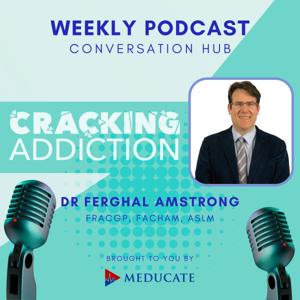


In this episode, the focus is on the complicated issue of "takeaway doses" in opioid substitution therapy. Opioid substitution therapy is a treatment program that aims to help people overcome opioid addiction by substituting their drug of abuse with a safer and more controlled opioid, such as methadone or buprenorphine.
One aspect of opioid substitution therapy is the use of "takeaway doses." This refers to the provision of extra doses of the opioid substitute to patients, which they can take away from the clinic for later use in case of emergency or unexpected circumstances. However, the use of take away doses raises several concerns from a clinical safety perspective, as there is always a risk of patients misusing or diverting the extra medication.
In this episode of "Cracking Addiction," the topic of take away doses is thoroughly explored, with a focus on balancing the clinical safety concerns with the needs and requirements of patients. The criteria for takeaway doses, such as the patients' stability and progress in treatment, are discussed. Additionally, the contraindications to take away doses, such as recent drug use or a history of non-adherence, are also discussed.
Finally, the show explores the patient's perspective and concerns with regards to takeaway doses. Patients may have concerns about the security and safety of their extra medication, as well as their own ability to resist the temptation to misuse it. By addressing these concerns and discussing the pros and cons of take away doses, "Cracking Addiction" aims to provide a comprehensive and balanced examination of this complex and controversial aspect of opioid substitution therapy.
Discussions and comments in our videos are for informational purposes only and should not replace the advice of your medical professional. Please consult with your doctor before making any changes to your medical treatment or lifestyle.
Latest Blogs
https://www.meducate.com.au/blog
About Meducate ®
Meducate provides online education for doctors, clinicians, health professionals and the public.
See the website to browse the many different talks and courses available https://www.meducate.com.au
Inhalant Abuse: Understanding the Dangers of Hydrocarbon and Nitrite Inhalation - Hydrocarbon inhalants are substances that are inhaled for their intoxicating effects. They include a wide range of products, such as gasoline, paint thinner, glue, and aerosol sprays. These substances are commonly abused by inhaling the fumes, which can produce a feeling of euphoria and relaxation. However, inhaling hydrocarbon fumes can be extremely dangerous and can lead to a number of negative health effects, including respiratory problems, brain damage, and even death. Additionally, inhaling these substances can also be highly flammable and can lead to fires and explosions. It is important to avoid inhaling hydrocarbon fumes and to seek help if you or someone you know is struggling with addiction to these substances.
Additionally we discuss nitrites which are vasodilators and can create a warm rush and sensation of warmth and also can be used as a chemsex drug which can cause anal sphincter relaxation. Side effects can include headaches, hypotension, methaemoglobinaemia and can cause burns if nititres are exposed to a flame.
Discussions and comments in our videos are for informational purposes only and should not replace the advice of your medical professional. Please consult with your doctor before making any changes to your medical treatment or lifestyle.
Latest Blogs
https://www.meducate.com.au/blog
About Meducate ®
Meducate provides online education for doctors, clinicians, health professionals and the public.
See the website to browse the many different talks and courses available https://www.meducate.com.au
Medicinal Cannabis Part 2 – In this episode of Cracking Addiction, Dr. Jim Connel joins us again and we discuss the side effects of cannabis, in particular psychiatric side effects, harms that may be associated with medicinal cannabis, the current regulations with regard to driving and medicinal cannabis, the experiences in other countries where medicinal cannabis has a longer history than in Australia, predictions with regard to the future role of medicinal cannabis, and potential roles of medicinal cannabis in addiction medicine.
Discussions and comments in our videos are for informational purposes only and should not replace the advice of your medical professional. Please consult with your doctor before making any changes to your medical treatment or lifestyle.
Latest Blogs
https://www.meducate.com.au/blogs
About Meducate ®
Meducate provides online education for doctors, clinicians, health professionals and the public.
See the website to browse the many different talks and courses available https://www.meducate.com.au
Medicinal Cannabis Part 1– In this episode of Cracking Addiction, we are joined by Dr. Jim Connell, a GP and medicinal cannabis prescriber and the founder and chief medical officer of Heyday Medical. In this episode of Cracking Addiction, we discuss the endocannabinoid system, cannabis, and the cannabinoids that comprise cannabis, the history of medicinal cannabis, the current indications for medicinal cannabis, the evidence for cannabis for anxiety, depression, chronic pain, and sleep, and whether there is a role or any evidence for medicinal cannabis as an opioid-sparing agent, as well as how to select patients appropriately for a trial of medicinal cannabis.
Discussions and comments in our videos are for informational purposes only and should not replace the advice of your medical professional. Please consult with your doctor before making any changes to your medical treatment or lifestyle.
Latest Blogs
https://www.meducate.com.au/blog
About Meducate ®
Meducate provides online education for doctors, clinicians, health professionals and the public.
See the website to browse the many different talks and courses available https://www.meducate.com.au
The distress that individuals undergoing opioid withdrawal can experience can range from mild to severe, depending on the type and duration of opioid use, as well as the individual's overall physical and mental health. Different opioids can cause slightly different withdrawal symptoms, which can include physical symptoms such as muscle aches, sweating, and insomnia, as well as psychological symptoms such as anxiety, depression, and irritability.
One of the most challenging aspects of opioid withdrawal is the phenomena of precipitated withdrawal, which occurs when an individual is given a medication that binds to the same receptors as the opioid they are dependent on, which can cause an intense and sudden onset of withdrawal symptoms. Precipitated withdrawal can be incredibly distressing, and it is important for individuals to be aware of this potential outcome if they are considering using medications to help manage their withdrawal symptoms.
Managing the symptoms of opioid withdrawal can be a complex process, and it is important for individuals to work with medical professionals to develop a plan that is tailored to their specific needs. This may include the use of medications such as methadone or buprenorphine to help ease withdrawal symptoms, as well as counseling and support services to address the psychological aspects of addiction.
It is important to note that an isolated opioid withdrawal without a plan for using opioid substitution therapy can increase the risk of relapse and overdose. When an individual is no longer opioid tolerant post opioid withdrawal, they are at a higher risk of an overdose if they do relapse, which is why it is essential to have a plan in place for opioid substitution therapy and ongoing support for addiction recovery.
In summary, opioid withdrawal is a complex and challenging process that can cause a range of physical and psychological symptoms. Precipitated withdrawal can be particularly distressing, and it is important to work with medical professionals to develop an individualized plan for managing withdrawal symptoms. Additionally, it is important to have a plan for opioid substitution therapy and ongoing support for addiction recovery to avoid the risks of relapse and opioid overdose.
Opioid withdrawal is a complex phenomenon.
Discussions and comments in our videos are for informational purposes only and should not replace the advice of your medical professional. Please consult with your doctor before making any changes to your medical treatment or lifestyle.
Latest Blogs
https://www.meducate.com.au/blog
About Meducate ®
Meducate provides online education for doctors, clinicians, health professionals and the public.
See the website to browse the many different talks and courses available https://www.meducate.com.au
In the 75th episode of Cracking Addiction we discuss nitrous oxide or nangs and their medical uses and indications and the use of nitrous oxide as a euphorigenic and sedative substance of abuse. We discuss the side effects and harms associated with nitrous oxide use and emphasise in particular the functional B12 deficiency that can be associated with nitrous oxide use and in particular the neurological side effects and the treatment and management options for B12 deficiency. We also discuss the harms that can occur using the cannisters in which nitrous oxide is stored and the ease of availability of nitrous oxide and its increasing usage in the adolescent population.
Nitrous oxide, also known as "laughing gas," is a colorless, sweet-tasting gas that is used for a variety of medical and dental procedures. When inhaled, it can produce feelings of euphoria and relaxation.
While nitrous oxide may seem harmless, it can be dangerous when used improperly or in excessive amounts. Some of the potential dangers include:
"Nangs" is a colloquial term for nitrous oxide canisters, particularly in Australia.
Cocaine toxicity - In this episode of Cracking Addiction, we discuss the metabolites of cocaine, the different organ systems affected by cocaine, and the harms associated with cocaine use. We discuss the harms of coingestion in particular of alcohol and cocaine and the toxic metabolite cocaethylene. We also discuss the common adulterants mixed in with cocaine and the harms that can be caused by these adulterants.
Discussions and comments in our videos are for informational purposes only and should not replace the advice of your medical professional. Please consult with your doctor before making any changes to your medical treatment or lifestyle.
Latest Blogs
https://www.meducate.com.au/blog
About Meducate ®
Meducate provides online education for doctors, clinicians, health professionals and the public.
See the website to browse the many different talks and courses available https://www.meducate.com.au
Cocaine, Crack and Freebase -In this episode of Cracking Addiction we
explore cocaine, it's origins, the difference between powder cocaine and
crack and freebase and the effects of cocaine on various organ systems
and in pregnancy.
Cocaine is a stimulant drug that is made from the leaves of the coca plant. It is a powerful psychoactive substance that is commonly used for recreational purposes. When ingested, cocaine produces feelings of increased energy, alertness, and euphoria. It is also a potent anesthetic and can be used medically to numb tissues and decrease bleeding during surgery.
Crack is a form of cocaine that has been processed to create a rock crystal, which can be smoked. Crack cocaine is highly addictive and produces a strong, immediate high that lasts for only a few minutes. The high is followed by a crash that leaves the user feeling exhausted and depressed.
Freebase is another form of cocaine that has been processed to create a more pure, potent form of the drug. It is made by mixing cocaine with ammonia or sodium bicarbonate and heating the mixture to remove the hydrochloride salt, which makes the cocaine more soluble in water. This allows the drug to be smoked, producing an intense, short-lived high. Freebase cocaine is extremely potent and can be very dangerous due to the high risk of overdose.
It is important to note that all forms of cocaine are potentially harmful and can have serious short-term and long-term health effects. Regular use of cocaine can lead to addiction and can have detrimental effects on mental and physical health.
Discussions and comments in our videos are for informational purposes only and should not replace the advice of your medical professional. Please consult with your doctor before making any changes to your medical treatment or lifestyle.
Latest Blogs
https://www.meducate.com.au/blog
About Meducate ®
Meducate provides online education for doctors, clinicians, health professionals and the public.
See the website to browse the many different talks and courses available https://www.meducate.com.au
Dr Ferghal speaks with Dr Matthew Frei, an addiction medicine specialist who specialises in providing written reports in the field of addiction medicine. There are many agencies or entities that might request a formal opinion from an addiction medicine specialist. These include Vic Roads, insurance companies, AHPRA and the coroner’s court.
When writing reports for Vic roads one must bear in mind the private and commercial driving standards. Such reports usually are requested after a patient has tested positive for a prohibited substance, or because they have tested positive for a blood alcohol concentration in excess of the legal limit (0.05%). Reports may be requested by insurance companies regarding the suitability of ongoing high dose opioid prescribing, usually in the context of chronic pain. Court reports usually are requested in the context of alleged medical error or negligence.
Dr Frei’s advice to anyone considering writing a report is firstly to maintain impartiality, and secondly to be aware that the report will be scrutinised by all parties with a material interest in the matter at hand. For those starting out it is useful to bear in mind that language does not have to be literary, and that it is more important to be factually correct and fair in providing an opinion.
Discussions and comments in our videos are for informational purposes only and should not replace the advice of your medical professional. Please consult with your doctor before making any changes to your medical treatment or lifestyle.
Latest Blogs
https://www.meducate.com.au/blog
About Meducate ®
Meducate provides online education for doctors, clinicians, health professionals and the public.
See the website to browse the many different talks and courses available https://www.meducate.com.au
Dr Ferghal speaks with Dr Matthew Frei, an addiction medicine specialist who specialises in the care and management of clinicians who find themselves struggling with addictions.
Clinicians face significant stigma when dealing with their own illnesses, and even more so in the situation of mental illness and substance use disorder. An additional barrier to accessing treatment is the regulatory environment within which clinicians must access care. This includes the potential for mandatory reporting to AHPRA. For these reasons clinicians tend to present late for help. The good news is however that clinicians are more likely to make a recovery from addiction, in that they are, as Dr Frei states, “overrepresented in success stories”.
Discussions and comments in our videos are for informational purposes only and should not replace the advice of your medical professional. Please consult with your doctor before making any changes to your medical treatment or lifestyle.
Latest Blogs
https://www.meducate.com.au/blog
About Meducate ®
Meducate provides online education for doctors, clinicians, health professionals and the public.
See the website to browse the many different talks and courses available https://www.meducate.com.au
From the publisher's feed
Ranked by our users in the last 21 days

21,067 Listeners

1,258 Listeners
130 Listeners
17 Listeners

14,902 Listeners

8,564 Listeners
1,349 Listeners
730 Listeners

290 Listeners

27,673 Listeners

572 Listeners

367 Listeners

29,196 Listeners

256 Listeners
155 Listeners