
Sign up to save your podcasts
Or

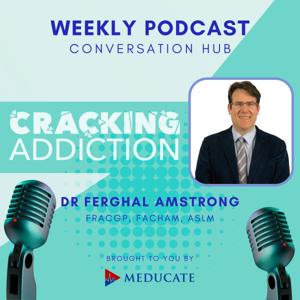


A Step-By-Step Emergency Plan for Coping With Panic and Anxiety.Are you battling sudden anxiety attacks or panic attacks and need how to stop anxiety attacks right now?
In this Cracking Addiction episode, Dr Ferghal Armstrong delivers your emergency anxiety toolkit—a step-by-step plan for anxiety and panic attack help! Whether you’re seeking how to stop panic and anxiety attacks for good, tackling anxiety at work, or fighting how to stop anxiety attacks and overthinking, this guide has you covered.
Dr Ferghal Armstrong explains why panic attacks strike, unpacking the role of adrenaline and hyperventilation in your body. Learn coping strategies and mental health tools like the 54321 technique for grounding techniques, square breathing, and 4-7-8 breathing to calm your mind fast.
Discover paced breathing and progressive muscle relaxation to ease tension, plus dialectical behavior therapy tricks like DBT TIP skills (Temperature, Intense exercise, Paced breathing) to stop anxiety attacks in their tracks—whether at home or anxiety at work.Curious about how to stop anxiety attacks at work or when diazepam fits into anxiety treatment?
Dr. Armstrong reveals when meds help and why your own anxiety management tools often outshine the medicine cabinet. From grounding techniques to environment tweaks, these science-backed mental health tools empower you to take control, no matter if anxiety attacks are new or longstanding.For instant anxiety and panic attack help, grab our FREE downloadable Emergency Anxiety Toolkit infographic—link in the show notes! Save it, print it, or keep it on your phone for how to stop anxiety attacks right now, anytime, anywhere.
This episode blends actionable coping strategies, expert insights from Dr Ferghal Armstrong, and hope to not just survive but command your next panic attack with confidence.
Download the Emergency Toolkit PDF.https://meducate.now/wp-content/uploads/2025/06/MeducateEmergency-Anxiety-Attack-Toolkit.pdf
Chapters00:00:00 Understanding Anxiety and Panic Attacks
00:00:40 Symptoms and Reality—Why Panic Attacks Aren’t Dangerous
00:01:02 The Importance of Having a Clear Plan
00:01:35 Step 1: Acknowledge the Anxiety Attack
00:01:55 Step 2–3: 5-4-3-2-1 Technique)
00:02:42 The Role of Breathing—Hyperventilation and How to Stop It
00:03:07 Breathing Techniques: Square Breathing and 4-7-8 Breathing
00:03:38 Gentle Movement and the TIP DBT Technique
00:04:21 TIP: Temperature, Intense Exercise, Paced Breathing
00:05:19 Progressive Muscle Relaxation
00:06:02 Why Fast Breathing Happens and How to Reverse It
00:06:26 Practical Slow Breathing Exercise
00:06:54 Medication Use: Diazepam Explained
00:07:35 Practice and Preparation: Emergency Anxiety Toolkit
00:08:03 Recap of the Go-To Anxiety Attack Strategy
#AnxietyAttack #PanicAttack #HowToStopAnxietyAttacksRightNow #DrFerghalArmstrong #MentalHealthTools
Do SSRIs Really Work? Understanding Depression Treatment and the Serotonin Debate.Are you wondering how SSRIs work for depression treatment or if they’re right for your mental health? Join Dr. Ferghal Armstrong on Cracking Addiction for a myth-busting dive into selective serotonin reuptake inhibitors, the cornerstone antidepressants for mood disorders like severe depression, mild depression, and moderate depression. This episode unpacks the science behind SSRIs, from the chemical imbalance theory of serotonin to the modern role of neuroplasticity in reshaping brain pathways.Dr. Armstrong explains what do SSRIs do, revealing why antidepressant efficacy isn’t instant—those crucial 4-8 weeks are about brain adaptation, not just a serotonin boost. He breaks down clinical trials, showing where SSRIs outperform the placebo effect and where they fall short, especially for mild depression. With antidepressant controversy swirling, learn why side effects like lethargy or emotional numbness affect many, and why only about half of patients see success, highlighting the need for personalized medicine.This video is essential for anyone navigating depression treatment, supporting loved ones, or prescribing antidepressants as clinicians. Dr. Armstrong explores how therapy options and the therapeutic setting amplify results, while the placebo effect can rival SSRIs in some cases. He tackles real-world challenges, from varying response rates to the push for mental health awareness in choosing the right path.Don’t miss this honest look at SSRIs—their strengths, limits, and role in mental health. Dr. Armstrong’s evidence-based insights from clinical trials empower you to make informed decisions about mood disorders and therapy options. Hit play for trustworthy answers and a fresh perspective on the antidepressant controversy!Chapters00:00:00 Introduction: SSRIs and the Mystery of How They Work00:00:41 How SSRIs Affect Serotonin in the Brain00:01:19 Challenging the Chemical Imbalance Theory00:02:09 Do SSRIs Actually Work? Examining the Evidence00:02:53 The Placebo Effect and Study Limitations00:03:31 Real World Response Rates and What They Mean00:04:05 Clinical Judgment and Finding the Right Treatment00:04:44 Setting Realistic Expectations: SSRIs Are Not Magic Bullets00:05:11 Conclusion: The Evolving Science and Role of SSRIs in Depression
Can You Stop Antidepressants Safely? Tapering, Withdrawal & Advice from Dr. Ferghal ArmstrongAre you—or someone you care about—among the millions taking SSRI antidepressants for anxiety or depression? You're not alone. In this eye-opening episode of Cracking Addiction,
Dr. Ferghal Armstrong dives deep into why Australia has one of the highest rates of antidepressant use in the world, and what that means for long-term health, mental clarity, and emotional well-being.What
You’ll Learn:-What do SSRIs really do to your brain?-Why are so many people on long-term antidepressants?-How to tell the difference between SSRI withdrawal and true relapse-Are SSRIs harmful in the long run?-
The truth about the chemical imbalance theory-Side effects of long-term SSRI use: lethargy, emotional numbness, sexual dysfunction, and more-How to safely taper off antidepressants using Australia’s “Release” programMost antidepressant research focuses on short-term use, but what happens after years or even decades?
This episode reveals the missing pieces in our understanding of long-term SSRI use—and how to take back control if your prescription has turned into a habit.Whether you:-Just started taking SSRIs-Have years of experience with antidepressants-Are a doctor or mental health professional seeking evidence-based strategies-You’ll find practical tools, expert insights, and hope in this episode.
Don't let antidepressants become a silent lifetime sentence.Watch now to learn how to stop safely, avoid withdrawal symptoms, and regain control—with guidance from Addiction Specialist Dr. Ferghal Armstrong.
Like, subscribe, and share your SSRI experience in the comments below!
Subscribe for more on mental health, psychiatry, and addiction science.#ssrians #antidepressants #mentalhealth #depressiontreatment #crackingaddiction #drferghalarmstrong
Chapters
00:00:00 Australia’s High Antidepressant Use: An Alarming Trend
00:00:43 Why Are People Staying on Antidepressants Long Term?
00:01:41 The Habit of Long Term Use: Automatic and Unquestioned
00:02:30 Lack of Evidence for Long Term Effectiveness
00:03:18 Downsides and Side Effects of Chronic Use
00:03:54 Emotional Numbness and Lasting Sexual Dysfunction
00:04:31 Withdrawal vs. Relapse: The Challenge of Stopping
00:05:08 Tapering Difficulties and Lack of Guidelines
00:05:59 The Release Program: A New Approach to Safe Deprescribing
00:06:45 Changing the Narrative: Tools and Support for Safe Discontinuation
Why Alcohol Makes Anxiety Worse
Unravel the Truth! In this Cracking Addiction episode, Dr. Ferghal Armstrong dives into the complex link between anxiety and alcohol.
Ever wondered how are anxiety disorders and alcohol use related? Discover why drinking to ease social anxiety or anxiety and drinking can spiral into alcohol and anxiety disorder, leaving you with hangxiety—that dreaded anxiety after drinking. Only 20% of people with anxiety and alcohol abuse use alcohol to self-medicate, but the risks are huge. Learn how alcohol effects disrupt brain chemistry, fueling a feedback loop where anxiety and drinking worsen each other.
Dr. Armstrong reveals why quitting alcohol and anxiety go hand-in-hand and why traditional treatments often fail for mental health struggles. Get practical tips to break the cycle and build real coping skills! Why watch? Bust myths and find hope for anxiety and alcohol recovery.
Subscribe for more mental health insights!Share your story below!Chapters00:00:00 The Reality of Self-Medicating Anxiety with Alcohol
00:00:42 Prevalence and Demographics of Self-Medication
00:01:27 Who is Most at Risk for Self-Medicating?
00:02:18 Short-Term Relief, Long-Term Harm
00:03:04 Increased Risks: Dependence, Depression, and Suicidality
00:03:39 The Bidirectional Cycle: Anxiety and Alcohol
00:04:25 Withdrawal, Protracted Abstinence, and the Vicious Cycle
00:04:53 The Psychological Feedback Loop
00:05:32 Why People with Anxiety Turn to Alcohol
00:06:10 Personality, Coping Skills, and Self-Medication
00:07:06 Dual Diagnosis: Why Traditional Treatments Often Fail
00:07:51 Integrated CBT: Treating Anxiety and Alcohol Use Together
00:08:53 Clinical Practice—Prevention, Questions, and Skills for Coping
00:09:30 Recovery Is Possible with Integrated Care
Tackling Dual Diagnosis: Treating Alcohol Dependence and Depression Together.Struggling with Alcohol and Depression? Unlock Dual Diagnosis Solutions! In this Cracking Addiction episode, Dr. Ferghal Armstrong explores cross addiction dual diagnosis, revealing why alcohol patients also suffer from dual diagnosis.
Learn what is dual diagnosis and how dual diagnosis and comorbidity—like alcohol and depression—create a vicious cycle. Did you know 64% of those with alcohol problems face clinical depression? Discover how alcohol, a depressant, worsens mental health, and why siloed treatments fail.
Dr. Armstrong breaks down dual diagnosis treatment strategies, including cognitive-behavioral therapy (CBT), motivational interviewing (MI), and screening tools like AUDIT and PHQ-9. Get practical tips to tackle drink problems and boost recovery through integrated dual diagnosis channel care.
Why watch? Gain hope with compassionate, holistic approaches to alcohol and depression recovery.
Subscribe for more mental health insights!
Share your story below!
Chapters
00:00:00 Alcohol and Depression: A Complicated Relationship
00:00:41 Prevalence and the Vicious Cycle
00:01:24 Correlation and Causation: The Two-Way Street
00:01:53 How Alcohol Triggers Depression
00:02:27 Psychosocial Consequences and Escalating Depression
00:02:55 Depression Leading to Alcohol Use: Self-Medication
00:03:34 The Impact on Quality of Life
00:04:10 Challenges with Traditional Treatment Approaches
00:04:55 Integrated Dual Diagnosis Care: CBT and MI
00:05:32 Case Example: Sam’s Story
00:06:06 The Importance of Aftercare and Ongoing Support
00:06:38 Medication, Screening, and Clinical Considerations
00:07:35 Stigma and the Need for Compassionate Care
00:08:17 Key Takeaways and Summing Up
00:08:48 Final Message: Recovery Is Possible
How Australia's Free Naloxone Program Saves 3 Lives EVERY DAY!Australia’s Naloxone Program: Saving Lives, Closing Gaps, and Fighting Opioid Overdose Deaths Addiction Specialist
Dr. Ferghal Armstrong dives into the life-saving power of naloxone (Narcan), reversing drug overdoses from fentanyl and painkillers, saving 3 lives daily.
Learn how it works as a “blocker” to restore breathing in minutes, plus life-saving techniques from paramedic school and first responder OD training.
Shocking gaps persist: Victoria Police can’t carry naloxone, 40% of pharmacies don’t stock it, and stigma endangers families. Uncover overdose EMT insights, policy failures, and reforms needed to combat drug OD as synthetic opioids hit Australia.
Chapters
00:00:00 Naloxone Saves Lives: Introduction and Key Facts
00:00:39 How Naloxone Works: Mechanism and Safety
00:01:15 Forms of Naloxone and Accessibility for the Public
00:02:10 Evidence Supporting Community Naloxone Programs
00:02:57 Successes and Gaps in Australia’s Take Home Naloxone Program
00:03:56 Emerging Threats: Synthetic Opioids and Urgency of Intervention
00:04:44 Victoria’s Policy Disconnect: Police and Naloxone Access
00:05:19 Legal Barriers and Double Standards in Overdose Response
00:06:12 Litigation Fears and Naloxone Supply Pressures
00:06:54 Misconceptions about Overdose Risk: Prescription Opioids
00:07:39 The Need for Culture Change: Normalizing Naloxone Access
00:08:20 Solutions and Recommendations: Closing the Gaps
00:09:17 Final Thoughts: Lives Saved with Better Policy
#overdoseprevention #FentanylOverdose #HarmReduction
What Really Happens To Your Body On Ecstasy?Curious about the real truth behind Ecstasy (MDMA)? Think it’s a “safe party drug”? Think again! In this eye-opening episode of Cracking Addiction, Dr. Ferghal Armstrong dives deep into everything you need to know about ecstasy—from its detailed pharmacology, shocking side effects, and hidden dangers to its emerging use in PTSD treatment research.
Dr. Armstrong breaks down the science behind ecstasy’s effects, explaining how its chemical cousins like PMA and PMMA can increase the risk of fatal overdose—sometimes with just one pill. You’ll learn about the difference between street names like “Molly”, “XTC”, and “Beans”, and why what you think you’re taking might be far more dangerous than it seems. Discover how these drugs impact the brain, causing potentially life-threatening problems such as serotonin syndrome, hyperthermia, hyponatremia, and even psychosis or severe depression days after use.
The episode explores why ecstasy produces feelings of empathy, heightened sensory experiences, and emotional connection, but also why it can lead to erectile dysfunction and a dreaded “ecstasy hangover.” Special attention is given to gender differences—did you know women face unique risks, including much higher chances of serious complications?
If you’re concerned about party drugs, fascinated by psychopharmacology, or care about your mental health and the safety of your friends, this is a must-watch! Keywords like MDMA dangers, ecstasy overdose, serotonin syndrome, party drug risks, stimulant toxicity, PTSD research, MDMA side effects, raves, pill testing, harm reduction are all tackled with clarity and compassion.
Have you ever wondered about the difference between alcohol withdrawal and drug withdrawal? In this episode, Dr. Ferghal Armstrong breaks down alcohol withdrawal vs drug withdrawal, shedding light on the unique signs and timelines of each.
Explore the world of intoxication and withdrawal—from pinpoint pupils in opioid intoxication to cerebellar signs in alcohol intoxication. Learn to recognize the symptoms of alcohol withdrawal, including seizures, hallucinations, autonomic hyperarousal, delirium tremens, insomnia, and agitation.
Discover how these differ from opioid withdrawal, which presents with flu-like symptoms, yawning, and anxiety.Dr. Armstrong walks you through the alcohol withdrawal timeline, compares it to opioid withdrawal, and explains the neurobiology behind neuroexcitation and psychiatric arousal.
This is essential knowledge for understanding substance use, whether you're a health professional or simply curious about the human brain.
This video also touches on the role of medications like benzodiazepines and tramadol, and how respiratory depression can be a critical concern in certain types of intoxication.
00:00:00 Introduction to Intoxication and Withdrawal
00:00:50 Intoxication: Pupils and Seizures
00:02:37 Intoxication and Bowel Sounds
00:03:37 Alcohol and Opioid Intoxication Differences
00:03:37 Withdrawal: General Phenomena
00:04:27 Alcohol vs. Opioid Withdrawal
00:05:16 Summary and Conclusion
Ever wondered how a urine drug test really works—or how some people try to beat the system? This is the ultimate guide you've been searching for! In this compelling video, I dive deep into the fascinating world of urine drug testing, breaking down the science, procedures, and myths behind it all.From the urine drug test collection procedure to the detection windows for substances like cannabis, cocaine, opiates, and alcohol metabolites, we cover everything you need to know. You'll learn why urine is one of the most commonly used biological samples, thanks to its higher drug metabolite concentrations and longer detection periods.Curious about how to pass a drug test? I reveal the common tactics people use in an attempt to fool the system—like diluting samples, using synthetic urine, or detox kits—and explain why most of them don’t work.We also explore the Australian guidelines for urine drug screening, look at the differences between screening and confirmatory testing, and discuss which substances might evade a standard drug test.Whether you're fascinated by forensics, involved in healthcare, or just curious about drug testing, this video is packed with insights. Don't miss it!00:00:00 Introduction to Urine Drug Screening00:01:01 Biological Substrates for Drug Testing00:02:16 Detection Windows for Common Drugs00:04:07 Screening vs. Confirmatory Testing00:05:47 GCMS and LCMS Testing00:06:33 Legally Defined Cutoff Levels in Australia00:09:09 Drugs Not Detected on Standard Panels00:10:16 Errors and Cross-Reactivity in Drug Testing00:11:58 False Negatives and Evasion Techniques00:12:43 Adulteration and Evasion Techniques00:14:32 Health Risks of Adulteration00:16:33 Individual Patient Factors00:17:37 Urine Collection and Observed Testing Guidelines00:18:48 Conclusion
Curious about what cocaine withdrawal feels like? In this video, We break down everything you need to know about tackling the tough but manageable cocaine withdrawal journey. Join Dr Ferghal Armstrong for an engaging and insightful discussion as I explore the phases of cocaine withdrawal, their psychological effects, and practical tips to navigate each stage with confidence.We’ll cover the initial crash phase, the intense withdrawal phase, and the final extinction phase, giving you a clear picture of what to expect during recovery. I’ll also share key strategies to ease cocaine withdrawal symptoms, including psychoeducation, proper nutrition, and sleep hygiene—tools that can make all the difference in managing this process effectively.
00:00:00 Introduction and Disclaimer
00:00:46 Cocaine Withdrawal Overview
00:01:54 Cocaine Withdrawal Timeline
00:03:11 Managing Cocaine Withdrawal
00:04:19 Diazepam Use in Withdrawal
00:06:21 Supportive Medications
00:07:19 Discharge Planning
00:08:32 Relapse Prevention Strategies
00:09:47 Pharmacotherapy Options
00:10:42 Relapse Rates and Prognosis
00:13:11 Conclusion on Recovery Prospects
From the publisher's feed
Ranked by our users in the last 21 days

21,067 Listeners

1,259 Listeners
130 Listeners

18 Listeners

14,910 Listeners

8,560 Listeners
1,349 Listeners
730 Listeners

291 Listeners

27,700 Listeners

573 Listeners

363 Listeners

29,191 Listeners

256 Listeners
155 Listeners