
Sign up to save your podcasts
Or

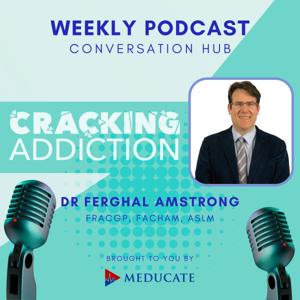


In a stunning breakthrough, Stanford researchers have unveiled a potential game-changer in the fight against PTSD and traumatic brain injury.
This episode dives deep into the science and promise behind Ibogaine therapy, a powerful plant-based treatment showing an astonishing 86% remission rate for PTSD after just one session. T
he study focused on 30 special forces veterans, exploring a groundbreaking approach known as the MISTIC protocol—Magnesium Ibogaine Therapy for Traumatic Injury to the Central Nervous System.Ibogaine, derived from the African Tabernanthe iboga shrub, interacts with multiple neurotransmitter systems and boosts brain-derived neurotrophic factor, helping the brain to repair itself.
What’s even more compelling? These veterans didn’t just feel better emotionally—they demonstrated significant cognitive improvements, including sharper memory, problem-solving, and focus.
The treatment also showed remarkable safety when paired with magnesium, alleviating concerns about past cardiac risks. While the trial wasn’t placebo-controlled, the neuropsychological improvements were objective and hard to dismiss.
With additional holistic care like breathwork and coaching, this integrative method represents a promising frontier for treating PTSD, depression, and anxiety. It's not yet available in the U.S., but this research could ignite the change.
Addiction isn't just about choices—it's also in your genes.New research reveals that your risk for alcohol, opioid, and cannabis addiction might be genetically linked—even if you've never touched a substance in your life. In this episode, we break down a study of over 1 million people that uncovered a powerful genetic factor tied to addiction, impulse control, ADHD, and even emotional regulation.🎯 Why does this matter?Because understanding your genetic makeup could change how we screen, prescribe, and prevent addiction—before it even starts.Whether you're in healthcare, recovery, or just curious about how your brain works—this one's a game-changer.Watch now to learn how your DNA might be shaping your relationship with risk, substances, and self-control.#AddictionScience #GeneticsExplained #MedHeads
Cannabis and Psychosis: What 66,000 People RevealedCannabis and Psychosis: What Science REALLY Says Is cannabis as harmless as many believe? A groundbreaking study of over 66,000 people says… not quite. In our latest video, we break down the science linking cannabis use—especially daily and high-potency strains—to a significantly increased risk of developing psychosis. This isn’t just paranoia or temporary effects. We're talking diagnosable psychotic disorders.Key highlights:4x risk with daily useRisk increases with frequencyNo “safe” usage thresholdImplications for those with a family history of mental illnessWhether you’re a casual smoker, regular user, or just curious about cannabis and mental health, this video gives you the facts—straight from peer-reviewed science.Watch now and let’s talk about what this means for the future of cannabis use.#CannabisPsychosis #MentalHealthAwareness #CannabisTruth
Does Cannabis Really Help with Anxiety? | The Science Explained
For years, many have turned to weed for anxiety relief, but new research suggests the truth might be more complex. In this video, we uncover what 20 years of scientific studies reveal about how THC and CBD actually affect your mental health and anxiety levels.
You’ll learn:
The real science behind cannabis and anxietyHow THC vs. CBD impacts your brain differentlyWhy some people feel calmer while others get more anxious
The truth about short-term relief vs. long-term effectsWhat recent studies say about cannabis and depression risk
Whether you’re a regular user, medical patient, or just curious, this video will help you understand what’s really happening in your brain when you use cannabis for stress or anxiety.
Don’t trust influencer hype — get evidence-based facts backed by real science.
Watch till the end to discover how different cannabis strains may affect your anxiety in unpredictable ways.
#CannabisAndAnxiety #CannabisScience #THCandCBD #WeedForAnxiety #MentalHealthMatters #AnxietyRelief #CBDResearch #THCEffects #MarijuanaFacts #BrainHealth
The Drug Landscape Has Changed—Are You Ready? Australia is now facing one of the deadliest evolutions in synthetic opioids—nitazenes. With potency levels up to 20 times higher than fentanyl, these hidden killers are showing up in fake pills, club drugs, and even "safe" prescriptions. Most users don’t even know they’ve taken them… until it’s too late.In this week’s Cracking Addiction episode, Dr. Fergal Armstrong dives deep into the pharmacology, clinical signs, and harm reduction strategies practitioners need to know—plus, why current toxicology screens are leaving clinicians in the dark.
This episode of Cracking Addiction delivers a powerful, evidence-packed message on how smoking profoundly impacts reproductive health, pregnancy, and the lifelong wellbeing of children.
Dr. Ferghal Armstrong takes viewers beyond the commonly known risks of cancer and lung disease, diving deep into the lesser-discussed but critically important topic of tobacco’s effects on fertility, fetal development, and transgenerational health.
Through compelling research and clinical insight, the video outlines how smoking reduces fertility in both men and women, accelerates ovarian aging, and increases the risk of miscarriage, ectopic pregnancy, and birth defects.
Listeners will learn about the dangerous chemicals—like nicotine and carbon monoxide—that cross the placenta, causing fetal hypoxia, impaired growth, and even structural abnormalities like cleft palate or limb defects.
The episode doesn’t stop at birth. It highlights how prenatal tobacco exposure can alter brain development, leading to ADHD, behavioural issues, and poor academic outcomes. It even shows how smoking can reprogram genes epigenetically, raising the risk for diabetes, hypertension, and obesity in adulthood.
Importantly, this video is a call to action for healthcare providers and families alike. It emphasises that quitting smoking—especially early in pregnancy—can dramatically reduce these risks.
You’ll also get key clinical strategies for effective smoking cessation, secondhand smoke management, and partner involvement.If you’re a parent, healthcare provider, or planning a family, this video is a must-watch.
Share it with anyone who needs to hear the truth about smoking and pregnancy.
Chapters:
00:00 – Smoking harms babies even before pregnancy begins
00:37 – Smoking’s impact on female fertility and conception
01:05 – Effects of smoking on male reproductive health
01:30 – The dangers of smoking during pregnancy
02:10 – How smoking leads to low birth weight and placenta damage02:34 – Birth defects linked to maternal smoking02:49 – Nicotine’s effects on fetal brain development
03:14 – Smoking and risk of SIDS
03:37 – Secondhand smoke and infant health
04:00 – Long-term epigenetic consequences of smoking
04:22 – Smoking cessation during pregnancy: why it works
04:48 – Key clinical tips for healthcare providers
05:17 – Don’t forget the partner and postnatal phase
05:33 – Counseling even before pregnancy is crucial
05:50 – Final takeaway: smoking is a transgenerational risk
Every puff of cigarette smoke delivers toxic chemicals deep into your lungs—triggering a cascade of damage that most people don’t realise until it’s too late. Dr. Ferghal Armstrong dives into the devastating effects of smoking on lung health, from early symptoms like chronic cough to advanced stages of chronic obstructive pulmonary disease (COPD) and emphysema.You'll learn how cigarette smoke impacts the respiratory system, destroying protective cilia, paralysing the mucociliary escalator, and overwhelming the lungs' ability to repair themselves. Discover the difference between chronic bronchitis and emphysema, how they contribute to irreversible lung damage, and why many patients don’t get diagnosed until their breathlessness is severe.This video also explains the clinical side: how spirometry detects obstructive patterns, how CT scans reveal emphysematous changes, and why smoking cessation is the only proven way to slow disease progression. We cover genetic risk factors like alpha-1 antitrypsin deficiency, the dangers of secondhand and thirdhand smoke, and how smoking during pregnancy affects fetal lung development.Whether you're a healthcare student, medical professional, or someone affected by smoking, this is your complete guide to understanding the long-term respiratory complications of smoking—and how to protect yourself and others.Chapters00:00 – How Cigarette Smoke First Damages the Lungs00:28 – Lungs: The Organ Most Exposed to Smoking00:51 – The Respiratory Defense System and Cilia Destruction01:10 – Chronic Bronchitis: A Structural Disease01:33 – COPD Explained: Chronic Bronchitis + Emphysema01:52 – Emphysema: Alveolar Breakdown from Smoke02:24 – Symptoms and Clinical Progression of COPD02:47 – Asthma and the Smoking Connection03:04 – Asthma-COPD Overlap Syndrome (ACOS)03:14 – Smoking and Respiratory Infections03:32 – Idiopathic Pulmonary Fibrosis and Smoking03:44 – Cellular and Inflammatory Pathways of Damage04:15 – Genetic Susceptibility and Alpha-1 Antitrypsin Deficiency04:38 – A Typical COPD Patient Case05:02 – Diagnostic Tools: Spirometry, Imaging, and Blood Gases05:15 – Why Smoking Cessation Matters Most05:26 – Secondhand and Thirdhand Smoke Effects05:58 – Impact of Smoking During Pregnancy06:15 – Clinical Advice for Early Detection and Prevention06:59 – Patient Awareness: Link Smoking with Breathlessness07:09 – Teaser for the Next Episode: Smoking and Reproduction
Smoking’s Secret Weapon: Vascular Poison in Every Puff
In this high-voltage episode of Cracking Addiction,
Dr Ferghal Armstrong delivers a powerful reminder: cardiovascular disease is the most immediate risk of smoking—not just lung cancer years down the line.
Even minimal exposure—whether a couple of cigarettes a day or inhaling secondhand smoke—is enough to trigger endothelial dysfunction, inflammation, thrombosis, and lipid imbalances that accelerate life-threatening atherosclerosis.
Dr Armstrong breaks down the mechanisms: smoking impairs your artery lining, stiffens your vessels, raises blood pressure, and encourages plaque buildup and rupture.
It triggers systemic inflammation via cytokines like IL‑6 and TNF‑α, elevates CRP, activates platelets, and creates a hypercoagulable state—making clots cling and resist dissolution. Oxidized LDL fuels foam cell formation, and carbon monoxide starves tissues of oxygen, forcing your heart to work harder against all odds.
He then lays out the devastating cardiovascular outcomes: from coronary heart disease and stroke to aortic aneurysm, peripheral artery disease, sudden cardiac death, and accelerated heart failure. Secondhand smoke is nearly as lethal, impairing coronary flow and increasing event risk by up to 30% after just half an hour of exposure.
But here’s the saving grace: cardiovascular harm reverses fast when you stop. Your heart attack risk begins dropping within 24 hours, halved by one year, and can approach that of a non‑smoker over time—which Dr Armstrong calls a “powerful motivator.”
He ties it all together with clinical guidance: view smoking as a vascular poison, assess second‑hand smoke when evaluating cardiovascular risk, monitor key markers (lipids, CRP, ECGs), and deliver birch‑clear cessation messages like, "quitting today cuts your heart attack risk in half within a year."
If you're looking for a video that’s evidence-packed, urgent, and deeply motivating to help you or your loved ones quit smoking—this episode is a tailored wake‑up call.
The Shocking Truth About Smoking and Cancer!
Part 3
This video dives deep into the molecular chaos caused by tobacco smoke, revealing how it doesn’t just increase cancer risk—it drives it.
Every puff delivers over 7,000 chemicals, including 69 known carcinogens like benzo-A-pyrene and formaldehyde.
These toxins bind to DNA, creating harmful adducts that trigger mutations, particularly in critical genes like TP53, which regulate cell growth.
The damage isn’t limited to the lungs—smoking wreaks havoc on the bladder, pancreas, cervix, and more.
From oxidative stress to epigenetic changes, tobacco smoke is a silent saboteur of your body’s defenses.
But the danger doesn’t stop there.
Secondhand smoke and third-hand smoke (residual chemicals on surfaces) also pose risks, especially for children.
The video unpacks how even light smoking carries significant cancer risks, debunking the myth that “social smoking” is safe.
This episode is a must-watch for anyone curious about how smoking rewires your biology. Whether you’re a smoker, a healthcare professional, or a curious viewer, this video will leave you thinking:
Cigarettes Today Are Engineered for Addiction — Here's How.
PART 1 of 6 "Unfiltered: Inside the Smoke"T
oday’s cigarettes are a far cry from the simple tobacco rolls of the past. In this explosive episode of Cracking Addiction, Dr. Ferghal Armstrong pulls back the curtain on how modern cigarette design has been weaponised to supercharge nicotine addiction, deepen smoke inhalation, and manipulate public perception.
Learn how the tobacco industry has transformed cigarettes into highly engineered nicotine delivery systems. Discover the shocking role of ammonia additives, menthol flavoring, and filter ventilation in increasing the speed and intensity of nicotine absorption. Understand why "light" and "low-tar" cigarettes aren’t safer—they’re just deceptive.
Dr. Armstrong explores the impact of over 600 legal cigarette additives, from burn rate enhancers to flavor-masking agents, and how these innovations have been marketed to specific populations, especially through menthol cigarettes.
You’ll also find out how cigarette filters, once thought to reduce harm, may actually contribute to microplastic inhalation.
This episode is essential for anyone interested in smoking cessation, lung cancer prevention, and the evolving tactics of the vaping industry.
Don’t miss this deep dive into tobacco product manipulation, nicotine dependence, and the public health crisis engineered by design.
From the publisher's feed
Ranked by our users in the last 21 days

21,067 Listeners

1,259 Listeners
130 Listeners
18 Listeners

14,910 Listeners

8,560 Listeners
1,349 Listeners

730 Listeners

291 Listeners

27,700 Listeners

573 Listeners
363 Listeners

29,191 Listeners

256 Listeners
155 Listeners