
Sign up to save your podcasts
Or

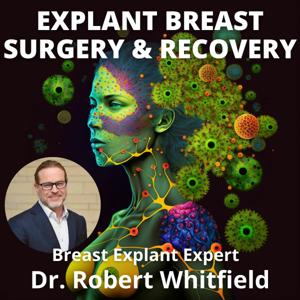

Breast Implant Illness (BII) symptoms affect every system of the body, even gut health. In fact, many patients encounter chronic inflammation, a common symptom of BII, and can have a cascading effect on the gut. Inflammation in the body can disrupt the normal functioning of the gastrointestinal system and can disrupt the balance of hormones like estrogen and testosterone, potentially leading to reduced libido.
While the impact of breast implants on aesthetics and confidence is well-known, the effects on overall health, including sexual health, are equally important and deserve our attention. That is why in today’s episode, we’ll be talking about breast implant illness in relation to libido.
Even before any surgical operation for whatever purpose, we have to take into consideration the differences in genetics of every patient. In fact, evaluating the patient’s genetics is vital to ensure full healing or recovery after undergoing an explant or breast implant removal.
Understanding a patient's genetic makeup allows for a more personalized approach to treatment and recovery. It enables healthcare providers to anticipate potential complications and tailor their strategies to ensure optimal healing and recovery. This is particularly essential for those with BII, as the condition's severity can vary widely among individuals due to their genetic predisposition.
Many of us are aware that sunlight exposure is a natural way to boost Vitamin D levels since sunlight converts Vitamin D into Vitamin D3. While sun exposure has its benefits, excessive amounts can harm your skin and potentially lead to skin cancer. From a genetic perspective, however, it's important to determine if you have the genetic components necessary for effectively utilizing Vitamin D, particularly in its converted form, Vitamin D3.
Genetic issues can arise in three key areas. Firstly, some individuals may struggle to convert Vitamin D to D3 due to genetic factors. Even if you're getting enough sunlight, poor genetic function in this area can hinder the process. Secondly, transportation of activated Vitamin D3 can be problematic for certain individuals, resulting in reduced amounts of the active form available to the body. Lastly, there can be issues with the binding of activated Vitamin D3 to its receptor, preventing it from effectively aiding your body's functions.
As stated, understanding personal genetics plays a key role not just pre and post-surgical operations but even in different aspects concerning one’s health. In fact, the lack of essential nutrients can have implications for various aspects of health, including libido, and shed light on the potential impact of breast implant illness on your overall well-being and sexual function.
In my formulations, I've prioritized liquids over capsules or pills whenever possible because I understand that people often experience pill fatigue. A liquid supplement, such as a mouth spray, can offer a simple solution. With just a quick spray and holding it in your mouth for around 30 seconds, it gets absorbed efficiently, meeting your Vitamin D metabolism needs.
Aside from Vitamin D, there are other essential vitamins that we should consider in our daily routines, and one of them is Vitamin B6, which plays a significant role in sexual function. Vitamin B6 helps regulate sex hormones and can boost libido. In both men and women, it aids in balancing estrogen and testosterone levels, as well as supporting essential neurotransmitters like serotonin and dopamine.
You can find Vitamin B6 in various foods, including bananas, avocados, potatoes, cottage cheese, and tomatoes. Incorporating these items into your diet can be a beneficial step toward improving your overall sexual health and well-being.
As a breast implant illness specialist, I see many patients who have chronic inflammation, gut absorption issues, and other health problems. These conditions can make it difficult to absorb nutrients, including B vitamins. B vitamins are essential for many bodily functions, including sexual function. If you cannot methylate your B vitamins, you may experience impaired sexual function.
If you are concerned about the impact of breast implant illness on your libido or overall health, I recommend talking to your doctor. They can help you determine if you have any underlying health conditions that are contributing to your symptoms. You may also want to consider working with a functional medicine practitioner who can help you address the root cause of your health problems.
I see many patients who are struggling with sexual dysfunction. There are many factors that can contribute to this problem, including vitamin absorption issues, genetics, stress, and inflammation. It is thus crucial to have optimal energy levels within our cells. When cellular waste accumulates due to inefficient clearance mechanisms, it can hinder various cellular processes, including energy production by mitochondria. This is where antioxidants like vitamin C and vitamin E come into play, as they help support these pathways.
However, if you face issues with vitamin absorption or have a lower-functioning antioxidant pathway, your energy levels can drop, which can directly impact your sexual function. To address this, we provide vitamin C in a liquid formulation to enhance absorption and restore energy levels.
I believe that the key to addressing sexual dysfunction is achieving balance and addressing the root causes of inflammation. This involves a comprehensive approach, including genetic analysis, food sensitivity testing, gut microbiome assessments, hormone testing, and toxicity assessments through urine tests. It's important to recognize that chronic inflammation, such as in the case of breast implant illness, can negatively impact libido.
Dr. Robert Whitfield’s Website
Follow Dr. Rob on Instagram
For more information on Virtual and In Person Consultations, we always answer our messenger personally:
 View all episodes
 By Robert Whitfield MD

4.8
2222 ratings
Breast Implant Illness (BII) symptoms affect every system of the body, even gut health. In fact, many patients encounter chronic inflammation, a common symptom of BII, and can have a cascading effect on the gut. Inflammation in the body can disrupt the normal functioning of the gastrointestinal system and can disrupt the balance of hormones like estrogen and testosterone, potentially leading to reduced libido.
While the impact of breast implants on aesthetics and confidence is well-known, the effects on overall health, including sexual health, are equally important and deserve our attention. That is why in today’s episode, we’ll be talking about breast implant illness in relation to libido.
Even before any surgical operation for whatever purpose, we have to take into consideration the differences in genetics of every patient. In fact, evaluating the patient’s genetics is vital to ensure full healing or recovery after undergoing an explant or breast implant removal.
Understanding a patient's genetic makeup allows for a more personalized approach to treatment and recovery. It enables healthcare providers to anticipate potential complications and tailor their strategies to ensure optimal healing and recovery. This is particularly essential for those with BII, as the condition's severity can vary widely among individuals due to their genetic predisposition.
Many of us are aware that sunlight exposure is a natural way to boost Vitamin D levels since sunlight converts Vitamin D into Vitamin D3. While sun exposure has its benefits, excessive amounts can harm your skin and potentially lead to skin cancer. From a genetic perspective, however, it's important to determine if you have the genetic components necessary for effectively utilizing Vitamin D, particularly in its converted form, Vitamin D3.
Genetic issues can arise in three key areas. Firstly, some individuals may struggle to convert Vitamin D to D3 due to genetic factors. Even if you're getting enough sunlight, poor genetic function in this area can hinder the process. Secondly, transportation of activated Vitamin D3 can be problematic for certain individuals, resulting in reduced amounts of the active form available to the body. Lastly, there can be issues with the binding of activated Vitamin D3 to its receptor, preventing it from effectively aiding your body's functions.
As stated, understanding personal genetics plays a key role not just pre and post-surgical operations but even in different aspects concerning one’s health. In fact, the lack of essential nutrients can have implications for various aspects of health, including libido, and shed light on the potential impact of breast implant illness on your overall well-being and sexual function.
In my formulations, I've prioritized liquids over capsules or pills whenever possible because I understand that people often experience pill fatigue. A liquid supplement, such as a mouth spray, can offer a simple solution. With just a quick spray and holding it in your mouth for around 30 seconds, it gets absorbed efficiently, meeting your Vitamin D metabolism needs.
Aside from Vitamin D, there are other essential vitamins that we should consider in our daily routines, and one of them is Vitamin B6, which plays a significant role in sexual function. Vitamin B6 helps regulate sex hormones and can boost libido. In both men and women, it aids in balancing estrogen and testosterone levels, as well as supporting essential neurotransmitters like serotonin and dopamine.
You can find Vitamin B6 in various foods, including bananas, avocados, potatoes, cottage cheese, and tomatoes. Incorporating these items into your diet can be a beneficial step toward improving your overall sexual health and well-being.
As a breast implant illness specialist, I see many patients who have chronic inflammation, gut absorption issues, and other health problems. These conditions can make it difficult to absorb nutrients, including B vitamins. B vitamins are essential for many bodily functions, including sexual function. If you cannot methylate your B vitamins, you may experience impaired sexual function.
If you are concerned about the impact of breast implant illness on your libido or overall health, I recommend talking to your doctor. They can help you determine if you have any underlying health conditions that are contributing to your symptoms. You may also want to consider working with a functional medicine practitioner who can help you address the root cause of your health problems.
I see many patients who are struggling with sexual dysfunction. There are many factors that can contribute to this problem, including vitamin absorption issues, genetics, stress, and inflammation. It is thus crucial to have optimal energy levels within our cells. When cellular waste accumulates due to inefficient clearance mechanisms, it can hinder various cellular processes, including energy production by mitochondria. This is where antioxidants like vitamin C and vitamin E come into play, as they help support these pathways.
However, if you face issues with vitamin absorption or have a lower-functioning antioxidant pathway, your energy levels can drop, which can directly impact your sexual function. To address this, we provide vitamin C in a liquid formulation to enhance absorption and restore energy levels.
I believe that the key to addressing sexual dysfunction is achieving balance and addressing the root causes of inflammation. This involves a comprehensive approach, including genetic analysis, food sensitivity testing, gut microbiome assessments, hormone testing, and toxicity assessments through urine tests. It's important to recognize that chronic inflammation, such as in the case of breast implant illness, can negatively impact libido.
Dr. Robert Whitfield’s Website
Follow Dr. Rob on Instagram
For more information on Virtual and In Person Consultations, we always answer our messenger personally:
1,086 Listeners

7,249 Listeners
9,194 Listeners

642 Listeners

819 Listeners

150 Listeners

14,719 Listeners

1,561 Listeners
521 Listeners
300 Listeners
1,472 Listeners

1,685 Listeners

1,412 Listeners

32 Listeners
3,131 Listeners