
Sign up to save your podcasts
Or

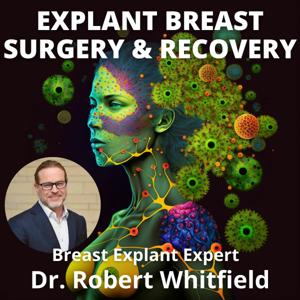

We’ve already defined what breast implant illness is in the previous podcast episode. It’s a broad term but to put it simply, it is a component of the overall inflammation in your system.
There’s also a need to look at the other components that contribute to your overall inflammation in order to prevent breast implant illness or at least prevent it from worsening. That’s why we have to identify food sensitivities as well. We have to look at how your body absorbs the food you consume.
An analysis of your stool sample’s DNA may be conducted to identify what stimulates you to become inflamed from your diet. However, it remains to be a tough challenge understanding and diagnosing how much inflammation someone has.
Consequently, it’s difficult to understand and diagnose breast implant illness because of that. With my experience of doing thousands of explants, I already know my way through this.
One of the potential ways to reduce your risk of developing inflammation that contributes to breast implant illness is identifying your surgeon for the best possible operative procedure whether it’s for reconstructive or cosmetic surgery. It greatly helps to have a great and trusted surgeon to discuss your condition with.
It’s important to carefully choose the right implant for your patient. The size of the implant must fit the frame of the patient while still giving an aesthetic outcome.
Make sure to monitor the status of your patient and her implant throughout the patient’s healing journey not just during the first year but also for the subsequent years to ensure that there are no issues. In my clinic, we have been using a high definition ultrasound for monitoring.
For those who noticed any changes in your implants, make sure to check with your provider to confirm if there’s any noticeable change or trauma. After that consultation, make sure to follow up just to make sure.
There are alternative therapies for those who are not comfortable with the risks associated with breast implants. We perform fat transfer for patients seeking natural breast augmentation. It accentuates the natural breasts’ form and unlike in an implant, it’s between the skin and fatty layer and above the breast tissue.
It’s difficult to change more than a cup size with a fat transfer so if you’re the patient, clearly set out your expectations with regard to what you’re seeking to change visually.
It’s important to make sure that the patients understand all the risks and benefits of the procedures. For fat transfer, factors such as the skin stretch, overall breast size, pregnancies and other history of the patient who wants to get a cup size change are taken into consideration.
As for breast implants, the patients are informed about the risks of breast implant associated cancers and other risks associated with the development of breast implants. That’s why having a qualified professional surgeon who is knowledgeable about these things is important.
If they don’t really understand things like how a patient’s genetic predisposition or overall toxicity affects the implants, it’s going to be tough for them to understand your condition and keep track of the status of your implants.
Dr. Robert Whitfield’s Website
Follow Dr. Rob on Instagram
For more information on Virtual and In Person Consultations, we always answer our messenger personally:
Let’s Connect...
Get access to Dr. Rob's Favorite Products below:
 View all episodes
 By Robert Whitfield MD

4.8
2222 ratings
We’ve already defined what breast implant illness is in the previous podcast episode. It’s a broad term but to put it simply, it is a component of the overall inflammation in your system.
There’s also a need to look at the other components that contribute to your overall inflammation in order to prevent breast implant illness or at least prevent it from worsening. That’s why we have to identify food sensitivities as well. We have to look at how your body absorbs the food you consume.
An analysis of your stool sample’s DNA may be conducted to identify what stimulates you to become inflamed from your diet. However, it remains to be a tough challenge understanding and diagnosing how much inflammation someone has.
Consequently, it’s difficult to understand and diagnose breast implant illness because of that. With my experience of doing thousands of explants, I already know my way through this.
One of the potential ways to reduce your risk of developing inflammation that contributes to breast implant illness is identifying your surgeon for the best possible operative procedure whether it’s for reconstructive or cosmetic surgery. It greatly helps to have a great and trusted surgeon to discuss your condition with.
It’s important to carefully choose the right implant for your patient. The size of the implant must fit the frame of the patient while still giving an aesthetic outcome.
Make sure to monitor the status of your patient and her implant throughout the patient’s healing journey not just during the first year but also for the subsequent years to ensure that there are no issues. In my clinic, we have been using a high definition ultrasound for monitoring.
For those who noticed any changes in your implants, make sure to check with your provider to confirm if there’s any noticeable change or trauma. After that consultation, make sure to follow up just to make sure.
There are alternative therapies for those who are not comfortable with the risks associated with breast implants. We perform fat transfer for patients seeking natural breast augmentation. It accentuates the natural breasts’ form and unlike in an implant, it’s between the skin and fatty layer and above the breast tissue.
It’s difficult to change more than a cup size with a fat transfer so if you’re the patient, clearly set out your expectations with regard to what you’re seeking to change visually.
It’s important to make sure that the patients understand all the risks and benefits of the procedures. For fat transfer, factors such as the skin stretch, overall breast size, pregnancies and other history of the patient who wants to get a cup size change are taken into consideration.
As for breast implants, the patients are informed about the risks of breast implant associated cancers and other risks associated with the development of breast implants. That’s why having a qualified professional surgeon who is knowledgeable about these things is important.
If they don’t really understand things like how a patient’s genetic predisposition or overall toxicity affects the implants, it’s going to be tough for them to understand your condition and keep track of the status of your implants.
Dr. Robert Whitfield’s Website
Follow Dr. Rob on Instagram
For more information on Virtual and In Person Consultations, we always answer our messenger personally:
Let’s Connect...
Get access to Dr. Rob's Favorite Products below:

1,086 Listeners

7,249 Listeners
9,194 Listeners

642 Listeners

819 Listeners

150 Listeners

14,719 Listeners

1,561 Listeners
521 Listeners

300 Listeners

1,472 Listeners

1,685 Listeners

1,412 Listeners

32 Listeners
3,131 Listeners