
Sign up to save your podcasts
Or

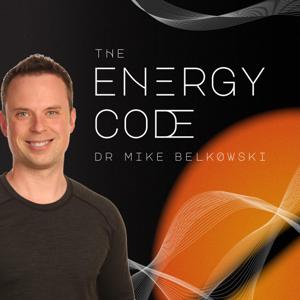

In this Energy Code Deep Dive, Dr. Mike Belkowski and Don Bailey challenge one of the biggest assumptions in reproductive health: that age-related infertility is only about “running out of time.” Instead, they explore a bold idea from a 2024 case series—what if the deeper issue is running out of cellular energy?
This episode unpacks a study on multi-wavelength red and near-infrared photobiomodulation (PBM) used in women ages 40–43 with difficult fertility histories, including failed IVF cycles and miscarriages. The hosts explain why the egg cell is the most mitochondria-dense cell in the body, how mitochondrial decline affects egg quality and chromosomal accuracy, and how PBM may help by boosting ATP production, improving blood flow, reducing inflammation, and supporting the reproductive environment.
They also break down the surprisingly systemic treatment protocol (abdomen, lower back, neck, lymph, gut), why multi-wavelength light matters for tissue depth, and the three case outcomes that make this paper so compelling: 3 women treated, 3 live births.
The big takeaway: fertility may not just be a hormonal “software” issue, it may be a mitochondrial hardware and energy issue.
(Educational content only, not medical advice.)
-
Article Discussed in Episode:
The Efficacy of Multiwavelength Red and Near-Infrared Transdermal Photobiomodulation Light Therapy in Enhancing Female Fertility Outcomes and Improving Reproductive Health: A Prospective Case Series with 9-Month Follow-Up
-
Key Quotes From Dr. Mike:
“What if the problem isn’t that women are running out of time? What if the problem is simply that they’re running out of energy?”
“If you could fix that energy problem, you might just be able to rewrite the entire code on fertility.”
“The human oocyte contains more mitochondria than any other cell in the body.”
“You are literally recharging the biological battery of the egg.”
“If you only used red light, you’d be treating the skin, but totally missing the engine room.”
“Perhaps the future of fertility… is simply about turning on the light.”
-
Key points
-
Episode timeline
0:19–1:14 — Intro and paradigm shift setup
The hosts challenge the “biological clock” narrative and introduce the idea that infertility may be more about energy than time.
1:14–2:19 — Paper overview and study focus
Introduction to the 2024 PBM fertility paper and the core question: can light improve outcomes in women with prior IVF failure/miscarriage?
2:19–3:22 — Why this patient group matters
They highlight that the study focused on women 40–43, a group often considered poor prognosis, and preview the 3-for-3 live birth outcome.
3:22–6:33 — The mitochondria–fertility connection
Deep dive into why egg cells require so much energy, mitochondrial decline with age, and how ATP shortages may lead to chromosomal errors (aneuploidy).
6:33–8:33 — How PBM may help biologically
8:38–11:28 — The protocol: where they applied the light
Breakdown of treatment areas:
Includes discussion of vagus nerve and stress/reproductive state switching.
11:28–13:01 — Why multi-wavelength light matters
Explanation of 660 nm + 810/850/940 nm, penetration depth, and why one wavelength alone is insufficient for a systemic fertility protocol.
13:04–14:38 — Case 1: recurrent pregnancy loss → euploid embryos + live birth
A 41-year-old with a difficult history produces euploid embryos after PBM and delivers at age 42.
14:39–16:27 — Case 2: 4 failed IVF cycles → successful day-3 transfer
Higher-frequency PBM during stimulation appears to improve the uterine environment and support earlier embryo transfer success.
16:31–18:33 — Case 3: IVF setbacks → natural conception after PBM
A dramatic case where IVF setbacks are followed by a PBM protocol for natural conception, resulting in pregnancy.
18:39–20:17 — Safety discussion and protocol changes during pregnancy
How treatment was modified in early pregnancy (no abdominal treatment), plus discussion of penetration depth and maternal support.
20:18–22:32 — Big-picture interpretation: hardware vs software
The hosts summarize the 3 cases and argue fertility care often ignores the “hardware” (mitochondria, blood flow, energy).
22:32–23:45 — Closing reflections and final takeaway
PBM is framed as a non-invasive, drug-free way to energize the body and potentially support fertility by addressing root cellular energy issues.
24:00–24:14 — Outro / review request
Podcast close and call to follow/review.
-
Dr. Mike's #1 recommendations:
Deuterium depleted water: Litewater (code: DRMIKE)
-
Stay up-to-date on social media:
Dr. Mike Belkowski:
BioLight:
Website
YouTube
 View all episodes
 By Dr. Mike Belkowski

4.8
124124 ratings
In this Energy Code Deep Dive, Dr. Mike Belkowski and Don Bailey challenge one of the biggest assumptions in reproductive health: that age-related infertility is only about “running out of time.” Instead, they explore a bold idea from a 2024 case series—what if the deeper issue is running out of cellular energy?
This episode unpacks a study on multi-wavelength red and near-infrared photobiomodulation (PBM) used in women ages 40–43 with difficult fertility histories, including failed IVF cycles and miscarriages. The hosts explain why the egg cell is the most mitochondria-dense cell in the body, how mitochondrial decline affects egg quality and chromosomal accuracy, and how PBM may help by boosting ATP production, improving blood flow, reducing inflammation, and supporting the reproductive environment.
They also break down the surprisingly systemic treatment protocol (abdomen, lower back, neck, lymph, gut), why multi-wavelength light matters for tissue depth, and the three case outcomes that make this paper so compelling: 3 women treated, 3 live births.
The big takeaway: fertility may not just be a hormonal “software” issue, it may be a mitochondrial hardware and energy issue.
(Educational content only, not medical advice.)
-
Article Discussed in Episode:
The Efficacy of Multiwavelength Red and Near-Infrared Transdermal Photobiomodulation Light Therapy in Enhancing Female Fertility Outcomes and Improving Reproductive Health: A Prospective Case Series with 9-Month Follow-Up
-
Key Quotes From Dr. Mike:
“What if the problem isn’t that women are running out of time? What if the problem is simply that they’re running out of energy?”
“If you could fix that energy problem, you might just be able to rewrite the entire code on fertility.”
“The human oocyte contains more mitochondria than any other cell in the body.”
“You are literally recharging the biological battery of the egg.”
“If you only used red light, you’d be treating the skin, but totally missing the engine room.”
“Perhaps the future of fertility… is simply about turning on the light.”
-
Key points
-
Episode timeline
0:19–1:14 — Intro and paradigm shift setup
The hosts challenge the “biological clock” narrative and introduce the idea that infertility may be more about energy than time.
1:14–2:19 — Paper overview and study focus
Introduction to the 2024 PBM fertility paper and the core question: can light improve outcomes in women with prior IVF failure/miscarriage?
2:19–3:22 — Why this patient group matters
They highlight that the study focused on women 40–43, a group often considered poor prognosis, and preview the 3-for-3 live birth outcome.
3:22–6:33 — The mitochondria–fertility connection
Deep dive into why egg cells require so much energy, mitochondrial decline with age, and how ATP shortages may lead to chromosomal errors (aneuploidy).
6:33–8:33 — How PBM may help biologically
8:38–11:28 — The protocol: where they applied the light
Breakdown of treatment areas:
Includes discussion of vagus nerve and stress/reproductive state switching.
11:28–13:01 — Why multi-wavelength light matters
Explanation of 660 nm + 810/850/940 nm, penetration depth, and why one wavelength alone is insufficient for a systemic fertility protocol.
13:04–14:38 — Case 1: recurrent pregnancy loss → euploid embryos + live birth
A 41-year-old with a difficult history produces euploid embryos after PBM and delivers at age 42.
14:39–16:27 — Case 2: 4 failed IVF cycles → successful day-3 transfer
Higher-frequency PBM during stimulation appears to improve the uterine environment and support earlier embryo transfer success.
16:31–18:33 — Case 3: IVF setbacks → natural conception after PBM
A dramatic case where IVF setbacks are followed by a PBM protocol for natural conception, resulting in pregnancy.
18:39–20:17 — Safety discussion and protocol changes during pregnancy
How treatment was modified in early pregnancy (no abdominal treatment), plus discussion of penetration depth and maternal support.
20:18–22:32 — Big-picture interpretation: hardware vs software
The hosts summarize the 3 cases and argue fertility care often ignores the “hardware” (mitochondria, blood flow, energy).
22:32–23:45 — Closing reflections and final takeaway
PBM is framed as a non-invasive, drug-free way to energize the body and potentially support fertility by addressing root cellular energy issues.
24:00–24:14 — Outro / review request
Podcast close and call to follow/review.
-
Dr. Mike's #1 recommendations:
Deuterium depleted water: Litewater (code: DRMIKE)
-
Stay up-to-date on social media:
Dr. Mike Belkowski:
BioLight:
Website
YouTube

785 Listeners
365 Listeners
7,213 Listeners

4,999 Listeners
722 Listeners

1,723 Listeners

4,900 Listeners

3,466 Listeners
9,254 Listeners

169 Listeners
1,091 Listeners
1,777 Listeners
842 Listeners
525 Listeners
305 Listeners