
Sign up to save your podcasts
Or

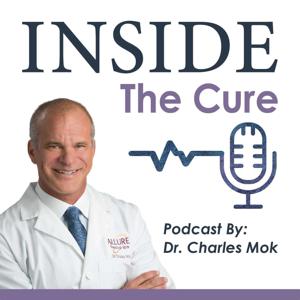


If you’ve been told a bulging or herniated disc is “just something you live with,” this conversation may change how you think about your spine.
Today, Dr. Charles Mok sits down with Dr. Brigitte Rozenberg to unpack a common question: can a herniated disc heal without surgery, and what it actually takes for the body to have the right mechanical environment to improve function.
Dr. Brigitte Rozenberg, DC, is the Founder and Clinical Director behind one of the country’s most innovative models in non-surgical spinal care. With over 30 years of clinical experience, she has built Spinatomy Spine & Disc Centers into a multi-location practice with three centers and a growing business license model. Her proprietary treatment protocol, Advanced Spinal Restoration Therapy™ (ASRT), has helped thousands of patients find lasting relief from chronic pain, without surgery, without drugs, and without compromise.
In this episode, we discuss why imaging findings (like bulging discs on MRI) don’t always equal symptoms, and why early “tiny signals” matter, especially if you care about longevity, mobility, and staying active as you age. You’ll also hear how advanced conservative approaches may support disc rehydration, reduce irritation, and improve strength and stability over time.
If you’re researching can a herniated disc heal without surgery, this is a practical framework to help you understand non-surgical options beyond “rest and meds,” including how clinicians think about decompression, tissue support, and building resilience so you can keep doing the activities you love.
Save these tips for later.
Episode Links:
https://www.instagram.com/drrozenberg
https://www.linkedin.com/in/backpainreliefspecialist/
https://www.facebook.com/drrchiro/
https://www.instagram.com/spinatomycenters/
https://www.tiktok.com/@spinatomy
https://www.youtube.com/@spinatomyspineanddisccenter
Learn More: https://www.alluremedical.com/
Books & Research: https://www.alluremedical.com/books/
Follow Dr. Charles Mok & Allure Medical:
LinkedIn: https://www.linkedin.com/in/charles-mok-4a0432114/
Instagram: https://www.instagram.com/alluremedicals/
YouTube: https://www.youtube.com/@AllureMedical
TikTok: https://www.tiktok.com/@alluremedical
Amazon Store: https://www.amazon.com/stores/Dr.-Charles-Mok/author/B0791M9FZQ
Inner Circle Membership: https://www.alluremedic
#insidethecure #backpainrelief #spinalhealth #spinaldecompression #spinalsurgery
Most people think “balance” is just standing on one foot… but real life doesn’t work that way. If you’ve ever felt unsteady on stairs, in a crowded room, or just getting up too quickly, you’re not alone, and it’s usually not just “age.”
Today's guest is Eileen Kopsaftis, BS, PT, FAFS, CMI, NE. She is the founder of Have Lifelong Wellbeing. Eileen is an eclectically trained physical therapist, nutrition educator, and best-selling author of two books, "Pain Culprits!" and "Aging Culprits!" Her passion is to teach people how to age without decline and move without pain. Eileen uses her extensive post-graduate education of more than 2,000 hours in a unique approach to resolve the root causes of pain and dysfunction. Teaching accurate facts about pain, movement, and aging that are mostly unknown is her specialty.
In this episode, we break down balance training to prevent falls in a way that actually makes sense for everyday life. You’ll hear the key difference between balance (holding a position) and stability (regaining your position after you’re bumped, rushed, or off-center). That distinction changes how you should train, especially if you want to keep moving confidently in your 50s, 60s, 70s and beyond.
We also touch on why posture, strength, and mobility work together, and why “quick fixes” that only mask symptoms don’t build the resilience your body needs long term. The goal is simple: smarter movement now, fewer limitations later.
If you want a clearer plan and a practical way to start, Listen to the full conversation. It’s one of the most important perspectives on balance training to prevent falls and aging well that we’ve shared.
Episode Links:
https://havelifelongwellbeing.com/
https://mwpprivateclub.com/
https://hlwacademy.com/
https://www.youtube.com/c/EileenKopsaftis
Learn More: https://www.alluremedical.com/
Books & Research: https://www.alluremedical.com/books/
Follow Dr. Charles Mok & Allure Medical:
LinkedIn: https://www.linkedin.com/in/charles-mok-4a0432114/
Instagram: https://www.instagram.com/alluremedicals/
YouTube: https://www.youtube.com/@AllureMedical
TikTok: https://www.tiktok.com/@alluremedical
Amazon Store: https://www.amazon.com/stores/Dr.-Charles-Mok/author/B0791M9FZQ
Inner Circle Membership: https://www.alluremedic
#insidethecure #mobility #balance #stability #improvebalance
Cholesterol can look “normal” and you can still have plaque.
In this episode, we break down proactive heart disease screening before a heart attack or stroke—starting with the coronary calcium score test and when to consider coronary CT angiography (CTA). We explain why prevention shouldn’t rely on a basic lipid panel alone, and how risk factors like family history, diabetes, and borderline labs may justify earlier imaging.
You’ll learn what a coronary calcium score does (and doesn’t) show, and how advanced CTA plaque analysis helps visualize plaque, measure type and volume, and assess true cardiovascular risk—not just estimate it.
If you’re wondering whether you should be screened due to genetics or early heart disease in your family, this conversation helps you understand the right questions to ask a qualified provider.
Share this with someone who needs it. For more information on heart disease prevention and screening options, reach out through our website.
Timestamps
00:00 – Why reactive healthcare fails
00:27 – Preventing heart attacks before they happen
00:44 – Why waiting for chest pain is too late
02:16 – Risk factors vs. actual plaque
03:18 – Coronary calcium score explained
03:41 – What is coronary CTA plaque analysis?
05:06 – Measuring plaque type and volume
06:50 – Who should screen earlier
09:59 – Who benefits most from proactive prevention
12:43 – Calcium score: screening vs. monitoring
16:52 – Women & soft plaque limitations
20:18 – Treat heart disease a decade early
Learn More: https://www.alluremedical.com/
Books & Research: https://www.alluremedical.com/books/
Follow Dr. Charles Mok & Allure Medical:
LinkedIn: https://www.linkedin.com/in/charles-mok-4a0432114/
Instagram: https://www.instagram.com/alluremedicals/
YouTube: https://www.youtube.com/@AllureMedical
TikTok: https://www.tiktok.com/@alluremedical
Amazon Store: https://www.amazon.com/stores/Dr.-Charles-Mok/author/B0791M9FZQ
Inner Circle Membership: https://www.alluremedic
#insidethecure
Menopause symptoms can hit harder than most women expect: sleep problems, night sweats, mood changes, brain fog, low libido, and weight gain can suddenly feel out of your control.
If you’ve tried creams or patches and still don’t feel like yourself, it may be time to learn why some patients explore hormone pellet therapy for women as another option. At Allure Medical, we focus on personalized care, because hormone needs are not “one-size-fits-all.”
Our team evaluates symptoms and history to help determine whether a customized plan may support your goals, including energy, steady mood, more restorative sleep, and more comfortable intimacy. Unlike daily pills or topical products, pellet therapy is designed to deliver a steady release over time (with ongoing monitoring and adjustments when needed).
This conversation also highlights why so many women were left confused about hormone therapy for years, and why the discussion around safety, dosing, and individualized care matters.
If you’re researching hormone pellet therapy for women, start with the right questions: What symptoms are you treating? What delivery method fits your lifestyle? What does proper monitoring look like?
Timestamps:
00:00 - Surgical menopause & the symptoms nobody prepared you for
01:30 - Why many women still feel awful on patches/creams
04:20 - When HRT finally “clicks” for symptom relief
05:25 - Menopause + weight gain + libido: why it’s all connected
07:10 - Why absorption and dosing can vary (and why it matters)
09:20 - Where the fear around hormone therapy came from
13:20 - Why the HRT conversation is shifting again
16:20 - Pellet therapy explained: what it is + what to expect
17:25 - Why some women don’t feel the first pellet right away
Learn More: https://www.alluremedical.com/
Books & Research: https://www.alluremedical.com/books/
Follow Dr. Charles Mok & Allure Medical:
LinkedIn: https://www.linkedin.com/in/charles-mok-4a0432114/
Instagram: https://www.instagram.com/alluremedicals/
YouTube: https://www.youtube.com/@AllureMedical
TikTok: https://www.tiktok.com/@alluremedical
Amazon Store: https://www.amazon.com/stores/Dr.-Charles-Mok/author/B0791M9FZQ
Inner Circle Membership: https://www.alluremedic
#insidethecure
When hormones decline, intimacy can start to feel like a chore—but it doesn’t have to. In this conversation, we break down what’s really happening during perimenopause and menopause, and how hormone therapy for low libido can support sexual wellness without shame or confusion.
We discuss how hormonal shifts affect arousal, sensitivity, vaginal dryness, and pleasure, and why many women see improvements with personalized hormone therapy using estrogen, progesterone, and/or testosterone.
We also explore additional in-office treatments for women who need more support beyond hormones, including PRP-based therapies, targeted injections, and non-surgical wellness technologies designed to improve comfort and function.
If you’re considering HRT for low libido, or you’re already on hormone therapy but still don’t feel like yourself, this episode helps you understand your options and find what fits your body and goals.
Timestamps:
00:00 – Low hormones & why intimacy can feel like a chore
00:26 – Perimenopause & menopause: why libido changes
00:44 – How HRT supports arousal, intimacy & orgasm
01:07 – Why sexual wellness matters
01:55 – PRP options: O-Shot & G-Shot overview
03:13 – Topicals, medications & oxytocin explained
04:20 – Non-surgical pelvic wellness therapies
06:48 – Vaginal dryness & tissue support options
08:22 – Painful sex: post-treatment solutions
09:03 – Next steps: working with a women-led care team
Learn More: https://www.alluremedical.com/
Books & Research: https://www.alluremedical.com/books/
Follow Dr. Charles Mok & Allure Medical:
LinkedIn: https://www.linkedin.com/in/charles-mok-4a0432114/
Instagram: https://www.instagram.com/alluremedicals/
YouTube: https://www.youtube.com/@AllureMedical
TikTok: https://www.tiktok.com/@alluremedical
Amazon Store: https://www.amazon.com/stores/Dr.-Charles-Mok/author/B0791M9FZQ
Inner Circle Membership: https://www.alluremedic
#insidethecure
Swollen, heavy, or restless legs aren’t always just part of aging. In many cases, they’re signs of underlying vein disease that can be diagnosed and treated.
In this episode, we explain how swelling, varicose veins, and skin discoloration are connected to circulation—and why catching vein disease early can make treatment easier and recovery smoother.
We cover the full spectrum, from spider veins and visible varicose veins to advanced venous insufficiency and ulcers, and how modern, non-surgical treatments can help patients feel and function better.
We also discuss why vein disease can be harder to spot in people of color and why ultrasound evaluations are key to identifying issues that aren’t visible on the skin.
If you’re experiencing heaviness, swelling, discoloration, or restless legs, it may be time to consider vein disease as the cause.
Timestamps:
00:00 - Swollen or tired legs are not “just aging”
00:24 - Early signs: heaviness, swelling, restless legs
00:53 - Spider veins vs. varicose veins: when to worry
01:18 - Venous insufficiency and progressing vein disease
01:40 - From swelling to skin discoloration and ulcers
02:06 - Vein disease in people of color (without visible veins)
02:35 - Why an ultrasound is key to diagnosing vein problems
03:10 - Treatment for mild vein disease: office-based, non-surgical
03:42 - Treating advanced swelling and discoloration
04:01 - Caring for venous ulcers and preventing recurrence
04:24 - What improves (and what may not) after treatment
04:55 - Why early treatment protects long-term leg health
05:32 - When to see a vein specialist and what to ask
Learn More: https://www.alluremedical.com/
Books & Research: https://www.alluremedical.com/books/
Follow Dr. Charles Mok & Allure Medical:
LinkedIn: https://www.linkedin.com/in/charles-mok-4a0432114/
Instagram: https://www.instagram.com/alluremedicals/
YouTube: https://www.youtube.com/@AllureMedical
TikTok: https://www.tiktok.com/@alluremedical
Amazon Store: https://www.amazon.com/stores/Dr.-Charles-Mok/author/B0791M9FZQ
Inner Circle Membership: https://www.alluremedic
#insidethecure
Sleep apnea is often thought of as loud snoring or poor sleep, but its impact goes far beyond the bedroom.
In this episode, we explain how NightLase treatment for sleep apnea may support deeper sleep, better airflow, and improved overall wellness for certain patients.
At Allure Medical, we see many individuals who don’t fit the “typical” sleep apnea profile. Some struggle with fatigue, brain fog, poor focus, or symptoms they never connected to sleep quality. When breathing is disrupted during sleep, the body may never reach restorative deep sleep stages, affecting the brain, cardiovascular system, digestion, and more.
This educational discussion breaks down how NightLase treatment for sleep apnea works, who may be a candidate, and why identifying sleep-disordered breathing early matters. You’ll also learn how improving sleep quality can support cognitive performance, daytime alertness, and long-term health.
NightLase treatment for sleep apnea is one of several options available today. While it may not be right for everyone, it represents a non-surgical approach that some patients explore when CPAP or other therapies are difficult to tolerate.
TIMESTAMPS:
00:00 - A Patient Story That Changed Everything
00:34 - What Is NightLase Treatment for Sleep Apnea?
00:39 - How Sleep Apnea Disrupts Deep Sleep
01:03 - Why Deep Sleep Matters for Brain Health
01:16 - Who Is (and Isn’t) a Typical Sleep Apnea Patient
01:27 - How Many Treatments Are Usually Needed
01:52 - Unexpected Improvements Patients Notice
02:49 - Sleep Apnea, Focus, and Daytime Alertness
03:36 - Sleep Apnea and Whole-Body Health
04:23 - Other Treatment Options Besides NightLase
04:44 - Why Screening for Sleep Apnea Matters
Learn More: https://www.alluremedical.com/
Books & Research: https://www.alluremedical.com/books/
Follow Dr. Charles Mok & Allure Medical:
LinkedIn: https://www.linkedin.com/in/charles-mok-4a0432114/
Instagram: https://www.instagram.com/alluremedicals/
YouTube: https://www.youtube.com/@AllureMedical
TikTok: https://www.tiktok.com/@alluremedical
Amazon Store: https://www.amazon.com/stores/Dr.-Charles-Mok/author/B0791M9FZQ
Inner Circle Membership: https://www.alluremedic
#insidethecure
Wondering whether PRP or stem cell therapy is better for your knee pain?
In this video, we break down PRP vs stem cell therapy for knee pain in clear, practical terms so you can understand your options before committing to surgery. We explain how both platelet-rich plasma (PRP) and stem cell therapy use your own cells to support healing, but are designed for different stages of joint damage. PRP is often better for injuries, inflammation, chronic tendon problems, and early arthritis, while stem cell therapy may be more appropriate for advanced or “bone-on-bone” arthritis when you’re trying to delay or avoid knee replacement.
You’ll learn:
-When PRP is typically recommended vs stem cells
-How these regenerative treatments are performed
-The difference between fat-derived, bone marrow, and umbilical stem cells
-Why movement and joint health are essential for long-term longevity
Our goal is to help you make an informed decision about PRP vs stem cell therapy for knee pain, not to replace medical advice from your own provider.
Timestamps:
00:00 - PRP vs stem cells: which works better?
00:20 - How PRP and stem cells support healing
00:42 - Rotator cuff PRP success story
01:26 - When PRP is best: injuries, inflammation & early arthritis
02:17 - When stem cells are best: advanced degeneration & arthritis
02:41 - Where stem cells come from: fat, bone marrow, umbilical sources
03:48 - Why we often prefer fat-derived stem cells & banking options
05:45 - PRP vs stem cells for knee pain: key decision factors
06:53 - PRP for arthritis: symptom relief vs long-term regeneration
07:29 - Stem cells for “bone-on-bone” arthritis and joint repair
08:37 - Alternatives to knee replacement: what to consider before surgery
Learn More: https://www.alluremedical.com/
Books & Research: https://www.alluremedical.com/books/
Follow Dr. Charles Mok & Allure Medical:
LinkedIn: https://www.linkedin.com/in/charles-mok-4a0432114/
Instagram: https://www.instagram.com/alluremedicals/
YouTube: https://www.youtube.com/@AllureMedical
TikTok: https://www.tiktok.com/@alluremedical
Amazon Store: https://www.amazon.com/stores/Dr.-Charles-Mok/author/B0791M9FZQ
Inner Circle Membership: https://www.alluremedic
Most health insurance is designed to treat disease after it shows up, not to keep you truly healthy or extend your life.
In this video, we explain how longevity medicine and preventive screening can help reduce your risk of heart attacks, cancer, dementia, and other predictable causes of death. We walk through a practical “pyramid” of health: starting with foundations like exercise, VO₂ max, strength, sleep, stress management, and nutrition.
From there, we move into regenerative medicine tools such as hormone replacement therapy, testosterone support for men, joint and arthritis treatment, metabolic weight-loss programs, venous circulation care, and sleep apnea treatment. Then we explore advanced preventive screening that goes beyond basic labs, coronary calcium scores, CIMT, full-body MRI, and neuro-quantitative brain scans that can reveal problems years before symptoms appear.
Our goal with longevity medicine and preventive screening is not just to add years to your life, but to add quality to those years. We want you to understand your real risks early and know what options exist before a major event occurs.
Timestamps:
00:00 — Why Health Insurance Doesn’t Create Longevity
02:10 — Phase 1: Fitness, VO₂ Max & Lifestyle Foundations
03:35 — Why Being Fit Makes You Harder to Kill
04:15 — Phase 2: Regenerative Medicine & Hormone Therapy
06:30 — Weight Loss, Metabolic Health & Lifespan
07:30 — Sleep Apnea and 3x Higher Mortality Risk
08:15 — Phase 3: Preventing Predictable Causes of Death
08:40 — Advanced Heart Screening Beyond Standard Labs
09:40 — Full-Body MRI, Cancer Screening & Early Detection
10:20 — Brain Imaging and Early Dementia Risk
11:55 — Biological Age vs Chronological Age
12:30 — Reversing Heart Disease Risk with Data
13:10 — Why Knowing Your Risk Early Changes Everything
Learn More: https://www.alluremedical.com/
Books & Research: https://www.alluremedical.com/books/
Follow Dr. Charles Mok & Allure Medical:
LinkedIn: https://www.linkedin.com/in/charles-mok-4a0432114/
Instagram: https://www.instagram.com/alluremedicals/
YouTube: https://www.youtube.com/@AllureMedical
TikTok: https://www.tiktok.com/@alluremedical
Amazon Store: https://www.amazon.com/stores/Dr.-Charles-Mok/author/B0791M9FZQ
Inner Circle Membership: https://www.alluremedical.com/inner-circle-membership/
Subscribe to the show & leave a 5-star review!
#insidethecure
What really happens after your first hormone pellet treatment?
If you’ve ever wondered how long hormone pellets take to work, or what changes you should expect in the first few weeks, this video explains the full timeline in a clear, realistic way. Hormone pellet therapy is designed to release steady, bioidentical hormones over time, so improvements develop gradually rather than all at once.
In this episode, I break down the exact process, including when symptoms typically begin to improve, how the first pellet compares to future treatments, and why consistent follow-ups matter for long-term success.
You’ll learn what most women experience at the 2-week mark, why results continue building over the first 90 days, and how our 30- and 60-day check-ins help ensure you’re on the right track. Whether you’re dealing with fatigue, weight changes, low libido, hot flashes, or brain fog, understanding the hormone pellet therapy timeline can help you feel more confident and prepared.
If you’ve been researching hormone pellets, hormone pellet therapy, or how long hormone pellets take to work, this episode gives you a straightforward overview based on clinical experience.
Timestamps:
00:00 — What Happens After Your First Hormone Pellet Treatment
00:15 — Why Menopause Symptoms Happen
00:33 — How Hormone Pellets Release Over Time
00:55 — When You’ll Start Feeling the First Improvements
01:16 — Why the Second Pellet Often Works Even Better
01:35 — The Purpose of 30- and 60-Day Follow-Up Visits
01:55 — Understanding the Full Hormone Pellet Timeline
02:20 — What Improvements You Can Expect Over 90 Days
02:40 — “Try It Before You Buy It” Program Overview
03:00 — Is Hormone Pellet Therapy Right for You?
Learn More: https://www.alluremedical.com/
Books & Research: https://www.alluremedical.com/books/
Follow Dr. Charles Mok & Allure Medical:
LinkedIn: https://www.linkedin.com/in/charles-mok-4a0432114/
Instagram: https://www.instagram.com/alluremedicals/
YouTube: https://www.youtube.com/@AllureMedical
TikTok: https://www.tiktok.com/@alluremedical
Amazon Store: https://www.amazon.com/stores/Dr.-Charles-Mok/author/B0791M9FZQ
Inner Circle Membership: https://www.alluremedical.com/inner-circle-membership/
Subscribe to the show & leave a 5-star review!
#insidethecure
From the publisher's feed
7,183 Listeners

4,990 Listeners

7,241 Listeners
643 Listeners
2,110 Listeners

4,086 Listeners
4 Listeners
297 Listeners
1,681 Listeners

19,285 Listeners
1,198 Listeners
10 Listeners
105 Listeners

17 Listeners
174 Listeners