
Sign up to save your podcasts
Or



🔥 What if the biggest obstacle to healing chronic illness isn't finding the right medication... but helping your cells recover from years of inflammation, infection, and stress? Read UnCurable to explore a deeper perspective on chronic illness, root-cause medicine, and why healing often begins at the cellular level.
What if chronic illness is really a problem of cellular communication?
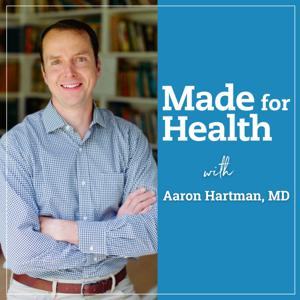
In this episode of Made for Health, Dr. Aaron Hartman welcomes Dr. Melanie Stein, ND, a licensed naturopathic physician, acupuncturist, and founder of Restorative Health Clinic, to discuss why chronic illnesses such as Lyme disease, mold toxicity, mast cell activation syndrome (MCAS), POTS, and long COVID often share a common thread: impaired cellular function.
Dr. Stein shares her remarkable personal journey from suddenly waking up unable to move her legs during naturopathic medical school to being told her symptoms were "all in her head." After developing a bullseye rash and ultimately discovering she had Lyme disease, she began a years-long journey into functional medicine that transformed both her health and her career.
Together, Dr. Hartman and Dr. Stein explore the science behind the Cell Danger Response, cell membrane health, mitochondrial function, phospholipid therapy, neural therapy, photobiomodulation, peptide therapy, and other emerging approaches that aim to restore the body's ability to heal rather than simply suppress symptoms.
About the Guest
Dr. Melanie Stein, ND, is a licensed naturopathic physician, acupuncturist, and founder of Restorative Health Clinic in Portland, Oregon. She earned her Doctorate in Naturopathic Medicine and Master's in Acupuncture from the National University of Natural Medicine. After overcoming her own battle with chronic Lyme disease and complex neurological illness, she dedicated her practice to helping patients with chronic infections, mold illness, mast cell activation, POTS, long COVID, and other complex chronic conditions through a root-cause, cellular healing approach.
Key Topics Covered
In This Episode, You Will Learn
✅ Why chronic illness often begins at the cellular level
✅ How inflammation changes the structure and function of cell membranes
✅ Why Lyme disease, mold illness, MCAS, and POTS frequently overlap
✅ How mitochondrial dysfunction contributes to fatigue and chronic symptoms
✅ Why supporting cell membranes may improve healing and resilience
✅ How functional medicine combines nutrition, lifestyle, and advanced therapies to support recovery
Resources & Links
📘 Breaking Through Chronic Illness by Dr. Melanie Stein (Available on Amazon)
🌐 Restorative Health Clinic: https://restorativehealthclinic.com/
📸 Instagram: https://www.instagram.com/drmelaniestein/
🌐 Richmond Integrative & Functional Medicine: https://richmondfunctionalmedicine.com/
📘 UnCurable: https://uncurablebook.com/
Mentioned in this episode:
25% Off Back to School Support for Parents
Back to school asks a lot of parents, too. Support your body through the season with three physician-reviewed, foundation-first essentials: Twice Daily Multi, Quercetin + Nettles, and NAC.
Back to School Support for Parents
25% Off Back to School Support for Parents
Back to school asks a lot of parents, too. Support your body through the season with three physician-reviewed, foundation-first essentials: Twice Daily Multi, Quercetin + Nettles, and NAC.
Back to School Support for Parents
🔥 What if a concussion doesn't end when the headache goes away... but continues to affect your brain, nervous system, and overall health for months or even years? Read UnCurable to explore a deeper perspective on chronic inflammation, brain health, and the hidden root causes that often go overlooked.
What if a concussion is more than just a bump on the head?
In this minisode of Made for Health, Dr. Aaron Hartman begins a new series on traumatic brain injuries by explaining why concussions are far more complex than many people realize. He explores how even seemingly minor head injuries can trigger inflammation, alter brain function, and contribute to long-term health challenges if they are not properly recognized and addressed.
Dr. Hartman discusses the differences between traumatic brain injuries and concussions, the concept of primary versus secondary brain injury, and why normal CT scans or MRIs do not always rule out lasting neurological effects. He also explains how repetitive micro-concussions from sports, falls, and other everyday events may contribute to chronic symptoms, particularly when combined with infections, inflammation, or other stressors later in life.
Key Topics Covered
In This Episode, You Will Learn
✅ Why a concussion is more than simply losing consciousness
✅ How brain inflammation can continue after the initial injury
✅ Why normal imaging does not always mean the brain has fully healed
✅ How repetitive head injuries may contribute to chronic symptoms
✅ Why brain injuries can affect the gut, immune system, and nervous system
✅ How recognizing past concussions may change your healthcare approach
Follow Dr. Aaron Hartman and Richmond Integrative & Functional Medicine
🌐 Website: https://richmondfunctionalmedicine.com/
📺 YouTube: @AaronHartmanMD
Mentioned in this episode:
25% Off Back to School Support for Parents
Back to school asks a lot of parents, too. Support your body through the season with three physician-reviewed, foundation-first essentials: Twice Daily Multi, Quercetin + Nettles, and NAC.
Back to School Support for Parents
25% Off Back to School Support for Parents
Back to school asks a lot of parents, too. Support your body through the season with three physician-reviewed, foundation-first essentials: Twice Daily Multi, Quercetin + Nettles, and NAC.
Back to School Support for Parents
🔥 What if improving women's health starts by recognizing that women are not simply smaller versions of men... but have unique physiology that deserves its own approach? Read UnCurable to explore a deeper perspective on chronic illness, women's health, and why personalized medicine begins with asking better questions.
What if women's health requires an entirely different lens than modern healthcare has traditionally provided?
In this episode of Made for Health, Dr. Aaron Hartman and Dr. Christian Jenski conclude their series on medical blind spots by discussing why women deserve a more personalized approach to healthcare. They explain how female physiology differs throughout every stage of life and why treating women's health as primarily reproductive health has left many patients feeling unseen, unheard, and undertreated.
The conversation explores why intuition, patient advocacy, and individualized care are essential in functional medicine. Dr. Hartman and Dr. Jenski discuss hormone health, personalized testing, therapeutic trials, environmental health, nutrition, and the importance of partnering with healthcare providers who are willing to think beyond conventional algorithms. They also share practical advice for becoming an informed advocate for your own health while avoiding common pitfalls such as misinformation, social media echo chambers, and one-size-fits-all medical advice.
About the Guest
Dr. Christian Jenski is a triple board-certified physician specializing in emergency medicine, obesity medicine, and functional medicine. He works alongside Dr. Aaron Hartman to help patients uncover the root causes of complex chronic illnesses through a systems-based, evidence-informed approach that integrates lifestyle medicine, metabolic health, cardiovascular prevention, and personalized care.
Key Topics Covered
Follow Dr. Aaron Hartman and Richmond Integrative & Functional Medicine
🌐 Website: https://richmondfunctionalmedicine.com/
📺 YouTube: @AaronHartmanMD
Mentioned in this episode:
25% Off Back to School Support for Parents
Back to school asks a lot of parents, too. Support your body through the season with three physician-reviewed, foundation-first essentials: Twice Daily Multi, Quercetin + Nettles, and NAC.
Back to School Support for Parents
25% Off Back to School Support for Parents
Back to school asks a lot of parents, too. Support your body through the season with three physician-reviewed, foundation-first essentials: Twice Daily Multi, Quercetin + Nettles, and NAC.
Back to School Support for Parents
🔥 What if supporting hypermobility starts long before advanced therapies... with giving your connective tissue the nutrients and support it has been missing? Read UnCurable to explore a deeper perspective on connective tissue health, chronic illness, and the foundations that help the body heal.
What if the best treatment for hypermobility starts by rebuilding the body's foundation?
In this minisode of Made for Health, Dr. Aaron Hartman concludes his hypermobility series by outlining a practical, whole-body approach to supporting connective tissue health. Rather than relying on a single therapy, he explains why nutrition, targeted supplementation, bodywork, and regenerative therapies all work together to improve long-term outcomes for people living with hypermobility.
Dr. Hartman discusses why many people with hypermobility require higher protein intake, additional vitamin C, collagen support, trace minerals, anti-inflammatory nutrition, and gut repair strategies. He also explains how therapies such as myofascial work, craniosacral therapy, Pilates, yoga, acupuncture, and regenerative medicine may help improve pain, nervous system regulation, and connective tissue function when used as part of a personalized care plan.
Key Topics Covered
Follow Dr. Aaron Hartman and Richmond Integrative & Functional Medicine
🌐 Website: https://richmondfunctionalmedicine.com/
📺 YouTube: @AaronHartmanMD
Mentioned in this episode:
25% Off Back to School Support for Parents
Back to school asks a lot of parents, too. Support your body through the season with three physician-reviewed, foundation-first essentials: Twice Daily Multi, Quercetin + Nettles, and NAC.
Back to School Support for Parents
25% Off Back to School Support for Parents
Back to school asks a lot of parents, too. Support your body through the season with three physician-reviewed, foundation-first essentials: Twice Daily Multi, Quercetin + Nettles, and NAC.
Back to School Support for Parents
🔥 What if being told "everything looks normal" has less to do with your symptoms... and more to do with the limits of the healthcare system? Read UnCurable to explore a deeper perspective on chronic illness, overlooked diagnoses, and why asking better questions can change lives.
What if medical gaslighting is preventing people from getting the care they truly need?
In this episode of Made for Health, Dr. Aaron Hartman and Dr. Christian Jenski continue their series on medical blind spots by exploring one of healthcare's most damaging challenges: medical gaslighting.
They discuss how patients with chronic symptoms are too often told that "everything is normal" or that their symptoms are caused by stress or anxiety, even when an underlying medical condition has yet to be identified. The conversation highlights why unexplained symptoms should be viewed as unfinished science rather than dismissed as imaginary, and why listening carefully to patients remains one of the most powerful diagnostic tools in medicine.
Through examples including fibromyalgia, perimenopause, POTS, mold-related illness, neurodivergence, autoimmune conditions, and chronic pain, Dr. Hartman and Dr. Jenski explain how curiosity, expanded testing, and a root-cause approach can help uncover conditions that conventional evaluations may overlook.
About the Guest
Dr. Christian Jenski is a triple board-certified physician specializing in emergency medicine, obesity medicine, and functional medicine. He works alongside Dr. Aaron Hartman to help patients uncover the root causes of complex chronic illnesses through a systems-based, evidence-informed approach that integrates lifestyle medicine, metabolic health, cardiovascular prevention, and personalized care.
Key Topics Covered
Follow Dr. Aaron Hartman and Richmond Integrative & Functional Medicine
🌐 Website: https://richmondfunctionalmedicine.com/
📺 YouTube: @AaronHartmanMD
Mentioned in this episode:
25% Off Back to School Support for Parents
Back to school asks a lot of parents, too. Support your body through the season with three physician-reviewed, foundation-first essentials: Twice Daily Multi, Quercetin + Nettles, and NAC.
Back to School Support for Parents
25% Off Back to School Support for Parents
Back to school asks a lot of parents, too. Support your body through the season with three physician-reviewed, foundation-first essentials: Twice Daily Multi, Quercetin + Nettles, and NAC.
Back to School Support for Parents
🔥 What if recognizing hypermobility early could change the course of someone's lifelong health? Read UnCurable to explore a deeper perspective on chronic illness, connective tissue health, and the root causes that often go unnoticed.
What if identifying hypermobility is about much more than checking joint flexibility?
In this minisode of Made for Health, Dr. Aaron Hartman continues his series on hypermobility by explaining how clinicians evaluate connective tissue health beyond the traditional Beighton Score. He discusses why physical examination, body proportions, medical history, and connective tissue findings often provide important clues that standardized screening tools can miss.
Dr. Hartman also explores why hypermobility is fundamentally a connective tissue condition that can influence nearly every organ system, including the nervous system, digestive tract, immune system, cardiovascular system, and musculoskeletal system. He explains how recognizing these patterns early may help guide nutrition, lifestyle interventions, and personalized care strategies that support long-term health.
Key Topics Covered
Follow Dr. Aaron Hartman and Richmond Integrative & Functional Medicine
🌐 Website: https://richmondfunctionalmedicine.com/
📺 YouTube: @AaronHartmanMD
Mentioned in this episode:
25% Off Back to School Support for Parents
Back to school asks a lot of parents, too. Support your body through the season with three physician-reviewed, foundation-first essentials: Twice Daily Multi, Quercetin + Nettles, and NAC.
Back to School Support for Parents
25% Off Back to School Support for Parents
Back to school asks a lot of parents, too. Support your body through the season with three physician-reviewed, foundation-first essentials: Twice Daily Multi, Quercetin + Nettles, and NAC.
Back to School Support for Parents
🔥 What if some of the biggest health challenges people face today are not caused by bad medicine... but by blind spots in the system itself? Read UnCurable to explore a deeper perspective on overlooked diagnoses, chronic symptoms, and the importance of asking better questions when answers are hard to find.
What if some of medicine’s most trusted beliefs have unintentionally harmed the very people they were meant to help?
In this episode of Made for Health, Dr. Aaron Hartman and Dr. Christian Jenski begin a new series exploring medical blind spots, outdated assumptions, and the unintended consequences that can occur when healthcare systems become overly attached to prevailing beliefs.
Using historical examples and modern patient experiences, they discuss how medicine has repeatedly evolved by challenging accepted ideas. From handwashing and infection control to hormone replacement therapy and chronic illness, they examine how some widely accepted medical assumptions have later been proven incomplete or incorrect.
The conversation also highlights how women have often been disproportionately affected by these blind spots, particularly in areas such as autoimmune disease, chronic fatigue, fibromyalgia, hormonal health, fertility, and complex chronic illnesses. Throughout the episode, Dr. Hartman and Dr. Jenski emphasize the importance of curiosity, humility, patient advocacy, and continuously questioning assumptions in the pursuit of better healthcare.
About the Guest
Dr. Christian Jenski is a triple board-certified physician with expertise in emergency medicine, obesity medicine, and functional medicine. He works alongside Dr. Aaron Hartman to help patients uncover root causes of chronic illness through a systems-based and personalized approach to healthcare.
Key Topics Covered
Follow Dr. Aaron Hartman and Richmond Integrative & Functional Medicine
🌐 Website: https://richmondfunctionalmedicine.com/
📺 YouTube: @AaronHartmanMD
🔥 What if one of the most overlooked factors in chronic illness isn't an infection, hormone imbalance, or autoimmune condition... but the connective tissue you're born with? Read UnCurable to explore a deeper perspective on why seemingly unrelated symptoms may share common root causes.
What if hypermobility is the hidden link connecting many of today's most complex health conditions?
In this minisode of Made for Health, Dr. Aaron Hartman introduces hypermobility, a surprisingly common but frequently overlooked trait that may influence everything from chronic pain and fatigue to POTS, mast cell activation, neurodivergence, autoimmune conditions, and digestive health.
He explains that hypermobility exists on a spectrum. For some people, it may contribute to athletic performance, flexibility, and enhanced physical abilities. For others, it can create vulnerabilities that affect connective tissue, nervous system regulation, healing, immune function, and overall resilience.
The episode explores why connective tissue plays a much larger role in health than most people realize and how hypermobility may help explain why certain individuals are more susceptible to chronic symptoms, environmental triggers, infections, and inflammatory conditions.
Key Topics Covered
Follow Dr. Aaron Hartman and Richmond Integrative & Functional Medicine
🌐 Website: https://richmondfunctionalmedicine.com/
📺 YouTube: @AaronHartmanMD
🔥 What if one of the biggest challenges with Lyme disease isn’t treatment… but getting the diagnosis in the first place? Read UnCurable to explore a deeper perspective on chronic illness, missed diagnoses, and the root causes that often go overlooked.
What if Lyme disease is often missed because the testing was never designed to catch every case?
In this episode of Made for Health, Dr. Aaron Hartman and Veronica Porterfield conclude their Lyme disease series by exploring one of the most controversial and misunderstood aspects of Lyme disease: diagnosis and testing.
They explain why Lyme disease can be difficult to identify, why negative test results do not always rule out infection, and how the bacteria’s unique ability to evade the immune system creates significant challenges for conventional testing. The conversation also explores the differences between antibody testing, Western Blot testing, specialty laboratory testing, and emerging diagnostic technologies.
Throughout the discussion, Dr. Hartman and Veronica emphasize the importance of treating the patient rather than relying solely on laboratory results. They also explain how co-infections, chronic immune dysfunction, environmental factors, and gaps in clinician training can contribute to delayed diagnoses and prolonged suffering for many patients.
About the Guest
Veronica Porterfield, PA-C, IFMCP, MS, LN, MPAS is a functional medicine practitioner specializing in Lyme disease, chronic infections, mold-related illness, autoimmune conditions, and complex chronic health challenges. She is known for her root-cause approach to patient care and her expertise in helping patients navigate difficult-to-diagnose chronic illnesses.
Key Topics Covered
Follow Dr. Aaron Hartman and Richmond Integrative & Functional Medicine
🌐 Website: https://richmondfunctionalmedicine.com/
📺 YouTube: @AaronHartmanMD
🔥 What if peptides work best not as a shortcut… but as a way to support the healing systems your body already has? Read UnCurable to explore a deeper perspective on restoring health by removing obstacles and supporting the body's natural ability to heal.
What if peptides are most effective when they support the body's natural healing process?
In this minisode of Made for Health, Dr. Aaron Hartman concludes his peptide series by sharing how he actually uses peptides in clinical practice and where they fit within a functional medicine approach to healing.
Rather than viewing peptides as standalone solutions, Dr. Hartman explains why they work best when combined with strong foundations such as nutrition, sleep, movement, stress management, and correcting nutrient deficiencies. He discusses how peptides can serve as targeted tools that help support healing, tissue repair, immune function, gut recovery, metabolic health, and healthy aging when used appropriately.
The episode also explores who may benefit from peptide therapy, who should avoid it, how practitioners evaluate risk, and why personalized treatment plans remain essential. Throughout the conversation, Dr. Hartman emphasizes a core principle of functional medicine: identify what is preventing the body from healing, remove the obstacles, and provide the support needed for recovery.
Key Topics Covered
Follow Dr. Aaron Hartman and Richmond Integrative & Functional Medicine
🌐 Website: https://richmondfunctionalmedicine.com/
📺 YouTube: @AaronHartmanMD
From the publisher's feed

7,190 Listeners

1,074 Listeners

1,963 Listeners
1,693 Listeners

3,414 Listeners

9,140 Listeners

40 Listeners

133 Listeners
1,763 Listeners
836 Listeners
1,545 Listeners
505 Listeners
567 Listeners
1,399 Listeners

66 Listeners