
Sign up to save your podcasts
Or

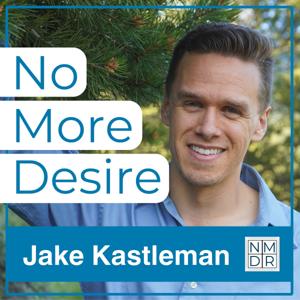


If you struggle with intense cravings for porn or masturbation, or find yourself overwhelmed by anxiety, anger, shame, or other difficult emotions, you may be missing an important part of recovery: learning how to work with your emotions through your body.
Many men trying to quit porn believe the solution is to develop more willpower, resist their urges, or simply think differently. But porn cravings aren't always about sexual desire. They can also be connected to deeper emotional needs for comfort, connection, belonging, and relief from painful feelings.
And those emotions don't just exist in your mind. They're experienced throughout your body.
In this episode of the No More Desire Podcast, I'm exploring the fascinating world of somatic techniques for emotional regulation. I'll walk you through five practical tools involving bilateral stimulation, body movement, and breathwork that can help you become more aware of your emotional experiences, regulate your nervous system, and respond differently when cravings or difficult emotions arise.
We'll explore why emotional regulation is such an essential part of porn addiction recovery, how emotions influence the body, and why learning to mindfully experience discomfort can be more helpful than constantly trying to escape it.
I'll also walk you through a practical example of how a craving for porn can lead you toward recognizing deeper feelings of loneliness, sadness, or disconnection—and how learning to understand those emotions can help you respond to your actual needs.
Lasting porn addiction recovery isn't simply about learning how to resist cravings. It's about developing the emotional skills, self-awareness, and healthy lifestyle that make sobriety sustainable.
My hope is that this episode helps you begin developing a healthier relationship with your emotions and discover that you don't always have to run from what you feel.
Link to Blog Article for this Episode
Visit No More Desire Tools for Recovery for recovery tools and training, the free online community, my free eBook, Workshop, The RAIL Method ™ and more to help you break free from porn.
If you’re tired of trying to quit porn on your own, the No More Desire Academy gives you a structured path to recovery through coaching, brotherhood, practical tools, and step-by-step training. Learn more about the Academy.
If you want deeper, more personalized support, I also offer 1-on-1 porn addiction recovery coaching. We’ll work directly on your patterns, emotional triggers, recovery plan, and long-term growth. Learn more about working 1-on-1 with Jake Kastleman.
No More Desire provides coaching, education, community, and recovery support. This content is not therapy, medical care, psychiatric treatment, or couples counseling. If you are dealing with abuse, suicidal thoughts, psychiatric crisis, criminal sexual behavior, or danger to yourself or others, please seek qualified professional or emergency support.
God bless, my friend. Much love.
My gratitude for the music in this episode (in order of appearance) goes to Ievgen Poltavskyi, Viacheslav Starostin, Aleksey Voroninfrom Pixabay.
*IMPORTANT BREATHWORK SAFETY NOTE**
Wim Hof-style breathing and high-ventilation breathwork can cause dizziness or fainting and may not be appropriate for everyone. Never practice these techniques while driving, standing, or in or near water. Intensive breathwork should involve appropriate professional guidance and screening. This episode is educational and is not a substitute for medical or mental health care.
Support the show
No More Desire
What happens to a marriage when porn addiction, sexual betrayal, secrecy, and broken trust have changed the way two people relate to each other? And is codependency always the best framework for understanding the betrayed spouse—or could there be a healthier way to think about love, attachment, and relationship recovery?
In this episode of the No More Desire Podcast, I sit down with Dr. Rob Weiss to explore prodependence vs. codependency, betrayal trauma, porn addiction recovery, and what it takes for couples to begin moving toward trust and connection again.
Dr. Rob has spent decades working with sex addiction, compulsive sexual behavior, infidelity, betrayed partners, and relationship recovery. One of the central ideas behind his prodependence model is that dependence itself is not necessarily unhealthy. Human beings are designed to need one another. Healthy relationships involve leaning on each other, receiving support, and staying connected through difficulty.
That becomes especially important in porn addiction and marriage.
For the man in recovery, it can be tempting to focus almost entirely on sobriety: I'm doing better now. Why can't she see how much I've changed? Why is she still angry? Why doesn't she trust me yet?
But stopping the behavior and rebuilding trust after porn addiction are not the same process.
In our conversation, Dr. Rob explains why a betrayed spouse may continue experiencing fear, anger, and hypervigilance long after a man begins changing. We talk about why defensiveness often makes relationship repair harder, how empathy can become part of recovery, and why your spouse should not have to become your recovery coach.
We also explore something I believe every man in recovery needs to understand: your childhood wounds, trauma, loneliness, rejection, marriage problems, or emotional pain may help explain why pornography became an escape—but they do not remove your responsibility for the choices you make today.
Recovery requires compassion, but it also requires ownership.
One of the ideas I appreciated most in this conversation is that recovery is not ultimately about becoming a man who needs nobody. It is about learning how to need people well.
Pornography can offer a counterfeit form of connection without vulnerability, responsibility, conflict, or emotional risk. Real intimacy asks much more from us. It asks us to tell the truth, stay present, tolerate discomfort, accept accountability, repair what we have damaged, and allow ourselves to be known.
That is difficult work—but it is also where deeper recovery begins.
Want to learn more about Rob? Visit https://seekingintegrity.com/
Link to Blog Article for this Episode
Visit No More Desire Tools for Recovery for recovery tools and training, the free online community, my free eBook, Workshop, The RAIL Method ™ and more to help you break free from porn.
If you’re tired of trying to quit porn on your own, the No More Desire Academy gives you a structured path to recovery through coaching, brotherhood, practical tools, and step-by-step training. Learn more about the Academy.
If you want deeper, more personalized support, I also offer 1-on-1 porn addiction recovery coaching. We’ll work directly on your patterns, emotional triggers, recovery plan, and long-term growth. Learn more about working 1-on-1 with Jake Kastleman.
No More Desire provides coaching, education, community, and recovery support. This content is not therapy, medical care, psychiatric treatment, or couples counseling. If you are dealing with abuse, suicidal thoughts, psychiatric crisis, criminal sexual behavior, or danger to yourself or others, please seek qualified professional or emergency support.
God bless, my friend. Much love.
My gratitude for the music in this episode (in order of appearance) goes to Ievgen Poltavskyi, Dmitrii Kolesnikov, and Aleksey Voroninfrom Pixabay.
Support the show
No More Desire
Porn addiction recovery is about more than learning how to stop watching porn. Over time, I have come to believe that real recovery asks a much deeper question: What kind of man am I becoming?
In this conversation with Chris Bruno on The Restorative Man Podcast, I share parts of my own story with pornography addiction, anxiety, perfectionism, emotional avoidance, marriage, and fatherhood. We explore how the patterns beneath addiction can continue even after pornography is gone, and why lasting recovery involves learning how to relate differently to stress, emotions, sexuality, relationships, responsibility, and God.
Fatherhood has made this work even more meaningful to me. The healthier my relationship becomes with my own anger, fear, shame, sexuality, and vulnerability, the better equipped I am to help my sons develop a healthy relationship with theirs. If I want them to grow up knowing they can talk openly about their emotions, bodies, sexuality, mistakes, and struggles, that kind of safety has to begin long before the difficult conversations arrive.
We also talk about what this means inside marriage. Porn recovery eventually shows up in the way we listen, handle criticism, work through resentment, take ownership, sacrifice for the people we love, and remain present when relationships become uncomfortable. Sobriety matters, but recovery becomes far more complete when it begins transforming the way we actually live.
Porn Addiction Recovery Is More Than Behavior Change
One of the most important lessons from my own recovery has been recognizing that pornography was not the only issue. Long before I understood what was happening, I was already using things like entertainment, food, and eventually sexual content to calm an anxious nervous system and escape internal pressure.
That changed how I began approaching recovery. Instead of only asking how to stop the behavior, I began paying attention to what I was trying to escape, what emotions were underneath the craving, and what kind of life I needed to build so I no longer depended on constant external relief.
This is what I mean by developing a recovery mindset and recovery lifestyle.
Your Emotional Recovery Changes the Way You Father
One of the themes Chris and I explore deeply is the connection between our own emotional healing and what we are able to give our children.
If my son learns that anger can be talked about, sadness can be expressed, mistakes can be repaired, and difficult questions do not threaten our relationship, I am helping build a foundation where sexuality does not have to become secret either.
My goal is not to raise sons who never experience sexual desire, confusion, temptation, or exposure to pornography. My goal is to help create the kind of relationship where they know those experiences can be brought into the light without shame.
That begins with the everyday relationship we create now.
Recovery Will Eventually Show Up in Your Marriage
I also share how marriage revealed parts of my addictive mindset that pornography sobriety alone had not resolved.
For me, this included defensiveness, perfectionism, obsessive thinking, difficulty listening, and the impulse to immediately fix or control uncomfortable situations. Learning to regulate my own emotions has helped me become more capable of listening to my wife, understanding her experience, and staying connected even when something she shares is difficult for me to hear.
This is why I believe recovery becomes visible in our relationships. The goal is not merely to become a man who no longer watches pornography. It is to become a man who can remain present, connected, honest, responsible, and grounded when life becomes uncomfortable.
Link to Blog Article for this Episode
Visit No More Desire Tools for Recovery for recovery tools and training, the free online community, my free eBook, Workshop, The RAIL Method ™ and more to help you break free from porn.
If you’re tired of trying to quit porn on your own, the No More Desire Academy gives you a structured path to recovery through coaching, brotherhood, practical tools, and step-by-step training. Learn more about the Academy.
If you want deeper, more personalized support, I also offer 1-on-1 porn addiction recovery coaching. We’ll work directly on your patterns, emotional triggers, recovery plan, and long-term growth. Learn more about working 1-on-1 with Jake Kastleman.
No More Desire provides coaching, education, community, and recovery support. This content is not therapy, medical care, psychiatric treatment, or couples counseling. If you are dealing with abuse, suicidal thoughts, psychiatric crisis, criminal sexual behavior, or danger to yourself or others, please seek qualified professional or emergency support.
God bless, my friend. Much love.
My gratitude for the music in this episode (in order of appearance) goes to Ievgen Poltavskyi, Nikita Kondrashev, Aleksey Voroninfrom Pixabay.
Support the show
No More Desire
What does your past have to do with porn addiction recovery?
Maybe you’ve wondered why you need to dig into your childhood, emotions, family relationships, or old wounds when the problem seems simple: you want to quit porn.
I understand that question. But the deeper I’ve gone in my own recovery—and the more men I’ve worked with—the more convinced I’ve become that pornography addiction is rarely just about sexual desire.
For many of us, porn became a way of coping long before we understood what we were doing. It helped us escape loneliness, inadequacy, stress, fear, powerlessness, shame, or emotional pain we didn’t yet know how to name.
That is where storywork can become incredibly valuable.
In this episode, I explore the psychology and neuroscience behind storywork and why understanding your past can help you recognize the emotional triggers, beliefs, nervous system patterns, and survival strategies that continue to affect your porn addiction recovery today.
This is not about blaming your childhood or using your past as an excuse.
It is about understanding your story well enough that you can stop unconsciously repeating it.
I walk through seven ways storywork can support recovery, including how it can help you bring hidden patterns into awareness, identify difficult emotions, understand your porn triggers, reduce shame, develop self-compassion, and begin building an identity that is no longer organized around addiction.
You’ll also learn why storywork needs to be more than an intellectual exercise. Healing often requires slowing down enough to actually feel what you felt, put language around it, and experience difficult emotions without immediately escaping from them.
One of the most important questions I invite you to consider is:
What was happening in your life when porn first began becoming important to you?
What were you feeling?
What did porn give you—or help you avoid?
Those questions are not meant to excuse the choices you’ve made. They can help you understand them well enough to start making different choices now.
Recovery is about far more than fighting urges. It is about becoming increasingly grounded, emotionally aware, connected, compassionate, responsible, and capable of leading yourself through the places you once needed to escape.
If you want to go deeper into this kind of work, the men inside the No More Desire Academy are currently working through a structured storywork process that includes the Seed Story, Survival Story, Sexual Story, Shadow Story, and Sobriety Story.
Link to Blog Article for this Episode
Visit No More Desire Tools for Recovery for recovery tools and training, the free online community, my free eBook, Workshop, The RAIL Method ™ and more to help you break free from porn.
If you’re tired of trying to quit porn on your own, the No More Desire Academy gives you a structured path to recovery through coaching, brotherhood, practical tools, and step-by-step training. Learn more about the Academy.
If you want deeper, more personalized support, I also offer 1-on-1 porn addiction recovery coaching. We’ll work directly on your patterns, emotional triggers, recovery plan, and long-term growth. Learn more about working 1-on-1 with Jake Kastleman.
No More Desire provides coaching, education, community, and recovery support. This content is not therapy, medical care, psychiatric treatment, or couples counseling. If you are dealing with abuse, suicidal thoughts, psychiatric crisis, criminal sexual behavior, or danger to yourself or others, please seek qualified professional or emergency support.
God bless, my friend. Much love.
My gratitude for the music in this episode (in order of appearance) goes to Ievgen Poltavskyi, AtlasAudio, Aleksey Voroninfrom Pixabay.
Support the show
No More Desire
What should you do when your son starts masturbating? How do you talk about masturbation without creating shame, fear, secrecy, or confusion—and how can that conversation help him develop a healthier relationship with sexuality, pornography, and his own emotions?
In this episode, I sit down again with therapist and author Sam Jolman to talk about one of the most uncomfortable topics many parents face: masturbation in boys and teenagers. We explore how fathers can respond with greater wisdom and steadiness, why sexual curiosity and compulsive sexual behavior are not the same thing, and how masturbation can sometimes become connected with anxiety, self-soothing, emotional regulation, and pornography use.
This conversation is deeply personal for me because masturbation and pornography became tightly connected with shame, secrecy, anxiety, and escape in my own story. For years, I viewed sexual craving almost entirely as a problem of desire and self-control. What I eventually discovered was that sexual behavior had also become a way of regulating my nervous system, relieving emotional pressure, and finding temporary comfort when I did not know how to soothe myself in healthier ways.
Sam and I talk about why that distinction matters both for parents and for men in porn addiction recovery.
We discuss how boys often discover masturbation before they have any meaningful language for what is happening in their bodies, and how a parent's reaction can shape the way a child relates to sexuality for years. We also explore why immediately labeling sexual curiosity as shameful or dangerous can make honest conversations harder, especially when a boy later encounters pornography or begins struggling with compulsive masturbation.
One of the biggest themes in this episode is that context matters. A teenage boy exploring his body is not necessarily experiencing the same thing as a teenager who has developed a pornography and masturbation ritual he uses every time he feels anxious, rejected, lonely, bored, or overwhelmed. Those situations may look similar from the outside, but the emotional function underneath them can be very different.
That same principle applies to adult men trying to quit porn.
Sometimes what feels like a sexual craving is partly a nervous system looking for relief. Pornography and masturbation can become connected with stress, loneliness, shame, exhaustion, boredom, and emotional avoidance until the brain begins treating sexual stimulation as one of its fastest ways to feel better.
When that happens, recovery requires more than simply saying, “Stop.”
We have to understand what the behavior has been doing for us.
In this episode, Sam and I explore how to move from condemnation toward curiosity without abandoning responsibility. We discuss the importance of learning to recognize the emotional state beneath a craving, building healthier forms of self-soothing, slowing down the nervous system, and helping both boys and adult men understand that sexual energy does not always have to be discharged immediately.
We also talk about the difference between suppression and stewardship. Healthy sexuality is not about learning to hate your body or becoming afraid of sexual desire. It is about developing the maturity to experience desire without automatically being controlled by it, while learning how to direct your energy toward relationships, purpose, exercise, creativity, faith, service, and other meaningful parts of life.
For fathers, this means creating a relationship where sexuality can actually be discussed. Your son needs to know that he can bring questions, confusion, mistakes, and struggles to you without being humiliated. That does not mean anything goes. It means anything can be talked about honestly.
For men in pornography addiction recovery, the same principle applies internally. Instead of only asking, “How do I stop looking at porn?” we can begin asking deeper questions: What am I feeling? What is happening in my nervous system? What does pornography seem to offer me in this moment? What part of me is asking for relief? What healthier response would actually meet the need underneath this craving?
These are the kinds of questions that helped transform my own recovery.
If you are a father trying to understand teenage masturbation, a man struggling with porn and masturbation addiction, or someone who grew up carrying deep sexual shame, I hope this conversation gives you a more thoughtful and grounded way to approach the subject.
The goal is not to become afraid of sexuality.
The goal is to understand it well enough to lead it.
And for those of us recovering from pornography addiction, that often means learning that the deepest question is not simply, “How do I stop wanting porn?” but “What has porn been doing for me, and how can I build a life that meets those needs in healthier, more meaningful ways?”
That is where recovery begins to move beyond avoidance and toward genuine self-leadership, connection, emotional regulation, and a life that increasingly supports sobriety from the inside out.
Connect With Sam Jolman →
Sam Site: https://samjolman.com
Sam’s Substack: https://samjolman.substack.com
Sam's Book: The Sex Talk You Never Got
Link to Blog Article for this Episode
Visit No More Desire Tools for Recovery for recovery tools and training, the free online community, my free eBook, Workshop, The RAIL Method ™ and more to help you break free from porn.
If you’re tired of trying to quit porn on your own, the No More Desire Academy gives you a structured path to recovery through coaching, brotherhood, practical tools, and step-by-step training. Learn more about the Academy.
If you want deeper, more personalized support, I also offer 1-on-1 porn addiction recovery coaching. We’ll work directly on your patterns, emotional triggers, recovery plan, and long-term growth. Learn more about working 1-on-1 with Jake Kastleman.
My gratitude for the music in this episode (in order of appearance) goes to Ievgen Poltavskyi, Dmitrii Spis, and Aleksey Voroninfrom Pixabay.
Support the show
No More Desire
How do you talk to your kids about sex without creating fear, shame, or secrecy—especially if your own sexual story was shaped by purity culture, pornography, or years of confusion?
In this episode, I sit down with therapist and author Sam Jolman, author of The Sex Talk You Never Got, to talk about helping our kids develop a healthy relationship with sexuality. But this conversation goes much deeper than simply figuring out what to say during “the sex talk.”
For many of us as fathers, talking to our kids about sex means first looking at what we were taught ourselves.
Did sexuality feel safe to talk about in your home? Were you taught that sexual curiosity was normal, or did normal arousal quickly become associated with lust, shame, and sin? Did anyone help you understand your body, emotions, relationships, attraction, romance, or sexual desire—or were you largely left to figure these things out for yourself?
Sam and I explore why healthy sexuality requires more than teaching anatomy or telling kids what not to do. Our children need an ongoing conversation about bodies, curiosity, intimacy, emotional connection, relationships, boundaries, pornography, and what it means to treat sexuality as something integrated with the heart.
We also discuss something deeply relevant to porn addiction recovery: sometimes what we experience as sexual “need” is actually emotional dysregulation.
This was a major discovery in my own recovery. Anxiety could turn into a craving for porn. Anger could become sexual preoccupation. Loneliness, stress, pressure, and a chronically tense nervous system could all register inside me as, “I need sexual release.”
That realization changed everything.
A pornography craving may be sexual in form while emotional in origin. Sometimes I do not primarily need sex or orgasm. I need comfort. I need rest. I need connection. I need to process anger. I need to calm my nervous system. Maybe I simply need a hug.
Understanding these deeper emotional triggers can help us develop healthier sexuality ourselves while giving our children a radically different foundation than shame and secrecy.
One of the ideas from this conversation that stayed with me most is simple: your child does not need one perfect sex talk. He needs a relationship where he knows he can keep talking.
The same principle applies to recovery.
Porn addiction thrives in secrecy, fragmentation, shame, and emotional disconnection. Recovery moves us toward honesty, emotional awareness, healthy boundaries, meaningful relationships, and a sexuality that becomes integrated with the rest of who we are.
The goal is not to become afraid of sexual desire. It is to become a man capable of understanding it, leading it, and expressing his sexuality in ways aligned with his deepest values.
And as fathers, we have an opportunity to give our children something better than fear.
Connect With Sam Jolman →
Sam Site: https://samjolman.com
Sam’s Substack: https://samjolman.substack.com
Sam's Book: The Sex Talk You Never Got
Link to Blog Article for this Episode
Visit No More Desire Tools for Recovery for recovery tools and training, the free online community, my free eBook, Workshop, The RAIL Method ™ and more to help you break free from porn.
If you’re tired of trying to quit porn on your own, the No More Desire Academy gives you a structured path to recovery through coaching, brotherhood, practical tools, and step-by-step training. Learn more about the Academy.
If you want deeper, more personalized support, I also offer 1-on-1 porn addiction recovery coaching. We’ll work directly on your patterns, emotional triggers, recovery plan, and long-term growth. Learn more about working 1-on-1 with Jake Kastleman.
My gratitude for the music in this episode (in order of appearance) goes to Ievgen Poltavskyi, Yevhen Astafiev, and Aleksey Voroninfrom Pixabay.
Support the show
No More Desire
Porn addiction and loneliness are often more connected than we realize. What feels like a powerful sexual craving may sometimes be your brain reaching for something deeper: connection, belonging, emotional relief, or the experience of feeling wanted and known.
In this episode, I sit down with Chris Coursey of Thrive Today to explore why pornography can begin to feel like a form of connection—and why that “connection” ultimately leaves us hungry for more.
Chris introduces the concept of “pseudo-joy,” a counterfeit version of the relational joy our brains are designed to experience with real people. Porn can offer stimulation, attention, fantasy, and temporary relief without requiring vulnerability, patience, rejection, conflict, or the other challenges of genuine relationships. But because it cannot provide real attachment or belonging, we can walk away feeling even more lonely and disconnected than before.
We also explore the relationship between porn addiction and attachment, why some men struggle to recognize or express their emotional needs, and how earlier relational experiences can shape the ways we respond to loneliness, stress, rejection, and overwhelm.
One of my favorite parts of this conversation is that Chris does not leave us with insight alone. We talk about practical relational and emotional regulation skills that men can begin developing right now.
We also discuss something I believe is incredibly important for porn addiction recovery: relational skills are recovery skills. Learning how to listen, receive feedback, recognize when another person needs space, stay emotionally present, and build genuine relationships can reduce our dependence on counterfeit forms of connection.
The goal is not simply to remove pornography from your life. It is to build a life increasingly filled with the things pornography was trying to imitate—joy, belonging, emotional safety, rest, purpose, love, and real connection.
CHRIS COURSEY LINKS:
>> RELATIONAL TEMPERATURE FREEBIE
This free assessment measures your ability to stay relationally engaged:
>> CHRIS’ ONLINE FEATURES
Whether podcast or video interviews, articles or book reviews, you’ll find Chris Coursey spreading joy and encouragement all over the internet!
Link to Blog Article for this Episode
Visit No More Desire Tools for Recovery for recovery tools and training, the free online community, my free eBook, Workshop, The RAIL Method ™ and more to help you break free from porn.
If you’re tired of trying to quit porn on your own, the No More Desire Academy gives you a structured path to recovery through coaching, brotherhood, practical tools, and step-by-step training. Learn more about the Academy.
If you want deeper, more personalized support, I also offer 1-on-1 porn addiction recovery coaching. We’ll work directly on your patterns, emotional triggers, recovery plan, and long-term growth. Learn more about working 1-on-1 with Jake Kastleman.
My gratitude for the music in this episode (in order of appearance) goes to Ievgen Poltavskyi, Andrii Poradovskyi, and Aleksey Voroninfrom Pixabay.
Note: No More Desire provides coaching, education, community, and recovery support. This content is not therapy, medical care, psychiatric treatment, or couples counseling.
Support the show
No More Desire
If you feel like you need to orgasm before you can focus, relax, sleep, or get on with your life, there may be more happening beneath that sexual craving than you realize.
For much of my teenage years and twenties, I lived in a cycle of wanting orgasm, experiencing it, and then waiting for the desire to build all over again. If I went several days without release, I felt distracted, preoccupied, and unable to fully engage with the rest of my life.
For a long time, I believed this meant my sexual desire was simply too strong.
What I eventually learned was very different.
In this episode, I explore how porn addiction can gradually turn healthy sexual desire into sexual dependence. Porn and masturbation can become more than sexual behaviors—they can become ways of regulating stress, loneliness, anxiety, overwhelm, boredom, emotional pain, and nervous system activation.
When that happens repeatedly, your brain can begin to associate orgasm with relief. Eventually, the urge may feel less like “I want this” and more like “I need this in order to feel normal again.”
But the goal of porn addiction recovery is not to destroy your sexuality.
It is to separate desire from dependency.
I’ll explain why porn cravings and masturbation cravings are often connected to deeper emotional, neurological, biological, relational, and even spiritual needs. I’ll also explore how years of porn and masturbation can condition your sexual template—and why some men continue craving masturbation even when they are sexually active with their spouse.
Most importantly, I’ll give you practical ways to begin replacing compulsive sexual release with healthier forms of regulation, purpose, creation, connection, and emotional mindfulness.
One of the biggest changes in my own recovery came when I stopped treating sexual desire like an enemy I needed to fight.
Instead, I began asking a different question:
What is this energy asking me to do with my life?
You do not have to become less alive, less masculine, or less sexual in order to overcome porn addiction. The work is learning to lead your sexuality rather than allowing it to lead you—to build a healthier relationship with desire that aligns with your values, relationships, purpose, and the man you want to become.
Free Porn Recovery Resources
If you want practical tools to help you overcome porn cravings and build a recovery mindset and lifestyle, I’ve created several free resources for you.
Download The 10 Tools to Conquer Cravings, attend my free workshop The 8 Keys to Lose Your Desire for Porn, or explore The 4 Pillars of Recovery:
https://nomoredesire.com/tools
God bless and much love.
Link to Blog Article for this Episode
Visit No More Desire Tools for Recovery for recovery tools and training, the free online community, my free eBook, Workshop, The RAIL Method ™ and more to help you break free from porn.
If you’re tired of trying to quit porn on your own, the No More Desire Academy gives you a structured path to recovery through coaching, brotherhood, practical tools, and step-by-step training. Learn more about the Academy.
If you want deeper, more personalized support, I also offer 1-on-1 porn addiction recovery coaching. We’ll work directly on your patterns, emotional triggers, recovery plan, and long-term growth. Learn more about working 1-on-1 with Jake Kastleman.
My gratitude for the music in this episode (in order of appearance) goes to Ievgen Poltavskyi, Mikhail Smusev, Aleksey Voroninfrom Pixabay.
Note: No More Desire provides coaching and educational resources. It is not therapy, medical care, psychiatric treatment, or couples counseling.
Support the show
No More Desire
What if some of the pull toward porn addiction isn’t just about sexual desire—but about loneliness, disconnection, and a deeper longing to feel known?
In this episode, I sit down with therapist, author, and professor Chuck DeGroat for a conversation about porn addiction, narcissism, shame, loneliness, healthy masculinity, and what Chuck calls the growing crisis of connection in our culture.
One of the ideas that stood out to me most was pseudo-connection. Pornography, social media, technology, and other forms of high-stimulation escape can give us something that resembles intimacy or connection without requiring the vulnerability of actually being known. We may experience temporary relief or stimulation, only to find ourselves more isolated afterward.
Chuck and I also unpack an important distinction between porn addiction and narcissism. Struggling with addiction does not automatically mean someone has Narcissistic Personality Disorder. Yet addictive and narcissistic patterns can sometimes share deeper experiences of shame, inadequacy, self-protection, and the painful sense that I am not enough.
From there, we explore what men may actually be searching for underneath compulsive behavior: worth, belonging, and purpose.
For me, this connects directly with something I learned in my own recovery. There were times when what initially felt like a purely sexual craving became much clearer when I slowed down and listened to what was happening inside me. I could eventually recognize: I don't actually need porn right now. I'm lonely. I want connection.
That shift changes recovery.
Instead of only asking, “How do I make this craving disappear?” we can begin asking, “What is happening inside me, what do I actually need, and how can I move toward something real rather than another form of escape?”
Ultimately, this conversation is about much more than behavior modification. Porn addiction recovery is not simply learning how to say no more forcefully. It is learning how to become a man who can tolerate discomfort, tell the truth, ask for help, develop meaningful relationships, live with purpose, and allow himself to be genuinely known.
If you've been trying to overcome porn addiction through willpower alone, I hope this episode gives you a larger and more hopeful vision of what recovery can become.
Connect with Dr. Chuck DeGroat
Order Chuck's book, Who You're Becoming
Check out Chuck's Soul Care Collaborative
Link to Blog Article for this Episode
Visit No More Desire Tools for Recovery for recovery tools and training, the free online community, my free eBook, Workshop, The RAIL Method ™ and more to help you break free from porn.
If you’re tired of trying to quit porn on your own, the No More Desire Academy gives you a structured path to recovery through coaching, brotherhood, practical tools, and step-by-step training. Learn more about the Academy.
If you want deeper, more personalized support, I also offer 1-on-1 porn addiction recovery coaching. We’ll work directly on your patterns, emotional triggers, recovery plan, and long-term growth. Learn more about working 1-on-1 with Jake Kastleman.
My gratitude for the music in this episode (in order of appearance) goes to Ievgen Poltavskyi, AtlasAudio, and Aleksey Voroninfrom Pixabay.
Support the show
No More Desire
Have you ever wondered why your porn cravings can feel so intensely sexual—even when you just had sex, genuinely want to quit porn, or know that acting on the craving will hurt you?
One of the most important things I’ve learned in porn addiction recovery is that many cravings aren’t really about sex at all.
They’re emotional.
Pressure. Loneliness. Shame. Fear. Inadequacy. Sadness. Anger. Disconnection. Sometimes what my brain labels as “I need porn” is actually an emotional or relational need that I haven’t learned how to recognize, feel, and respond to yet.
In this episode, I’m diving deep into the connection between porn cravings, emotional triggers, and emotional regulation—and why learning to work with your emotions can become one of the most powerful tools for overcoming pornography addiction.
I’ll also walk you through the principles behind The RAIL Method™, the emotional mindfulness process I use to help men stop treating cravings and painful emotions like enemies and begin responding to them with acceptance, compassion, and leadership.
Because recovery isn’t just learning how to resist an urge.
It’s learning how to understand what that urge is trying to tell you.
One of the central ideas I want you to walk away with is this:
Your cravings are signals, not commands.
You don’t have to blindly obey them, and you don’t have to hate them either.
You can learn to slow down, become present, understand what is happening inside of you, and choose a response that actually serves the man you’re becoming.
Practice Emotional Mindfulness With Us
During the month of August, the No More Desire Brotherhood is practicing emotional mindfulness together through our monthly challenge. The community is completely free:
https://www.nomoredesire.com/community
If you want to learn The RAIL Method™ in depth, you can also take the full course. Use code AUGUSTCHALLENGE for 15% off this month:
https://www.nomoredesire.com/rail
Link to Blog Article for this Episode
Visit No More Desire Tools for Recovery for recovery tools and training, the free online community, my free eBook, Workshop, The RAIL Method ™ and more to help you break free from porn.
If you’re tired of trying to quit porn on your own, the No More Desire Academy gives you a structured path to recovery through coaching, brotherhood, practical tools, and step-by-step training. Learn more about the Academy.
If you want deeper, more personalized support, I also offer 1-on-1 porn addiction recovery coaching. We’ll work directly on your patterns, emotional triggers, recovery plan, and long-term growth. Learn more about working 1-on-1 with Jake Kastleman.
My gratitude for the music in this episode (in order of appearance) goes to Ievgen Poltavskyi, Yevhen Astafiev, Aleksey Voroninfrom Pixabay.
Support the show
No More Desire
From the publisher's feed
What have you tried so far to quit porn? Accountability buddies, talk therapy, internet filters, church or religious programs, or mindfulness techniques to 'get rid of cravings'… Many of these have…
32,770 Listeners
571 Listeners
1,427 Listeners

741 Listeners
623 Listeners
204 Listeners

192 Listeners
354 Listeners

29,166 Listeners

112 Listeners
1,056 Listeners

143 Listeners
58 Listeners
97 Listeners
0 Listeners