
Sign up to save your podcasts
Or

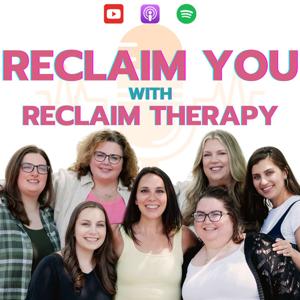


In this episode, Sarah and Emily celebrate the one-year anniversary of their podcast and share tips for starting therapy.
They discuss how to find a therapist, including using online search tools and social media, and the importance of finding a therapist who specializes in the specific issues you want to work on.
They also talk about the initial consultation process, including questions to ask and how to assess if the therapist is a good fit. They emphasize the importance of open communication with your therapist and being willing to make changes if the fit isn't right.
Overall, they encourage listeners to take the step of starting therapy and offer support and guidance along the way.
Takeaways
Thanks for listening to The Complex Trauma Podcast!
Be sure to follow, share and give us a review on your favorite podcast platform.
Follow on Instagram: @sarahherstichlcsw
Follow on TikTok: @sarahherstichlcsw
Learn more about EMDR & trauma therapy in Pennsylvania with Reclaim Therapy
This podcast is for educational and informational purposes only. It is not intended as a substitute for professional medical, psychological, or nutritional advice, diagnosis, or treatment.
Remember, I'm a therapist, but I'm not your therapist. Nothing in this podcast is meant to replace actual therapy or treatment. If you're in crisis or things feel really unsafe right now, please reach out to someone. You can call 988 for the Suicide and Crisis Lifeline, text them, or head to your nearest ER.
The views expressed by the host and guests are their own and do not represent the opinions of any organizations or institutions. Reliance on any information provided by this podcast is solely at your own risk.
In this conversation, Sarah and Abby discuss the traits and strategies that adult children of alcoholics and addicts develop as a result of their childhood experiences. They explore the fight, flight, freeze, fawn, and attach responses and how these responses manifest in different ways. They emphasize that these strategies were adaptive and helped individuals survive in their challenging environments. The conversation highlights the importance of understanding and exploring these strategies to gain insight into one's own patterns and behaviors.
Takeaways
Thanks for listening to The Complex Trauma Podcast!
Be sure to follow, share and give us a review on your favorite podcast platform.
Follow on Instagram: @sarahherstichlcsw
Follow on TikTok: @sarahherstichlcsw
Learn more about EMDR & trauma therapy in Pennsylvania with Reclaim Therapy
This podcast is for educational and informational purposes only. It is not intended as a substitute for professional medical, psychological, or nutritional advice, diagnosis, or treatment.
Remember, I'm a therapist, but I'm not your therapist. Nothing in this podcast is meant to replace actual therapy or treatment. If you're in crisis or things feel really unsafe right now, please reach out to someone. You can call 988 for the Suicide and Crisis Lifeline, text them, or head to your nearest ER.
The views expressed by the host and guests are their own and do not represent the opinions of any organizations or institutions. Reliance on any information provided by this podcast is solely at your own risk.
In this conversation, Sarah and Laura discuss the challenges and pressures that come with wedding planning, particularly related to body image and disordered eating. They emphasize the importance of considering financial well-being, inclusivity, and accessibility when making wedding-related decisions. They also provide tips for navigating dress shopping, staying resilient against societal pressures, and maintaining a focus on the relationship rather than the wedding itself. Additionally, they discuss the dynamics of family involvement and offer advice for setting boundaries and communicating effectively. Planning a wedding can be overwhelming, but there are ways to navigate the process with ease.
Takeaways
Thanks for listening to The Complex Trauma Podcast!
Be sure to follow, share and give us a review on your favorite podcast platform.
Follow on Instagram: @sarahherstichlcsw
Follow on TikTok: @sarahherstichlcsw
Learn more about EMDR & trauma therapy in Pennsylvania with Reclaim Therapy
This podcast is for educational and informational purposes only. It is not intended as a substitute for professional medical, psychological, or nutritional advice, diagnosis, or treatment.
Remember, I'm a therapist, but I'm not your therapist. Nothing in this podcast is meant to replace actual therapy or treatment. If you're in crisis or things feel really unsafe right now, please reach out to someone. You can call 988 for the Suicide and Crisis Lifeline, text them, or head to your nearest ER.
The views expressed by the host and guests are their own and do not represent the opinions of any organizations or institutions. Reliance on any information provided by this podcast is solely at your own risk.
On today's episode, Sarah and Casey are diving back into shame. They share some recent personal experiences with shame and how they've navigated through it. They emphasize the importance of recognizing shame not only cognitively, but also in the body, and connecting with others for empathy and support. They also discuss the relationship between shame and anxiety, answering a listener's question. The conversation highlights the concept of shame resiliency and the importance of addressing shame in a compassionate and understanding way.
Takeaways
Thanks for listening to The Complex Trauma Podcast!
Be sure to follow, share and give us a review on your favorite podcast platform.
Follow on Instagram: @sarahherstichlcsw
Follow on TikTok: @sarahherstichlcsw
Learn more about EMDR & trauma therapy in Pennsylvania with Reclaim Therapy
This podcast is for educational and informational purposes only. It is not intended as a substitute for professional medical, psychological, or nutritional advice, diagnosis, or treatment.
Remember, I'm a therapist, but I'm not your therapist. Nothing in this podcast is meant to replace actual therapy or treatment. If you're in crisis or things feel really unsafe right now, please reach out to someone. You can call 988 for the Suicide and Crisis Lifeline, text them, or head to your nearest ER.
The views expressed by the host and guests are their own and do not represent the opinions of any organizations or institutions. Reliance on any information provided by this podcast is solely at your own risk.
In this conversation, Sarah and Emily discuss health anxiety and how it can manifest in individuals.
They define health anxiety as anxiety focused on physical health and discuss the similarities and differences between health anxiety and hypochondria. They also explore the impact of medical trauma and weight stigma on health anxiety.
The conversation highlights the importance of finding a trusted care team, avoiding excessive Googling and seeking validation, and developing coping strategies to manage health anxiety.
Takeaways:
Thanks for listening to The Complex Trauma Podcast!
Be sure to follow, share and give us a review on your favorite podcast platform.
Follow on Instagram: @sarahherstichlcsw
Follow on TikTok: @sarahherstichlcsw
Learn more about EMDR & trauma therapy in Pennsylvania with Reclaim Therapy
This podcast is for educational and informational purposes only. It is not intended as a substitute for professional medical, psychological, or nutritional advice, diagnosis, or treatment.
Remember, I'm a therapist, but I'm not your therapist. Nothing in this podcast is meant to replace actual therapy or treatment. If you're in crisis or things feel really unsafe right now, please reach out to someone. You can call 988 for the Suicide and Crisis Lifeline, text them, or head to your nearest ER.
The views expressed by the host and guests are their own and do not represent the opinions of any organizations or institutions. Reliance on any information provided by this podcast is solely at your own risk.
In this conversation, Sarah and Abby discuss the experiences of adult children of alcoholics (ACOA) and the impact of childhood trauma. They explore related terms and labels, such as codependency and Al-Anon, and address the question of whether the trauma experienced by ACOAs is severe enough. The conversation dives into the three components of complex trauma: too much too soon, too much for too long, and too little for too long. Abby emphasizes the importance of recognizing the impact of childhood trauma and offers hope for healing through support and therapy.
Takeaways
Thanks for listening to The Complex Trauma Podcast!
Be sure to follow, share and give us a review on your favorite podcast platform.
Follow on Instagram: @sarahherstichlcsw
Follow on TikTok: @sarahherstichlcsw
Learn more about EMDR & trauma therapy in Pennsylvania with Reclaim Therapy
This podcast is for educational and informational purposes only. It is not intended as a substitute for professional medical, psychological, or nutritional advice, diagnosis, or treatment.
Remember, I'm a therapist, but I'm not your therapist. Nothing in this podcast is meant to replace actual therapy or treatment. If you're in crisis or things feel really unsafe right now, please reach out to someone. You can call 988 for the Suicide and Crisis Lifeline, text them, or head to your nearest ER.
The views expressed by the host and guests are their own and do not represent the opinions of any organizations or institutions. Reliance on any information provided by this podcast is solely at your own risk.
In this conversation, Sarah and Laura discuss the link between eating disorders and control.
They explore how control can be a response to feeling out of control in other areas of life and how trauma can contribute to disordered eating behaviors.
They emphasize the importance of creating stability and safety in recovery, while also challenging rigid structures and exploring flexibility. They also encourage listeners to reflect on their needs and seek support in their recovery journey.
Takeaways
Thanks for listening to The Complex Trauma Podcast!
Be sure to follow, share and give us a review on your favorite podcast platform.
Follow on Instagram: @sarahherstichlcsw
Follow on TikTok: @sarahherstichlcsw
Learn more about EMDR & trauma therapy in Pennsylvania with Reclaim Therapy
This podcast is for educational and informational purposes only. It is not intended as a substitute for professional medical, psychological, or nutritional advice, diagnosis, or treatment.
Remember, I'm a therapist, but I'm not your therapist. Nothing in this podcast is meant to replace actual therapy or treatment. If you're in crisis or things feel really unsafe right now, please reach out to someone. You can call 988 for the Suicide and Crisis Lifeline, text them, or head to your nearest ER.
The views expressed by the host and guests are their own and do not represent the opinions of any organizations or institutions. Reliance on any information provided by this podcast is solely at your own risk.
In this episode, Sarah and Casey discuss the topic of shame. They explore the definition of shame and differentiate it from guilt. They also delve into the origins of shame, including childhood experiences and societal influences. The impact of shame on relationships and body image is examined, highlighting the importance of understanding and addressing shame. The episode concludes with a discussion on healing from shame and the role of self-compassion in the process.
Takeaways
Thanks for listening to The Complex Trauma Podcast!
Be sure to follow, share and give us a review on your favorite podcast platform.
Follow on Instagram: @sarahherstichlcsw
Follow on TikTok: @sarahherstichlcsw
Learn more about EMDR & trauma therapy in Pennsylvania with Reclaim Therapy
This podcast is for educational and informational purposes only. It is not intended as a substitute for professional medical, psychological, or nutritional advice, diagnosis, or treatment.
Remember, I'm a therapist, but I'm not your therapist. Nothing in this podcast is meant to replace actual therapy or treatment. If you're in crisis or things feel really unsafe right now, please reach out to someone. You can call 988 for the Suicide and Crisis Lifeline, text them, or head to your nearest ER.
The views expressed by the host and guests are their own and do not represent the opinions of any organizations or institutions. Reliance on any information provided by this podcast is solely at your own risk.
In today's episode, Sarah and our special guest Rachael McLaughlin discuss the journey of reclaiming oneself throughout different seasons of life. They chat about what that might look like in eating disorder recovery and in motherhood, particularly in the context of postpartum depression.
Sarah and Rachael explore the challenges of navigating multiple roles and identities, the loss and grief associated with motherhood, and the fear of empty spaces when letting go of certain identities. They also discuss the complexity of shifting identities and the comfort in being uncomfortable. Additionally, they touch on the challenges of balancing business and motherhood and the importance of prioritizing and focusing energy.
They dive into the idea of the spiral staircase of healing and self-discovery, where each phase of recovery leads to a deeper understanding of oneself. They emphasize the importance of making space for one's own aliveness and stepping off the staircase to enjoy the present. They also discuss the impact of comparisons and expectations in society and the need to tune out external noise and turn up internal volume.
Takeaways
Be sure to check out Rachael's practice, Beyond Therapy and Nutrition Center and follow them on Instagram!
Thanks for listening to The Complex Trauma Podcast!
Be sure to follow, share and give us a review on your favorite podcast platform.
Follow on Instagram: @sarahherstichlcsw
Follow on TikTok: @sarahherstichlcsw
Learn more about EMDR & trauma therapy in Pennsylvania with Reclaim Therapy
This podcast is for educational and informational purposes only. It is not intended as a substitute for professional medical, psychological, or nutritional advice, diagnosis, or treatment.
Remember, I'm a therapist, but I'm not your therapist. Nothing in this podcast is meant to replace actual therapy or treatment. If you're in crisis or things feel really unsafe right now, please reach out to someone. You can call 988 for the Suicide and Crisis Lifeline, text them, or head to your nearest ER.
The views expressed by the host and guests are their own and do not represent the opinions of any organizations or institutions. Reliance on any information provided by this podcast is solely at your own risk.
In this episode, Sarah and Emily bust common myths about therapy. They discuss the misconception that you have to be struggling to go to therapy, the idea that therapy leads to major insights every session, and the belief that something is wrong if progress in therapy isn't happening quickly. They also address the myth that therapy is just talking or receiving advice from your therapist, the misconception that you're not allowed to give feedback to your therapist, and the idea that you're not allowed to ask your therapist questions about themselves. Finally, they debunk the myth that therapists have it all together.
Takeaways
Below are the episode referenced in today's episdoe:
https://www.sarahherstichlcsw.com/blog/self-care-according-to-trauma-therapist-near-me
https://www.sarahherstichlcsw.com/blog/breaking-up-with-your-therapist
Thanks for listening to The Complex Trauma Podcast!
Be sure to follow, share and give us a review on your favorite podcast platform.
Follow on Instagram: @sarahherstichlcsw
Follow on TikTok: @sarahherstichlcsw
Learn more about EMDR & trauma therapy in Pennsylvania with Reclaim Therapy
This podcast is for educational and informational purposes only. It is not intended as a substitute for professional medical, psychological, or nutritional advice, diagnosis, or treatment.
Remember, I'm a therapist, but I'm not your therapist. Nothing in this podcast is meant to replace actual therapy or treatment. If you're in crisis or things feel really unsafe right now, please reach out to someone. You can call 988 for the Suicide and Crisis Lifeline, text them, or head to your nearest ER.
The views expressed by the host and guests are their own and do not represent the opinions of any organizations or institutions. Reliance on any information provided by this podcast is solely at your own risk.
From the publisher's feed
A podcast for anyone healing from complex PTSD, childhood emotional neglect, and the patterns you've been carrying without knowing what to call them.
Hosted by EMDR and somatic…
If you've spent years people-pleasing, apologizing for existing, or holding it together on the outside while unraveling on the inside, this is for you.
We talk about the fawn response, toxic shame, hypervigilance, and why your body still doesn't feel safe even when nothing bad is happening. No bypassing, no Band-Aids, just honest conversation about healing from complex trauma and getting your life back.
Whether you're just figuring out what CPTSD is or you've been in therapy for years, you'll find nervous system education, somatic practices, and someone who actually understands what you're going through.
New episodes every Wednesday.

171,955 Listeners

11,760 Listeners

9,053 Listeners

2,510 Listeners

14,916 Listeners

900 Listeners

367 Listeners

7,093 Listeners

29,186 Listeners

1,851 Listeners

41,381 Listeners

1,056 Listeners

19,146 Listeners

340 Listeners

12,417 Listeners