
Sign up to save your podcasts
Or



In recent years, the prevalence of health issues associated with breast implant surgery has gained significant attention within the medical community and among patients. This heightened awareness has shed light on a condition known as Breast Implant Illness (BII), which is characterized by various symptoms ranging from inflammation and chronic fatigue to autoimmune responses.
Casey Araujo joins me in today’s episode to offer her valuable insight into the aspects of breast implant illness, particularly related to breast implant surgery, removal, and post-recovery. This is to raise awareness about breast implant illness and advocate for a holistic approach to surgical care, emphasizing the importance of mindset, lifestyle modifications, and social support systems in achieving optimal outcomes.
In 2016, Casey made the decision to get implants at the young age of 23, without much prior research. She didn’t fully understand its potential consequences. She shared that she always felt a desire to have larger breasts as she was growing up because of external influences.
Initially, she didn't find her implants too large, but eventually, they became the main focus of her appearance, causing discomfort. Within six months of the surgery, she faced inflammation and rapid weight gain. She thought it was just part of the recovery process, but the inflammation persisted, along with rashes and chronic fatigue.
As time passed, her symptoms worsened, but she dismissed them as typical signs of aging and hormonal changes. However, with no improvement in sight, she began to suspect a more serious underlying issue. The inflammation was severe and noticeable, affecting her face, midsection, and arms. She also started experiencing other symptoms like hormonal issues, dry skin, and swollen lymph nodes. Despite consulting various specialists, including GI doctors who recommended dietary changes, the root cause remained elusive.
The discomfort from the implants intensified over time. Despite opting for saline implants under the muscle, they never felt comfortable. She couldn't lie on her stomach or sides without experiencing sharp pains and burning sensations, especially around the left breast where the incisions were made.
Over time, her health got worse to the point that she started feeling depressed and anxious. Although she seemed happy on social media, she was actually going through a tough time. It wasn't until about six or seven years after getting the implants that she stumbled upon information about breast implant illness during extensive research into her deteriorating health.
She didn't associate the autoimmune disease she was diagnosed with in high school with her breast implants. However, as she researched further into breast implant illness, she realized that there might be a connection.
Exploring various avenues of functional medicine and nutrition, and undergoing therapies and treatments, she found no relief from her symptoms. It wasn't until she stumbled upon stories of other women's experiences with breast implant illness that she began to consider the possibility. Even then, she was in denial, unable to believe that her implants could be the cause of her suffering.
A pivotal moment came during a trip to Spain when one of her saline implants ruptured on day three, leaving her left breast flat. This rupture became a clear sign that something needed to change. Despite her initial panic, she ultimately opted for a replacement surgery, only to find that her health deteriorated further afterward.
This experience served as a wake-up call, signaling to her that it was time to remove the implants. She saw the rupture as her body's way of telling her that these implants were not compatible with her health and needed to be removed for good.
After undergoing a replacement surgery following the rupture, her recovery was much worse than expected. She experienced severe muscle pain, nerve damage, numbness in her arms, and increased inflammation which were unusual. Her recovery issues raised concerns about potential complications.
Post-replacement, she noticed significant differences in her implants as they felt harder, caused more chest pain and discomfort, and even affected her breathing. The rupture served as a turning point, prompting her decision to have her implants removed and so, she had a consultation with me.
Meditation and breathwork helped her tune into her body, reinforcing her decision that implant removal was necessary for her well-being. With plans to start a family, she opted against procedures like lifts or fat transfers, prioritizing the removal above all else.
Truthfully, there is a need for caution and boundaries when seeking support online. Make sure to always surround yourself with positive support, particularly from loved ones, in navigating such journeys. That is why I associate Casey’s smooth recovery with her preparedness and positive mindset before, during, and after surgery.
Casey diligently prepared herself mentally, physically, and emotionally for the surgery. She explored various holistic practices like meditation, breathwork, energy therapy, and more. Her proactive approach, coupled with a strong support system, facilitated her transformative recovery experience.
Casey's experience highlighted the importance of additional support resources, such as health coaching and patient advocates, in navigating the complexities of explant surgery and breast implant illness, especially considering the negative impact of social media on mindset and decision-making.
The addition of health coaching aims to offer holistic support beyond medical intervention whereas patient advocates, who were former patients themselves, provide invaluable insight and empathy.
Dr. Robert Whitfield’s Website
Follow Dr. Rob on Instagram
For more information on Virtual and In Person Consultations, we always answer our messenger personally:
Let’s Connect...
Get access to Dr. Rob's Favorite Products below:
It’s normal to worry about how you’ll feel waking up after surgery, and if you’re suffering from breast implant illness (BII), you may be even more worried about recovering from those symptoms. Dr. Whitfield goes above and beyond to make the post-op experience as comfortable and painless as possible. He seeks the answers to the difficult questions about what’s causing each individual’s symptoms of BII and continues to care for and follow up with his patients for a full year after explant surgery.
Dr. Whitfield’s post-op protocol begins on the night before surgery with anti-nausea medicine, Celebrex to decrease inflammation, and a neuromodulator for anxiety. During surgery, a long-lasting block called Exparel prevents pain and keeps nerves calm for several days. This also minimizes the need for narcotic pain medication, which can make you groggy and cause constipation. If you’ve had an epidural or had this experience from another surgery, you already know why constipation should be avoided!
To minimize the risk of infection, Dr. Whitfield does not use drains. Contrary to popular belief, the research shows that drains cause more infections because incisions are exposed to the outside environment and irritated by the drain itself.
Lymph nodes are the body’s system for fighting infection, and lymphatic massage is an important step for speeding the healing process along. For this therapy, patients are treated with the Ballancer Pro to flush out toxins, boost the immune system, and shorten recovery time by releasing fluids.
Finally, and most importantly, you’ll receive the pathology and PCR test results, which looks at 150 different types of bacteria, fungus, and mold.
This episode is part 1 of 2 about the recovery process following breast implant removal surgery.
Dr. Robert Whitfield’s Website
Follow Dr. Rob on Instagram
For more information on Virtual and In Person Consultations, we always answer our messenger personally:
Let’s Connect...
Get access to Dr. Rob's Favorite Products below:
Whether you’re having your breast implants removed or never had them at all, the volume lost can be replaced with your own fat and beautiful, long-lasting results can be achieved.
During a fat transfer, fat is taken out of areas it is unwanted and transferred to different areas where fat is desired. Fat is the perfect filler because it is versatile and able to maintain itself over time.
Fat can be used to restore volume, reduce skin laxity, and improve shape, which is one reason why procedures such as the Brazilian Butt Lift (BBL) have become so popular in recent years.
In this episode, Dr. Rob explains the process of fat grafting, including how the procedure is done, the precautions which must be taken to preserve and protect the fat at every point in the process, and how much fat you can expect to retain.
Dr. Robert Whitfield’s Website
Follow Dr. Rob on Instagram
For more information on Virtual and In Person Consultations, we always answer our messenger personally:
Let’s Connect...
Get access to Dr. Rob's Favorite Products below:
Because there are so many unknowns for women with breast implant illness, Dr. Whitfield’s approach to each and every breast implant removal surgery is as cautious and precise as the treatment of a breast cancer patient.
While performing breast implant removal surgery, or “explant” surgery, Dr. Whitfield does everything possible to keep capsular tissue intact without compromising the shell of the implant.
The goals of the procedure are the same, whether the case is a total capsulectomy, a precise total capsulectomy, or an en bloc capsulectomy: to take everything out, as intact as possible. Having cared for thousands of breast patients in his career, Dr. Whitfield has seen it all and knows how risky it can be if something is missed during an explant procedure. By taking all of the material out undisturbed, he ensures a more accurate pathology report at the end of the case.
In this episode, hear Dr. Whitfield thoroughly explain the surgical techniques he uses to successfully remove breast implants.
Dr. Robert Whitfield’s Website
Follow Dr. Rob on Instagram
For more information on Virtual and In Person Consultations, we always answer our messenger personally:
Let’s Connect...
Get access to Dr. Rob's Favorite Products below:
During the pre-op appointment, you’ll meet with Dr. Whitfield to review the surgical plan, take photos, and discuss medications. Most importantly, Dr. Whitfield will cover the ERAS recovery protocol to set you up for a smooth experience once you’re out of surgery and resting at home.
For local patients, this short check-in is scheduled 1-2 weeks before surgery, and for traveling patients it will take place 1-2 days before.
This episode is the essential guide to Dr. Whitfield’s time-tested recommendations for a safe, speedy, and comfortable recovery, including what to wear, when to get up and start walking around, how to eat, and when you can expect to start feeling like yourself again.
Links
Follow Dr. Rob on Instagram
Read more about Breast Implant Illness
Let’s Connect...
Get access to Dr. Rob's Favorite Products below:
Many women suffering from Breast Implant Illness (BII) have been feeling terrible for a very long time and just want to feel better. Hear how Dr. Whitfield helps prepare his Breast Implant Illness (BII) patients to bounce back as fast as possible after surgery and rule out other conditions that could be contributing to chronic illness.
In the weeks leading up to surgery, Dr. Rob’s comprehensive pre- and post-op program investigates for other issues like Lyme disease, environmental exposure, or micronutrient deficiencies, and tests for thyroid conditions and hormonal imbalances.
Dr. Robert Whitfield’s Website
Follow Dr. Rob on Instagram
For more information on Virtual and In Person Consultations, we always answer our messenger personally:
Let’s Connect...
Get access to Dr. Rob's Favorite Products below:
A breast implant illness consultation (or discovery session, as we like to call it) with Dr. Rob is an in-depth exploration of symptoms and potential causes of BII. The purpose of the discovery session is for women affected by this chronic illness to get much-needed answers.
Having consulted with over 800 patients, Dr. Robert Whitfield is well-versed in the patterns and symptoms affecting women experiencing chronic illness. Thorough and cohesive, the discovery session addresses a range of conditions including brain fog, GI issues, diet, and autoimmune disease, eliminating the need for multiple specialists.
Dr. Rob devotes as much time as needed to understand each individual’s unique situation, ensuring the path forward is effective and delivers much-needed healing and a speedy recovery for patients.
For more healing resources create by Dr. Rob, visit our store - Dr. Rob's Solutions at https://drrobssolutions.myshopify.com
Dr. Robert Whitfield’s Website
Follow Dr. Rob on Instagram
For more information on Virtual and In Person Consultations, we always answer our messenger personally:
Let’s Connect...
Get access to Dr. Rob's Favorite Products below:
Women who believe their implants are making them sick report a wide range of symptoms including extreme fatigue, muscle and joint pain, headache, brain fog, hair loss, rashes, dry mouth and eyes, depression, anxiety, and insomnia.
These conditions appear within a few months to several years following surgery, and seem to more often follow a secondary surgery like revision or exchange. But the exact cause is difficult to pin down because other conditions like Lyme disease and toxic mold exposure can cause similar symptoms.
Using PCR testing (instead of traditional CLIA-based lab testing), Dr. Rob discovered that over 60% of the breast implants he removed all had one thing in common.
Dr. Robert Whitfield describes his methodology for identifying this complicated, misunderstood condition and shares his treatment strategies utilizing nutrition and genetic testing to put his patients on the path to healing.
For more healing resources create by Dr. Rob, visit our store - Dr. Rob's Solutions at https://drrobssolutions.myshopify.com
Dr. Robert Whitfield’s Website
Follow Dr. Rob on Instagram
For more information on Virtual and In Person Consultations, we always answer our messenger personally:
Let’s Connect...
Get access to Dr. Rob's Favorite Products below:
Frequently in my practice, in addition to dealing with cases related to breast implant illness, I encounter patients experiencing gastrointestinal issues. That is why it’s vital to shed light on the complex interplay between breast health and gut health, prompting a comprehensive approach to address the multifaceted nature of these health concerns.
Addressing issues in the gut is crucial as it significantly impacts gut health and overall well-being. This episode focuses on actionable steps for individuals seeking to optimize their gut health.
Sometimes, despite the efforts of disciplined or diligent individuals following a clean diet to support their well-being, certain challenges still arise. This is due to contributing factors such as probiotic intake and water choices.
I often advise patients to reconsider the pH balance of their water and to opt for filtered water instead. Lemon water, praised for its potential to eliminate harmful bacteria due to its acidity, can lead to imbalances when consumed excessively over time. The acidity of lemon water, while potentially beneficial in targeting specific bacteria such as E. coli, Bacteroides fragilis, and fungi, requires a delicate balance. Prolonged and excessive consumption of lemon water can disrupt this equilibrium, resulting in unintended consequences for the microbiome.
Understanding the implications of these hormonal dynamics becomes pivotal in devising effective strategies for managing menstrual health. In the context of pre-menopausal women grappling with cycle-related challenges such as pain, excessive bleeding, polycystic ovary syndrome (PCOS), or endometriosis, elevated estrogen levels and impaired estrogen metabolism emerge as critical areas.
Recognizing the complex interplay within the body, I've taken the initiative to create an inflammation support bundle that addresses the multifaceted nature of health challenges. This specially curated bundle places a significant emphasis on incorporating liposomal versions of key components for optimal absorption. By integrating this bundle into your daily health routine, you can take a proactive step toward mitigating inflammation and promoting overall well-being. Grab yours now: https://drrobssolutions.com/
In our clinic, we've encountered challenges with anemia, especially in patients with gastrointestinal issues. Anemia, exacerbated by fatigue, can reach a point where ferritin levels necessitate iron transfusions, a situation we've addressed in our practice, especially before surgical procedures. To normalize symptoms like anemia, gastrointestinal distress – including constipation, diarrhea, bloating, and swelling – I recommend simple interventions such as switching to filtered water and temporarily discontinuing probiotic use.
For those diligently pursuing a nutrient-dense diet, particularly with higher protein intake, I recognize the challenges the body may face in breaking down these nutrients. In these instances, incorporating additional digestive enzymes, such as MassZymes from BIOptimizers, can be an effective solution to enhance digestion and nutrient absorption.
However, when dealing with complex cases, we do a more holistic approach involving a thorough examination of the patient's genetics, a toxicity profile, and a comprehensive assessment using tools like a GI map, which includes a stool test, food sensitivity tests, and hormone evaluations. This approach allows for a clearer understanding of the patient's overall health, especially when dealing with extreme gut problems, digestion issues, and persistent symptoms like swelling, bloating, and pain.
Remember, prioritizing gut health is paramount, especially before undergoing surgery, a consideration often overlooked but crucial in the journey to overcoming breast implant illness. Check out our Inflammation Support Bundle, a comprehensive resource tailored to guide individuals on their paths to better gut health, recognizing the pivotal role it plays in mood, immune function, and overall vitality.
Austin’s natural plastic surgeon Dr. Robert Whitfield brings you the true stories of actual patients, navigates through their surgical and non-surgical treatment options, then reveals their chosen path forward and the results they achieved.
Dr. Rob is a board certified plastic surgeon and Austin’s Natural Choice for plastic surgery, laser and energy treatments, and aesthetics.
Dr. Robert Whitfield’s Website
Follow Dr. Rob on Instagram
For more information on Virtual and In Person Consultations, we always answer our messenger personally:
Dr. Rob tells the story of a patient whose labs were normal but her health wasn’t, and how this case led him to analyze implants in a new way (and the shocking findings).
So many women with breast implants experience the same symptoms of extreme fatigue, general malaise, and chronic aches and pains, yet their tests routinely come back with nothing.
In this second episode of our series about Breast Implant Illness, Dr. Rob describes how PCR testing (the same that detects COVID-19) delivers the long-needed answers that finally put BII sufferers on the road to recovery.
Austin’s natural plastic surgeon Dr. Robert Whitfield brings you the true stories of actual patients, navigates through their surgical and non-surgical treatment options, then reveals their chosen path forward and the results they achieved.
Dr. Rob is a board certified plastic surgeon and Austin’s Natural Choice for plastic surgery, laser and energy treatments, and aesthetics.
Dr. Robert Whitfield’s Website
Follow Dr. Rob on Instagram
For more information on Virtual and In Person Consultations, we always answer our messenger personally:
Let’s Connect...
Get access to Dr. Rob's Favorite Products below:
From the publisher's feed
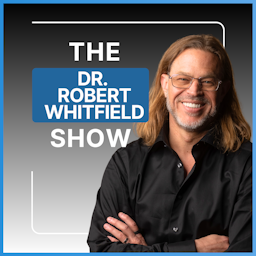
Welcome to The Dr. Robert Whitfield Show. Your trusted source for expert information on cosmetic augmentation devices and what happens when patients choose to have them taken out.
Dr. Robert Whitfield is a board-certified plastic surgeon who has performed thousands of procedures to extract these medical devices. Through candid conversations with patients, surgeons, and medical experts, he breaks down the symptoms, diagnosis, and treatment options for health complications linked to these prosthetics, along with critical information about device-associated anaplastic large cell lymphoma (BIA-ALCL) and other risks every patient deserves to understand.
Whether you're researching your options to have these devices removed, experiencing unexplained symptoms, or simply want straight answers from a surgeon who's seen it all, this is the show for you.

1,071 Listeners

7,230 Listeners

9,157 Listeners

638 Listeners

819 Listeners

131 Listeners

14,736 Listeners
1,545 Listeners
506 Listeners
290 Listeners
1,480 Listeners
1,679 Listeners
1,409 Listeners

32 Listeners
3,131 Listeners