
Sign up to save your podcasts
Or

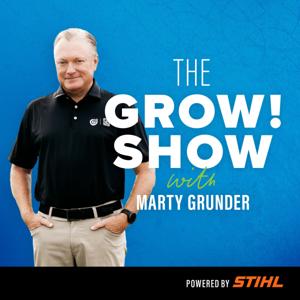


In this solo episode, Marty Grunder breaks down why growing companies struggle to stay consistent and what to do about it. Growth exposes every crack in your operation. Customers do not see departments or branches. They see one company. Marty walks through his consistency framework: clear standards plus trained leaders plus enforced systems. He covers the three areas where most companies break down: culture, quality, and client experience.
BOBYARD is an AI-powered takeoff and estimating platform that automates the most time-consuming parts of bidding work. Contractors report up to 65% reduction in takeoff time and 3-5x more bids submitted per estimator.
⭐️⭐️⭐️⭐️⭐️ Leave a Review for the Grow Show!
️⭐️⭐️⭐️⭐️⭐️ Subscribe to Our Youtube Channel!
Episode Chapters
00:30 - Welcome & Please Subscribe!
01:06 - Inspiration From Dan Pink
01:57 - Why Consistency Matters
03:51 - Three Consistency Pillars
06:08 - Non Negotiables at Grunder
06:45 - Leaders Model Culture
09:36 - Quality Standards System
10:28 - Visuals & Scorecards for Your Team
12:15 - Inspect and Coach Fast
13:26 - Client Journey Mapping
14:04 - One Voice Messaging
14:59 - Feedback and Snow Lessons
16:44 - Consistency Framework Recap
17:54 - Action Steps
18:39 - Please Subscribe and Share!
Key Learnings
Growth Exposes Inconsistency: What works at one crew breaks at five or ten. Customers see one company and expect consistent delivery.
Action: Identify where your span of control has broken down. Fix the handoffs.
Culture Is Behavior, Not Posters: You can post values on the wall, but culture is what your people actually do on job sites.
Action: Define what doing it your way looks like in observable terms. Role play it. Show real examples.
How You Treat Leaders Is How They Treat Clients: What goes downhill flows all the way to the customer.
Action: Ask yourself how problems get handled. Do you correct with respect or frustration?
Standardize the Non-Negotiables: Core behaviors should never change regardless of crew or location.
Action: Document one standard this week. Train to it. Inspect it.
Quality Requires Documentation: You cannot inspect what you have not defined. Photos of good, better, and best give your team a target.
Action: Build visual standards. Use photos. Make quality observable.
Inconsistency Lives in the Handoffs: Map the client journey from first call to final invoice. Transitions are where consistency breaks.
Action: Identify who touches the client and where the handoffs occur. Tighten those gaps.
Feedback Is a Control System: Reviews, surveys, and follow-ups catch patterns before they become problems.
Action: Secret shop your own company. Ask clients over lunch what they would do differently.
The Consistency Framework
Clear Standards + Trained Leaders + Enforced Systems = Consistency
Culture: Defined behaviors. It starts with you.
Quality: Documented processes. Pictures of good, better, best.
Experience: Standardized communication. Eliminate "that's not my job."
Reflection Questions
Resources:
BOBYARD
Aspire
ACE Peer Groups
Virtual Sales Bootcamp
Grunder Landscaping Field Trips
The Grow Group
Grunder Landscaping
Marty Grunder LinkedIn
In this episode, Marty is joined by Bob Marks, owner of EMI Landscape in the Lehigh Valley of Pennsylvania. Bob grew the company from $700K to over $13 million in revenue and has built one of the most impressive snow operations in the industry. A former Audi mechanic who returned to his family's business when his stepfather was injured, Bob shares the details of their fleet, how they manage large zero-downtime facilities, and how they keep 150+ employees motivated through long storm events.
BOBYARD is an AI-powered takeoff and estimating platform that automates the most time-consuming parts of bidding work. Contractors report up to 65% reduction in takeoff time and 3-5x more bids submitted per estimator.
⭐️⭐️⭐️⭐️⭐️ Leave a Review for the Grow Show!
️⭐️⭐️⭐️⭐️⭐️ Subscribe to Our Youtube Channel!
Episode Chapters
01:35 - Meet Bob Marks
02:23 - From DC to EMI
04:35 - Scaling EMI
06:21 - Working with Mack Trucks
07:45 - EMI’s Fleet
09:38 - Plows and Efficiency
11:04 - Snowfall and Forecasting
13:03 - Buy vs Leasing Strategy
16:09 - Maintenance and Options
20:08 - Zero Tolerance Clients
21:45 - Saying No to Grow
26:47 - Selling Snow Work
28:04 - Subcontractor Labor
29:24 - Fair Subcontractor Partnerships
30:51 - Accountability With Brokers
32:31 - Year Round Snow Planning
33:43 - Equipment Ordering Strategy
35:36 - Staffing & Training Bootcamp
38:07 - Projector Based Site Training
38:40 - Truck Brush Safety Costs
40:43 - The Storm Communication Playbook
43:35 - Motivation, Culture, and Bonus System
46:31 - Biggest Snow Challenges
50:09 - Pride in People First
52:49 - Please Like, Share and Subscribe!
Key Learnings
Make Sure the Client Wants What You Are Offering: If they do not want it, you will not make them happy. Getting expectations clear upfront saves everyone.
Action: Be clear on who you are, where you are going, and who you want to work for. Say no to work that does not fit.
Partner with Your Dealer: The biggest equipment mistake was not building a relationship with a local dealer who could advise on specs, options, and configurations.
Action: Go to lunch. Talk regularly. Learn what you do not know about quick couplers, transmissions, and winter packages before you buy.
The Implement Matters as Much as the Machine: A small plow on a $200,000 loader means you are not getting the efficiency out of that machine.
Action: Invest in hydraulic wing plows and proper attachments. EMI reduced their fleet by 15% and did the same amount of work.
Snow Never Turns Off: Planning is year-round. Equipment orders happen now. The SIMA Symposium in June kicks off the next winter season.
Action: Finalize equipment and personnel by September or October. Train regional managers before training everyone else.
The 48-24-12 Rule: Give your team 48 hours notice when snow is in the forecast, 24 hours to confirm availability and send referrals, and 6-12 hours for the final call.
Action: Communicate early so people show up prepared. No sneakers, no excuses, no last-minute surprises.
Treat Subcontractors Like Partners: Pay them faster than you get paid. Give them all the work on their site, not just the big storms. Treat them like human beings.
Action: Be picky about who you work with, then take care of them. EMI has only had to fire two subcontractors in 15 years.
Communicate the Why: If people do not know the why, they just do not care like they should. EMI positions themselves as first responders for the first responders.
Action: Tell your team why the work matters. Pay them what they deserve. Share profits when snow is profitable.
Resources:
emi landscape
BOBYARD
Aspire
ACE Peer Groups
Virtual Sales Bootcamp
Grunder Landscaping Field Trips
The Grow Group
Grunder Landscaping
Marty Grunder LinkedIn
In this solo episode, Marty Grunder explains why spring success is not decided in May. It is decided by what you notice or miss in March and April. Most owners look at lagging indicators like revenue, profit, and backlog. Those tell you how you did. This episode is about leading indicators: the signals that tell you early whether spring is going well or quietly slipping away.
BOBYARD is an AI-powered takeoff and estimating platform that automates the most time-consuming parts of bidding work. Contractors report up to 65% reduction in takeoff time and 3-5x more bids submitted per estimator.
⭐️⭐️⭐️⭐️⭐️ Leave a Review for the Grow Show!
️⭐️⭐️⭐️⭐️⭐️ Subscribe to Our Youtube Channel!
Episode Chapters
00:28 - Welcome & Thanks to our sponsor BOBYARD
01:10 - People First Leadership
01:50 - Spring Leading Indicators
02:34 - Production Efficiency Signals
05:38 - Morning Rollout Speed
08:26 - Sales Op Handoff
10:50 - Weekly Metrics Matter
13:07 - BobYard Ad Read
16:12 - Training During the Peak Season
19:06 - Eliminate Fires with Client Communication
20:53 - Early Season Challenges
23:17 - Wrap Up - Please Share & Subscribe!
Key Learnings
Production Efficiency Shows Up First: Crews running long on jobs they have done a hundred times before is not bad luck. That is inefficiency leaking out.
Action: Watch weekly revenue per labor hour, job duration versus estimate, and efficiency ratings. If you are not watching hours, spring will decide for you.
Morning Rollout Tells the Truth: A smooth morning rollout is indicative of a very well run company. Daily mobilization speed matters.
Action: Are work tickets decided the night before? Are trucks set up so crews are not sharing equipment? Watch how fast crews leave and return.
Sales to Production Alignment: If sales and operations drift right now, the gap only widens as volume increases.
Action: Do not let jobs get sold and posted on the schedule that are not set up correctly. A sold job means nothing if it costs more than you bid.
Fewer Metrics, More Frequently: Spring does not require more metrics. It requires fewer metrics reviewed more frequently.
Action: Focus on weekly labor efficiency, billed versus produced revenue, missed production days, equipment breakdowns, and staffing gaps.
Train for Consistency, Not Excellence: Spring is not your training season, but some training is non-negotiable. Rework during peak season is margin poison.
Action: Avoid long classroom sessions and new system rollouts. Focus on job setup and team leader communication. Get them doing most of it right.
Client Communication Prevents Fires: Most spring client issues are not operational problems. They are informational problems.
Action: Go to clients and tell them things before they start wondering. Promise a week or a window, not a day. Clients tolerate delays far better than silence.
Small Misses Compound Into Big Problems: If 30% of your crews are not following the process, that is not a coaching issue. That is company-wide.
Action: Do not assume volume will fix efficiency. The earlier you correct what is off track, the cheaper it is to fix.
The Core Message
The hardest part of spring is not the work. It is thinking clearly under pressure. Strong leaders do not wait for results. They respond to signals. Spring rewards leaders who notice early and act decisively.
Reflection Questions
Resources:
BOBYARD
Aspire
ACE Peer Groups
Virtual Sales Bootcamp
Grunder Landscaping Field Trips
The Grow Group
Grunder Landscaping
Marty Grunder LinkedIn
In this episode, Marty shares 5 things he sees people doing as leaders that undermines their credibility or relationships with team members. He gives common mistakes that can hold you back in your career or limit the growth of your direct reports to help you notice if you're doing these things and course correct while there's time.
ACE Peer Groups
Register for ACE Discovery - March 25-27th
⭐️⭐️⭐️⭐️⭐️ Leave a Review for the Grow Show!
️⭐️⭐️⭐️⭐️⭐️ Subscribe to Our Youtube Channel!
Episode Chapters
01:27 - Why Respect Erodes
02:20 - Apologies That Disappear
03:31 - Actions Over Words
04:46 - Stop Cancelling Meetings
06:07 - Regulated Leadership Wins
07:49 - Think Through Optics
10:11 - One Change This Week
10:42 - Please Like, Share & Subscribe!
Key Learnings
The Apology That Disappears: The moment you say "but," you erase the apology. No one remembers what came before it.
Action: If you are going to apologize, let it stand alone. Say "I was wrong, I own it, I will handle it differently next time." Then stop talking.
What You Do Matters More Than What You Say: Your team does not follow your declarations. They follow your patterns.
Action: Your calendar reveals your priorities. Your reactions reveal your standards. Your tolerance defines your culture. Your behavior is the real policy.
Canceling Meetings: When you cancel, your team learns that commitments are flexible and that your time matters more than theirs.
Action: If you schedule it, honor it. If you must cancel, do it early, give a real reason, and go to great lengths to reschedule. Spend time Sunday planning your week.
Do Not Let Them See You Sweat: Your team reads your nervous system. If you look rattled, they feel rattled. Your nervous system is contagious.
Action: Vent up, not down. Problem solve across. Reassure down the org chart. Find a spouse, mentor, or peer group member to process with.
Think Through the Optics: People do not judge your intent. They judge what they see. Optics are the receipts of trust.
Action: Before you make a decision, ask yourself: if I were them, what story would I tell about this? Does this match the sacrifice I am asking others to make?
Trust is not rebuilt with speeches. It is rebuilt with consistent behavior that people can see. Do not try to fix all five. Pick one behavior you are going to tighten up this week.
Resources:
ACE Peer Groups
Virtual Sales Bootcamp
Grunder Landscaping Field Trips
The Grow Group
Grunder Landscaping
Marty Grunder LinkedIn
In this solo episode, Marty Grunder delivers a direct message for landscape business owners heading into the busy season: Spring does not forgive. It does not slow down, and it does not wait for you to feel ready. This is not a tactical checklist. It is a mindset reset for leaders who want to enter the season decided rather than hoping things work out.
Event Home: GROW! 2027
2026 Discovery - NOLA | ACE Peer Groups
⭐️⭐️⭐️⭐️⭐️ Leave a Review for the Grow Show!
️⭐️⭐️⭐️⭐️⭐️ Subscribe to Our Youtube Channel!
Episode Timestamps
00:56 - Grow 2026 Recap & Announcing Grow 2027
02:15 - Spring 2026 Mindset: Why Spring is Dangerous
03:37 - Execute the Plan: Focus Over New Initiatives
06:00 - Leader Energy Sets the Tone
07:27 - Build Processes, Not Heroes: Clarity Beats Complexity
08:44 - Set Client Expectations Early to Avoid Surprises
09:52 - Owner Stamina: Be Intentional Through Peak Season
12:42 - Don’t Do Spring Alone: ACE Peer Groups
15:24 - Please Share & Subscribe!
"Spring doesn't create problems. It reveals them."— Marty Grunder
Spring Is Not a Surprise: Anything you avoid addressing, spring will expose. Strong companies enter spring decided, not hoping.
Action: Identify the decision you have been kicking down the road. Make it now.
Now Is the Time to Execute, Not Innovate: Spring is for selling work and doing work. New software, demos, and initiatives can wait.
Action: Say no to distractions. Execution beats innovation in the spring.
As You Go, So Goes Your Team: Your team mirrors you. If you are stressed and reactive, expect the same from them.
Action: Be present. Spring leadership is about presence, not perfection.
Process Over Heroics: If your best people save the day every day, they are not heroes. They are hostages.
Action: Build simple, repeatable processes. Spring rewards clarity, not complexity.
Set Client Expectations Early: Most spring problems are expectation problems. Silence creates assumptions.
Action: Communicate early. If someone is sick at 7 AM, call the client at 7, not noon.
Protect Your Energy: Spring is when owners burn out. Your energy matters because your team is watching.
Action: Sleep seven hours. Eat right. Move daily. Skip the gas station lunch.
Do Not Isolate Yourself: The difference between owners who handle spring well and those who do not is whether they go it alone.
Action: Sharpen your thinking with peers. The best leaders do not prepare alone.
Resources:
ACE Peer Groups
Virtual Sales Bootcamp
Grunder Landscaping Field Trips
The Grow Group
Grunder Landscaping
Marty Grunder LinkedIn
Vince Torchia shares insights from over 250 members across 19 ACE peer groups about what's top of mind heading into spring 2026. From creating more leaders without micromanaging to understanding the difference between owner math and financial knowledge, to the red-yellow-green client rating system, Vince breaks down the three critical areas landscape business owners are focused on right now.
ACE Peer Groups
Register for ACE Discovery - March 25-27th
⭐️⭐️⭐️⭐️⭐️ Leave a Review for the Grow Show!
️⭐️⭐️⭐️⭐️⭐️ Subscribe to Our Youtube Channel!
Episode Timestamps
00:51 - Key Topics for Spring 2026
01:02 - Leadership In Your Organization
05:24 - Enhancing Financial Knowledge
08:52 - Defining Your Company’s Vision
12:40 - ACE Discovery 2026
Key Learnings
Leadership: Create Leaders Who Can Make Decisions Without Permission – What do I do to get more leaders at my organization? What kind of environment do we need to create where somebody can make a decision for a customer, make a decision for our team, invest time or money without having to come ask me as the owner? We've set up an organization where people can go take action and have some autonomy.
The Nick Saban Coaching Tree Analogy – All four coaches that made it through the college football playoffs were coaches under Nick Saban at one time or another. His ability to be a great coach was also an ability to create other leaders, not just people that did whatever Nick Saban wanted them to do. The more people that we have at our organization that are leaders, the better that we will do.
Soft Skills Are the Real Skills – It's really not about the technical side of landscaping or maintenance or irrigation or snow. It's all about the soft skills. How do you have a tough conversation? How do you coach? How do you lead? How do you give corrective behavior tools and still have them appreciate and respect what you're doing?
10 Years Ago It Was Just Me, Now It's Eight Leaders – Marty talks about it a lot. 10 years ago, he felt like it was him, maybe one other individual from Grunder who thought like an owner. Now there's eight of us on the leadership team, and many managers feel the same way about having the ability to make a decision, the ability to run the ball.
Owner Math vs. Financial Knowledge – A lot of ACE members are great at owner math or napkin math. We know how many trucks are going out, we can tell by morning activity what we're at from a capacity standpoint. But my cash isn't matching my P&L. I have no strategy around debt servicing or liquidity. People are paying slower now. My AR days are higher than usual.
Profitability and Cash Flow Are Not the Same Thing – The profitability moves from your P&L to your balance sheet. It's an accounting equation. The more we understand those levers, the better we can operate, the better we can have conversations with our banker, our lawyer, our insurance agent, our vendors.
Red, Yellow, Green Client Rating System – Green means we love working with them, it's sustainable, profitable, enjoyable. Yellow, I don't know about these people, we might need to value engineer. Red, we're not making money, we're never making them happy, they're not referring us. Honor your contracts this year, but rate them and make a plan.
Spring Is When You Ask the Hard Questions – Every spring, we go back out on clients' properties and the question enters our mind: should we be doing this work for this client? When we're at our most stressed is when we really start to ask the most questions about our organization. That's normal and natural.
Nothing Worse Than Servicing a Red Client and Not Addressing It – To call that out is critically important. Say to the team, "Hey, we realize this is a red for us. We've got a contract, we're gonna stick to it, but we're aware and you're aware, so we'll make a plan another time." Acknowledge it.
Reflection Questions
Resources:
ACE Peer Groups
Virtual Sales Bootcamp
Grunder Landscaping Field Trips
The Grow Group
Grunder Landscaping
Marty Grunder LinkedIn
The busy season is around the corner and will expose the cracks in your systems. Prepare for the spring rush now with these tips from Marty Grunder on organizing your calendar, setting and focusing on priorities, planning ahead, and more to calm the chaos of spring.
⭐️⭐️⭐️⭐️⭐️ Leave a Review for the Grow Show!
️⭐️⭐️⭐️⭐️⭐️ Subscribe to Our Youtube Channel!
Episode Timestamps
00:55 - Proven Winners and Marketing Ideas
01:52 - The Busy Season is Coming
03:31 - Use Your Calendar as a Leadership Tool
04:02 - Sales Leaders: Proactive Client Communication
05:17 - Operation Leaders: Planning and Coordination
07:02 - Owners and Senior Leaders: Strategic Thinking
10:08 - Look Ahead & Reduce Surprises
12:03 - Doing Tomorrow’s Work Today
15:27 - Habits for Handling Pressure
18:48 - Prepare Now or Pay Later
20:29 - Please Share & Subscribe!
Key Learnings
The busy season doesn't create problems, it reveals them. If things feel chaotic in April, they were probably disorganized in February.
Your calendar is a statement of priorities. If something is not on your calendar, it's optional, and optional things don't survive a busy season.
The people who win the spring are the people who prepare in the winter. Things never slow down, they just change shape.
Sales leaders need three daily habits: prospect, nurture, close. Every day I prospect, every day I nurture, every day I close.
Without planning, you're not leading, you're chasing your tail. Operations leaders need time blocked for planning, crew coordination, equipment readiness, and problem prevention.
Somebody has to be thinking about tomorrow, next month, next year. If your calendar doesn't have any time for thinking as an owner, is that really where you want to be?
When pressure goes up, memory goes down. Write things down and capture commitments, or you'll forget customer requests while driving.
Your brain is for thinking, not storage. Clear your head daily before you go home so you can lead.
Simple beats fancy every time. One program with a couple bolt-ons at most, not 16 different programs on your iPad.
Prepare now or pay later. You can either prepare now and lead calmly, or react later with a raging river and out-of-control mess.
What to Calendar Right Now
SALES LEADERS:
OPERATIONS LEADERS:
OWNERS & SENIOR LEADERS:
Resources:
ACE Peer Groups
Virtual Sales Bootcamp
Grunder Landscaping Field Trips
The Grow Group
Grunder Landscaping
Marty Grunder LinkedIn
This episode's a little different: we're bringing you Marty's keynote address that opened GROW! 2025 as we're onsite in Dallas, TX for GROW! 2026. Listen to hear Marty's take on growing a landscaping business. He shares the hurdles that stood in the way of growing Grunder Landscaping Co., how they overcame them, and what's ahead for businesses that are excited for the future.
⭐️⭐️⭐️⭐️⭐️ Leave a Review for the Grow Show!
️⭐️⭐️⭐️⭐️⭐️ Subscribe to Our Youtube Channel!
Episode Timestamps
01:53 - Keynote Intro
04:34 - The Importance of Growth and Community
07:53 - Personal Stories & Lessons Learned
13:48 - Early Business Challenges & Successes
20:42 - The Birth of a Speaking Career
21:40 - Financial Struggles & Family Values
23:03 - Lessons Learned Through Growth
27:33 - The Importance of Team and Client Relationships
29:40 - Creating a Positive Company Culture
38:40 - Please Like & Subscribe!
Key Learnings
Growth Isn't Linear – In my 41 years of business, I've found that growth isn't linear. It's not a straight line. It doesn't happen that way. And it's not easy. I'm a 40 year overnight success story.
Training Is an Investment, Not an Expense – The best way that you can grow a team is by making an investment in them. Sending them to something like this is way more than training. This is an experience. This is what can happen when you get around other risk-taking peers and let your hair down.
The Christmas Party I Threw for Myself – I spent a lot of money on a nice party at a fancy restaurant. An employee pulled me aside: "We had to buy nice clothes. Our pallets aren't as sophisticated as yours. Pizza and bowling would've been fine. Give us a cash bonus." Who'd I throw the party for? Myself. I made that party about myself.
Our New Mission Statement Puts Team First – Creating opportunities for our team to grow and succeed by enhancing the beauty and value of every client's property. The first sentence there, creating opportunities for our team to grow and succeed, that is our focus. Not about Seth, not about Marty, it's about the team.
Business Is Like Golf – You grab that club real hard and swing harder and the ball doesn't go anywhere. You hold the club like a bird and swing it real easy and it's amazing how far the ball goes. I'm hitting my five iron 30 yards longer. Business is the same way. When we try too hard, when we push, when we make it about ourselves, we lose.
$2.1 Billion in Combined Revenue in This Room – The combined revenue of all the landscape companies in this room right now is $2.1 billion. If we all leave here with our head on straight, with new ideas, making it about the team, not about ourselves, a rising tide raises all boats.
Don't Go to Dinner by Yourself – The only way you're gonna get in trouble with me here today is if you go to dinner by yourself. This is a warm, caring community that wants to help you. I don't care how big or small your business is.
Learn From the Little Guys Too – I got a buddy in a peer group with all these huge companies. Third year he quit. They were talking about captives, vacation houses, investments. He said, "I want to talk about where are you parking the truck and how are you maximizing that? How are you keeping those hourly workers?" There's secrets in those day-to-day struggles.
Stress Is Caused Because You're Out of Control – Look for ideas so you and your team can work together with less stress. Doesn't that sound fun? Stress is caused because you're out of control and you don't know what's going on. Get control of your business.
The First Four Letters of Culture – Remember, the first four letters of the word culture are what? Cult. Yeah. Grape Kool-Aid and spam sandwiches are okay here and there. Young people are like, what? Old people are like, that's funny.
Give to Everyone Who Asks of You – From the gospel: Give to everyone who asks of you and from the one who takes what is yours, do not demand it back. Do to others as you would have them do to you. That's a good message for all of us.
Reflection Questions
Resources:
ACE Peer Groups
Virtual Sales Bootcamp
Grunder Landscaping Field Trips
The Grow Group
Grunder Landscaping
Marty Grunder LinkedIn
In this episode, Marty Grunder and executive coach Chris Psencik explore how small, consistent actions compound into extraordinary results. Drawing from Captain Michael Abrashoff's leadership principles in "It's Your Ship," they break down practical applications across the Four P Framework: Platform, People, Process, and Profits. The conversation emphasizes that success in the landscape industry comes from mastering the details that most people overlook.
Marty's Desk Pad
⭐️⭐️⭐️⭐️⭐️ Leave a Review for the Grow Show!
️⭐️⭐️⭐️⭐️⭐️ Subscribe to Our Youtube Channel!
Episode Timestamps
01:58 - Introducing Chris Psencik
03:50 - The Importance of Little Things in Business
05:00 - Book Discussion: Creating Owners & Leaders
08:37 - The Four P Framework
10:00 - Platform: Speed and Execution
14:49 - People: Training and One-on-Ones
18:01 - Process: Systems and Efficiency
18:54 - Proactive Client Engagement
20:02 - Analyzing and Improving Proposals
21:16 - Maximizing Software Utilization
22:19 - Bite-Sized Profit Strategies
23:22 - Overcoming Sales Challenges
25:17 - The Importance of Peer Groups
30:28 - Success Through Attention to Detail
33:40 - Sign Up for GROW 2026!
Key Learnings
Speed Kills (In a Good Way): When a customer is ready to buy, they have Google, ChatGPT, and a list of competitors at their fingertips. The companies that respond fastest win. Chris shared how many businesses complain about needing more sales when the real problem is response time. The calls are coming in. The return speed is the bottleneck.
Marty's Take: "Good things come to those who wait, but only the things left behind by those who didn't. Seize the day. What are you waiting for?"
Create Owners, Not Employees: Captain Abrashoff's transformation of the USS Benfold offers a blueprint for landscape companies. He turned a failing ship into one of the Navy's most productive by pushing decision-making down, creating clarity, and building relationships at every level. The key insight: you cannot scale by micromanaging. You scale by creating people who think and act like owners.
Chris's Perspective: "So many people think they can just white-knuckle those companies and grab their bootstraps and get their hands dirty. But once a company reaches a certain size, it takes successful people to really do that."
Leverage the Wins: Recognition does not require elaborate systems. A shout-out with a Payday candy bar. Acknowledging someone in a team meeting who embodied a core value. These small moments reinforce culture more than any policy manual. The mistake most companies make is not capitalizing on things going well.
Example from Marty: When a crew member spotted a drainage issue, reported it, and helped close a $3,800 sale, that story became a teaching moment about what "speed kills" means in practice.
Train When You Have Time, Execute When You Don't: Chris highlighted how Curtis Atkinson uses the winter months strategically. Instead of viewing slow seasons as downtime, he treats them as preparation time. His team enters spring ready to execute rather than scrambling to figure things out when revenue opportunities are highest.
The Principle: "Think with the end in mind. Where do we need to get? We need revenue. When do we want it? First and second quarter. What do I not want to be doing when my team should be outside pushing opportunities? Sitting in the office training."
One-on-Ones Are Non-Negotiable: Marty emphasized that skipping one-on-ones to "save time" is a false economy. Without a structured forum for team members to raise issues, leaders open themselves to constant interruptions. The meeting creates a container for problems to be solved on a schedule rather than putting out fires all day.
Key Questions to Ask: What did you struggle with last week? Where were the roadblocks? How can I help remove them?
Analyze Your Wins and Losses Annually: Chris shared his December ritual: reviewing every proposal, every closed deal, every lost opportunity. The goal is pattern recognition. If you proposed $250,000 in enhancements and the client approved $5,000, that conversation needs to happen now, not when you lose them next year.
Chris's Challenge: "If you, as a salesperson, are thinking that you don't have time to do those things, then you're not truly spending enough time focused on the relationship."
The First Quarter Wins the Year: Both Marty and Chris agreed: the seeds of success or failure are planted in Q1. By the time April and May arrive, it is too late to be asking "how do I get more sales?" The relationships, the pipeline, the preparation should already be in place.
Marty's Advice: "You should be out now making calls, getting in touch. People do business with people they know, like, and trust. Work on the relationships now. Yes, you're competing with Santa Claus, but you can still see people and develop relationships."
Relationships Matter at All Levels: Gene Freeman's philosophy at Complete Landsculpture became a recurring theme. This is not just about customer relationships. It is about relationships with team members, vendors, and the community. The companies that understand this create customers for life because clients never have a reason to shop around.
The Core Framework
How you do one thing is how you do anything. If you care about the details and the bite-size things, you will be successful. The little things are the big things.
Marty's Four P Framework provides the structure for applying this philosophy across every area of your business:
Platform: Your vision, mission, core values, and unique value proposition. Start every meeting with these. Recognize people who embody them.
People: Your team, vendors, subcontractors, consultants. Invest in training during slow seasons. Conduct regular one-on-ones.
Process: Systems that enable ordinary people to do extraordinary things. Maximize your software. Review and refine annually.
Profits: The byproduct of clarity on where you are going, the right people, and scalable processes. Focus on individual job costing, not just macro profitability.
Reflection Questions
Resources:
ACE Peer Groups
Virtual Sales Bootcamp
Grunder Landscaping Field Trips
The Grow Group
Grunder Landscaping
Marty Grunder LinkedIn
In this episode, Kevin Keim shares what he's learned in his career, the mistakes he's made, and the tips he has for landscape pros to create great SOPs and manage change in their organization. He shares tips for ensuring smoother transitions when you make a change and for documenting SOPs with low-cost (or free) tools.
⭐️⭐️⭐️⭐️⭐️ Leave a Review for the Grow Show!
️⭐️⭐️⭐️⭐️⭐️ Subscribe to Our Youtube Channel!
Episode Timestamps
00:30 - Introduction & Welcome
02:40 - Megan’s Background and Connection to Landscaping
04:52 - The Importance of Accountability
10:01 - Skill and Will in Leadership
11:56 - Practical Tools for Accountability
16:47 - Advice for Landscaping Business Owners
22:33 - What to Expect at Grow 2026
My $40,000 Mistake: I Implemented Change Too Fast – I knew this from Dow, I just never did anything with it. It landed very differently after I made my first bungle, which cost about $40,000 in mistakes. That's just what I could calculate. I'm sure there was a lot more residual impact outside of that. The first thing I did when I came in was realize we needed to change our scheduling software. I rolled it out in three weeks. Big mistake.
The Five Steps of Change Management – First, create awareness. Why are we doing this? Second, desire. What's in it for me? Third, knowledge. How do I do this? Fourth, ability. Can I actually do this? Fifth, reinforcement. How do we make sure this sticks? Most people skip straight to knowledge without building awareness and desire first. That's where I went wrong.
Don't Stare at a Blank Screen, Just Start With Something – Whether it's change recipes or SOPs, just start with something. Starting is how you go do anything. We started on paper, flip charts literally, moved to a digital format, and then towards the end we took all of our SOPs and put them in ChatGPT and they could prompt and ask questions. Baby steps are okay as long as you've got that consistent change and you're communicating the vision.
Use ChatGPT to Build Your SOPs for Free – You can go into ChatGPT and say, "I'm the president of a $5 million landscaping company. I'm struggling with how to implement change and get SOPs and get more of my team on the same page. What would you suggest I do?" You will be amazed at the fire starters that come out of that conversation. You can upload documents, ask it to rewrite things in simpler language, create step-by-step guides.
An Employee Who Doesn't Know How to Do Their Job Leads to Burnout – An employee who doesn't know how to do their job leads to frustration, which leads to burnout, which leads to turnover, which is extremely costly. Not having an SOP, a documented one especially when you go to onboarding, is not an option. The biggest freeing moment we had was realizing that holding onto bad employees because you don't have a good onboarding process is what was holding us back.
Paint the Vision of What's In It For Them – You gotta paint the vision of what's in it for them. You gotta get them to understand how it can make it easier on them. People at your company don't want to show up and have you hand them a pack of papers with drawings and phone numbers in a three ring binder. It's all on their phone now. It's so much easier. But if you're used to using paper, it does take a while to get there.
Change Happens in Baby Steps With Consistent Communication – We started with flip charts, moved to digital, then to ChatGPT. Each step made sense for where we were. You don't have to go from zero to perfect overnight. As long as you're making consistent progress and communicating why, people will follow. I wasn't there every day, I was there a couple days a week. They needed to be able to action a plan when I was at a peer group site visit for three days.
Step 1: Start Simple
Step 2: Move to Digital
Step 3: Use ChatGPT
ChatGPT Prompt Example: "I'm the president of a $5 million landscaping company. I'm struggling with how to implement change and get SOPs and get more of my team on the same page. What would you suggest I do?"
Resources:
ACE Peer Groups
Virtual Sales Bootcamp
Grunder Landscaping Field Trips
The Grow Group
Grunder Landscaping
Marty Grunder LinkedIn
From the publisher's feed

4,377 Listeners
1,340 Listeners

16,846 Listeners

2,199 Listeners
2,294 Listeners

45 Listeners

729 Listeners

2,643 Listeners
1,169 Listeners
163 Listeners

11 Listeners
26 Listeners

15 Listeners
27 Listeners
14 Listeners