
Sign up to save your podcasts
Or

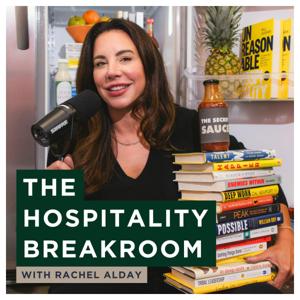


Rachel Alday launches a new season of The Hospitality Breakroom focused on the growing relationship between vacation rentals and travel planners, noting that while hotels have long partnered with advisors, vacation rental operators have struggled, partly due to GDS systems being designed for hotel room types. She explains how more travelers—especially mid to high-end—are using planners, increasing her interest in improving distribution and getting professionally managed vacation rentals in front of planner clients. Alday introduces herself as co-owner of Abode Luxury Rentals, operating for about 18 years in Park City, Jackson Hole, and Sun Valley with roughly 200 high-end properties, and shares that she started the podcast to share lessons learned. She also previews her October book, Please Do Disturb, about hospitality and leadership frameworks, and teases the next episode featuring Vanessa Chella, a top 100 FORA travel planner.Connect With Rachel:[email protected]://www.instagram.com/aldayrachel/
https://www.linkedin.com/in/rachelalday/
https://abodeluxuryrentals.com/
In this episode of the Hospitality Breakroom, Rachel and Ashley discuss the final episode of their third season, focusing on the recap of standardization in hotels and property management success. The episode dives into learnings from the VRMA Executive Summit in Miami, where Ashley presented a fireside chat discussing the rise and fall of large property managers Vacasa and Abridge Hospitality. The discussion reveals six key insights for successful property management: 1) Curated portfolios minimize bad apples, 2) Fewer property owners drive better operations, 3) Properties with similar demand drivers simplify operations, 4) Hospitality teams must feel empowered, 5) Operations should align with local market needs, and 6) Growth should be driven by organic growth rather than mergers and acquisitions (M&A). Rachel and Ashley share examples from successful companies like Panda Express and Chick-fil-A, and discuss the challenges faced by Abridge Hospitality and Vacasa. They emphasize that large-scale M&A often leads to financial difficulties and eventual failure. The episode highlights the importance of maintaining a local focus, empowering teams, and managing a curated portfolio to achieve success in the hospitality industry. Future research and discussions will continue to explore these insights and practical steps for property managers to succeed.
00:17 Recap of Property Management Success and Failures
00:47 Insights from the VRMA Executive Summit
01:51 Comparing Vacasa and Abridge
03:54 Key Findings on Property Management
05:46 Understanding Hotel Property Management
09:00 Success Stories in Restaurant Management
10:21 Six Key Insights to Successful Property Management
11:52 Curated Portfolios and Their Impact
16:42 The Importance of Fewer Property Owners
22:13 Balancing Growth and Homeowner Satisfaction
24:03 The Challenge of Diverse Property Portfolios
29:22 Empowering Hospitality Professionals
34:02 The Pitfalls of Centralized Operations
37:57 Risks of Large-Scale Mergers and Acquisitions
40:25 Conclusion and Future Directions
In this episode of the Hospitality Breakroom, the episode covers the rise and fall of two major hospitality management companies: Vacasa in the vacation rental market and Abridge in the hotel management industry. Ashley provides a historical overview of both companies, outlining five distinct phases of growth, mergers, acquisitions, and eventual financial distress. The discussion delves into Vacasa's explosive growth from managing a single property in 2010 to 44,000 units by 2022, followed by a significant decline and a distressed sale. Similarly, Abridge's journey from 70 hotels in 2003 to 1,500 hotels by 2022 is examined, highlighting their parallel paths of aggressive expansion and eventual financial turmoil. The episode also explores earlier examples of public company failures in the industry, emphasizing that large-scale management struggles are not isolated incidents. The reasons for these failures are debated, with common arguments pointing to executive leadership, private equity, and external events. However, Ashley dispels these myths, suggesting that the core issues are structural rather than personnel-driven. The conversation teases the upcoming VRMA Executive Summit presentation, where Ashley will reveal six key principles that successful regional and scaled property management companies follow. These principles aim to address the recurring challenges in the industry and offer a framework for sustainable growth. The episode underscores the importance of understanding industry patterns and making data-driven decisions to mitigate risks associated with rapid expansion. Rachel emphasizes the value of such comprehensive analyses for industry professionals, noting how they contribute to a better understanding and preparedness for future developments. The episode ends with an invitation to the next podcast, where the six key principles for successful property management will be discussed in detail.
00:00 Welcome and Series Update
00:41 Introduction to National Vacation Rental Property Management
01:06 The Vacasa Bidding War
02:43 Abridge: The Hotel Industry's Vacasa
04:29 Comparing Growth Phases of Vacasa and Abridge
05:09 Upcoming Executive Summit
05:41 Deep Dive into Vacasa's History
11:50 Abridge's Growth and Challenges
14:18 Historical Context of Hospitality Management Failures
17:24 Failed Mergers and Acquisitions in Property Management
18:16 Analyzing the Failures of National Property Management Companies
19:50 Debunking Myths: Leadership, Private Equity, and External Events
21:27 Creating a Comprehensive Case Study
22:12 Upcoming Presentation at Executive Summit
25:24 The Six Key Principles for Success
28:28 Conclusion and Upcoming Episodes
The episode opens with the hosts welcoming the audience back to the 'Hospitality Breakroom,' highlighting this as the ninth out of the tenth episode of the series. The focus of the discussion centers around 'certainty within' the vacation rental industry, featuring Ashley and Meaghan from Inhaven, along with Rachel, the co-owner of Abode Luxury Rentals in Park City. They share their childhood dreams and career journeys, with Rachel recounting her extensive background in ballet, journalism, and marketing before settling into the vacation rental business. Meaghan reflects on her various academic and career shifts before ultimately finding her place in the hospitality industry. The trio discusses the challenges of balancing entrepreneurship with family life and the importance of good childcare and shared responsibilities. The conversation also delves into the dynamics of working with family members within the business, emphasizing the importance of trust and the benefits of a close-knit team. Megan reveals her concerns about raising a family while managing a demanding career and the strategies she and her husband use to maintain a balanced relationship. Rachel shares her insights on how to keep children grounded in affluent communities like Park City. The discussion also touches on the misconceptions about the vacation rental industry, particularly the notion that all properties are just Airbnb listings. Meaghan and Rachel express their concerns about the industry's future, especially with the increasing professionalization and the potential loss of community spirit. They also highlight the need for better software and tools, like a comprehensive owner CRM and an effective dashboard for tracking key performance indicators. The hosts wrap up the episode with reflections on what advice they would give their younger selves, emphasizing the importance of not acting out of fear, understanding the business numbers, and focusing on relationships. Finally, they discuss the concept of standardization within the vacation rental industry, agreeing that consistent standards in the kitchen, bathroom, and bedroom can significantly improve guest experiences. The episode concludes with a teaser for the next and final episode of the series, which will cover a case study on the rise and fall of national property managers.
00:25 Welcome to the Hospitality Break Room
00:51 Today's Topic: The Certainty Within
01:00 Personal Therapy and Life Reflections
02:06 Interview with Rachel: Childhood Dreams and Career Path
05:15 Megan's Journey: From Childhood Dreams to Career
09:01 Family Backgrounds and Upbringing
15:48 Challenges and Strategies in Balancing Work and Family
18:10 Working with Family in Business
24:00 Living in Vacation Towns: Keeping Kids Grounded
28:19 Coping with Hard Days in the Hospitality Industry
30:16 The Importance of Boundaries and Personal Time
37:34 Ashley’s Background and Career Journey
39:15 Introduction to Family and Business
39:56 The Birth of Inhaven
42:52 Challenges and Misconceptions in Vacation Rentals
45:55 The Role of Technology in Business
48:32 Women in Business and Personal Reflections
01:08:00 The Importance of Standards and Certainty
01:14:26 Rapid Fire Questions and Conclusion
In this episode, Rachel, Ashley and Meaghan engage in a comprehensive discussion about the importance of Key Performance Indicators (KPIs) in the hospitality industry. They then dive into the main topic, exploring how KPIs can influence various aspects of a hospitality business, particularly focusing on housekeeping and overall operational efficiency. Rachel mentions the challenges her company faces with housekeeping and the potential for KPIs to provide actionable insights. Meaghan offers detailed advice on tracking KPIs such as cleaning time, costs per property, inspection pass/fail rates, and recurring guest complaints. Ashley adds that understanding these KPIs can lead to better communication with homeowners and more efficient operations. They discuss the emotional aspect of KPIs and how transparency can foster team trust and engagement. Rachel shares her journey from initial fear of transparency to embracing it for better team cohesion. They also briefly touch upon corporate backgrounds and how different companies handle KPI tracking. The episode concludes with a challenge for listeners to start tracking two KPIs and hints at exciting topics for future episodes. The discussion underscores the need for data-driven decision-making in maintaining high operational standards and achieving business growth.
00:54 Welcome to the Hospitality Break Room
01:36 Discussing KPIs and OKRs
03:29 Implementing KPIs in a Growing Company
05:07 Challenges and Benefits of KPIs
18:50 Business Development and Homeowner Acquisition
28:20 Housekeeping KPIs
35:27 Overcoming Overwhelm in Efficiency Tracking
36:19 Turning Housekeeping Supplies into Revenue
37:08 Realizing Profit Potential in Housekeeping
38:49 Breaking Down Housekeeping Costs
46:10 Navigating Housekeeping Challenges
52:02 The Importance of Transparency and KPIs
01:01:42 Implementing KPIs for Operational Excellence
01:08:01 Final Thoughts and Listener Challenge
In this episode of the Hospitality Breakroom, the discussion revolves around the history of hotels and how it informs the future of vacation rentals. Rachel Alday is joined by Ashley Ching and Meaghan Meyers from Inhaven join to discuss the evolution of hotel standards and their relevance to the vacation rental industry. They cover how hotels in the 1970s faced similar challenges to today’s vacation rentals regarding guest certainty and quality standards. The discussion delves into how technological and policy advancements in the '70s and '80s allowed for the mass production of affordable cars and the development of the U.S. highway system, respectively, leading hotels and motels to proliferate along these routes. The inconsistent quality of these early hotels mirrors the current state of vacation rentals. They recount how hotel industries improved guest standards by adopting uniform features, like Westin's 'heavenly bed,' eventually leading to higher guest satisfaction and industry professionalization. The parallels are drawn to vacation rentals needing similar standardization in areas like kitchen, bath, and bedroom essentials. Service levels, particularly the people-to-property ratio, are also highlighted as a significant differentiator between economy and luxury accommodations. Guest experiences in hotels, defined by consistency and service quality, are portrayed as a model for vacation rentals to aspire to, hinting at a potential framework for future industry standards. Throughout, the importance of understanding roles, like property managers and brand standards within the hotel industry, is emphasized. The episode concludes with a call to action for further professionalization and standard setting in the vacation rental industry, drawing inspiration from how the hotel industry evolved over the last 40 years.
00:00 Welcome to the Hospitality Breakroom
01:19 The Evolution of Hotel Standards
02:06 The 1970s: A Turning Point for Hotels
04:51 Westin's Revolutionary Heavenly Bed
05:38 Challenges in Vacation Rental Standards
08:00 The Need for Standardization in Vacation Rentals
16:08 The Role of Professional Supply Chains
28:12 The Structure of Hotel Management
32:37 Understanding the Correlation Between Standardization and Industry Impact
33:59 Ownership and Management in the Hotel Industry
36:26 The Role of Property Managers and Distribution Channels
39:00 Comparing Hotels and Vacation Rentals: Standardization Challenges
49:22 The Importance of Service Levels and Staffing Ratios
58:44 Concluding Thoughts and Future Discussions
In this episode of the Hospitality Breakroom, hosts Rachel Alday, Ashley Ching, and Meaghan Myers discuss inventory management in the vacation rental industry. They share stories about unusual housekeeping finds, including guns and drugs, and discuss the complexities of dealing with such situations. The conversation transitions into the challenges of managing inventory, particularly linens and coffee makers, accounting for everything from air filters to batteries. They delve into the pros and cons of RFID technology for inventory management and contrast it with more feasible QR code systems. Understanding the significance of effective inventory management for operations, guest satisfaction, and homeowner confidence, they discuss the necessity of accurate data and processes. They emphasize that having a solid inventory process can enhance professionalism and reduce resolution time for guest issues. Additionally, the episode touches on the importance of certain supplies, the challenges of managing knife sharpness, the issues with overstocking and understocking various items, and the ongoing quest to improve inventory systems. The episode concludes with a teaser for a secret topic in the next episode.
Rachel introduces the fourth installment of 'Certainty Served Weekly with Inhaven,' with guests Ashley Ching and Meaghan Myers, along with Julie from Abode Luxury Rentals. They discuss the importance of setting standards in vacation rental kitchens, aiming to enhance consistency and guest satisfaction. Julie shares her journey to spearheading the kitchen standards program at Abode, explaining her transition from general operations to a specialized focus on property enhancement. The team dives into the specifics of standardizing kitchenware, emphasizing the relevance of having consistent, durable, and replaceable dinnerware, glassware, and silverware across properties. They highlight the advantages of partnering with Inhaven for easy replenishment of items and reducing operational inefficiencies. The episode explores best practices for stocking kitchen essentials, including debates over cookware types such as stainless steel versus non-stick pans and the pros and cons of different small appliances. Rachel, Ashley, and Julie also tackle the challenges of managing spices, utensils, and coffee makers in vacation rentals. The discussion turns to first impressions, emphasizing the benefits of welcoming guests with local goodies and special treats like Ballerina Farm croissants. Meaghan shares her successful practices using local goods to enhance the guest experience. Finally, Julie underscores the importance of direct communication with homeowners to educate and align on standardization efforts. They wrap up by providing insights into managing guest expectations regarding kitchen supplies and the ongoing debate over the best way to provide guest information, whether through books, QR codes, or mobile apps. The episode concludes with a teaser for the next week’s focus on inventory management.
00:00 Welcome to the Hospitality Break Room
00:55 Meet the Team: Ashley Chang and Megan Myers
01:13 Introducing Julie: The Property Enhancement Specialist
01:38 Setting Kitchen Standards: The Journey Begins
02:05 The Black Bear Lodge Story
03:10 Challenges and Solutions in Property Management
04:10 The Role of INH in Standardizing Properties
07:20 Standardizing Kitchenware: Best Practices
14:41 The Importance of Par Levels
16:29 Cookware Choices: Non-Stick vs. Stainless Steel
23:55 Small Appliances and Coffee Makers
28:06 Introduction to Coffee Choices
29:09 Stocking the Kitchen: Spices and Essentials
33:47 Cleaning Supplies and Guest Communication
43:31 Guest Welcome Gifts and Local Products
50:08 Owner Compliance and Standardization
53:01 Conclusion and Next Episode Preview
In this episode of the Hospitality Breakroom, hosts Rachel Alday, Ashley Ching and Meaghan Meyers join to discuss how to standardize and optimize linen programs for vacation rentals. They emphasize the importance of turning linen programs into profit centers and provide a detailed overview of what should be included in the program, including bedding, towels, and kitchen linens. They provide advice on how to create consistency across different properties, ensuring that guests have a uniform experience no matter where they stay. They touch upon the idea of mandating certain items, like pillows, to ensure quality and standardization. Meaghan discusses her experiences with linen programs at Abode Luxury Rentals, highlighting the challenges and solutions they've encountered, such as inconsistent pillow quality. They also discuss the important role that housekeeping plays in maintaining linen standards and the need for regular training and audits. The trio talk about the financial aspects, including how to price and charge for linen programs, how much of the cost should be covered by property managers versus homeowners, and how to ensure the program is profitable. Ashley mentions an upcoming inventory management tool that uses QR codes to help manage linens more efficiently. They explore the pros and cons of outsourcing linen laundering versus maintaining in-house facilities, highlighting cost considerations, operational complexities, and potential profits. They offer insights on how to make the most out of your linen investment, with a brief mention of branded custom labels to improve guest experience. Rachel shares her personal struggles and small wins in managing linen programs, emphasizing the complexities but also the rewarding aspects of standardization. The episode concludes with a teaser for the next episode, which will focus on optimizing vacation rental kitchens.
00:00 Welcome to the Hospitality Break Room
00:32 Introducing the Linen Program
01:40 What to Include in Your Linen Program
02:16 The Importance of Consistency in Pillows
04:21 Implementing a Successful Pillow Initiative
11:05 Understanding Par Levels for Linens
19:31 Cost and Profitability of Linen Programs
33:15 Marketing Your Linen Program to Homeowners
40:01 The Importance of Guest Experience
40:53 Training Housekeepers for Consistency
41:27 Implementing a Linen Program
43:26 Housekeeping Standards and Inspections
48:16 Challenges in Linen Storage and Inventory
51:43 Insurance and Protecting Your Linens
58:36 In-House vs. Outsourced Laundry Facilities
01:08:11 Closing Thoughts on Linen Programs
01:11:42 Teaser for Next Episode: Kitchen Essentials
In this episode of the Hospitality Breakroom, hosts Rachel, Ashley Ching, and Meaghan Myers discuss the importance of standardizing bathrooms in vacation rentals as part of their new season theme: Certainty Served Weekly with Inhaven. They explore the challenges faced by property management companies like Abode in maintaining consistency in bathroom products such as towels, amenities, and toilet paper. The trio highlights the significance of choosing high-quality, sustainable products and shares personal anecdotes about transitioning to refillable versus single-use amenities. They also delve into the practical aspects of managing towel inventory, explaining how poundage and twist types impact drying times and overall guest experience. The episode covers the benefits of using makeup towels, branded amenities, and hooks versus hookless shower curtains. The discussion touches on operational efficiencies, laundry management, and the vital role of high-quality toilet paper. To wrap up, they tease the next episode on linen programs, offering insights into initial buy-ins, guest experience enhancement, and the potential for profit in housekeeping. Listeners are encouraged to reach out for more information and to anticipate upcoming events where the hosts will share further expertise.
00:00 Welcome to the Hospitality Breakroom
00:45 Challenges in Bathroom Standardization
02:13 The Inhaven Proposition for Standardization
02:50 Insights from Property Management
08:18 Debate: Refillable vs. Single-Use Amenities
19:34 Understanding Towel Standards
22:50 Par Levels and Inventory Management
42:57 Housekeeping and Linen Management
44:25 Towel Recommendations and Types
47:10 Housekeeping Fees and Cost Management
50:23 Makeup Towels and Black Washcloths
54:06 Branding Your Bath Experience
01:00:25 High-End Guest Amenities
01:04:40 Toilet Paper Preferences and Issues
01:11:46 Shower Curtains and Toilet Brushes
01:15:33 Teaser for Next Episode: Linen Programs
From the publisher's feed
Step into The Hospitality Breakroom—a fresh, behind-the-scenes look at the world of luxury hospitality, where the real stories unfold! Each episode, you’ll hear from different members of…
https://linktr.ee/hospitalitybreakroom

16,689 Listeners
71 Listeners

7 Listeners

12 Listeners

97 Listeners

53 Listeners

27 Listeners

36 Listeners

26 Listeners

43 Listeners
10 Listeners

10 Listeners

8 Listeners

5 Listeners

3 Listeners

16 Listeners

78 Listeners