
Sign up to save your podcasts
Or



Based on Podcast App listening data
Giving feedback can feel uncomfortable, especially when we worry about how it will be received. We explore how to approach constructive feedback in a way that builds trust instead of triggering defensiveness. By focusing on observable behavior rather than the individual, we can shift conversations away from blame and toward growth. We also highlight how emotions, past experiences, and even small forms of trauma can influence how feedback is interpreted.
We discuss practical strategies like choosing the right time and setting, using collaborative language, and asking thoughtful questions instead of giving directives. Small adjustments in tone, body language, and pacing can make a meaningful difference in how feedback lands. We also emphasize the importance of keeping feedback manageable and creating space for dialogue so others feel heard and supported.
When feedback is delivered with empathy and clarity, it strengthens relationships with staff and caregivers while improving outcomes for learners. Creating a culture where feedback feels safe and constructive allows everyone to grow together and stay aligned on shared goals.
What’s Inside:
Mentioned in This Episode:
Episode 217: Hard Conversations, Soft Skills: Navigating Difficult Parent & Staff Interactions
HowToABA.com/join
How to ABA on YouTube
Find us on Facebook
Follow us on Instagram
We explore what it really looks like to move from compliance-driven supervision to a more collaborative, relationship-focused approach in ABA. Drawing on real experiences, we reflect on how traditional, directive models can limit growth, reduce motivation, and impact clinical judgment. Instead, we share how shifting toward curiosity, shared decision-making, and mutual respect can empower supervisees to think independently and develop into confident clinicians.
We talk about practical ways to bring collaboration into supervision, including asking better questions, setting meaningful goals, and creating space for reflection. We also acknowledge the real-world challenges like time constraints and varying experience levels, while offering strategies to navigate them with intention.
Ultimately, we highlight how investing in collaborative supervision strengthens both staff development and client outcomes. When we prioritize connection over control, we create a more supportive environment that fosters growth, confidence, and long-term success for everyone involved.
What’s Inside:
Mentioned in This Episode:
HowToABA.com/join
How to ABA on YouTube
Find us on Facebook
Follow us on Instagram
Difficult conversations are a core part of our work as BCBAs, yet many of us were never formally taught how to handle them. We explore why these moments feel so high stakes, from fear of conflict to protecting relationships, and how avoidance or vague communication can make things worse. Instead, we share practical strategies that help us approach these conversations with more confidence and clarity.
We focus on leading with curiosity, using open body language, and grounding conversations in shared goals. We also highlight the importance of balancing empathy with accountability and why clarity is a form of kindness. By applying behavioral principles to communication, we can better prepare for these interactions and create more productive outcomes.
Preparation plays a key role, including practicing ahead of time and identifying desired outcomes. When handled well, these conversations can strengthen relationships, improve team collaboration, and ultimately lead to better outcomes for our learners.
What’s Inside:
Mentioned in This Episode:
The Next Conversation by Jefferson Fisher
HowToABA.com/join
How to ABA on YouTube
Find us on Facebook
Follow us on Instagram
Supporting high-needs learners in group settings starts with how we design the environment, not how we manage behavior. We reflect on how unclear expectations, limited movement, and unpredictable routines can impact anyone, then connect that experience to what our learners face every day. By redefining “high needs,” we focus on learners who require more support with regulation, skill acquisition, and participation, without lowering expectations for their success.
We explore the often unspoken skills required in group settings, like waiting, turn-taking, imitation, and tolerating mistakes, and why these must be explicitly taught. We also share proactive strategies like structuring predictable routines, using visuals, and separating group skill instruction from academic content.
Finally, we discuss common pitfalls such as over-prompting, reinforcing escape, and staff burnout, and how thoughtful planning, intentional teaching, and clear team communication can create more inclusive and sustainable group experiences.
What’s Inside:
Mentioned in This Episode:
How To ABA Blog
Episode 172: How to Teach Executive Functioning Skills
HowToABA.com/join
How to ABA on YouTube
Find us on Facebook
Follow us on Instagram
If our behavior plans only kick in after things fall apart, we are already too late. We explore how strong classroom management starts with prevention, not reaction, and how the structure of the environment shapes student behavior. From clear expectations to smooth transitions, we unpack what actually makes group settings run effectively.
We reflect on how small proactive strategies, like priming, visuals, and teaching routines, can completely shift classroom dynamics. We also discuss why inconsistent reinforcement, unclear roles, and long wait times often lead to challenging behavior, and what to do instead.
Throughout the conversation, we emphasize that good classroom management is simply good teaching. When we build systems that support all learners, we reduce the need for reactive strategies and create more positive, engaging environments.
We also share practical ways to teach expectations, reinforce success, and create meaningful motivation so that students are set up to succeed from the start.
What’s Inside:
Mentioned in This Episode:
Episode 067: How To Use ABA in Classrooms
Reinforcement Systems Starter Pack
HowToABA.com/join
How to ABA on YouTube
Find us on Facebook
Follow us on Instagram
Have you ever created a behavior plan that looked perfect on paper but completely fell apart in a real classroom? We’ve been there too. In this episode, we unpack why even the most well-designed plans can fail when faced with the realities of busy, unpredictable environments. We explore how many plans are built for ideal conditions instead of real-life classrooms filled with noise, transitions, and competing demands.
We shift the focus from fixing the student to understanding the system סביב them. When we consider teacher capacity, environmental triggers, and the practicality of implementation, we can start building plans that actually work. We also dive into how student behavior often signals unmet needs rather than defiance, and why simplifying data collection and reinforcement systems is key.
By taking a systems-first approach, we can create meaningful, sustainable change that supports both staff and students. Because when we support the system, we set everyone up for success.
What’s Inside:
Mentioned in This Episode:
HowToABA.com/join
How to ABA on YouTube
Find us on Facebook
Follow us on Instagram
Does your classroom ever feel like controlled chaos? In this episode, we unpack what’s really behind busy, overwhelming ABA classrooms and how we can better support both students and staff. We explore why behavior plans alone often fall short and how strong systems can make all the difference when things get loud and unpredictable.
We walk through practical, proactive strategies like building flexible routines, organizing the physical environment, and using visual supports to increase independence and reduce stress. We also dive into common breakdown points like transitions and share ways to teach and reinforce key skills before challenges escalate.
Beyond student support, we focus on the critical role of staff. From clear expectations to communication and emotional regulation, we highlight how empowered, supported teams are essential for success. Ultimately, we remind ourselves that classrooms don’t need to be perfect, just functional, supportive, and sustainable.
What's Inside:
Mentioned in This Episode:
Episode 127: Classroom Reinforcement
Managing the Mayhem: Supporting Busy Classrooms and Group Settings
HowToABA.com/join
How to ABA on YouTube
Find us on Facebook
Follow us on Instagram
Parent involvement can completely transform a child’s progress in therapy. In this conversation, we’re joined by Mavis Debra, a clinical supervisor and international behavior analyst with Autism Compassion Africa in Ghana. She shares what it looks like to bring ABA practices into a growing field while helping families understand the power of communication.
Many of the young learners Mavis works with struggle with foundational communication skills such as pointing, requesting, or gaining attention. Without these building blocks, frustration often shows up as crying, tantrums, or grabbing. By coaching caregivers to recognize these moments and teach simple ways to request, families begin to see meaningful change at home and in the community.
We also explore how culture, extended family systems, and everyday routines shape parent coaching in Ghana, and why using simple, relatable language helps caregivers feel confident and ready to participate in their child’s learning journey.
What’s Inside:
Mentioned in This Episode:
Autism Compassion Africa
Autism Compassion Africa on Instagram
IBAO (International Behavior Analysis Organization)
HowToABA.com/join
How to ABA on YouTube
Find us on Facebook
Follow us on Instagram
The role of the BCBA is changing quickly, and the skills that will define great practitioners in the coming years go far beyond technical knowledge. We explore what the BCBA of 2030 will need to succeed and why many of these competencies are not emphasized in traditional coursework. Through a powerful comparison between two clinicians working with the same child, we reflect on how clinical judgment, compassion, and flexibility can completely change a learner’s experience.
We discuss the shift from checklist thinking to thoughtful decision making that centers the needs and values of the learner and their family. We also talk about the importance of neuroaffirming and compassionate care, where behavior is understood as communication and goals focus on dignity, autonomy, and meaningful outcomes.
Beyond clinical practice, we highlight the growing need for leadership, collaboration across disciplines, and strong mentorship for future clinicians. We also look at the role of technology and AI and how to use these tools thoughtfully without replacing human clinical reasoning. The science of ABA is not changing, but the way we apply it must continue to evolve.
What’s Inside:
Mentioned in This Episode:
Episode 203: Balancing Safety and Compassion in Interventions
HowToABA.com/join
How to ABA on YouTube
Find us on Facebook
Follow us on Instagram
For years in ABA, success was often measured in hours, more sessions, more billing, more time. But our field is shifting. In this episode, we unpack what value-based care really means and why it is not a new trend, but a return to good ABA. We explore how focusing on meaningful, socially significant outcomes, rather than checking boxes on assessments, can transform the way we write goals, make clinical decisions, and measure progress.
We share real examples of how values guide programming, from preparing for life events to prioritizing skills that truly impact family life. We also reflect on what COVID taught us about functional goals and generalization. Ultimately, we challenge ourselves to ask: If therapy ended tomorrow, which skills would truly matter?
Value-based care is not a specific teaching strategy. It is a decision-making lens. When we prioritize dignity, assent, autonomy, and long-term quality of life, we ensure our work creates outcomes that last.
What’s Inside:
Mentioned in This Episode:
HowToABA.com/join
How to ABA on YouTube
Find us on Facebook
Follow us on Instagram
From the publisher's feed
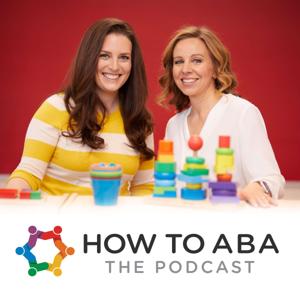
We are Shira and Shayna and we are so excited to bring you our first podcast episode of How to ABA! We are both BCBAs with over twenty years of experience, and as you can imagine, we have created…
Ranked by our users in the last 21 days
1,327 Listeners

626 Listeners

8,891 Listeners

417 Listeners

5,115 Listeners
438 Listeners

164,532 Listeners

25,789 Listeners
1,323 Listeners

15 Listeners

422 Listeners

87 Listeners

19,271 Listeners
28 Listeners

17 Listeners