
Sign up to save your podcasts
Or



Based on Podcast App listening data
Over the past few years, our field has been evolving in powerful and necessary ways. In this episode, we unpack the shift from compliance-driven ABA to assent-based practice and what that actually looks like in our day-to-day work.
When we were first trained, “instructional control” and follow-through were often the priority. But we now know that meaningful learning does not come from rigid compliance. It comes from collaboration, autonomy, and dignity. We talk through what assent really means and what it does not mean, and how we can maintain structure and high expectations while still honoring a learner’s voice.
Through practical examples, like rethinking toileting readiness and embedding meaningful choice, we explore how shaping, relationship-building, and clinical judgment create more ethical and effective teaching. Assent-based practice is not about lowering standards. It is about evolving ABA to be more humane, neuroaffirming, and socially significant.
What’s Inside:
Mentioned in This Episode:
Malone (2025), Upholding Anti-Ableism
Episode 113: How to Maintain Client Dignity in ABA
HowToABA.com/join
How to ABA on YouTube
Find us on Facebook
Follow us on Instagram
Everyone is talking about the future of ABA, but when we really sit down and think about it, many of the “new” ideas have actually been building for years . So what does future-ready ABA actually look like in real, everyday practice?
In this episode, we explore how our field is growing up. We talk about expanding ABA beyond clinic walls and into schools, systems, organizations, and communities. We reflect on what compassion really means at 4:45 p.m. when staff are exhausted and safety is a concern. And we dive into the role of AI and technology, and how it can reduce burnout and administrative burden without replacing clinical thinking or humanity.
We also discuss what supervision must look like moving forward. It is not just about competency checklists. It is about building clinical reasoning, ethical decision-making, and sustainable practices that support both clients and clinicians.
The future of ABA is not something that just happens. It starts with how we practice, supervise, and prioritize today.
What’s Inside:
Mentioned in This Episode:
Ethics CEU: The Future of ABA: Building Clinical Judgement and Compassion
Episode 203: Balancing Safety and Compassion in Interventions
HowToABA.com/join
How to ABA on YouTube
Find us on Facebook
Follow us on Instagram
Compassion and accountability are often seen as opposites in Organizational Behavior Management, but we believe they work best together. We break down how OBM, at its core, is simply ABA applied to organizations and how it can be implemented in ways that feel supportive rather than cold or purely data-driven.
We discuss how assessments, data analysis, and feedback can prioritize clarity, honesty, and relationships. From pairing with reinforcement when entering an organization to involving staff in problem-solving and aligning expectations with real-world barriers, we share practical ways to move performance management away from compliance and toward collaboration.
We also highlight the importance of values, authentic reinforcement, and listening as foundations of compassionate leadership. When staff are viewed as humans and not just performers, it becomes possible to reduce burnout, increase job satisfaction, and build systems that truly support long-term success.
What’s Inside:
Mentioned in This Episode:
Compassionate ABA: Enhancing Social Skills, Tolerance, and Trauma-Informed Care
Episode 224: Beyond Compliance: Why Relationships Are the Heart of Compassionate ABA
HowToABA.com/join
How to ABA on YouTube
Find us on Facebook
Follow us on Instagram
When we think about improving client outcomes, it’s easy to focus on goals, programs, and data collection. In this episode, we zoom out and talk about what’s happening behind the scenes. We dive into Organizational Behavior Management (OBM) and how the systems we work within, including training, communication, leadership, and culture, have a powerful ripple effect on everyone involved.
We explore how OBM applies the same ABA principles we use with learners to organizations, teams, and leadership. From analyzing systems using an ABC framework to pinpointing key metrics like staff performance, burnout, and treatment fidelity, we discuss how small, strategic changes can lead to meaningful, sustainable impact. We also talk about leadership, feedback loops, and reinforcement systems, and how clear expectations and compassionate data use can build trust and alignment.
Ultimately, we reflect on the ripple effect of strong systems. Better supervision leads to stronger future BCBAs and improved outcomes for clients and families. When we strengthen the system, we strengthen the forest, not just one tree.
What’s Inside:
Mentioned in This Episode:
Supervision Resource Bundle
CEU Event: Organizational Behavior Management (OBM) for BCBAs: Driving Change and Improving Workplace Performance with BCBA Mellanie Page
HowToABA.com/join
How to ABA on YouTube
Find us on Facebook
Follow us on Instagram
Supervision isn’t just about signing off on hours. It’s about shaping skills, building confidence, and developing thoughtful future behavior analysts. In this episode, we dive into how we can apply the very same behavior-analytic principles we use with clients to our supervision practices. From assessment and goal setting to shaping, reinforcement, and feedback, we break down what it really means to lead with ABA as a BCBA supervisor.
We talk about why relationship-building and trust are foundational, how to move away from compliance-based supervision toward a coaching and mentorship model, and why feedback needs to be frequent, specific, and actionable. We also explore the importance of modeling professionalism, values-based decision-making, and ethical reasoning, especially for skills that don’t always show up neatly on a task list.
Whether you’re new to supervising or looking to refine your leadership approach, this conversation will help you reframe supervision through a behavior-analytic lens and feel more confident supporting the next generation of BCBAs.
What’s Inside:
Mentioned in This Episode:
Supervision Resource Bundle
HowToABA.com/join
How to ABA on YouTube
Find us on Facebook
Follow us on Instagram
We’re joined by Jordan Black, BCBA, co-host of Moms on Their Best Behavior, and co-owner of Best Behavior Solutions, for a meaningful conversation about making ABA strategies more accessible, practical, and relevant beyond the therapy room. Jordan shares her path into the field, including her background in special education and how becoming a parent shaped the way she approaches behavior support.
We talk about why ABA should not feel exclusive to autism services and how understanding the function of behavior, teaching replacement behaviors, and using reinforcement effectively can support all children across home, school, and community settings. Jordan also highlights the importance of helping parents understand why behaviors occur, rather than relying solely on consequence-based approaches.
Our conversation expands into schools and daycares, where staff often lack formal behavioral training but manage complex environments every day. We wrap up by discussing parent buy-in, collaboration, and Jordan’s advice for newly certified BCBAs who are still finding their footing in the field.
What’s Inside:
Mentioned in This Episode:
Moms on Their Best Behavior Podcast
Best Behavior Solutions
@momsontheirbestbehavior on Instagram
HowToABA.com/join
How to ABA on YouTube
Find us on Facebook
Follow us on Instagram
In this episode, we’re diving into one of our favorite and most meaningful topics in ABA: relationship-based motivation. We talk about why reinforcement doesn’t have to look like tokens, toys, or snacks and how you can become the most powerful reinforcer in the room. When learners enjoy being with us, motivation shifts from doing work for rewards to genuinely wanting to engage, connect, and participate.
We share real-life examples from our own clinical experiences, including moments when we realized we weren’t yet reinforcing enough and what changed when we leaned into play, connection, and authenticity. We also unpack common misconceptions around work versus play, breaks, and pairing, and explain why separating social interaction from reinforcement can unintentionally send the wrong message.
This conversation applies not only to young learners but also to older students, parents, teachers, supervisees, and even supervisors. Strong relationships increase the value of everything else we do in ABA. When connection comes first, behavior change is more sustainable, more meaningful, and honestly, more enjoyable for everyone involved.
What’s Inside:
Mentioned in This Episode:
Episode 221: ESDM in Action: Embedding Goals in Daily Routines and Play
The Science Behind ESDM: Why Relationship Matters as Much as Reinforcement
HowToABA.com/join
How to ABA on YouTube
Find us on Facebook
Follow us on Instagram
In this episode, we sat down with Mellanie Page, BCBA, MBA, and founder of The ABA Collective, to dive into the world of Organizational Behavior Management (OBM) and how it can transform the way we experience our work. We talked about why so many BCBAs feel burnt out or stuck in leadership and supervisory roles and how OBM offers practical, behavior-analytic solutions that go far beyond surface-level self-care.
Mellanie shared how OBM can help us pinpoint high-impact problems, improve workplace culture, and increase job satisfaction—whether we’re clinicians, supervisors, or business owners. We explored why burnout isn’t just an individual issue, how small behavior changes can create meaningful ripple effects across teams, and why reinforcing the process matters just as much as reinforcing outcomes.
This conversation is full of practical insights, real-world examples, and a refreshing reminder that we can apply the science we already know to organizations, leadership, and even ourselves. If you’ve ever wondered how to use ABA to improve your work life, this episode is for you.
What’s Inside:
Mentioned in This Episode:
The ABA Collective
The OBM Practitioner Program
HowToABA.com/join
How to ABA on YouTube
Find us on Facebook
Follow us on Instagram
One of the most common concerns we hear from parents, teachers, and even ABA professionals is, “Isn’t that just bribery?” In this episode, we dig into the long-standing confusion between bribery and reinforcement and explain why the difference truly matters. We walk through real-life examples, from grocery store meltdowns to classroom expectations, to show how timing, intent, and planning change everything.
We unpack why reinforcement is not about quick fixes or paying for behavior but about intentionally teaching skills, building motivation, and supporting long-term success. We also discuss how poorly planned reinforcement can unintentionally strengthen the very behaviors we are trying to reduce and why coercive “reminders” can feel just as uncomfortable as outright threats.
Along the way, we share practical strategies for using reinforcement ethically and compassionately, including how to individualize it, avoid power struggles, and reframe “if then” language into more supportive “when then” statements. If you have ever worried that reinforcement feels wrong or been told it is, this episode will help you feel confident, grounded, and aligned with both the science and your values.
What’s Inside:
Mentioned in This Episode:
Episode 127: Classroom Reinforcement
What is ACT in ABA? A Beginner’s Guide to Acceptance & Commitment Therapy
HowToABA.com/join
How to ABA on YouTube
Find us on Facebook
Follow us on Instagram
In this episode, we’re diving deep into something that sits at the heart of everything we do in ABA: reinforcement. Not just reinforcement that works today, but reinforcement that is sustainable, meaningful, and built to last. Too often, we see systems burn out learners and staff alike because they are too rigid, too sparse, or misunderstood altogether.
We walk through why reinforcement systems get such a bad rap, common mistakes we see in practice, and why “it doesn’t work” usually means the system was not set up to truly function as reinforcement. From dense, continuous schedules for new or challenging skills to gradually fading toward intermittent, natural, and relationship-based reinforcement, we break down how motivation should evolve alongside the learner.
We also talk about the power of pairing, rotating reinforcers, avoiding satiation, and ensuring reinforcement is not only available when behavior goes wrong. Ultimately, we explore how to move toward self-management and internal motivation without throwing reinforcement out altogether. If you are looking to build systems that support independence, persistence, and long-term success without burnout, this conversation is for you.
What's Inside:
Mentioned in This Episode:
Reinforcer Checklist
HowToABA.com/join
How to ABA on YouTube
Find us on Facebook
Follow us on Instagram
From the publisher's feed
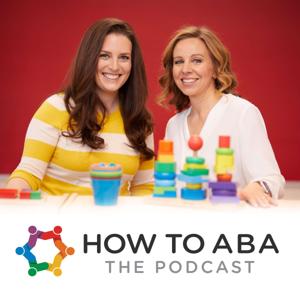
We are Shira and Shayna and we are so excited to bring you our first podcast episode of How to ABA! We are both BCBAs with over twenty years of experience, and as you can imagine, we have created…
Ranked by our users in the last 21 days
1,327 Listeners

626 Listeners

8,891 Listeners
417 Listeners

5,115 Listeners
438 Listeners

164,532 Listeners

25,789 Listeners
1,323 Listeners
15 Listeners

422 Listeners
87 Listeners

19,271 Listeners
28 Listeners
17 Listeners