
Sign up to save your podcasts
Or



Based on Podcast App listening data
Labels matter. In this conversation, we dive into the language we use as ABA professionals and how it shapes the way we see learners, their needs, and their potential. Terms like “non-verbal,” “low-functioning,” and “compliance” may seem convenient, but they can limit how we approach teaching and supporting individuals.
We discuss why language is never neutral and how shifting our words can promote more compassionate and individualized care. From understanding diverse learning profiles to moving beyond narrow expectations, we explore the importance of flexibility in both mindset and methods. You’ll hear how learner-led programming, naturalistic teaching, and values-driven goals can change the way we deliver services.
You’ll also take away practical strategies for reframing how you write goals, share information with families, and advocate for your clients.
What’s Inside:
Mentioned In This Episode:
HowToABA.com/join
How to ABA on YouTube
Find us on Facebook
Follow us on Instagram
Is “non-compliance” really the problem, or just a reflection of our own expectations? Here, we unpack one of the most overused and misunderstood terms in ABA: non-compliance. We explore why this label can mask important context, such as unmet needs, skill deficits, or valid self-advocacy. Instead of jumping to conclusions, we may need to ask better questions: What are we asking the learner to do? Why? And is it truly necessary?
We share practical strategies for rethinking how we define, document, and respond to refusal, from replacing vague language in session notes to setting boundaries with kindness. You’ll also hear how cultural values, family expectations, and adult bias can shape how “compliance” is perceived and why collaboration, communication, and compassion should lead the way. If you’ve ever questioned how to balance boundaries and autonomy, this conversation will give you fresh tools and confidence.
What’s Inside:
Mentioned In This Episode:
HowToABA.com/join
How to ABA on YouTube
Find us on Facebook
Follow us on Instagram
Cooperation Over Compliance Video Series
Teaching social skills doesn’t always stick, but what if we could make it both effective and engaging? In this conversation, we explore how pairing Behavioral Skills Training (BST) with video modeling can create more meaningful, lasting social skill development. We break down how these two evidence-based strategies work together, walking through each phase of BST and showing how video can supercharge the process, especially for visual learners.
We also share practical insights from our own experiences, like how using self-video during the feedback phase helps learners reflect, laugh, and grow without overwhelm. Plus, we cover the importance of keeping it simple: targeting one clear skill at a time, praising successes, and building confidence through positive reinforcement. Whether you're a therapist, teacher, or parent, this episode offers smart, doable ways to level up your social skills teaching toolkit.
What’s Inside:
Mentioned In This Episode:
HowToABA.com/join
How to ABA on YouTube
Find us on Facebook
Follow us on Instagram
BST and Video Modeling
For Lorena and Roberto Germán, teaching isn’t just about content; it’s about connection. In this episode, they share how their work through Multicultural Classroom transforms how educators approach professional development, cultural responsiveness, and student-centered instruction. With decades of experience in classrooms and school leadership, they break down what it means to move from theory to practice. Lorena and Roberto offer real strategies that help educators navigate bias, build stronger relationships, and create learning environments where all students feel seen.
We also explore the tension between data and humanity, the impact of cultural context in behavioral support, and why celebrating non-tested wins matters just as much as academic outcomes. From honoring student voice to recognizing implicit bias, Lorena and Roberto challenge educators and behavior analysts alike to reflect deeply and act intentionally. Whether you're in a classroom, consulting in schools, or leading professional development, this episode offers tools and insights to help you practice with more awareness, care, and impact.
What’s Inside:
Mentioned In This Episode:
HowToABA.com/join
How to ABA on YouTube
Find us on Facebook
Follow us on Instagram
Multicultural Classroom Website
Multicultural Classroom on Instagram
Multicultural Classroom on TikTok
Multicultural Classroom on YouTube
Are social skills groups a powerful way to build real-life connections, or just another artificial setting that doesn’t translate beyond the session? In this episode, we dive into the debate, weighing the pros and cons of group-based instruction. Drawing from years of experience, we explore what makes these groups succeed, where they fall short, and why context, individual goals, and generalization matter more than any set curriculum.
We discuss why some learners thrive in structured social settings while others need more natural, individualized approaches. From parent expectations to learner preferences, emotional regulation challenges, and the importance of staff involvement, we unpack what it really takes to make a social group effective. Whether you’re running a center-based program or supporting students in a classroom, this episode is packed with honest insights to help you decide when and how to use social skills groups…and when to rethink them entirely.
What’s Inside:
Mentioned In This Episode:
HowToABA.com/join
How to ABA on YouTube
Find us on Facebook
Follow us on Instagram
Join the BX Resource Community
For over 20 years, Model Me Kids has helped learners build real-world social skills through evidence-based video modeling. We sat down with founder Sue Klein to explore how it all began, from cutting out magazine clippings and mailing DVDs to launching a fully customizable streaming platform used by educators, therapists, and families across the country. Sue shares the origin story of Model Me Kids, the thinking behind its peer-led, real-life video format, and how it’s evolved to support learners of all ages and abilities.
We also dive into the teaching strategies that make video modeling so effective, like clear visual storyboards, built-in repetition, and role-play opportunities, and how the new data tracker will make progress easier to monitor and share. Whether you're working with preschoolers, teens, or young adults, Model Me Kids provides practical, engaging tools to help learners build confidence and social understanding in everyday life.
Want to try Model Me Kids yourself? Use promo code ABA25Plus for 25% off!
What’s Inside:
Mentioned In This Episode:
HowToABA.com/join
How to ABA on YouTube
Find us on Facebook
Follow us on Instagram
Model Me Kids Website
Have you ever written a social skills goal that looked great on paper but didn’t lead to real-life success? In this conversation, we dive into how to create meaningful social skills goals that build genuine connection, confidence, and independence. We explore why social skills aren't one-size-fits-all and how to align goals with each learner’s personality, preferences, and values—whether that means navigating a busy store, joining a classroom routine, or connecting over a shared interest.
We also share common mistakes to avoid (like rote teaching and checklist-style goals) and offer practical strategies like values-based assessments, role-play, video modeling, and meaningful data collection. Whether you're working with verbal or non-verbal learners, young kids or teens, we show you how to build social goals that make a real impact on their terms, in their world.
Need more support? Join our next CEU event, How to Approach Social Skills Like a Behavior Analyst, on July 10th. Click the link below for more details!
What’s Inside:
Mentioned In This Episode:
HowToABA.com/join
How to ABA on YouTube
Find us on Facebook
Follow us on Instagram
Join Our Next CEU Event
Ever wonder how playful moments like peekaboo or a silly song can support meaningful progress in young children with autism? Here, we explore sensory social routines and how the Early Start Denver Model (ESDM) uses them to build engagement, communication, and joint attention through everyday play. These simple, predictable routines can become powerful teaching tools when paired with a child’s natural interests.
We share what these routines are, why they work, and how we use them to follow a child’s lead while embedding teaching moments. From chasing games to puzzle play, we offer real-life examples and practical tips to spark connection, shape behavior, and celebrate small wins at home or in therapy. With the right strategies, even the smallest interactions can lead to big developmental breakthroughs.
What’s Inside:
Mentioned In This Episode:
HowToABA.com/join
How to ABA on YouTube
Find us on Facebook
Follow us on Instagram
Play-Based Tip Sheet
Episode 106: ABA Assessments
Play is a fundamental part of childhood, so what happens when a child struggles to engage in it? In this episode, we explore the many forms play can take, why it's essential for development, and how to support learners who find it challenging.
We break down what "play" really means (beyond just pretend scenarios) and include everything from sports and games to musical instruments and picture books. We talk about common barriers to play, such as social challenges, sensory sensitivities, and limited interests, and how to meet kids where they are by shaping existing interests into meaningful, engaging activities.
You'll hear practical strategies for teaching and supporting play: using visual models, offering choices, setting up structured yet flexible play environments, and carefully selecting peers for playdates. We also discuss the value of parallel play and when to pivot from play to leisure skills—emphasizing that enjoyment and engagement are what matter most.
What’s Inside:
Mentioned In This Episode:
HowToABA.com/join
How to ABA on YouTube
Find us on Facebook
Follow us on Instagram
An Early Start for Your Child with Autism: Using Everyday Activities to Help Kids Connect, Communicate, and Learn
Leisure skills, unlike developmental play, support lifelong engagement, independence, and quality of life, whether it's crochet, reading, or structured hobbies. In this discussion, we explore how play skills evolve across ages and how ABA programs can support that progression.
We outline the typical stages of play, from exploratory and functional play in toddlers to pretend, constructive, and rule-based games in older kids. We discuss why using outdated play activities (like blocks or shape sorters) with older learners can be problematic and highlight the importance of transitioning to leisure skills as children mature, especially for teens and adults. We also touch on strategies for teaching play, including sensory-social routines, modeling, and focusing on student motivation.
What’s Inside:
Mentioned In This Episode:
HowToABA.com/join
How to ABA on YouTube
Find us on Facebook
Follow us on Instagram
From the publisher's feed
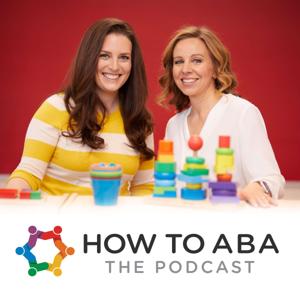
We are Shira and Shayna and we are so excited to bring you our first podcast episode of How to ABA! We are both BCBAs with over twenty years of experience, and as you can imagine, we have created…
Ranked by our users in the last 21 days
1,330 Listeners
626 Listeners

8,891 Listeners
417 Listeners
5,116 Listeners
438 Listeners
164,509 Listeners

25,782 Listeners
1,323 Listeners
15 Listeners
422 Listeners
87 Listeners

19,270 Listeners
28 Listeners
17 Listeners