
Sign up to save your podcasts
Or

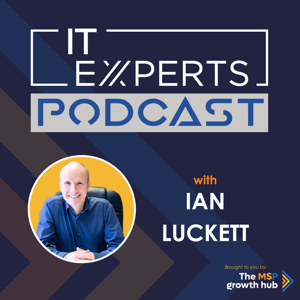


Or more accurately, the fear of niching. It's that internal tug-of-war between wanting more leads and being scared that if you narrow your focus, you'll somehow lose out on opportunities. So in this episode, I turned the tables and interviewed my co-host Ian Luckett, who's been doing some seriously powerful work with our clients on this very subject over the past 12 months.
Let's get this out in the open straight away – niching is not about turning people away or putting your business in a box. It's about getting clear on who you help, how you help them, and making sure your marketing speaks directly to them in a way that resonates. One of the stories Ian shared perfectly summed this up – a smoked meat restaurant that had crafted a name for itself by focusing purely on one thing: slow-cooked, smoked meats. The manager wasn't just someone running a restaurant – she knew the ins and outs of the process, the timing, the flavours, and what makes it exceptional. That's expertise. That's niching. And it's a brilliant metaphor for your MSP business. When you're known for something, people remember you. They seek you out. They refer you.
Throughout the episode, we reminded listeners that niching is, at its core, a marketing exercise. You're not changing the structure of your MSP. You're not excluding existing clients or rewriting all your service offerings. You're simply putting a wrapper around your message that clearly communicates the value you bring to a specific audience. Whether it's accountants in the North West, architects in the Midlands, or hybrid-working legal firms in London – if your MSP can solve a clear problem for a group of people, and you can talk about that in their language, you're already halfway there.
Ian explained that one of the biggest blocks MSP owners hit is thinking they have to do a full business overhaul to niche effectively. But in reality, it's about small steps. One message. One landing page. One campaign. That's all it takes to start seeing what lands, what generates curiosity, and what brings in the right leads. And that's key – the right leads. Leads who already understand what you do, who are pre-qualified, and who are much more likely to convert. It's easier, more efficient, and ultimately more profitable.
We talked about clients who've seen significant growth simply by getting tighter with their niche. One MSP doubled his business over two years after focusing on a sector he'd previously worked in. His background gave him credibility. His language mirrored that of his audience. His content hit the mark. Suddenly, he wasn't chasing leads – they were coming to him. Another client narrowed his niche down to a specific profession in a specific location – and it transformed his marketing from generic and vague to clear, direct and compelling. This kind of shift is possible for every MSP – but you've got to start by looking in the rear-view mirror. Where have you been? Which sectors have brought you the best clients? Where do you already have expertise, even if you've not yet capitalised on it?
AI can help with this, too. Use tools like ChatGPT to map out the pain points of your ideal niche, how your MSP solves those issues, and how to speak to them in ways that cut through the noise. Within half an hour, you can have a rough blueprint for your niche strategy. And don't forget the power of geography – you don't always have to go industry-specific. Sometimes being the go-to IT provider for a specific area is more than enough to build traction, reputation and referrals.
The real kicker in all of this is the value of your business. A well-positioned, niched MSP is worth more when you come to exit. It's more attractive to buyers, less reliant on you as the owner, and easier to grow because you've already built a repeatable, scalable marketing engine. And for those worried about stepping back or scaling out of the day-to-day, niching makes it easier to teach your team how to sell what you do – because the messaging is clearer and the target is sharper.
If there's one message we want you to take away from this episode, it's this: you don't have to niche your MSP overnight. But if you want more leads, better leads, and a more valuable business in the long run, you need to start somewhere. Try one message, one audience, one clear offer – and see what happens. And if you're not sure how to do that, we've got plenty more episodes that walk through building your funnel and your marketing engine, step by step.
You don't need to be everything to everyone. You just need to be the right solution to the right people. That's the power of niching for MSPs.
Connect on LinkedIn HERE with Ian and also with Stuart by clicking this LINK
And when you're ready to take the next step in growing your MSP, come and take the Scale with Confidence MSP Mastery Quiz. In just three minutes, you'll get a 360-degree scan of your MSP and identify the one or two tactics that could help you find more time, engage & align your people and generate more leads.
OR
To join our amazing Facebook Group of over 400 MSPs where we are helping you Scale Up with Confidence, then click HERE
Until next time, look after yourself and I'll catch up with you soon!
Now, for those of you who don't know Scott, he's been helping MSPs since 2016 after experiencing the all-too-familiar frustration of lead generation in his own MSP. As he says, once you're in the room with a prospect, it's usually straightforward to talk about tech, pain points and solutions. The hard bit? Getting in the room in the first place. That challenge became the mission behind IT Rockstars, and today Scott works with hundreds of MSPs around the world, transforming how they attract and engage new business.
The heart of our conversation was about practical, real-world tips for MSPs who want to finally get some traction with their marketing. One of the key points Scott made early on was the power of lead gen ads—especially using Meta (yes, Facebook and Instagram), not just LinkedIn. It's a bit counterintuitive, but Meta's algorithm is miles ahead when it comes to identifying and targeting the right people based on behaviour, not just job titles. And with lead forms that open within the feed, the friction for conversion is much lower. Scott shared that they're seeing cost-per-lead figures of £3–£4 for webinar sign-ups, which is incredible when you think about the quality and warmth of those leads.
Another gem in this episode was around how to actually use AI in your marketing without it turning into robotic mush. Scott walked us through how he uses tools like Descript and ChatGPT to turn transcripts into blog posts and LinkedIn articles. And the best bit? If you tailor your prompts properly, the output feels more human, more you—and less like it's been churned out by a bot. As we said, it's like baking a cake: if the ingredients are good and you've got the right recipe, the result is going to taste spot on.
Scott and I also got into one of my favourite topics: the importance of building a Power Audience. That is, creating a group of people who want to hear from you. Not cold outreach, not spamming inboxes, but an actual audience who've opted in because your messaging resonates. Once those leads are in, that's when the real work starts—nurturing them with regular value-add content, running useful webinars, and having follow-up processes that are simple, human and consistent. MSP marketing doesn't need to be complex, it just needs to be consistent and personal.
We touched on the elephant in the room too: SEO. Scott was very open about this—yes, SEO still has its place, especially when you go after low-hanging fruit keywords like "cyber essentials price" (hint hint), but it's not the golden ticket some think it is. Algorithms change, rankings fluctuate, and if you're not careful, you end up building your whole strategy on shifting sand. Instead, focus on what you can control—your content, your voice, and your relationships.
There was also a brilliant reminder from Scott that when it comes to lead magnets, the old-school PDF downloads don't really cut it anymore. What's working now are educational, insight-driven webinars, where you show up, deliver real value, and start building that all-important trust. As Scott says, getting uncomfortable—whether that's showing up on camera or hosting a webinar—is often the fastest route to growth. It's not always easy, but it is simple.
And finally, a golden nugget to finish: don't just focus on who isn't ready to buy. Many leads aren't in buying mode today, but they might be in six months. Your job is to stay visible, stay valuable, and be the one they remember when they're ready. Nurture, follow up, and—this bit I loved—don't forget the referral goldmine in your list. A formal referral programme can turn a "maybe" into a warm intro with zero ad spend.
So, if you're serious about getting your MSP's marketing moving, stop overthinking it. Try a lead gen ad. Run a webinar. And most importantly, play the long game. Scott Millar's insight today is a brilliant reminder that MSP marketing isn't about magic tricks. It's about showing up with the right message, at the right time, to the right people—and doing it in a way that feels natural and honest.
Connect with Scott Millar through his LinkedIn HERE and to learn more about Scott and his work with MSPs, check out HERE.
Connect on LinkedIn HERE with Ian and also with Stuart by clicking this LINK
And when you're ready to take the next step in growing your MSP, come and take the Scale with Confidence MSP Mastery Quiz. In just three minutes, you'll get a 360-degree scan of your MSP and identify the one or two tactics that could help you find more time, engage & align your people and generate more leads.
OR
To join our amazing Facebook Group of over 400 MSPs where we are helping you Scale Up with Confidence, then click HERE
Until next time, look after yourself and I'll catch up with you soon!
Now we all know M&A – mergers and acquisitions – can be one of the fastest ways to grow and scale your business. Once you've got your house in order, and you're running at a solid EBITDA with strong operational maturity, bolting on new businesses might seem like the logical next step. But – and it's a big but – what's often overlooked is what that really means for your people. And if your culture, leadership, and structure aren't ready, the train can very quickly come off the rails.
Alison brings a grounded, real-world view to this conversation. She's been on the front line of some pretty major acquisitions, including one that jumped from £8m to £24m turnover and took the team from 45 to 140 heads almost overnight. And she shares, with honesty and clarity, what it actually takes to pull this off in the real world – and how to stop your people, and ultimately your growth, from falling apart at the seams.
We talk about the massive difference between tactical HR and strategic HR. It's one thing having your contracts and compliance sorted, but when you're growing – especially through M&A – you need to shift your mindset. Strategic HR is about seeing your people as assets who are actively driving your commercial goals, not just passengers on the bus. If you're growing from 30 to 50 to 60 people – whether gradually or through acquisition – you need the structure, the leadership, and the culture that will carry the weight of that growth.
One of the key points we covered is that M&A isn't just about the deal. Signing the contract is only the halfway point – the real work starts once the ink is dry. Integration takes time, effort and energy. The leadership team will be tired, decision-fatigued, and ready to move on. But for your people – this is day one. For those coming into your business through the acquisition, it can be an unsettling, nerve-wracking time. They didn't choose this change – it's been done to them – so empathy and clear communication are absolutely essential.
Alison shares her proven approach, which includes creating a detailed FAQ document before the announcement is made. This answers the big, scary questions your team will have: "Is my role changing?", "Is my manager changing?", "Will I have to move?", "What's happening with my benefits?" It sounds simple, but this one proactive step can calm the chaos and build confidence straight out of the gate. And that goes for both sides – your existing team will have just as many concerns as the team you're bringing in. Having honest, timely conversations is key.
We also discussed the importance of appointing a dedicated facilitator – someone who knows your business inside out and can lead the integration project. Whether it's a head of people internally or a consultant who's been through this before, this person becomes the glue that holds the project together. They keep the comms flowing, make sure nothing falls through the cracks, and allow the senior leadership team to stay focused on the bigger strategic picture.
Crucially, M&A should never become BAU – Business As Usual. It's a project – a big one – and it needs to be treated as such. Weekly updates, clear milestones, and a firm timeline for integration are essential. Otherwise, you risk ending up with multiple businesses operating under one roof, with different systems, processes, and a fractured culture – and that's the opposite of scale.
If you're an MSP leader even thinking about growing through acquisition, this episode is a must-listen. Alison Whitfield brings not just the strategy, but the practical wisdom that comes from years of experience. Her insights on people, planning and culture are gold dust – especially in the fast-paced world of M&A.
For more insights on structuring and growing your MSP, connect with Alison Whitfield on LinkedIn or visit Cultivate People Services to learn more about their people and culture solutions.
Connect on LinkedIn HERE with Ian and also with Stuart by clicking this LINK
And when you're ready to take the next step in growing your MSP, come and take the Scale with Confidence MSP Mastery Quiz. In just three minutes, you'll get a 360-degree scan of your MSP and identify the one or two tactics that could help you find more time, engage & align your people and generate more leads.
OR
To join our amazing Facebook Group of over 400 MSPs where we are helping you Scale Up with Confidence, then click HERE
Until next time, look after yourself and I'll catch up with you soon!
But is that really the end of the road, or is there something you can do to keep that client, maintain profitability, and avoid unnecessary churn? In this episode of the IT Experts Podcast, I sat down with our resident finance coach, Clare Elliott, to explore what MSPs can do when faced with clients who are reconsidering their contracts.
Clare works with MSPs every day inside the Growth Hub, helping business owners understand their numbers, optimise their pricing, and make better financial decisions. One of the key takeaways from our conversation is that if a client calls you to say they're leaving, it should never come as a surprise. If you've been proactively managing your client relationships, you should already have an idea of their situation. So, the first tip is simple but powerful—know your clients. Regular account management, consistent check-ins, and open communication ensure that you're never blindsided by a client's decision to leave. It also means you have a chance to address any concerns before they become deal-breakers.
Another critical point we covered is that MSPs must know their numbers inside out. Many business owners avoid digging into their financials because they find them dull or even intimidating. But the reality is, without a clear understanding of your profitability—by client, by service, and by contract—you could be working with accounts that are costing you money rather than generating it. Clare highlighted how important it is to track the profitability of each client, ensuring they're worth retaining. If a client isn't profitable, their departure might not be a bad thing. In fact, it could free up resources for better opportunities.
We also discussed the importance of value perception. Sometimes, when a client says they can't afford you, what they're really saying is they don't see enough value in what they're paying for. This is where proactive communication is essential. MSPs need to regularly remind clients of the benefits they receive—whether that's seamless IT support, cybersecurity protection, or increased business efficiency. If clients don't see what you're doing in the background, they might assume they're paying for less than they're actually getting. MSPs should be educating clients on the value they provide, whether that's through case studies, testimonials, or regular business reviews. The more you communicate your worth, the less likely a client is to see your service as an unnecessary expense.
One of the biggest mistakes an MSP can make when a client threatens to leave is resorting to discounts as a knee-jerk reaction. Clare and I both agreed that discounting is a dangerous path. It not only reduces profitability but also sets a precedent for future price negotiations. Instead, MSPs should focus on reinforcing the value of their service. If a client is genuinely struggling, consider restructuring their package rather than simply lowering the price. Having clear service tiers, such as a gold, silver, and bronze package, can help give clients flexibility while maintaining overall profitability.
Security also plays a huge role in pricing and client retention. I've heard from MSPs who still offer security as an optional extra rather than making it a non-negotiable part of their service. Clare made an excellent point—security should never be an option. MSPs that separate security from their core offering run the risk of clients opting out, exposing themselves to unnecessary risks, and blaming their provider when things go wrong. If an MSP isn't making security a baseline requirement, they need to rethink their approach.
Finally, we discussed knowing when to walk away. Not every client is worth saving. If you're constantly firefighting an unprofitable client or bending over backwards to accommodate their demands, it might be time to let them go. Business owners often feel nervous about losing a customer, but keeping a bad-fit client can sometimes be worse than losing them. By knowing your financials and understanding the true cost of service delivery, you can make confident decisions about which clients are worth fighting for and which ones you should let go.
At the end of the day, MSPs need to be proactive, data-driven, and confident in their value. If you're managing your client relationships well, staying on top of your numbers, and ensuring your pricing reflects your worth, you'll be in a much stronger position to handle pricing objections and client churn. And if a client still decides to leave, handle the offboarding professionally—you never know when they might come back.
Connect on LinkedIn HERE with Ian and also with Stuart by clicking this LINK
And when you're ready to take the next step in growing your MSP, come and take the Scale with Confidence MSP Mastery Quiz. In just three minutes, you'll get a 360-degree scan of your MSP and identify the one or two tactics that could help you find more time, engage & align your people and generate more leads.
OR
To join our amazing Facebook Group of over 400 MSPs where we are helping you Scale Up with Confidence, then click HERE
Until next time, look after yourself and I'll catch up with you soon!
I'm joined by fellow MSP Growth Hub coaches Stuart Warwick, Julie Hutchison, and Clare Elliott, as we reflect on the key takeaways from our January 2025 two-day intensive.
These intensives are the cornerstone of the MSP Growth Hub's Scale with Confidence model, bringing together MSP owners and leaders to reflect, reset, and refocus on their business growth. The January event was centred around the theme of 'Harnessing Ambition'—not just setting strategic goals but ensuring they are cascaded throughout the entire organisation. This is where business owners can make real progress, ensuring their company, departments, and individuals are all aligned and working towards the same vision. When this is done properly, businesses accelerate growth, eliminate friction, and reduce stress for the owner and their teams.
One of the most powerful aspects of these events is the energy in the room. We had around 55 MSPs from all different stages of business maturity, but each and every one of them had a clear plan. They knew their headline numbers, their biggest challenges, and what they wanted to get out of the two days. And while there was plenty of networking (and cake!), this wasn't just a social gathering. It was a working event. In fact, we encourage attendees to take an extra decompression day afterwards to process everything they've learned and recalibrate their action plans.
A standout session from this intensive was our deep dive into transforming profits in 180 days. Clare and Stuart walked the room through a practical framework that got everyone thinking differently about their numbers. Many realised they had never truly understood their financial levers and wished they had brought their finance teams along—though, of course, this session was specifically designed for MSP owners to take ownership of their financial strategies. We focused on high-level principles of financial management, helping them understand how to improve profitability in a structured way that compounds year on year.
Another major highlight was Julie's session on identifying and developing future leaders within an MSP. So many business owners struggle with delegation and succession planning, yet they have potential leaders sitting right in front of them. The key is not just identifying technical skill but looking for people who genuinely want to lead. As Julie put it, if you don't give those people the opportunity to grow, they will find it elsewhere. She introduced a simple scoring system that helped MSP owners assess their teams objectively, ensuring they are nurturing the right people and not just promoting someone because they're the best technician.
A personal highlight for me was delivering the ICE Framework—a brand-new, practical system to help MSP owners escape overwhelm, find more time, and focus on the right activities. From time management to prioritisation and delegation, we crammed every ounce of value into this framework. The feedback was fantastic, with many attendees saying it was the missing piece they needed to create more headspace and get out of the daily firefighting mode. It's now a permanent part of our growth system, sitting in the Vault for members to access anytime.
What makes these events so special isn't just the frameworks and strategies—it's the shared learning. The room is packed with like-minded business owners who are all on the same journey, using the same language, frameworks, and processes. That alignment is what allows them to move faster, make better decisions, and ultimately compress the time it takes to scale. The discussions, the problem-solving, and the breakthroughs that happen in real-time are what make these intensives so impactful.
And the impact doesn't stop when the event ends. The ripple effect through MSP teams is incredible. We saw business owners leaving with a renewed sense of purpose, taking what they learned straight back to their teams, engaging them in the vision, and aligning everyone with the company's mission. We even had one MSP receive a thank-you gift from their team because they had gone back, implemented everything, and made such a difference to the way they operated. That's what it's all about—helping MSP owners build businesses that work for them rather than them being stuck in the day-to-day grind.
Looking ahead to our next event in May, we'll be focusing on 'Amplifying Capacity.' This means going deep into team structures, operational efficiency, and leadership skills. We'll be tackling topics like how to get more from your people, how to recruit and retain the right talent, and how to eliminate the bottlenecks that slow down business growth. Expect practical workshops, panel discussions, and insights on everything from using productivity tools like Asana to maximising PSA systems. And, of course, Julie will be leading a powerful session on dealing with difficult conversations—something every MSP leader needs to master.
For anyone listening who wants to get more insight into how the MSP Growth Hub can support your business, we'd love to connect. You can take the Scale Your MSP Quiz or drop me a message on LinkedIn for a chat.
Running an MSP can be a lonely place, but it can also be an amazing place with the right support network. That's why we do what we do—to help MSP owners make a bigger impact, change more lives, and enjoy their business journey.
Connect on LinkedIn HERE with Ian and also with Stuart by clicking this LINK
And when you're ready to take the next step in growing your MSP, come and take the Scale with Confidence MSP Mastery Quiz. In just three minutes, you'll get a 360-degree scan of your MSP and identify the one or two tactics that could help you find more time, engage & align your people and generate more leads.
OR
To join our amazing Facebook Group of over 400 MSPs where we are helping you Scale Up with Confidence, then click HERE
Until next time, look after yourself and I'll catch up with you soon!
Alison shares her perspective on why structure is so much more than just an organisational chart or job descriptions. She compares a well-structured MSP to an orchestra, where the conductor sets the pace and ensures each musician plays their part in harmony. In an MSP, the leadership team acts as the conductor, guiding different departments while allowing them to operate effectively within their roles. Without this level of coordination, businesses risk becoming chaotic, where people take on mismatched roles, processes break down, and leadership gets bogged down in daily operations rather than focusing on strategic growth.
One of the key takeaways from this conversation is the importance of defining leadership roles early on. Many MSP owners make the mistake of promoting internally without fully assessing whether the individual is ready for leadership. Just because someone is a brilliant technical expert or account manager doesn't mean they'll thrive in a leadership position. Alison emphasises that the transition from a technical role to a senior leadership team (SLT) role requires different skills—strategic thinking, communication, and the ability to manage and inspire a team. That's why it's crucial to evaluate potential leaders based on their ability to drive the business forward, rather than simply their tenure or technical expertise.
We also touch on the reality that most MSPs don't get past the £1 million turnover mark, largely due to poor structure. If an MSP wants to scale beyond this, it needs to establish a proper SLT with clear departmental functions, accountability, and measurable outcomes. But as we discuss, there's no shop called 'SLTs R Us' where MSP owners can simply pick out a ready-made leadership team. Instead, they have to be intentional about developing leaders internally or bringing in external talent who align with their business vision and culture.
Alison highlights the critical need for strong communication across all levels of an MSP. Many businesses assume that everyone understands the company vision, but often, strategy is only understood at board level while the rest of the team remains out of the loop. This creates internal conflicts, especially between service and sales teams, as they struggle to see how their roles contribute to the overall business success. The solution? A structured approach to internal communication—regular meetings, clear role definitions, and alignment on key objectives so that every team member knows their contribution to the bigger picture.
Recruiting the right leaders is another major challenge for MSPs, especially when filling gaps in an SLT. Alison advises MSP owners to start by defining exactly what they need from a role before hiring. Is it a Chief Technology Officer, a Head of Operations, or a Commercial Director? More importantly, does this person need to come from a similar-sized MSP or from a different background? Bringing in someone who has only worked in a highly structured corporate environment may struggle in a fast-moving MSP where adaptability is key. Understanding the culture and operational pace of an MSP is just as important as technical expertise.
We also explore the growing trend of fractional leadership, which is becoming an invaluable solution for MSPs that need experienced leadership but don't require (or can't afford) full-time roles. Many MSPs looking to scale can benefit from a fractional CIO, CTO, or COO who brings expertise and strategic oversight without the long-term commitment of a permanent hire. This approach provides flexibility, ensures that high-level decisions are being made, and prevents business owners from becoming overwhelmed by operational responsibilities.
The conversation then shifts to leadership models and how they impact MSP structure. Alison emphasises that there's no one-size-fits-all model—every MSP must build a structure that fits its size, growth ambitions, and company culture. However, certain fundamentals remain universal: defining a clear vision, having structured departmental plans, and ensuring that every role contributes to business growth. Whether a business is running a flat structure with few management layers or a more hierarchical setup, the key is clarity—who is responsible for what, how decisions flow, and how success is measured.
One of the biggest pitfalls we see in MSPs is a lack of focus on operational efficiency. Many MSPs end up stagnating at break-even because they fail to measure success properly. Business owners must be clear on what their teams need to deliver. Are they driving revenue? Improving client retention? Expanding service offerings? Without these key performance indicators, an MSP can fall into the trap of 'busyness' without real business progress.
Alison leaves us with a final thought: MSPs need to take structure seriously if they want to grow beyond the owner-operator phase. Every MSP must define what success looks like, ensure clear communication across the team, and build a leadership structure that supports both day-to-day operations and long-term strategic goals. Whether this means promoting from within, hiring externally, or leveraging fractional leadership, the key is to be proactive rather than reactive.
For more insights on structuring and growing your MSP, connect with Alison Whitfield on LinkedIn or visit Cultivate People Services to learn more about their people and culture solutions.
For further information on The MSP Growth Bootcamp starting on 1st April - Click HERE
Connect on LinkedIn HERE with Ian and also with Stuart by clicking this LINK
And when you're ready to take the next step in growing your MSP, come and take the Scale with Confidence MSP Mastery Quiz. In just three minutes, you'll get a 360-degree scan of your MSP and identify the one or two tactics that could help you find more time, engage & align your people and generate more leads.
OR
To join our amazing Facebook Group of over 400 MSPs where we are helping you Scale Up with Confidence, then click HERE
Until next time, look after yourself and I'll catch up with you soon!
As business owners, we often pride ourselves on pushing forward, solving problems, and keeping things moving. But what happens when we don't stop to reflect? What are the hidden risks of ploughing ahead without taking a moment to reassess our strategy, our goals, and even our own leadership? Stuart and I unpack exactly that in today's conversation, and trust me, if you're an MSP looking to scale, this is something you don't want to ignore.
We all know the feeling of getting caught up in the day-to-day operations—whether it's handling client issues, managing your team, or dealing with the constant flow of incoming tickets. But without stepping back, you're in danger of drifting into what Stuart calls the Black Box—a state of denial where problems build up unnoticed until they explode into full-blown chaos. One of the biggest risks for MSPs is failing to see the early warning signs, whether that's declining profit margins, client dissatisfaction, or employees who are disengaged and looking to move on.
We introduce a simple yet powerful tool to help MSPs assess where they're spending their time and energy—the Momentum Matrix. This model divides your business state into four quadrants: Performing, Denial (Black Box), Chaos (Red Box), and Renewal. Every MSP wants to be in the Performing quadrant, where things are running smoothly—revenues are strong, customers are happy, and your team is motivated. But many businesses get trapped in the Black Box, ignoring the small issues that eventually push them into Chaos, where they're forced to react to major problems. It's only when this happens that business owners wake up and move into Renewal, where they finally take action to fix what's broken.
But here's the thing—what if you didn't have to wait for a crisis to enter renewal? What if, instead of swinging between denial and chaos, you could move directly between Performing and Renewal, constantly refining and improving your MSP without ever hitting a major setback? That's where a structured rhythm of review comes into play. Regularly stopping to assess where you're at—whether in daily huddles, weekly meetings, or strategic quarterly planning—ensures that you never let problems fester to the point of disaster.
Stuart highlights a crucial distinction between simply holding meetings and having quality conversations. It's not enough to check in with your team and run through a list of tasks; you need to actively dig into the roadblocks that are slowing progress. Are your goals aligned? Are your KPIs telling you the full story? Are you tracking the right data to measure business success? The best MSPs don't just rely on gut instinct—they combine hard data with real conversations to make better decisions.
One of the key takeaways from this episode is the importance of honesty. Too many MSP owners stay in denial because they're afraid to confront the numbers, the reality of client churn, or the weaknesses in their leadership. But facing these issues head-on is the only way to build a stronger, more resilient business. Stuart shares a real-world example of an MSP that went from £1.1 million in revenue to £500K simply because they failed to de-risk their business. They relied too heavily on a few key clients, and when those clients left, they were left scrambling. If they had taken the time to step back earlier and put a proper plan in place, they could have avoided such a drastic decline.
For MSPs looking to scale and eventually exit their businesses, taking stock isn't optional—it's essential. Too many owners dream of selling their MSP but don't have a clear plan in place for what a successful exit looks like. Understanding the value of your business, ensuring your revenue is stable and diversified, and putting systems in place to maintain momentum are all key to creating a business that is actually sellable. The reality is, an MSP under £1 million in revenue is often worth very little, and even those over £2 million struggle to secure high multiples unless they've optimised their financials and operations.
So, what's the takeaway from today's episode? Stop. Take stock. Be brutally honest with yourself about where you are in the Momentum Matrix, and don't let fear keep you in denial. The best MSPs don't wait for chaos to strike—they take control early, maintain a strong rhythm of review, and focus on the quality of conversations within their business. That's what keeps them in the Performing quadrant and ensures they continue to grow sustainably.
If today's episode resonated with you, take a few minutes to reflect on where your MSP is right now. Are you truly performing, or are there warning signs you've been ignoring? And if you need support in moving your business forward, reach out—because no MSP should have to navigate this journey alone.
For further information on The MSP Growth Bootcamp starting on 1st April - Click HERE
Connect on LinkedIn HERE with Ian and also with Stuart by clicking this LINK
And when you're ready to take the next step in growing your MSP, come and take the Scale with Confidence MSP Mastery Quiz. In just three minutes, you'll get a 360-degree scan of your MSP and identify the one or two tactics that could help you find more time, engage & align your people and generate more leads.
OR
To join our amazing Facebook Group of over 400 MSPs where we are helping you Scale Up with Confidence, then click HERE
Until next time, look after yourself and I'll catch up with you soon!
Now, if you've ever been in the frustrating position of recruiting someone you thought was perfect for the job, only to find out they're not the right fit at all, you're not alone. This happens more often than you might think, and in today's episode, we uncover exactly why MSPs keep attracting the wrong people—and more importantly, how to stop it from happening.
Julie shares a story from a recent conversation with an MSP owner who was struggling to find the right person for their team. They needed someone dynamic, open to change, and capable of taking the business forward. But instead, they kept attracting technically competent people who lacked the energy, drive, or communication skills needed to move the business in the right direction. It turns out that the problem wasn't just about who was applying—it was about how they were advertising the role and conducting interviews.
One of the biggest takeaways from this conversation is that MSPs often think they have a solid recruitment process in place, but in reality, they're unknowingly setting themselves up for failure. The way you write your job ads, the questions you ask in interviews, and even your expectations of what the role should be can all contribute to hiring the wrong person. Julie stresses the importance of being brutally honest about what you actually need—not just listing out generic skills, but defining the key behavioural competencies that will make someone successful in that role.
And this is where things often go wrong. Many MSP owners get caught up in salary bands and role levels—assuming that a certain salary should match a certain level of experience or leadership ability. But as Julie explains, an engineer who's great at solving tickets and supporting clients might actually be more valuable than someone who aspires to be a manager but lacks the skills to lead. Promoting someone just because they want to earn more can backfire massively if they're not suited for the responsibilities of the role.
This ties into another crucial point: MSPs need to stop seeing roles as a one-size-fits-all career ladder. Not every engineer should have to move into management to get a pay rise. The real question is—what does that person bring to the business? If they're delivering value at their current level, they should be rewarded accordingly, rather than being forced into a leadership position they might not be suited for.
Another huge mistake MSPs make is relying too much on gut instinct in interviews. Julie emphasises the importance of having a structured scoring system—something as simple as a rating scale from A to E, where A means someone has extensive experience in a competency and E means they have none at all. When hiring, it's not enough to simply like someone or feel they gave a "good answer." You need to have clear, measurable criteria for what a good answer actually looks like.
We also touched on the use of DISC profiling in recruitment. While it's tempting to say, "I need a D-profile leader" or "I need someone who's a high C for precision and process," Julie warns against hiring purely based on personality profiles. The key is to understand what the role really needs. For example, if your team is full of steady, cautious people who don't challenge the status quo, then hiring someone with a bit more dynamism might be exactly what you need—even if it initially feels uncomfortable for the rest of the team.
This is where self-awareness comes in. MSP owners need to be aware not just of the role they're hiring for, but also of their existing team dynamics. It's about finding the right blend of personalities and skills that will push the business forward, rather than simply hiring people who "fit in" and won't rock the boat.
Ultimately, the takeaway from this episode is clear: recruitment is not just about filling a vacancy—it's about attracting the right people who will help grow your MSP. And that starts long before the interview. MSP owners need to spend time getting clear on what behaviours they need, write job descriptions that reflect this, and design interview processes that properly test for these competencies.
If you take one thing away from this episode, let it be this: stop relying on luck in your hiring process. Be deliberate. Define what good looks like. Test for it. Score it. And most importantly, be honest about what you really need in your MSP.
For further information on The MSP Growth Bootcamp starting on 1st April - Click HERE
Connect on LinkedIn HERE with Ian and also with Stuart by clicking this LINK
And when you're ready to take the next step in growing your MSP, come and take the Scale with Confidence MSP Mastery Quiz. In just three minutes, you'll get a 360-degree scan of your MSP and identify the one or two tactics that could help you find more time, engage & align your people and generate more leads.
OR
To join our amazing Facebook Group of over 400 MSPs where we are helping you Scale Up with Confidence, then click HERE
Until next time, look after yourself and I'll catch up with you soon!
For those who aren't familiar, B Corp is essentially a certification that demonstrates a company's commitment to social and environmental responsibility. It's often described as the gold standard for ethical business practices, ensuring that organisations consider the impact of their decisions on employees, customers, suppliers, the community, and the planet. It's about running a business with integrity and proving that you're doing the right thing—not just saying you are.
Gildas explained that he's always been passionate about running a business with strong values, prioritising ethical operations over simply making money. However, the decision to pursue B Corp certification came after a lost sales opportunity. His team had gone through the entire sales process with a target client, only to be told at the final stage that they were choosing another provider—solely because they were B Corp certified. That moment was the catalyst for Gildas to explore what B Corp involved and how it could position Dial A Geek as the kind of IT provider that purpose-driven businesses want to work with.
The process of becoming B Corp certified, however, was no small feat. Gildas likened it to an ISO certification but with a much broader focus—covering sustainability, employee engagement, client relationships, and governance. The certification isn't just about proving that you operate ethically; it requires a deep dive into your business, documenting every policy, process, and decision that affects people and the planet. Every company is scored based on their impact, and maintaining certification requires continuous effort, including annual impact reports and a full recertification every three years.
One of the biggest surprises for Gildas was the amount of work involved. Initially, he assumed it would be a straightforward project, something his marketing manager, Nina, could handle. But as they progressed, it became clear that B Corp certification touches every part of a business. There were unexpected complexities, like being classified as a retailer due to the volume of laptops they sell, which required additional scrutiny of their supply chain. The lesson here? If you're considering B Corp certification, you need someone with a process-driven mindset to take the lead, and you must ensure your entire team understands why you're doing it and what's expected of them.
The investment in time and money was significant, and I asked Gildas whether it's actually made his business more profitable. His honest answer? Not immediately. If you're looking for a quick financial return, B Corp isn't the way to go. But what it has done is professionalise the business, putting structured governance in place that benefits everything from HR policies to long-term strategy. And, crucially, it's opened doors to new clients—particularly those who prioritise ethical and sustainable partnerships.
One of the unexpected benefits has been the influence Dial A Geek has had on its own clients. Several businesses they work with have now started their own B Corp journeys after seeing the impact it's had. This highlights an important point: B Corp certification doesn't just affect the business that earns it; it creates a ripple effect, inspiring others to step up and improve their own business practices.
There's also the exclusivity factor. In the UK, there are only a handful of MSPs that hold B Corp certification. This gives Dial A Geek a unique advantage in networking and business development. In a room full of B Corp-certified businesses looking for an IT provider that aligns with their values, Gildas' company stands out without even having to pitch. As he pointed out, working with businesses that share your ethical stance not only makes business smoother but often allows you to command a premium because those clients are looking for long-term, trusted partnerships—not just the cheapest option.
So, what's the takeaway from this episode? If you're an MSP thinking about B Corp certification, start by visiting the B Corp website and reviewing the questions. Understand that it's a commitment—not just a badge. You'll need buy-in from your team, a clear leader to drive the process, and a willingness to review and refine your operations. It's not a quick win, but if values-driven growth is part of your long-term strategy, it could be one of the most rewarding decisions you make.
For further information on The MSP Growth Bootcamp starting on 1st April - Click HERE
Connect on LinkedIn HERE with Ian and also with Stuart by clicking this LINK
And when you're ready to take the next step in growing your MSP, come and take the Scale with Confidence MSP Mastery Quiz. In just three minutes, you'll get a 360-degree scan of your MSP and identify the one or two tactics that could help you find more time, engage & align your people and generate more leads.
OR
To join our amazing Facebook Group of over 400 MSPs where we are helping you Scale Up with Confidence, then click HERE
Until next time, look after yourself and I'll catch up with you soon!
One of the biggest takeaways from our conversation is that when clients say an MSP is "too expensive," what they actually mean is that they don't see the value in the service. This is a massive problem in the industry. MSPs often assume that if tickets are low and complaints are minimal, everything is running smoothly. But in reality, service delivery is about so much more than just fixing issues. It's about building relationships, setting clear expectations, and continuously improving processes to meet client needs.
Michelle Coombs quickly pointed out that the traditional people, process, and technology model is incomplete. Leadership and customer focus must also be factored in. Without strong leadership, teams can become directionless, and without focusing on the customer, it's easy to miss opportunities to deliver real value. Service delivery isn't just about how well a team handles tickets; it's about how well the entire business aligns to support its clients effectively.
One of the key areas where MSPs often go wrong is overcomplicating processes. Smaller MSPs might have little to no documentation, leading to inconsistencies in how services are delivered. On the other hand, more mature MSPs can end up over-engineering their processes to the point where they create unnecessary bottlenecks. Michelle made a great point that having repeatable and scalable processes is essential, but they should be right-sized for the business. For smaller MSPs, simply recording a process using tools like Scribe or Microsoft Teams can make a huge difference. For larger MSPs, ensuring that processes are followed correctly, without excessive red tape, is the key to efficiency.
A simple but highly effective way to gauge whether an MSPs service delivery is meeting expectations is by actively seeking feedback. Michelle Coombs recommends three straightforward methods: gathering CSAT scores at the end of tickets, asking clients about what's working and what could be improved during QBRs, and conducting post-project reviews. The last one is often overlooked, but it's crucial to ensure that implementations and changes have been carried out smoothly and effectively. If an MSP isn't regularly checking in on service delivery, it's running blind and risks losing clients without warning.
Another big challenge is that service improvement plans often stall before they're completed. Michelle highlighted how MSPs typically get 80% of the way through an improvement initiative, only to drop it when a new priority or shiny distraction comes along. The final 20% is often where the real transformation happens, yet so many businesses never get there. Lack of time, resources, and unknown unknowns—things MSPs don't even realise they should be measuring—are common pitfalls. Having a structured plan and ensuring there's a clear owner for service improvement within the business can prevent these initiatives from being abandoned.
We also tackled an often-ignored group—low-noise clients, or as Michelle calls them, green flag clients. These are the ones who rarely raise tickets, don't cause issues, and often get neglected simply because they're quiet. The danger? These clients can suddenly disappear, and MSPs often don't see it coming. Michelle advises regular check-ins, even if it's just a brief call from a helpdesk manager once a month. These check-ins strengthen the relationship and help MSPs spot potential opportunities before the client starts looking elsewhere.
To wrap up, we boiled down the most important actions for MSPs looking to improve service delivery. First, engage with your customers—ask them what's working and what could be improved. Second, talk to your team—they often have valuable insights into what could make the business more efficient. And third, build relationships—whether it's high-touch quarterly business reviews or low-touch check-ins for quieter clients, staying connected is vital.
This episode was packed with practical insights and key takeaways for MSPs looking to strengthen their service delivery. If you're serious about improving your customer relationships and ensuring long-term success, take action on these strategies today.
Connect on LinkedIn HERE with Ian and also with Stuart by clicking this LINK
And when you're ready to take the next step in growing your MSP, come and take the Scale with Confidence MSP Mastery Quiz. In just three minutes, you'll get a 360-degree scan of your MSP and identify the one or two tactics that could help you find more time, engage & align your people and generate more leads.
OR
To join our amazing Facebook Group of over 400 MSPs where we are helping you Scale Up with Confidence, then click HERE
Until next time, look after yourself and I'll catch up with you soon!
From the publisher's feed

2,010 Listeners

5 Listeners

8,055 Listeners
17 Listeners
10 Listeners

6 Listeners

15 Listeners

7 Listeners

1 Listeners

22 Listeners

17 Listeners
8 Listeners
0 Listeners

9 Listeners

0 Listeners