
Sign up to save your podcasts
Or

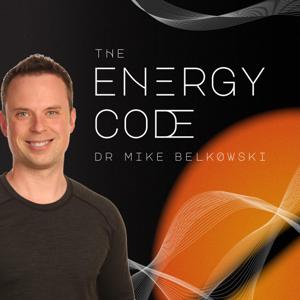

Most people think mitochondria are just tiny “powerhouses.” In this deep dive, Dr. Mike Belkowski breaks that outdated meme wide open by portraying mitochondria as a dynamic, shape-shifting power grid that talks to your nucleus, runs cellular quality control, and can even transfer between cells like an organelle transplant. Using a major 2025 review on mitochondrial diseases and therapeutic advances as the roadmap, we unpack the real mechanics of energy production (the “hydroelectric dam” of oxidative phosphorylation), why mitochondrial DNA is uniquely vulnerable, how dysfunctional mitochondria can trigger chronic inflammation, and why tools like exercise and light aren’t wellness trends — they’re direct inputs into your energy hardware. Then we go full sci-fi (but real): gene therapy, “three-parent babies,” precision editing of mitochondrial mutations, and the emerging possibility of mitochondrial transfer as a future regenerative therapy.
(Educational content only, not medical advice.)
-
Article Discussed in Episode:
Mitochondrial diseases: from molecular mechanisms to therapeutic advances
-
Key Quotes From Dr. Mike:
“That powerhouse meme is so outdated—it’s like calling a supercomputer a calculator.”
“Mitochondria are a constantly moving, dynamic network… like a mobile power grid.”
“You breathe so oxygen can be the trash can for electrons at the end of the line.”
“Fusion is a rescue mission. Fission is quarantine.”
“You can swallow all the anti-inflammatory supplements you want—but if the pipe is still burst, you’re just mopping the floor.”
-
Key points
Mitochondria are dynamic networks, not static beans—they fuse, split, move, and deliver energy where it’s needed.
They’re “alien” in origin: mitochondria evolved from bacteria that formed a symbiotic relationship with early cells.
You run on two genetic systems: nuclear DNA + mitochondrial DNA (mtDNA), and mtDNA is far more exposed to damage.
mtDNA is vulnerable by design—it lacks histone “armor” and sits next to the ROS-producing “furnace.”
Mitochondria require constant nuclear support: mtDNA encodes a tiny fraction of needed proteins; most are built in the nucleus and imported via the TOM/TIM “mailroom.”
Mitochondria talk back via mitochondrial-derived peptides (ex: MOTS-c) that can influence gene expression.
Energy production is mechanical: electron transport pumps protons to build a gradient that drives ATP synthaselike a turbine.
Supercomplexes improve efficiency and reduce “dropped electrons” (free radicals).
Quality control is built-in: fusion rescues; fission isolates damage; PINK1/Parkin flags failing mitochondria for mitophagy; MDVs prune small defects.
Mitochondria can trigger inflammation: severe damage can spill mtDNA and activate immune alarm pathways—fueling chronic “inflammaging.”
Disease depends on heteroplasmy: you can carry mutations and remain healthy until a threshold of “bad copies” is reached in high-energy tissues.
Light is a mitochondrial input: red/NIR can support energy machinery, while high-energy blue light can be a stressor—especially in vulnerable tissues.
Repair is becoming real: bypass drugs, peptides that stabilize membranes, lifestyle upgrades (exercise → PGC-1α), and frontier therapies like gene transfer and mtDNA editing.
-
Episode timeline
0:00–0:38 — Opening + mission
The Energy Code premise: decode mitochondria to build “limitless vitality.”
0:38–2:20 — The myth: mitochondria aren’t just powerhouses
Why the “kidney bean” model is obsolete—and what the 2025 review changes.
2:20–4:47 — Origin story: the ‘alien’ inside you
Endosymbiosis + why mitochondria have their own DNA.
5:00–7:18 — mtDNA: the fragile code behind aging
No histone protection, proximity to ROS, high mutation rate, maternal inheritance.
7:32–9:11 — Nuclear ↔ mitochondrial logistics
Why mitochondria need 1000+ proteins; TOM/TIM import system and “zip codes.”
9:22–10:21 — Messages from the power plant
Mitochondrial-derived peptides (ex: MOTS-c) as whole-body metabolic regulators.
10:25–14:16 — The operating system: OXPHOS explained
Hydroelectric dam analogy, ETC complexes, ATP synthase turbine, oxygen as terminal acceptor; supercomplexes reduce free radicals.
14:27–17:36 — Quality control: fusion, fission, mitophagy, MDVs
Rescue vs quarantine; PINK1/Parkin “condemned sign”; targeted pruning.
17:48–18:58 — The sci-fi reality: mitochondria transfer between cells
Tunneling nanotubes, rescue donations, and garbage handoffs.
19:00–24:35 — Mitochondrial diseases + heteroplasmy threshold
Why symptoms hit high-energy tissues first; examples: LHON, MELAS, Barth syndrome; cardiolipin as “glue” for supercomplexes.
24:41–27:19 — ROS + the inflammation connection
ROS as signaling vs chronic overload; mtDNA leakage, immune alarms, inflammaging.
27:33–33:40 — Hacking the code: therapies now + next
Bypass strategies (idebenone), structural stabilizers (elamipretide), exercise → PGC-1α (biogenesis + mitophagy), allotopic expression, mitochondrial replacement therapy, mito-targeted nucleases, and base editing.
33:46–36:21 — Final synthesis + provocative future
Energy is a physical system that can be repaired; light as a daily mitochondrial input; future “mitochondrial transfusions”; close + CTA.
-
Dr. Mike's #1 recommendations:
Deuterium depleted water: Litewater (code: DRMIKE)
-
Stay up-to-date on social media:
Dr. Mike Belkowski:
BioLight:
Website
YouTube
 View all episodes
 By Dr. Mike Belkowski

4.8
124124 ratings
Most people think mitochondria are just tiny “powerhouses.” In this deep dive, Dr. Mike Belkowski breaks that outdated meme wide open by portraying mitochondria as a dynamic, shape-shifting power grid that talks to your nucleus, runs cellular quality control, and can even transfer between cells like an organelle transplant. Using a major 2025 review on mitochondrial diseases and therapeutic advances as the roadmap, we unpack the real mechanics of energy production (the “hydroelectric dam” of oxidative phosphorylation), why mitochondrial DNA is uniquely vulnerable, how dysfunctional mitochondria can trigger chronic inflammation, and why tools like exercise and light aren’t wellness trends — they’re direct inputs into your energy hardware. Then we go full sci-fi (but real): gene therapy, “three-parent babies,” precision editing of mitochondrial mutations, and the emerging possibility of mitochondrial transfer as a future regenerative therapy.
(Educational content only, not medical advice.)
-
Article Discussed in Episode:
Mitochondrial diseases: from molecular mechanisms to therapeutic advances
-
Key Quotes From Dr. Mike:
“That powerhouse meme is so outdated—it’s like calling a supercomputer a calculator.”
“Mitochondria are a constantly moving, dynamic network… like a mobile power grid.”
“You breathe so oxygen can be the trash can for electrons at the end of the line.”
“Fusion is a rescue mission. Fission is quarantine.”
“You can swallow all the anti-inflammatory supplements you want—but if the pipe is still burst, you’re just mopping the floor.”
-
Key points
Mitochondria are dynamic networks, not static beans—they fuse, split, move, and deliver energy where it’s needed.
They’re “alien” in origin: mitochondria evolved from bacteria that formed a symbiotic relationship with early cells.
You run on two genetic systems: nuclear DNA + mitochondrial DNA (mtDNA), and mtDNA is far more exposed to damage.
mtDNA is vulnerable by design—it lacks histone “armor” and sits next to the ROS-producing “furnace.”
Mitochondria require constant nuclear support: mtDNA encodes a tiny fraction of needed proteins; most are built in the nucleus and imported via the TOM/TIM “mailroom.”
Mitochondria talk back via mitochondrial-derived peptides (ex: MOTS-c) that can influence gene expression.
Energy production is mechanical: electron transport pumps protons to build a gradient that drives ATP synthaselike a turbine.
Supercomplexes improve efficiency and reduce “dropped electrons” (free radicals).
Quality control is built-in: fusion rescues; fission isolates damage; PINK1/Parkin flags failing mitochondria for mitophagy; MDVs prune small defects.
Mitochondria can trigger inflammation: severe damage can spill mtDNA and activate immune alarm pathways—fueling chronic “inflammaging.”
Disease depends on heteroplasmy: you can carry mutations and remain healthy until a threshold of “bad copies” is reached in high-energy tissues.
Light is a mitochondrial input: red/NIR can support energy machinery, while high-energy blue light can be a stressor—especially in vulnerable tissues.
Repair is becoming real: bypass drugs, peptides that stabilize membranes, lifestyle upgrades (exercise → PGC-1α), and frontier therapies like gene transfer and mtDNA editing.
-
Episode timeline
0:00–0:38 — Opening + mission
The Energy Code premise: decode mitochondria to build “limitless vitality.”
0:38–2:20 — The myth: mitochondria aren’t just powerhouses
Why the “kidney bean” model is obsolete—and what the 2025 review changes.
2:20–4:47 — Origin story: the ‘alien’ inside you
Endosymbiosis + why mitochondria have their own DNA.
5:00–7:18 — mtDNA: the fragile code behind aging
No histone protection, proximity to ROS, high mutation rate, maternal inheritance.
7:32–9:11 — Nuclear ↔ mitochondrial logistics
Why mitochondria need 1000+ proteins; TOM/TIM import system and “zip codes.”
9:22–10:21 — Messages from the power plant
Mitochondrial-derived peptides (ex: MOTS-c) as whole-body metabolic regulators.
10:25–14:16 — The operating system: OXPHOS explained
Hydroelectric dam analogy, ETC complexes, ATP synthase turbine, oxygen as terminal acceptor; supercomplexes reduce free radicals.
14:27–17:36 — Quality control: fusion, fission, mitophagy, MDVs
Rescue vs quarantine; PINK1/Parkin “condemned sign”; targeted pruning.
17:48–18:58 — The sci-fi reality: mitochondria transfer between cells
Tunneling nanotubes, rescue donations, and garbage handoffs.
19:00–24:35 — Mitochondrial diseases + heteroplasmy threshold
Why symptoms hit high-energy tissues first; examples: LHON, MELAS, Barth syndrome; cardiolipin as “glue” for supercomplexes.
24:41–27:19 — ROS + the inflammation connection
ROS as signaling vs chronic overload; mtDNA leakage, immune alarms, inflammaging.
27:33–33:40 — Hacking the code: therapies now + next
Bypass strategies (idebenone), structural stabilizers (elamipretide), exercise → PGC-1α (biogenesis + mitophagy), allotopic expression, mitochondrial replacement therapy, mito-targeted nucleases, and base editing.
33:46–36:21 — Final synthesis + provocative future
Energy is a physical system that can be repaired; light as a daily mitochondrial input; future “mitochondrial transfusions”; close + CTA.
-
Dr. Mike's #1 recommendations:
Deuterium depleted water: Litewater (code: DRMIKE)
-
Stay up-to-date on social media:
Dr. Mike Belkowski:
BioLight:
Website
YouTube
774 Listeners
373 Listeners
7,235 Listeners
5,006 Listeners
729 Listeners
1,710 Listeners
4,945 Listeners
3,477 Listeners
9,235 Listeners

175 Listeners
1,094 Listeners
1,769 Listeners
836 Listeners
518 Listeners
295 Listeners