
Sign up to save your podcasts
Or

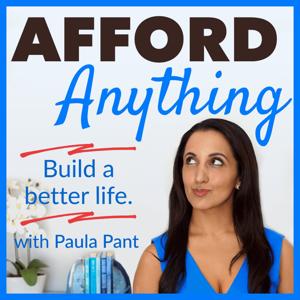

#719: Most of us spend 93 percent of our time indoors, and it's making us sicker, more tired, and less productive than we realize.
Dr. John La Puma is a physician and researcher who studies what happens to the human body when it's indoors too much.
He joins us to explain the science behind what he calls the indoor epidemic: the chronic diseases, burnout, insomnia, and cognitive decline that stem from a life lived almost entirely inside.
Dr. La Puma walks through the specific biological mechanisms at play. Indoor living disrupts your circadian rhythm and bombards your brain with more screen time than it can process — what he calls "digital obesity."
Too many pixels, he says, burn out your brain the same way too much sugar burns out your metabolism.
Burnout isn't a character flaw. It's a biology problem.
The good news: the minimum effective dose of outdoor time is just two hours a week in a green or blue space. And it doesn't have to be a national park. The park down the street counts.
We get into the specifics — morning light, circadian rhythm, deep sleep, and why 10 minutes outside before you check your phone can improve focus, sleep quality, and even how big the world feels.
Dr. La Puma explains why "just get outside more" misses the point: light has a dosage, a timing, and a location, the same way a financial strategy has specific mechanics.
For knowledge workers in cities, we talk through the real-world friction — Manhattan apartments, extreme heat, early wake-ups before sunrise — and what to do when those conditions make outdoor time inconvenient. There are practical workarounds, and Dr. La Puma covers them.
The episode closes on a reframe: health and productivity aren't in conflict. Better sleep, more natural light, and regular time outside don't slow you down. They make the hours you do work more effective.
Resources mentioned:
Timestamps:
Note: Timestamps will vary on individual listening devices based on dynamic advertising run times. The provided timestamps are approximate and may be several minutes off due to changing ad lengths.
(00:00) Your Office Is Making You Sick
(03:01) Health cost of indoor living
(04:58) Digital obesity explained
(09:24) Minimum effective dose of nature
(12:10) Why burnout is a biology problem
(15:15) Morning light and deep sleep
(17:11) Light first, coffee second
(28:12) What happens during deep sleep
(36:54) Workplace study results
(45:23) Pink noise, brown noise, and sleep
(54:45) Why blue-light glasses fall short
(59:48) Outdoor tips for remote workers
(1:04:55) Green exercise as a nature dose
(1:10:10) Mental health cost of indoor life
(1:14:51) Modeling outdoor habits for kid
Share this episode with a friend, colleagues, and your mailman: https://affordanything.com/episode719
Learn more about your ad choices. Visit podcastchoices.com/adchoices
 View all episodes
 By Paula Pant, Personal Finance Expert | Cumulus Podcast Network

4.7
34783,478 ratings
#719: Most of us spend 93 percent of our time indoors, and it's making us sicker, more tired, and less productive than we realize.
Dr. John La Puma is a physician and researcher who studies what happens to the human body when it's indoors too much.
He joins us to explain the science behind what he calls the indoor epidemic: the chronic diseases, burnout, insomnia, and cognitive decline that stem from a life lived almost entirely inside.
Dr. La Puma walks through the specific biological mechanisms at play. Indoor living disrupts your circadian rhythm and bombards your brain with more screen time than it can process — what he calls "digital obesity."
Too many pixels, he says, burn out your brain the same way too much sugar burns out your metabolism.
Burnout isn't a character flaw. It's a biology problem.
The good news: the minimum effective dose of outdoor time is just two hours a week in a green or blue space. And it doesn't have to be a national park. The park down the street counts.
We get into the specifics — morning light, circadian rhythm, deep sleep, and why 10 minutes outside before you check your phone can improve focus, sleep quality, and even how big the world feels.
Dr. La Puma explains why "just get outside more" misses the point: light has a dosage, a timing, and a location, the same way a financial strategy has specific mechanics.
For knowledge workers in cities, we talk through the real-world friction — Manhattan apartments, extreme heat, early wake-ups before sunrise — and what to do when those conditions make outdoor time inconvenient. There are practical workarounds, and Dr. La Puma covers them.
The episode closes on a reframe: health and productivity aren't in conflict. Better sleep, more natural light, and regular time outside don't slow you down. They make the hours you do work more effective.
Resources mentioned:
Timestamps:
Note: Timestamps will vary on individual listening devices based on dynamic advertising run times. The provided timestamps are approximate and may be several minutes off due to changing ad lengths.
(00:00) Your Office Is Making You Sick
(03:01) Health cost of indoor living
(04:58) Digital obesity explained
(09:24) Minimum effective dose of nature
(12:10) Why burnout is a biology problem
(15:15) Morning light and deep sleep
(17:11) Light first, coffee second
(28:12) What happens during deep sleep
(36:54) Workplace study results
(45:23) Pink noise, brown noise, and sleep
(54:45) Why blue-light glasses fall short
(59:48) Outdoor tips for remote workers
(1:04:55) Green exercise as a nature dose
(1:10:10) Mental health cost of indoor life
(1:14:51) Modeling outdoor habits for kid
Share this episode with a friend, colleagues, and your mailman: https://affordanything.com/episode719
Learn more about your ad choices. Visit podcastchoices.com/adchoices

23,142 Listeners

1,259 Listeners

3,241 Listeners

1,992 Listeners

1,949 Listeners

1,957 Listeners

1,172 Listeners

803 Listeners
1,330 Listeners

978 Listeners
1,785 Listeners

5,147 Listeners

10,188 Listeners
694 Listeners
2,965 Listeners

3,065 Listeners

6,467 Listeners
730 Listeners

450 Listeners

1,615 Listeners
202 Listeners

3,470 Listeners

2,228 Listeners

1,534 Listeners
2,944 Listeners

85 Listeners

355 Listeners

18 Listeners

62 Listeners

793 Listeners

3 Listeners

2 Listeners

7 Listeners