
Sign up to save your podcasts
Or

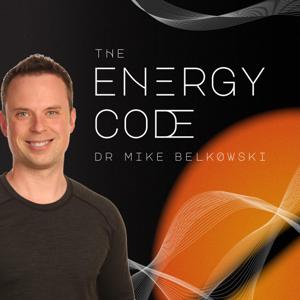

What if your thyroid gland isn’t just a chemical factory—but a light-sensing organ with the hardware to “see”? In this Energy Code Deep Dive, we unpack a jaw-dropping paper: “Wearable Photobiomodulation Halts Thyroid Cancer Growth by Leveraging Thyroid Photosensitivity.” The study suggests papillary thyroid carcinoma cells express opsins(photoreceptor proteins like those in the retina)—specifically a short-wavelength opsin tuned for blue light. Researchers ran a “wavelength war” (red vs green vs blue) and found 465 nm blue light uniquely halted cancer growth, first by cell-cycle arrest and then—inside living animals—by triggering apoptosis (cell self-destruction). Even wilder: they engineered a battery-free, NFC-powered wearable that delivered a precise dose over weeks, suppressing tumors while leaving thyroid hormone function intact. This episode reframes light as an instruction set—and asks the bigger question: are we “light malnourished” in a world spent indoors?
(Educational content only, not medical advice.)
-
Article Discussed in Episode:
Wearable photobiomodulation halts thyroid cancer growth by leveraging thyroid photosensitivity
-
Key Quotes From Dr. Mike:
“They discovered the thyroid itself is a non-visual photoreceptive organ.”
“The thyroid has a built-in antenna for blue light.”
“We’ve been ignoring the optical anatomy of the human body.”
“Light is an instruction set for the world inside of us.”
“Maybe our internal organs are literally starving for the right kind of light.”
-
Key points
The thyroid may be photoreceptive: thyroid cancer cells were found to contain opsins, the same class of light-sensing proteins used for vision.
OPN1SW shows up in thyroid cancer: a short-wavelength opsin suggests the tissue is tuned to blue lightsignaling.
PBMT ≠ PDT: photodynamic therapy requires injected dyes; photobiomodulation uses intrinsic biology—no photosensitizer needed.
A “wavelength war” identified the winner: red (650 nm) and green (520 nm) did nothing; blue (465 nm) significantly inhibited proliferation.
Mechanism in vitro: cell-cycle arrest: blue light trapped cells in G0/G1, increasing P21 (brake) and decreasing CDK4 (gas pedal).
Dose matters: effects were dose-dependent, with an optimal 24-hour cycle delivering 172.8 J—“light is a drug.”
Blue light penetration challenge addressed: in 3D tumor spheroids, the blue light still reduced tumor volume over 7 days.
Real-world delivery required engineering: a thin wireless wearable patch powered by NFC (tap-to-pay tech) delivered therapy without a battery.
In vivo effect: apoptosis: in mice, tumors didn’t just pause—they underwent programmed cell death.
Why dish vs body differs: possible “endogenous photosensitizers” generated by metabolism and/or immune involvement in living systems.
Safety profile stood out: thyroid hormones (T3/T4) remained stable; no weight loss; no liver/kidney toxicity markers.
Paradigm shift: suggests a future of organ-preserving, non-invasive metabolic/energetic medicine—and expands the idea that organs may be energy “antennas.”
-
Episode timeline
0:19–1:16 — Hook: organs that can “see”
The thyroid as a light-sensing organ; intro to the study and why it matters.
1:16–3:16 — Thyroid cancer + why current treatment is brutal
Papillary thyroid carcinoma prevalence; “good cancer” myth; thyroidectomy/radioiodine tradeoff and lifelong hormone dependence.
3:16–4:08 — PDT vs PBMT
Why this isn’t lasers or dye-based photodynamic therapy; PBMT uses intrinsic cellular “hardware.”
4:08–5:29 — The smoking gun: opsins in thyroid cancer
Non-visual photoreception; opsins in thyroid tissue; OPN1SW implies blue-light sensitivity.
5:29–7:33 — The ‘wavelength war’ + mechanism
650 red / 520 green / 465 blue; blue inhibits proliferation via G0/G1 arrest; P21 up, CDK4 down.
7:33–8:23 — Dose precision: Arndt–Schulz law
Light as a dose-dependent medicine; optimal 172.8 J over a 24-hour cycle.
8:23–9:17 — The penetration skeptic test
3D tumor spheroids; tumor volume shrinks over 7 days—blue can work in 3D at correct intensity.
9:17–10:27 — Wearable engineering solution
Battery-free, flexible, wireless blue LED patch; NFC-powered; biocompatible coating.
10:27–12:05 — In vivo results: from “pause” to “kill”
21-day mouse study: tumors suppressed; apoptosis in living system; endogenous photosensitizers and/or immune assist hypothesis.
12:05–13:22 — The safety miracle
No collateral damage; T3/T4 stable; no systemic toxicity markers.
13:22–14:28 — Big implications
Non-invasive organ-preserving cancer therapy; opens question of other light-sensitive organs.
14:28–15:24 — Recap: 3 key takeaways
Body as light receiver; specificity of 465 nm + dose; wearables make it practical now.
15:24–16:26 — Final thought: “light malnourished”
If thyroid expects solar blue-light signals, what does indoor life do to biology?
-
Dr. Mike's #1 recommendations:
Deuterium depleted water: Litewater (code: DRMIKE)
-
Stay up-to-date on social media:
Dr. Mike Belkowski:
BioLight:
Website
YouTube
 View all episodes
 By Dr. Mike Belkowski

4.8
124124 ratings
What if your thyroid gland isn’t just a chemical factory—but a light-sensing organ with the hardware to “see”? In this Energy Code Deep Dive, we unpack a jaw-dropping paper: “Wearable Photobiomodulation Halts Thyroid Cancer Growth by Leveraging Thyroid Photosensitivity.” The study suggests papillary thyroid carcinoma cells express opsins(photoreceptor proteins like those in the retina)—specifically a short-wavelength opsin tuned for blue light. Researchers ran a “wavelength war” (red vs green vs blue) and found 465 nm blue light uniquely halted cancer growth, first by cell-cycle arrest and then—inside living animals—by triggering apoptosis (cell self-destruction). Even wilder: they engineered a battery-free, NFC-powered wearable that delivered a precise dose over weeks, suppressing tumors while leaving thyroid hormone function intact. This episode reframes light as an instruction set—and asks the bigger question: are we “light malnourished” in a world spent indoors?
(Educational content only, not medical advice.)
-
Article Discussed in Episode:
Wearable photobiomodulation halts thyroid cancer growth by leveraging thyroid photosensitivity
-
Key Quotes From Dr. Mike:
“They discovered the thyroid itself is a non-visual photoreceptive organ.”
“The thyroid has a built-in antenna for blue light.”
“We’ve been ignoring the optical anatomy of the human body.”
“Light is an instruction set for the world inside of us.”
“Maybe our internal organs are literally starving for the right kind of light.”
-
Key points
The thyroid may be photoreceptive: thyroid cancer cells were found to contain opsins, the same class of light-sensing proteins used for vision.
OPN1SW shows up in thyroid cancer: a short-wavelength opsin suggests the tissue is tuned to blue lightsignaling.
PBMT ≠ PDT: photodynamic therapy requires injected dyes; photobiomodulation uses intrinsic biology—no photosensitizer needed.
A “wavelength war” identified the winner: red (650 nm) and green (520 nm) did nothing; blue (465 nm) significantly inhibited proliferation.
Mechanism in vitro: cell-cycle arrest: blue light trapped cells in G0/G1, increasing P21 (brake) and decreasing CDK4 (gas pedal).
Dose matters: effects were dose-dependent, with an optimal 24-hour cycle delivering 172.8 J—“light is a drug.”
Blue light penetration challenge addressed: in 3D tumor spheroids, the blue light still reduced tumor volume over 7 days.
Real-world delivery required engineering: a thin wireless wearable patch powered by NFC (tap-to-pay tech) delivered therapy without a battery.
In vivo effect: apoptosis: in mice, tumors didn’t just pause—they underwent programmed cell death.
Why dish vs body differs: possible “endogenous photosensitizers” generated by metabolism and/or immune involvement in living systems.
Safety profile stood out: thyroid hormones (T3/T4) remained stable; no weight loss; no liver/kidney toxicity markers.
Paradigm shift: suggests a future of organ-preserving, non-invasive metabolic/energetic medicine—and expands the idea that organs may be energy “antennas.”
-
Episode timeline
0:19–1:16 — Hook: organs that can “see”
The thyroid as a light-sensing organ; intro to the study and why it matters.
1:16–3:16 — Thyroid cancer + why current treatment is brutal
Papillary thyroid carcinoma prevalence; “good cancer” myth; thyroidectomy/radioiodine tradeoff and lifelong hormone dependence.
3:16–4:08 — PDT vs PBMT
Why this isn’t lasers or dye-based photodynamic therapy; PBMT uses intrinsic cellular “hardware.”
4:08–5:29 — The smoking gun: opsins in thyroid cancer
Non-visual photoreception; opsins in thyroid tissue; OPN1SW implies blue-light sensitivity.
5:29–7:33 — The ‘wavelength war’ + mechanism
650 red / 520 green / 465 blue; blue inhibits proliferation via G0/G1 arrest; P21 up, CDK4 down.
7:33–8:23 — Dose precision: Arndt–Schulz law
Light as a dose-dependent medicine; optimal 172.8 J over a 24-hour cycle.
8:23–9:17 — The penetration skeptic test
3D tumor spheroids; tumor volume shrinks over 7 days—blue can work in 3D at correct intensity.
9:17–10:27 — Wearable engineering solution
Battery-free, flexible, wireless blue LED patch; NFC-powered; biocompatible coating.
10:27–12:05 — In vivo results: from “pause” to “kill”
21-day mouse study: tumors suppressed; apoptosis in living system; endogenous photosensitizers and/or immune assist hypothesis.
12:05–13:22 — The safety miracle
No collateral damage; T3/T4 stable; no systemic toxicity markers.
13:22–14:28 — Big implications
Non-invasive organ-preserving cancer therapy; opens question of other light-sensitive organs.
14:28–15:24 — Recap: 3 key takeaways
Body as light receiver; specificity of 465 nm + dose; wearables make it practical now.
15:24–16:26 — Final thought: “light malnourished”
If thyroid expects solar blue-light signals, what does indoor life do to biology?
-
Dr. Mike's #1 recommendations:
Deuterium depleted water: Litewater (code: DRMIKE)
-
Stay up-to-date on social media:
Dr. Mike Belkowski:
BioLight:
Website
YouTube

770 Listeners
364 Listeners
7,205 Listeners

4,986 Listeners
717 Listeners

1,705 Listeners
4,872 Listeners

3,457 Listeners

9,231 Listeners

142 Listeners
1,096 Listeners

1,781 Listeners
840 Listeners
516 Listeners
292 Listeners