
Sign up to save your podcasts
Or

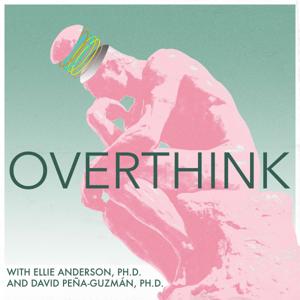

To what extent is drug addiction voluntary? In episode 162 of Overthink, Ellie and David chat with philosopher Hanna Pickard about her book, What Would You Do Alone in a Cage with Nothing but Cocaine? A Philosophy of Addiction. They discuss how the “broken brain model” of addiction emerged to combat the moral model of addiction and explore the consequences of both of these models. What drives some people into addiction? What does it mean to say that addiction is a brain disease? How should responsibility and blame fit into our understanding of this condition? And how do we identify when somebody’s patterns of drug use have crossed the threshold into addiction? In the Substack bonus segment, your hosts think about the temporality of addiction and what it means to hold an “addict identity.”
Works Discussed:
Alan Leshner, “Addiction Is a Brain Disease, and It Matters”
Gabor Maté, In the Realm of Hungry Ghosts: Close Encounters with Addiction
Hanna Pickard, What Would You Do Alone in a Cage with Nothing but Cocaine? A Philosophy of Addiction
Enjoy our work? Support Overthink via tax-deductible donation: https://www.givecampus.com/fj0w3v
Join our Substack for ad-free versions of both audio and video episodes, extended episodes, exclusive live chats, and more: https://overthinkpod.substack.com/
See Privacy Policy at https://art19.com/privacy and California Privacy Notice at https://art19.com/privacy#do-not-sell-my-info.
 View all episodes
 By Ellie Anderson, Ph.D. and David Peña-Guzmán, Ph.D.

4.8
452452 ratings
To what extent is drug addiction voluntary? In episode 162 of Overthink, Ellie and David chat with philosopher Hanna Pickard about her book, What Would You Do Alone in a Cage with Nothing but Cocaine? A Philosophy of Addiction. They discuss how the “broken brain model” of addiction emerged to combat the moral model of addiction and explore the consequences of both of these models. What drives some people into addiction? What does it mean to say that addiction is a brain disease? How should responsibility and blame fit into our understanding of this condition? And how do we identify when somebody’s patterns of drug use have crossed the threshold into addiction? In the Substack bonus segment, your hosts think about the temporality of addiction and what it means to hold an “addict identity.”
Works Discussed:
Alan Leshner, “Addiction Is a Brain Disease, and It Matters”
Gabor Maté, In the Realm of Hungry Ghosts: Close Encounters with Addiction
Hanna Pickard, What Would You Do Alone in a Cage with Nothing but Cocaine? A Philosophy of Addiction
Enjoy our work? Support Overthink via tax-deductible donation: https://www.givecampus.com/fj0w3v
Join our Substack for ad-free versions of both audio and video episodes, extended episodes, exclusive live chats, and more: https://overthinkpod.substack.com/
See Privacy Policy at https://art19.com/privacy and California Privacy Notice at https://art19.com/privacy#do-not-sell-my-info.

43,940 Listeners

43,628 Listeners
15,272 Listeners
10,742 Listeners
2,110 Listeners
147 Listeners
10,366 Listeners
1,461 Listeners
1,542 Listeners
315 Listeners
5,525 Listeners
585 Listeners
1,346 Listeners
523 Listeners
747 Listeners
146 Listeners
582 Listeners
205 Listeners
1,237 Listeners
574 Listeners

502 Listeners
194 Listeners
289 Listeners
2,528 Listeners
94 Listeners

0 Listeners
79 Listeners
234 Listeners
717 Listeners
11 Listeners
316 Listeners
8,838 Listeners
358 Listeners
39 Listeners
27 Listeners