
Sign up to save your podcasts
Or



Based on Podcast App listening data
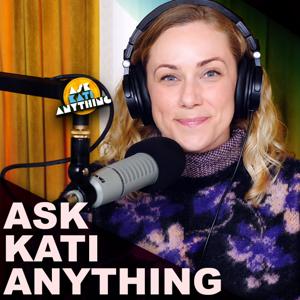
On Ask Kati Anything podcast ep. 208, licensed therapist Kati Morton explains how we can get past the feeling that our relationship with our therapist is “fake,” how to support our students without being triggered ourselves, and how to know if we are retraumatizing ourselves. She then explains how we can know if we are a narcissist, what it means to process our emotions, and what we can do if we are ashamed of our life.
11:01 ATTACHMENT WORKSHOP
Learn more about your ad choices. Visit megaphone.fm/adchoices
On Ask Kati Anything episode 207, licensed therapist Kati Morton discusses eating disorder recovery and why it can be hard for us to let go of it completely. She also explains why we can have romantic feelings for our therapist, and if we should tell them about it. Then she gets into how we can ask our parents to get us in to see a therapist, how to return to regular exercise after ED recovery, and how to tell people about our upsets without oversharing. Finally, Kati digs into self-deprecating thoughts and how to get out of that cycle.
Questions:
00:53 Q1 - I’m currently going through ED recovery and am having a hard time parting with it, because many of the behaviors (healthy eating and exercise) almost feel part of my identity. I feel like I...
19:12 Q2 - Should I tell my therapist about the romantic feelings and thoughts I have for her? If so, how should I broach this topic, and is she likely to terminate me?
19:30 What is Transference In Therapy? (video mentioned by Kati)
24:18 Q3 - ....please could you give me some advice on how I could let my parents know about all this without it being overwhelming or receiving negative responses as I am only 14 so I can’t really leave. Also when is it bad enough to ask for something like therapy...
30:55 Q4 - How do I get back to normal after ED regarding physical activity? What does a healthy active lifestyle look like without overdoing it?
34:48 Q5 - I have a question about sharing our internal upsets with relatives. I catch myself lying about how I’m doing for fear of oversharing. I don’t want to freak the other person out, burden them with my issues, or leave them feeling guilty for...
41:48 Q6 - I constantly am having self deprecating thoughts and sometimes can't even tell my own feelings in a moment. I have a mother who is constantly talking down to me, always getting mad at me about little things, and always has to yell at me about something. I mentioned that I think I might be dealing with emotional abuse to my therapist, and she agreed and said she thinks I am as well. She told me that if I wanted to try and better the relationship I have with my mom she'd help me. But, it seems that as time has gone on the way my mom talks to me and treats me has gotten worse, and it feels like it'll never get better. I'm not sure what to do, and it feels like I'm stuck. My therapist wanted me to use...
MY BOOKS
Traumatized
My affiliate links (shop with them to help the podcast)
Instacart https://instacart.oloiyb.net/y2j2GB
Patreon | https://www.katimorton.com/kati-morton-patreon/
Learn more about your ad choices. Visit megaphone.fm/adchoices
This week on Ask Kati Anything, licensed therapist Kati Morton discusses the line between normal sibling relationships and emotional abuse, shutting down in therapy, and how to know if we are oversharing. She explains how mental illnesses can sometimes follow patterns in their symptomatology, why we can struggle with self care, and our urge to diffuse situations with laughter.
Questions & timestamps:
1. Where is the line between normal sibling relationships and emotional abuse? My therapist seems to think my sister is emotionally abusive, but aren’t all siblings aholes to each other? 00:36
2. My question is about shutting down in therapy and being unable to talk during a therapy session. Recently I have been looking for a new therapist, but I haven't been able to find someone that I'm comfortable with. The problem is that in the first 1-2 sessions I shut down and feel unable to talk. Different therapists handle this differently, but for the most part they just let me sit there. I have spent entire sessions in shut down mode and we just sit there doing nothing.... 05:41
3. I'm wondering if you can talk a bit about "oversharing". I feel like it's a relatively-new term to me, and I'm wondering how to tell if someone is doing it. Is it OK to have some people we tell literally EVERYTHING to, even when it's TMI? Or are there some things that should always be private? In cases where we've... 15:03
4. Why is it the case that mental illnesses "follow patterns"? In the sense that they can be categorized into illnesses. Like why is it "natural" to get addicted or get an ED when something is missing in life. Why are these patterns natural consequences that happen for so many people even if one does not know of the existence of these illnesses?" 25:19
5. My question is why do I have trouble engaging in self care and having a hard time finding coping skills that work for me? I have things that I have enjoyed doing in the past but just can't seem to do any of them. Can I count tv watching and internet scrolling self care? I know I need some coping skills if I want to deal with childhood trauma (not sure I want to go there). Can coping skills also be self care and vice versa? 30:50
6. I'm an awkward laugher. My way of diffusing situations used to be to make them lighthearted- that was literally my role. It's so ingrained into me now, that it's just instinctively what I go to, even when it's really not appropriate. I feel like I've also used it so much in every part of my life, that I don't really feel anything. Everything is just... a big joke? I feel like I physically can't even stop it now. I don't even know where to begin in correcting this, or if it's even fixable now so any tips would be appreciated! 36:18
--------
MY BOOKS (in stores now)
PATREON https://www.katimorton.com/kati-morton-patreon/
Instacart
Amazon
PARTNERSHIP
Learn more about your ad choices. Visit megaphone.fm/adchoices
This week licensed therapist Kati Morton explains why it can feel so bad when our therapist is proud of us, how we can end therapy when we have attachment issues, and how therapists alter their treatment depending on our diagnoses. She then talks about why an eating disorder often comes with a food obsession, what we can do when we are terrified of people not liking us, and finally, she walks us through what to do with our complicated feelings towards an abusive parent.
Questions & timestamps
______________
MY BOOKS (in stores now)
PATREON https://www.katimorton.com/kati-morton-patreon/
Instacart
Amazon
PARTNERSHIP
Learn more about your ad choices. Visit megaphone.fm/adchoices
This week licensed therapist, Kati Morton explains the difference between depression and general disappointment. She also gives us options for ways to reward ourselves that don’t involve food or spending a lot of money, and discusses the reasons we may feel too broken for therapy. Then she offers some ways people pleasers can do the necessary things that will end up hurting someone’s feelings, and the difference between rumination and healthy processing. Finally, she explains what fear of rejection is and how it differs from fear of abandonment.
AUDIENCE QUESTIONS
1. My question is about distinguishing between depression (or another mental disorder) and general disappointment or dissatisfaction with life. What would you say to someone who was not feeling happy about being alive but also not necessarily depressed or mentally ill? What if you just feel you don't like life and you don't particularly enjoy it? What if your dissatisfaction with life is just a combination of your personality, your resilience and...
2. How can I reward myself? I had an eating disorder and I feel like I am shopping too much. How can I reward myself without subconsciously supporting old behavior?
3. I feel like I’m too broken for therapy. I have a fear of abandonment and I think it makes therapy really hard for me. I find it so hard to actually get help because I’m so afraid of losing my therapist. I don’t want to open up and get attached because I know it’s not forever. And the more I share the more afraid I am that she is going to leave me. I can’t stop thinking about...
4. Do you have any tips for people pleasers who are struggling to do things that are necessary but will upset other people? Like breaking up with someone you’re dating when you can tell it isn’t working out or setting boundaries with a friend you care about but who is taking advantage of your willingness to help?
5. Could you talk about the difference between healthy emotional processing vs rumination?
6. Hey Kati, can you explain the fear of rejection vs fear of abandonment. I feel like a lot of people think it’s the same. I have CPTSD. I don’t fear abandonment. I actually expect it...
______________
MY BOOKS (in stores now)
PATREON https://www.katimorton.com/kati-morton-patreon/
Instacart
Amazon
PARTNERSHIP
Learn more about your ad choices. Visit megaphone.fm/adchoices
This week licensed therapist Kati Morton answers audience questions about when and why we would need to reach out to our therapist in between sessions, whether or not therapists judge our “crazy” thoughts, and the difference between fidgeting and self injury. She then talks about dissociation, the different diagnoses and symptoms, and how to work through it. Finally, she discusses why it can be hard for us to get away from our abusers, and some nice ways of telling people we can’t be there for them right now.
AUDIENCE QUESTIONS
1. Hi Kati! My therapist always says that I can reach out to her any time that I’m in crisis. I never do even when I’m feeling really down, anxious, and/or dysregulated because I’m not and have never had suicidal or self-harming behaviors. But I’ve gone through some really tough emotions and thoughts when I wanted to reach out. What does it mean to be “in crisis” and when is it appropriate to reach out to your therapist outside of your sessions?
2. What goes on in a therapists head when their client is saying something that the therapist thinks is “crazy”? Does the therapist ever have a hard time not judging or showing judgment to their client by accident? Thanks for all you do and the time and effort you put in every week!
3. My question is about anxiety fidgeting and self injury. In my therapy sessions, especially if we are talking about a hard topic, I tend to pinch and scratch my hands, to the point where I leave with red marks and sometimes bruises on them. I don’t realize I’m doing it because I’m so focused on the topic at hand and explaining my thoughts clearly to my therapist. Is this just anxiety? Or is this self injury? Either way I don’t know if it’s bad or typical or just plain fidgeting. Thanks for everything!
4. I dissociate a lot. Sometimes I do things that I have no memory of. Thankfully, nothing bad. A lot of times when I dissociate I become a little girl. She emails my therapist, colors Winnie the Pooh pictures for her. Sometimes I am like a very angry teenager. I don’t have DID that we know of, but something is happening. There are also times that I feel as if I’m not really me being a mom to my kids, but I cover it so well that they...
5. I hope you don't mind me asking this question again as it didn't get picked the last time. Why is it so hard to walk away from your abusers? In my case it is moving out from home. (I'm in my early twenties).
6. I’m the friend that people tend to come to when they need to vent. All of my friends and family know if they need someone I’ll be there! Sometimes though I get overwhelmed with that. Is there a nice way to explain that I am not able to listen to them vent right now? Thanks Kati!!
______________
MY BOOKS (in stores now)
PATREON https://www.katimorton.com/kati-morton-patreon/
Instacart
Amazon
PARTNERSHIP
Learn more about your ad choices. Visit megaphone.fm/adchoices
On Ask Kati Anything ep. 202 licensed therapist, Kati Morton talks about job-related trauma, medical trauma, and managing life and expectations when we struggle with depression and bouts of suicidal thoughts. She then digs into some tips for opening up in therapy, what it really looks like to ask for help, and explains what eldest daughter syndrome is.
AUDIENCE QUESTIONS
1. My question is about job-related trauma. I’m a school crisis interventionist and work with students who can become really dysregulated and physical. Could this physical aggression towards me be considered traumatic?
2. Could you talk more about how to handle life if you struggle with chronic bouts of depression and/or suicidality but you still need to achieve goals and keep your job? It's one thing to take time off when you're acutely struggling, but an entirely different one to you struggling for years on end and even with the perfect treatment (in my case, at least) still often have many hours, days, even weeks when you can barely get anything done.
3. Any tips to open up in therapy? I feel like I tense up every session and no words come out, so I end up just not talking all session even though I want to. I trust my therapist so I know it’s not that, yet I still don’t feel comfortable talking and don’t know what to do about it.
4. Please Kati talk about medical trauma while battling chronic Terminal illness & how to beat it..I'm currently in This situation..I honestly want to give up having meds, seeing drs or even eating.. I'm exhausted from so many appointments for so many years to end up sicker than expected & on top of it being treated badly due to my rare illness..I'm very unwell mentally more than physically, there's no known cure for my diseases and I even lost my ability to speak as a result...
5. Hi Kati, for those of us who couldn't rely on anyone as a child. What do people mean by asking for help or asking for support? What would it mean if I asked for help? What could someone do to help make it better? What are the options? As a child, I have learnt that if I freeze, it will work itself out. But if I were to stand up, I would get hurt...
6. I was wondering if you could share your thoughts on "eldest daughter syndrome". Is this something that can happen even if your parents weren't uninvolved or unable to show up for important aspects? Is it even real/factually supported?
MY BOOKS (in stores now)
PATREON https://www.katimorton.com/kati-morton-patreon/
Instacart
Amazon
PARTNERSHIP
Learn more about your ad choices. Visit megaphone.fm/adchoices
This week licensed therapist, Kati Morton explains her feelings about not seeing clients anymore, why some of us can’t stop thinking about our therapist no matter how hard we try, and why we can obsess over eating disorder content. She then talks about why our struggles can be inconsistent, how to deal with a child who has BPD, and the effects of financial trauma. Finally, she explains what emotional neglect is and how it can play out as we grow up. Ask Kati Anything audience questions for podcast ep. 201
PATREON https://www.katimorton.com/kati-morton-patreon/
Instacart
Amazon
PARTNERSHIP
Learn more about your ad choices. Visit megaphone.fm/adchoices
This week licensed therapist, Kati Morton talks about why cleaning can be so hard when we are depressed, the reasons we can be depressed and still function at work or school. She then discusses how we actually go about processing emotions and traumas, and why we often want to retreat to our rooms when we don’t want to deal with others in the house. She also explains what she does when a patient with an eating disorder doesn’t want to get better, and how we can rebuild trust with our therapist after a difficult session.
Ask Kati Anything audience questions for podcast ep. 200
1. Why is cleaning so hard when depressed? On a scientific and spiritual level. This can be your room, body, car, etc. (COMMENTS: Same but I have autism as well as depression and even when I break tasks down into smaller tasks the number of things I need to do just seems so overwhelming...
2. Can you be “functional “ at work and deeply depressed at the same time? Sometimes I wonder if I’m just lazy when it comes to things that aren’t required of me.
3. How do you process emotions and traumas? I have been told many times that I need to deal with emotions and process them instead of ignoring them, and it makes sense but I don’t understand how to do that.
4. I find myself retreating to my room a lot as a safe space when I don't want to deal with others in the house. Is this an unhealthy way of coping?
5. How would you react if you had a new client who engages in disordered eating but doesn’t want to change their behaviors? I started seeing a new therapist 3 weeks ago and it’s been going well so far. I have so many things that I want to work on!
6. Hi Kati! My question is about rebuilding trust with my therapist after a tough therapy appointment. My therapist told me that her clinical “sense of things” thinks I would benefit from inpatient ED treatment. I’m a teacher and could not even imagine taking more than a couple days off because I’m sick or need to take a personal day. I worry that she will judge me for continuing outpatient treatment with her. I’m also worried that my honesty with...
MY BOOKS (in stores now)
Traumatized
Are u ok?
ONLINE THERAPY
While I do not currently offer online therapy, BetterHelp can connect you with a licensed, online therapist, please visit: https://betterhelp.com/kati
MERCHANDISE https://spreadshop-admin.spreadshirt.com/katimorton/
PATREON https://www.katimorton.com/kati-morton-patreon/
You Can Support this Podcast by shopping with our affiliates:
Instacart
Amazon
PARTNERSHIP
Linnea Toney - [email protected]
PLEASE READ
If you or someone you know is in immediate danger, please call a local emergency telephone number or go immediately to the nearest emergency room.
Learn more about your ad choices. Visit megaphone.fm/adchoices
From the publisher's feed
Ranked by our users in the last 21 days
684 Listeners

3,328 Listeners

2,480 Listeners
834 Listeners

2,518 Listeners

602 Listeners

14,903 Listeners
433 Listeners
591 Listeners

2,346 Listeners

363 Listeners

1,849 Listeners

41,321 Listeners

280 Listeners

1,386 Listeners