
Sign up to save your podcasts
Or



Based on Podcast App listening data
Free Masterclass: Discover the Core Wounds Keeping You Stuck in Painful Patterns. Join Now.
Have you ever found yourself asking, "Why did they leave?" Whether you're struggling after a breakup or trying to make sense of a relationship that suddenly ended, this episode will help you uncover the deeper attachment patterns that may be keeping you stuck, and show you how to begin healing from them.
You'll learn how to identify recurring relationship patterns, understand the core wounds being activated after a breakup, and recognize common Dismissive Avoidant behaviors that can make relationships feel confusing. Most importantly, you'll discover how healing your own attachment patterns can help you create healthier, more secure relationships moving forward.
In This Episode, You'll Learn:
Timestamps:
00:00 – Why Did They Leave?
Meet the Host
Helpful Resources:
🧠 Take the Free Attachment Style Quiz
📘 Become an IAT Relationship Coach
📚 Read the New Attachment Theory Book
🎧 Discover Podcast Episodes
📝 Read the PDS Blog
Let’s Connect on Socials:
Heal From Heartbreak at the Root. Try the Breakup Course Free With Your 7-day Trial.
Can a Dismissive Avoidant experience limerence?
The answer may surprise you. While they often appear emotionally detached, Dismissive Avoidants can experience intense infatuation but it's usually driven by subconscious unmet needs rather than genuine emotional intimacy.
Episode Summary
In this episode, Thais Gibson explains how Dismissive Avoidants experience limerence and why intense infatuation is often very different from developing genuine love or emotional connection. She explores limerence as a subconscious coping mechanism that causes us to idealize someone based on the unmet needs and traits we project onto them, rather than who they truly are.
Using real-world examples, Thais illustrates why Dismissive Avoidants often develop limerence toward emotionally unavailable people or individuals they have little chance of being with. Because these relationships remain largely fantasy-based, they allow Avoidants to experience attraction without confronting their deeper fears of vulnerability, intimacy, and dependence. She also explains how limerence can reveal the specific emotional needs and personal qualities that are missing or out of balance in your own life.
Most importantly, she shows that limerence isn't something to fear it's valuable information. By identifying the unmet needs beneath the obsession and learning healthier ways to fulfill them, you can transform heartbreak and infatuation into lasting personal growth and healthier relationships.
Key Takeaways
Timestamps
Meet the Host
Helpful Resources:
🧠 Take the Free Attachment Style Quiz
📘 Become an IAT Relationship Coach
📚 Read the New Attachment Theory Book
🎧 Discover Podcast Episodes
📝 Read the PDS Blog
Let’s Connect on Socials:
Access Our Post-Traumatic Growth: A Hero's Journey Course Mentioned in This Episode, With a Trial to the Personal Development School:
What if some of the most painful experiences of your life could become catalysts for growth, deeper self-connection, and a new relationship with yourself?
In this deeply personal episode, Thais Gibson sits down with Sophie to explore grief, fear of loss, self-abandonment, and post-traumatic growth. Sophie shares her experiences of profound loss and how those experiences shaped her relationships, boundaries, sense of responsibility for others, and journey toward healing.
Together, Thais and Sophie unpack what can happen when you grow up feeling responsible for other people's emotions and well-being, why fear of loss can lead us to stay in relationships at the expense of ourselves, and how healing can involve redirecting the loyalty, care, and commitment we give others back toward ourselves.
They also explore the power of surrender: learning to distinguish between what is within your control and what isn't, allowing yourself to feel instead of escape, and finding meaning and wisdom through life's most difficult seasons.
Content Warning: This episode contains discussions of suicide, suicidal ideation, addiction, grief, and loss. Please take care while watching and prioritize your well-being.
If you or someone you know is in immediate danger, call emergency services. If you are experiencing thoughts of suicide or need crisis support, in Canada, call or text 9-8-8. In the U.S., call or text 988.
If you are elsewhere, please contact your local emergency services or suicide crisis line.
This episode is dedicated to:
In This Episode, You’ll Learn:
* How fear of loss can shape boundaries, self-esteem, and adult relationships
Timestamps:
Meet the Host
Helpful Resources:
🧠 Take the Free Attachment Style Quiz
📘 Become an IAT Relationship Coach
📚 Read the New Attachment Theory Book
🎧 Discover Podcast Episodes
📝 Read the PDS Blog
Let’s Connect on Socials:
Access Our Post-Traumatic Growth: A Hero's Journey Course Mentioned in This Episode, With a Trial to the Personal Development School:
What if some of the most painful experiences of your life could become catalysts for growth, deeper self-connection, and a new relationship with yourself?
In this deeply personal episode, Thais Gibson sits down with Sophie to explore grief, fear of loss, self-abandonment, and post-traumatic growth. Sophie shares her experiences of profound loss and how those experiences shaped her relationships, boundaries, sense of responsibility for others, and journey toward healing.
Together, Thais and Sophie unpack what can happen when you grow up feeling responsible for other people's emotions and well-being, why fear of loss can lead us to stay in relationships at the expense of ourselves, and how healing can involve redirecting the loyalty, care, and commitment we give others back toward ourselves.
They also explore the power of surrender: learning to distinguish between what is within your control and what isn't, allowing yourself to feel instead of escape, and finding meaning and wisdom through life's most difficult seasons.
Content Warning: This episode contains discussions of suicide, suicidal ideation, addiction, grief, and loss. Please take care while watching and prioritize your well-being.
If you or someone you know is in immediate danger, call emergency services. If you are experiencing thoughts of suicide or need crisis support, in Canada, call or text 9-8-8. In the U.S., call or text 988.
If you are elsewhere, please contact your local emergency services or suicide crisis line.
This episode is dedicated to:
In This Episode, You’ll Learn:
* How fear of loss can shape boundaries, self-esteem, and adult relationships
Timestamps:
Meet the Host
Helpful Resources:
🧠 Take the Free Attachment Style Quiz
📘 Become an IAT Relationship Coach
📚 Read the New Attachment Theory Book
🎧 Discover Podcast Episodes
📝 Read the PDS Blog
Let’s Connect on Socials:
Start Healing Your Attachment Style With Personalized Courses Taught by Thais Gibson. Free for 7 Days (Enough Time to Complete a Full Course). Limited Time Offer: https://attachment.personaldevelopmentschool.com/dream-life?utm_source=podcast&utm_campaign=7-day-trial&utm_medium=organic&utm_content=pod-09-21-26&el=podcast
Have you ever felt like your Dismissive Avoidant partner expects things from the relationship... but never actually says them out loud?
Many relationship struggles aren't caused by a lack of love, they're caused by hidden expectations that remain unspoken until resentment builds.
Episode Summary
You'll learn why Dismissive Avoidants often struggle with compromise, why conflict can mistakenly feel like a sign that the relationship is failing, and how subconscious expectations around emotional independence can create unnecessary distance. Thais also explains why flaw-finding is often a protective strategy rather than a reflection of reality, and how expressing needs openly instead of assuming your partner should "just know" creates healthier, more secure relationships.
Most importantly, she demonstrates that secure relationships aren't built by eliminating differences, they're built through communication, negotiation, and finding healthy middle ground together.
Key Takeaways
Timestamps
Meet the Host
Helpful Resources:
🧠 Take the Free Attachment Style Quiz
📘 Become an IAT Relationship Coach
📚 Read the New Attachment Theory Book
🎧 Discover Podcast Episodes
📝 Read the PDS Blog
Let’s Connect on Socials:
Free Live Masterclass: Why Your Avoidant Pulls Away & How to Reconnect. Save Your Seat. Start Here: https://attachment.personaldevelopmentschool.com/masterclass/da/join?utm_source=podcast&utm_campaign=da-masterclass&utm_medium=organic&utm_content=pod-08-19-26&el=podcast
Trying to understand a Female Dismissive Avoidant can feel incredibly confusing.
They may seem warm one moment, distant the next, deeply independent, and difficult to read. But beneath these behaviors are subconscious Attachment patterns that make far more sense once you understand what's driving them.
Episode Summary
You'll learn why Female Dismissive Avoidants often minimize their Attachment needs, feel overwhelmed by too much closeness, and instinctively create emotional or physical distance when they feel vulnerable. Thais also explains their core wounds around shame, defectiveness, and feeling misunderstood, while highlighting why they may express care through acts of service rather than emotional vulnerability.
Most importantly, she shares practical guidance for building healthier relationships with Female Dismissive Avoidants emphasizing that genuine connection comes from balancing empathy for their pace with clear communication, healthy boundaries, and self-respect.
Key Takeaways
Timestamps
Meet the Host
Helpful Resources:
🧠 Take the Free Attachment Style Quiz
📘 Become an IAT Relationship Coach
📚 Read the New Attachment Theory Book
🎧 Discover Podcast Episodes
📝 Read the PDS Blog
Let’s Connect on Socials:
Heal Jealousy & Rebuild Trust in Your Relationships. Try Our Course Free for 7 Days Now! Start Here: https://attachment.personaldevelopmentschool.com/dream-life?utm_source=podcast&utm_campaign=7-day-trial&utm_medium=organic&utm_content=pod-08-17-26&el=podcast
Why is trusting someone so difficult for a Fearful Avoidant?
For many people with a Fearful Avoidant Attachment Style, trust isn't just about believing someone won't hurt them today, it's about feeling safe enough to believe the future won't suddenly fall apart. The good news is that trust can be rebuilt.
Episode Summary
In this episode, Thais Gibson explains why Fearful Avoidants often struggle with trust and what it truly takes to rebuild it. She explores how inconsistent childhood experiences, emotional unpredictability, and Attachment Trauma create a nervous system that constantly anticipates betrayal, making lasting relationships feel both deeply desired and frightening at the same time.
You'll discover why trust is the foundation that allows relationships to move beyond the power struggle stage into genuine emotional security. Thais shares five essential ingredients for rebuilding trust, including vulnerability, accountability, transparency, emotional validation, and the importance of consistency and congruency. She also explains why healthy trust isn't about expecting perfection, it's about learning how to repair when mistakes inevitably happen.
Most importantly, this video offers hope that trust is a skill that can be developed. Whether you're a Fearful Avoidant or love someone who is, healing old trust wounds allows you to create relationships built on safety, emotional security, and lasting connection instead of fear and uncertainty.
Key Takeaways
Timestamps
Meet the Host
Helpful Resources:
🧠 Take the Free Attachment Style Quiz
📘 Become an IAT Relationship Coach
📚 Read the New Attachment Theory Book
🎧 Discover Podcast Episodes
📝 Read the PDS Blog
Let’s Connect on Socials:
Start Healing Your Attachment Style With Personalized Courses Taught by Thais Gibson. Free for 7 Days (Enough Time to Complete a Full Course). Limited time. Start Here: https://attachment.personaldevelopmentschool.com/dream-life?utm_source=podcast&utm_campaign=7-day-trial&utm_medium=organic&utm_content=yt-08-16-26&el=podcast
Will your Fearful Avoidant ex rebound after your breakup, or are they more likely to withdraw and process everything alone?
The answer can depend on the relationship, the intensity of the breakup, and what emotional state they're trying to escape. For some Fearful Avoidants, a rebound can become a way to soothe painful emotions, replace needs that suddenly aren't being met, or even indirectly seek reassurance from an ex.
Episode Summary
The likelihood of rebounding can also depend on the depth and history of the relationship, with shorter relationships potentially making a rebound more likely. In some cases, a rebound may even be an indirect attempt to provoke a reaction from an ex.
Ultimately, Thais emphasizes focusing less on your ex’s behavior and more on your own healing, boundaries, and emotional well-being to avoid repeating unhealthy relationship patterns.
Key Takeaways
Timestamps
Meet the Host
Helpful Resources:
🧠 Take the Free Attachment Style Quiz
📘 Become an IAT Relationship Coach
📚 Read the New Attachment Theory Book
🎧 Discover Podcast Episodes
📝 Read the PDS Blog
Let’s Connect on Socials:
Heal From Heartbreak at the Root. Try the Breakup Course Free With Your 7-day Trial. Start Here: https://attachment.personaldevelopmentschool.com/dream-life?utm_source=podcast&utm_campaign=7-day-trial&utm_medium=organic&utm_content=pod-08-14-26&el=podcast
Are you still struggling to move on from your Avoidant ex?
If you're stuck replaying the relationship, questioning what happened, or wondering why you can't let go, this video will help you find real closure and show you how to rebuild your sense of self from the inside out.
Episode Summary
You'll learn how outsourcing your self-esteem, validation, and emotional needs can keep you attached long after the relationship has ended. Through powerful analogies including The Mastery of Love's "Magical Kitchen" and practical exercises, Thais demonstrates how learning to meet your own emotional needs builds healthier boundaries, stronger self-worth, and greater emotional resilience.
Most importantly, she reminds us that true healing begins when we stop searching for someone else to complete us and instead build a relationship with ourselves that is rooted in self-respect, emotional security, and genuine self-love.
Key Takeaways
Timestamps
Meet the Host
Helpful Resources:
🧠 Take the Free Attachment Style Quiz
📘 Become an IAT Relationship Coach
📚 Read the New Attachment Theory Book
🎧 Discover Podcast Episodes
📝 Read the PDS Blog
Let’s Connect on Socials:
Free Live Masterclass: Why Your Avoidant Pulls Away & How to Reconnect. Save Your Seat. Start Here: https://attachment.personaldevelopmentschool.com/masterclass/da/join?utm_source=podcast&utm_campaign=da-masterclass&utm_medium=organic&utm_content=pod-08-12-26&el=podcast
Can a Fearful Avoidant and a Dismissive Avoidant build a truly secure relationship together?
The answer is yes, but it requires intentional healing, communication, and a willingness from both partners to grow.
Episode Summary
You'll learn the seven key practices that made the biggest difference, including healing core wounds, communicating needs openly, practicing co-regulation, becoming more flexible, asking meaningful questions, protecting the relationship, and regularly expressing appreciation. Thais explains how secure relationships aren't built through perfection—they're built through consistent effort, emotional safety, and both partners showing up for one another.
Most importantly, she offers hope that lasting change is possible when both people are committed to healing and creating healthier relationship patterns together.
Key Takeaways
Timestamps
Meet the Host
Helpful Resources:
🧠 Take the Free Attachment Style Quiz
📘 Become an IAT Relationship Coach
📚 Read the New Attachment Theory Book
🎧 Discover Podcast Episodes
📝 Read the PDS Blog
Let’s Connect on Socials:
From the publisher's feed
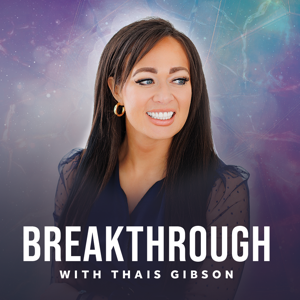
Breakthrough with Thais Gibson is a podcast featuring live coaching and transformational conversations rooted in Integrated Attachment Theory. In each episode, Thais works directly with…
Ranked by our users in the last 21 days

2,652 Listeners
1,407 Listeners

572 Listeners

4,718 Listeners
271 Listeners
1,147 Listeners

640 Listeners

231 Listeners

1,057 Listeners

1,408 Listeners

340 Listeners

5,079 Listeners

1,506 Listeners

657 Listeners
517 Listeners