
Sign up to save your podcasts
Or

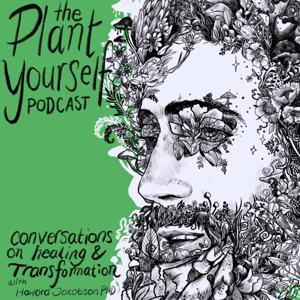

Today’s conversation explores one of the most urgent questions of our time: What would our world look like if our economic system prioritized human and ecological wellbeing instead of endless growth?
I’m joined by Omer Tayyab, researcher and collaborator with economist and author Jason Hickel (Less Is More). Omer works at the intersection of economic theory, political ecology, and democratic reform — with a special focus on degrowth, post-growth futures, and how societies can thrive within planetary boundaries.
We met at the Autonomous University of Barcelona, where he’s currently based, and this episode turned into an expansive, energizing exploration of how we might redesign the systems that shape our daily lives — from work and wealth to democracy, technology, and community resilience.
If you're curious about how to build a world that actually works for people and planet, this one’s for you.
We cover:
What Degrowth Actually MeansLess Is More: How Degrowth Will Save the World, by Jason Hickel
The Divide: Global Inequality from Conquest to Free Markets, by Jason Hickel
Thinking in Systems: A Primer, by Donella Meadows
Omer's LinkedIn Profile
Omer on Twitter
"Degrowth: a new logic for the global economy," by Omer Tayyab, Jason Hickel et al in the British Medical Journal
"US and EU sanctions have killed 38 million people since 1970" - Omer Tayyab article on Al Jazeera
Routledge Handbook of Degrowth (Chapter 10 is about Greece)Today’s conversation explores one of the most urgent questions of our time: What would our world look like if our economic system prioritized human and ecological wellbeing instead of endless growth?
I’m joined by Omer Tayyab, researcher and collaborator with economist and author Jason Hickel (Less Is More). Omer works at the intersection of economic theory, political ecology, and democratic reform — with a special focus on degrowth, post-growth futures, and how societies can thrive within planetary boundaries.
We met at the Autonomous University of Barcelona, where he’s currently based, and this episode turned into an expansive, energizing exploration of how we might redesign the systems that shape our daily lives — from work and wealth to democracy, technology, and community resilience.
If you're curious about how to build a world that actually works for people and planet, this one’s for you.
We cover:
What Degrowth Actually MeansLess Is More: How Degrowth Will Save the World, by Jason Hickel
The Divide: Global Inequality from Conquest to Free Markets, by Jason Hickel
Thinking in Systems: A Primer, by Donella Meadows
Omer's LinkedIn Profile
Omer on Twitter
"US and EU sanctions have killed 38 million people since 1970" - Omer Tayyab article on Al Jazeera
 View all episodes
 By Dr Howie Jacobson

4.8
313313 ratings
Today’s conversation explores one of the most urgent questions of our time: What would our world look like if our economic system prioritized human and ecological wellbeing instead of endless growth?
I’m joined by Omer Tayyab, researcher and collaborator with economist and author Jason Hickel (Less Is More). Omer works at the intersection of economic theory, political ecology, and democratic reform — with a special focus on degrowth, post-growth futures, and how societies can thrive within planetary boundaries.
We met at the Autonomous University of Barcelona, where he’s currently based, and this episode turned into an expansive, energizing exploration of how we might redesign the systems that shape our daily lives — from work and wealth to democracy, technology, and community resilience.
If you're curious about how to build a world that actually works for people and planet, this one’s for you.
We cover:
What Degrowth Actually MeansLess Is More: How Degrowth Will Save the World, by Jason Hickel
The Divide: Global Inequality from Conquest to Free Markets, by Jason Hickel
Thinking in Systems: A Primer, by Donella Meadows
Omer's LinkedIn Profile
Omer on Twitter
"Degrowth: a new logic for the global economy," by Omer Tayyab, Jason Hickel et al in the British Medical Journal
"US and EU sanctions have killed 38 million people since 1970" - Omer Tayyab article on Al Jazeera
Routledge Handbook of Degrowth (Chapter 10 is about Greece)Today’s conversation explores one of the most urgent questions of our time: What would our world look like if our economic system prioritized human and ecological wellbeing instead of endless growth?
I’m joined by Omer Tayyab, researcher and collaborator with economist and author Jason Hickel (Less Is More). Omer works at the intersection of economic theory, political ecology, and democratic reform — with a special focus on degrowth, post-growth futures, and how societies can thrive within planetary boundaries.
We met at the Autonomous University of Barcelona, where he’s currently based, and this episode turned into an expansive, energizing exploration of how we might redesign the systems that shape our daily lives — from work and wealth to democracy, technology, and community resilience.
If you're curious about how to build a world that actually works for people and planet, this one’s for you.
We cover:
What Degrowth Actually MeansLess Is More: How Degrowth Will Save the World, by Jason Hickel
The Divide: Global Inequality from Conquest to Free Markets, by Jason Hickel
Thinking in Systems: A Primer, by Donella Meadows
Omer's LinkedIn Profile
Omer on Twitter
"US and EU sanctions have killed 38 million people since 1970" - Omer Tayyab article on Al Jazeera

2,552 Listeners
11,882 Listeners
831 Listeners
766 Listeners
2,504 Listeners
1,384 Listeners

3,472 Listeners

881 Listeners

488 Listeners
3,392 Listeners

646 Listeners
2,639 Listeners
2,320 Listeners
583 Listeners
54 Listeners