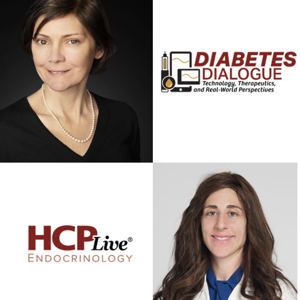
Diabetes Dialogue: Technology, Therapeutics, & Real-World Perspectives

Diabetes Dialogue: Technology, Therapeutics, & Real-World Perspectives

By Diabetes Dialogue: Technology, Therapeutics, & Real-World PerspectivesScienceMedicineHealth & FitnessTechnologyTech News
Download on the App Store

Diabetes Dialogue: Technology, Therapeutics, & Real-World Perspectives episodes

  • Diabetes Dialogue: Screening for Presymptomatic T1D with Rifka Schulman-Rosenbaum, MD
    In this episode of Diabetes Dialogue, hosts Diana Isaacs, PharmD, an endocrine clinical pharmacist, director of Education and Training in Diabetes Technology, and codirector of Endocrine Disorders in Pregnancy at the Cleveland Clinic, and Natalie Bellini, DNP, program director of Diabetes Technology at University Hospitals Diabetes and Metabolic Care Center, are joined by Rifka Schulman-Rosenbaum, MD, director of inpatient diabetes at Long Island Jewish Medical Center and co-author of Establishing Screening Programs for Pre-symptomatic Type 1 Diabetes: Practical Guidance for Diabetes Care Providers, a new paper in the Journal of Clinical Endocrinology and Metabolism.

    With Bellini as a co-author of the piece, experts explored the increasing clinical and operational momentum behind screening for pre-symptomatic type 1 diabetes (T1D) and what it takes to implement effective programs in real-world settings.

    The conversation centers on the rationale and logistics behind identifying individuals in stages 1 and 2 of T1D—autoimmune stages characterized by multiple islet autoantibodies before clinical onset. With the availability of teplizumab (Tzield), a disease-modifying therapy shown to delay progression to stage 3 of T1D, the importance of early detection and standardized screening protocols has become more urgent.

    Schulman-Rosenbaum outlined how her work on the JDRF Breakthrough T1D initiative led to the development of actionable guidance aimed at frontline diabetes care providers. She highlights barriers to implementation—such as limited provider awareness of T1D staging and screening protocols—and details her institution’s ongoing efforts to educate primary care clinicians and endocrinologists, including distributing screening handouts and creating streamlined workflows using dot phrases and dedicated follow-up slots.

    The discussion emphasizes targeted screening for high-risk groups, such as first- and second-degree relatives of individuals with T1D and patients with autoimmune diseases like Hashimoto’s or celiac. Schulman-Rosenbaum emphasized the opportunity for endocrinologists to screen these patients directly during routine care and the utility of a centralized handout to guide test ordering and family engagement.

    Drawing from their paper, experts outlined practical steps for launching autoantibody screening programs: nominating a program champion, forming an implementation team, and embedding screening into existing clinical systems. Experts stressed the importance of using appropriate ICD-10 codes for insurance coverage and referenced a diagnostic coding table in their publication.

    Schulman-Rosenbaum also addressed the widespread issue of misdiagnosis, particularly in adults mistakenly classified as having type 2 diabetes, and outlines best practices for using antibody and C-peptide testing to refine diagnosis. She detailed her hospital’s approach to inpatient screening, noting an increased use of autoantibody testing and follow-up coordination for patients with suspected T1D or latent autoimmune diabetes in adults (LADA).

    Finally, the episode highlighted how to monitor individuals who test positive for a single antibody or exhibit mild dysglycemia, noting that many fall outside established risk categories. Experts called for more research in this area and advocate for individualized monitoring strategies based on clinical risk, family history, and emerging glucose patterns—often using continuous glucose monitoring (CGM) data.

    Relevant disclosures for Isaacs include Eli Lilly and Company, Novo Nordisk, Sanofi, Abbott Diabetes Care, Dexcom, Medtronic, and others. Relevant disclosures for Bellini include Abbott Diabetes Care, MannKind, Provention Bio, and others.

    Key Episode Timestamps
    00:00:00 Introduction
    00:02:18 Inspiration Behind the Paper
    00:04:12 Challenges in Implementing T1D Screening
    00:07:32 Educating Providers and Overcoming Barriers
    00:09:32 Addressing Misdiagnosis of Diabetes
    00:12:01 Inpatient Screening Practices
    00:16:13 Support and Resources for Patients with Positive Antibodies
    00:20:01 Conclusion and Final Thoughts
    21 min
  • Diabetes Dialogue: SOUL and STRIDE Trials from ACC 2025
    Video Version Only on HCPLive!

    In this episode, hosts Diana Isaacs, PharmD, an endocrine clinical pharmacist, director of Education and Training in Diabetes Technology, and codirector of Endocrine Disorders in Pregnancy at the Cleveland Clinic, and Natalie Bellini, DNP, program director of Diabetes Technology at University Hospitals Diabetes and Metabolic Care Center, explored two key trial updates in type 2 diabetes (T2D) care at the American College of Cardiology (ACC) 2025 Annual Scientific Sessions.

    SOUL Trial
    SOUL, a double-blind, placebo-controlled, event-driven trial, was designed to assess the cardiovascular effects of oral semaglutide (Rybelsus) in patients with T2D and atherosclerotic cardiovascular disease (ASCVD) and/or chronic kidney disease (CKD). A total of 9650 patients aged ≥50 years were enrolled across 450 centers in 44 countries.

    Analyses showed oral semaglutide (Rybelsus) was linked to a 14% reduction in major adverse cardiovascular events (MACE) in high-risk patients with T2D. This reduction included the incidence of cardiovascular (CV) death, myocardial infarction (MI), or stroke compared to placebo (HR, 0.86; 95% CI, 0.77 to 0.96; P = .006) over a median follow-up of 47.5 months.

    A 26% reduction in non-fatal MI was the primary driver of benefit, while safety findings identified gastrointestinal adverse events as more common with oral semaglutide. Based on these results, Novo Nordisk announced plans to pursue regulatory approval for a label expansion of oral semaglutide to include MACE risk reduction in adults with T2D and established CV disease.

    STRIDE Trial
    STRIDE, a double-blind, randomized, placebo-controlled trial initiated in 2020, assessed the effects of semaglutide 1.0 mg (Ozempic) on functional outcomes, including walking distance, in patients with T2D and peripheral artery disease (PAD). Conducted across 112 sites in 20 countries, the trial randomized 792 patients to receive semaglutide or placebo for 52 weeks.

    Analyses showed semaglutide use was associated with improvements in maximal walking distance, quality of life, and ankle-brachial index (ABI). SOUL met its primary endpoint, with semaglutide favoring the ratio from baseline in maximum walking distance at 52 weeks (1.21 [interquartile range, 0.95–1.55] vs 1.08 [0.86–1.36]), with an estimated treatment ratio (ETR) of 1.13 (95% CI, 1.06–1.21; P = .0004).

    At week 57, the improvement in walking distance was higher with semaglutide (ETR, 1.08; P = .038). Quality-of-life scores (VascuQoL-6) at week 52 were significantly higher in the semaglutide group (median difference, 1.00; P = .011), as were improvements in pain-free walking distance (ETR, 1.11; P = .0046).

    Relevant disclosures for Isaacs include Eli Lilly and Company, Novo Nordisk, Sanofi, Abbott Diabetes Care, Dexcom, Medtronic, and others. Relevant disclosures for Bellini include Abbott Diabetes Care, MannKind, Provention Bio, and others.

    Editor’s Note: In this episode, there was an error in the discussion about the new dosing for Rybelsus in the SOUL trial. The corrected information is that the 14 mg dose is now 9 mg with the new formulation, due to improved absorption. The full corrected statement is: “Instead of 3 mg, the new dose is 1.5 mg; instead of 7 mg, it’s 4 mg; and instead of 14 mg, it’s 9 mg.”

    17 min
  • Diabetes Dialogue: Updates and News from ATTD 2025 Part 1
    Video Version Only on HCPLive!

    In this episode, hosts Diana Isaacs, PharmD, an endocrine clinical pharmacist, director of Education and Training in Diabetes Technology, and codirector of Endocrine Disorders in Pregnancy at the Cleveland Clinic, and Natalie Bellini, DNP, program director of Diabetes Technology at University Hospitals Diabetes and Metabolic Care Center, reflect on major announcements and product updates from the Advanced Technologies & Treatments for Diabetes (ATTD) 2025 annual conference.

    The conversation opens with insights into Medtronic’s new Simplera CGM, emphasizing its single-use, disposable design and fully disposable on-body form factor. The hosts highlight improvements over previous iterations, such as the absence of an inserter and a more streamlined adhesive system. Although accuracy data have yet to be released, Medtronic has initiated a pivotal trial, and expectations are high for competitive MARD performance.

    They then turn to Tandem Diabetes Care’s Tandem Mobi pump, recently launched in the US market. The pump’s compact size and phone control interface are praised for improving convenience and discretion. Bellini underscores how Mobi shifts the paradigm for pump wearability, with early feedback from patients indicating high satisfaction.

    Later, the hosts discuss Beta Bionics’ insulin-only iLet Bionic Pancreas system, which has expanded availability in the U.S. They review recent clinical updates and ongoing efforts to integrate real-world user data. The system’s unique algorithm, which doesn’t require manual carb counting or standard pre-programming, continues to generate interest across clinical settings.

    Additional topics include anticipated innovation from Lilly’s new pump platform, the competitive implications for CGM integration, and an emphasis on patient-centered device design. The episode closes with Isaacs and Bellini reflecting on the rapid evolution of diabetes technology and how practitioners can stay current with emerging tools and evidence-based practices.

    Relevant disclosures for Isaacs include Eli Lilly and Company, Novo Nordisk, Sanofi, Abbott Diabetes Care, Dexcom, Medtronic, and others. Relevant disclosures for Bellini include Abbott Diabetes Care, MannKind, Provention Bio, and others.

    Editor's Note: Control-IQ+ technology is cleared by the FDA for use in adults with type 2 diabetes in the United States, as of February 25, 2025. The podcast episode erroneously positioned the indication as forthcoming. On March 18, 2025, Tandem Diabetes Care announced the commercial launch, making Control-IQ+ available for people with type 1 diabetes ages 2 years and older and adults with type 2 diabetes.
    26 min
  • Bionic Pancreas Brings AID to Primary Care & Telehealth
    In this episode of Diabetes Dialogue: Technology, Therapeutics, & Real-World Perspectives, hosts Diana Isaacs, PharmD, an endocrine clinical pharmacist, director of Education and Training in Diabetes Technology, and codirector of Endocrine Disorders in Pregnancy at the Cleveland Clinic, and Natalie Bellini, DNP, program director of Diabetes Technology at University Hospitals Diabetes and Metabolic Care Center, take a deep dive into this study and discuss the role of primary care in diabetes technology uptake in type 1 diabetes.
    18 min
  • Diabetes Dialogue: Understanding Control-IQ+ AID Algorithm with Laurel Messer, PhD, RN
    Video Version Only on HCPLive!

    In this episode of Diabetes Dialogue, hosts Diana Isaacs, PharmD, an endocrine clinical pharmacist, director of Education and Training in Diabetes Technology, and codirector of Endocrine Disorders in Pregnancy at the Cleveland Clinic, and Natalie Bellini, DNP, program director of Diabetes Technology at University Hospitals Diabetes and Metabolic Care Center speak with Laurel Messer, PhD, RN, senior director of medical affairs at Tandem Diabetes Care, about the latest advancements in Control-IQ+, the company’s next-generation automated insulin delivery (AID) technology.

    With clearance received from the US Food and Drug Administration (FDA) in February 2025, Tandem announced on March 18, 2025, that the Control-IQ+ hybrid closed-loop algorithm is now available for use in adults with type 2 diabetes (T2D) aged ≥18 years alongside people with type 1 diabetes (T1D) aged ≥2 years.

    Enhancements to the algorithm included a broader weight range (20–440 lbs) and insulin dosing parameters (5–200 units), representing a more inclusive algorithm. In this episode, Messer highlighted other new features in the updated algorithm, such as temp basal rate adjustments for exercise or illness and an extended bolus option of up to eight hours, which enhances flexibility in insulin management during meals.

    Messer also emphasized that Control-IQ+ offers a unique advantage: the ability to fine-tune correction factors, allowing providers to tailor insulin delivery for improved glycemic control. With the AutoBolus feature, Control-IQ+ predicts and corrects hyperglycemia every hour, significantly benefiting individuals who struggle with consistent mealtime bolusing.

    Relevant disclosures for Isaacs include Eli Lilly and Company, Novo Nordisk, Sanofi, Abbott Diabetes Care, Dexcom, Medtronic, and others. Relevant disclosures for Bellini include Abbott Diabetes Care, MannKind, Provention Bio, and others.

    Important Safety Information: RX ONLY. Indicated for patients with type 1 diabetes, 2 years and older and for patients with type 2 diabetes, 18 years and older. BOXED WARNING: Control-IQ+ technology should not be used in anyone under the age of 2 years old with type 1 diabetes or under the age of 18 years old with type 2 diabetes. It should also not be used in patients who require less than a total daily insulin dose of 5 units of insulin per day or who weigh less than 20 pounds, as those are the required minimum values needed for Control-IQ+ to operate safely. Safety info: tandemdiabetes.com/safetyinfo.
    31 min
  • Impact of NovoCare Pharmacy, LillyDirect Self Pay on GLP-1 RA Access
    In this episode of Diabetes Dialogue: Technology, Therapeutics, & Real-World Perspectives, hosts Diana Isaacs, PharmD, an endocrine clinical pharmacist, director of Education and Training in Diabetes Technology, and codirector of Endocrine Disorders in Pregnancy at the Cleveland Clinic, and Natalie Bellini, DNP, program director of Diabetes Technology at University Hospitals Diabetes and Metabolic Care Center, breakdown what the latest developments in the GLP-1 RA affordability and accessibility battles mean for providers and patients.
    17 min
  • 1: News and Updates in Diabetes Care from February 2025
    In this episode of Diabetes Dialogue: Technology, Therapeutics, & Real-World Perspectives, hosts Diana Isaacs, PharmD, an endocrine clinical pharmacist, director of Education and Training in Diabetes Technology, and codirector of Endocrine Disorders in Pregnancy at the Cleveland Clinic, and Natalie Bellini, DNP, program director of Diabetes Technology at University Hospitals Diabetes and Metabolic Care Center, discuss the changing landscape of GLP-1 receptor agonist-based therapies in light of Eli Lilly and Company’s announcement of new tirzepatide (Zepbound) single-dose vials and reduced pricing as well as the FDA decision to remove semaglutide from the drug shortage list. Later in the episode, hosts focus on updates in diabetes technology from the month of February, with a particular focus on the FDA’s historic clearance of the Tandem Control-IQ automated insulin delivery (AID) for type 2 diabetes.
    23 min
  • Omnipod 5 and Medtronic 780G for Type 2 Diabetes
    In this episode of Diabetes Dialogue: Technology, Therapeutics, & Real-World Perspectives, hosts Diana Isaacs, PharmD, an endocrine clinical pharmacist, director of Education and Training in Diabetes Technology, and codirector of Endocrine Disorders in Pregnancy at the Cleveland Clinic, and Natalie Bellini, DNP, program director of Diabetes Technology at University Hospitals Diabetes and Metabolic Care Center, discuss a pair of recently published studies examining the use of diabetes technology in adults with type 2 diabetes.

    SECURE-T2D
    A single-arm prospective study conducted at 21 US clinical centers, SECURE-T2D assessed the impact of automated insulin delivery (AID) on glycemic control in adults with type 2 diabetes using insulin for at least 3 months. The study enrolled 305 participants (mean age, 57 years; 57% female), with a diverse racial and ethnic representation, including 24% Black and 22% Hispanic or Latino.

    Following a 14-day standard therapy phase, participants used the Omnipod 5 AID system for 13 weeks. HbA1c decreased from 8.2% (SD, 1.3) at baseline to 7.4% (SD, 0.9) (mean difference, -0.8 percentage points; 95% CI, -1.0 to -0.7; P <.001) and time in range (70-180 mg/dL) increased from 45% (SD, 25) to 66% (SD, 17) (mean difference, 20 percentage points; 95% CI, 18 to 22; P <.001).

    Improvement was observed across subgroups, regardless of concurrent GLP-1 RA or SGLT2 inhibitor use or pretrial insulin regimen. Rates of hypoglycemia remained noninferior to standard therapy, with one severe hypoglycemia event and no cases of diabetic ketoacidosis or hyperosmolar hyperglycemic syndrome. Findings suggest AID may be a safe and effective option for insulin-requiring adults with type 2 diabetes.

    Medtronic 780G in Type 2 Diabetes
    A 13-site, single-arm, open-label study evaluated the safety and effectiveness of the MiniMed™ 780G advanced hybrid closed-loop (AHCL) system in 95 adults with insulin-requiring type 2 diabetes. Over the 90-day study period, mean HbA1c decreased from 7.9% (SD, 1.0%) to 7.2% (SD, 0.7%) (P < 0.001), and the percentage of time in range of 70 to 180 mg/dL) reached 80.9% (95% CI, 78.4% to 83.1%).

    Total daily insulin dose increased from 77.4 U (SD, 38.5) to 91.8 U (SD, 49.3) (P<.0001), while carbohydrate intake remained stable, and user-initiated boluses decreased. Investigators pointed out no significant changes in participant weight or body mass index were observed during the study and there were no reports of severe hypoglycemia, diabetic ketoacidosis, hyperosmolar hyperglycemic state, or serious adverse events.

    Relevant disclosures for Isaacs include Eli Lilly and Company, Novo Nordisk, Sanofi, Abbott Diabetes Care, Dexcom, Medtronic, and others. Relevant disclosures for Bellini include Abbott Diabetes Care, MannKind, Provention Bio, and others.

    References:
    1. Pasquel FJ, Davis GM, Huffman DM, et al. Automated Insulin Delivery in Adults With Type 2 Diabetes: A Nonrandomized Clinical Trial. JAMA Netw Open. 2025;8(2):e2459348. doi:10.1001/jamanetworkopen.2024.59348
    2. Bhargava A, Bergenstal RM, Warren ML, et al. Safety and Effectiveness of MiniMed™ 780G Advanced Hybrid Closed-Loop Insulin Intensification in Adults with Insulin-Requiring Type 2 Diabetes. Diabetes Technol Ther. Published online February 6, 2025. doi:10.1089/dia.2024.0586
    3. 15 min
    4. Understanding Semaglutide (Ozempic) in CKD and T2D
      Welcome back to Diabetes Dialogue: Technology, Therapeutics, & Real-World Perspectives!

      The US Food and Drug Administration (FDA) approval of semaglutide 1.0 (Ozempic) for reducing the risk of kidney disease progression in type 2 diabetes marks a significant advance in the treatment landscape. To celebrate the approval and breakdown what the latest semaglutide approval means for clinicians and patients with type 2 diabetes, cohosts Diana Isaacs, PharmD, an endocrine clinical pharmacist, director of Education and Training in Diabetes Technology, and co-director of Endocrine Disorders in Pregnancy at the Cleveland Clinic, and Natalie Bellini, DNP, program director of Diabetes Technology at University Hospitals Diabetes and Metabolic Care Center, convened for a special edition episode of Diabetes Dialogue.

      Key Timestamps
      00:00:00 Introduction
      00:00:18 Semaglutide's FDA approval for T2D and CKD
      00:03:21 ADA Standards of Care referenced GLP-1 RAs as first-line options
      00:04:55 Side effects of semaglutide and GLP-1s
      00:06:22 Will semaglutide be prioritized over other GLP-1s for T2D and CKD?
      00:09:57 Will these benefits be replicated in patients with obesity without T2D?
      00:11:19 Semaglutide data at Kidney Week 2024
      00:12:29 Outro
      13 min
    5. ADA’s 2025 Standards of Care in Diabetes Therapeutics
      Video Version Only on HCPLive!

      In this episode of Diabetes Dialogue: Technology, Therapeutics, and Real-World Perspectives, hosts Diana Isaacs, PharmD, an endocrine clinical pharmacist, director of Education and Training in Diabetes Technology, and co-director of Endocrine Disorders in Pregnancy at the Cleveland Clinic, and Natalie Bellini, DNP, program director of Diabetes Technology at University Hospitals Diabetes and Metabolic Care Center, explore the updated American Diabetes (ADA) 2025 Standards of Care, focusing on therapeutic advancements in diabetes management.

      Hosts discussed the significant changes to treatment algorithms and new guidance designed to enhance outcomes for people with diabetes and related conditions. One of the major updates discussed is the expanded flexibility in the treatment algorithm for type 2 diabetes (T2D) and chronic kidney disease (CKD), including glucagon-like peptide-1 receptor agonists (GLP-1 RA), such as semaglutide, as an alternative to patients who may not tolerate sodium-glucose co-transporter 2 (SGLT2) inhibitors.

      Isaacs and Bellini emphasized the complementary benefits of combining these therapies, particularly for kidney protection and glucose management. The episode also highlighted updates on the use of GLP-1 RAs for patients with obesity-related heart failure with preserved ejection fraction (HFpEF), underscoring the evolving role of these medications beyond glucose lowering.

      The discussion then shifted to the introduction of recommendations for metabolic dysfunction-associated steatotic liver disease (MASLD) and steatohepatitis (MASH). GLP-1 RAs, dual GLP-1/GIP agonists, and combinations with pioglitazone are now recognized as promising treatment options to mitigate these risks. Hosts delved into the importance of identifying disease severity using FIB-4 scores and how these guidelines aim to address the rising prevalence of fatty liver disease among people with diabetes.

      Another noteworthy update focused on screening for type 1 diabetes (T1D), particularly in first-degree relatives of individuals with the disease. Isaacs and Bellini review the new staging framework, which classifies T1D progression into three distinct stages, and the inclusion of ICD-10 codes for accurate diagnosis. They also discussed the role of teplizumab (TZIELD) in delaying disease progression in individuals aged ≥8 years and what this could represent for early intervention.

      With practical insights and real-world applications, this episode provided a comprehensive look at how these updates from the ADA’s 2025 Standards of Care will shape therapeutic decision-making and improve care for people with diabetes.

      Relevant disclosures for Isaacs include Eli Lilly and Company, Novo Nordisk, Sanofi, Abbott Diabetes Care, Dexcom, Medtronic, and others. Relevant disclosures for Bellini include Abbott Diabetes Care, MannKind, Provention Bio, and others.

      Key Episode Timestamps

      00:00 Updates to 2025 ADA Standards of Care
      03:06 GLP-1 Agonists and SGLT2 Inhibitors Combination Therapy
      04:34 Heart Failure Stratification and Obesity-Associated Heart Failure
      07:04 Introduction of Liver Disease into Algorithms
      10:28 Screening for Type 1 Diabetes and New Guidelines
      13:57 Guidelines for Pre-Symptomatic Type 1 Diabetes
      17:35 Nutrition and Medication Adjustments
      20:45 Vitamin D Monitoring and Supplementation
      22:12 ADA Standards of Care App
      24 min

    About Diabetes Dialogue: Technology, Therapeutics, & Real-World Perspectives

    From the publisher's feed

    Diabetes Dialogue: Technology, Therapeutics, & Real-World Perspectives is a podcast hosted by Drs. Diana Isaacs and Natalie Bellini aimed at providing a regular roundup of the latest clinically applicable insights across diabetes and metabolic diseases, with a focus on leveraging technology to improve care. A video version of each episode is available at HCPLive.com/Clinical/Endocrinology.

    More shows like Diabetes Dialogue: Technology, Therapeutics, & Real-World Perspectives

    JAMA Clinical Reviews by JAMA Network

    JAMA Clinical Reviews

    496 Listeners

    DOC Updates by American Diabetes Association

    DOC Updates

    103 Listeners

    Juicebox Podcast: Type 1 Diabetes by Scott Benner

    Juicebox Podcast: Type 1 Diabetes

    1,632 Listeners

    10% Happier with Dan Harris by 10% Happier

    10% Happier with Dan Harris

    12,713 Listeners

    The Curbsiders Internal Medicine Podcast by The Curbsiders Internal Medicine Podcast

    The Curbsiders Internal Medicine Podcast

    3,342 Listeners

    Real Life Pharmacology - Pharmacology Education for Health Care Professionals by Eric Christianson, PharmD; Pharmacology Expert and Clinical Pharmacist

    Real Life Pharmacology - Pharmacology Education for Health Care Professionals

    731 Listeners

    The Peter Attia Drive by Peter Attia, MD

    The Peter Attia Drive

    7,997 Listeners

    Harrison's PodClass: Internal Medicine Cases and Board Prep by AccessMedicine

    Harrison's PodClass: Internal Medicine Cases and Board Prep

    373 Listeners

    The Holistic GLP-1 Podcast with Elizabeth McGann by Elizabeth McGann

    The Holistic GLP-1 Podcast with Elizabeth McGann

    66 Listeners

    The Hunter Williams Podcast by Hunter Williams

    The Hunter Williams Podcast

    121 Listeners

    Huberman Lab by Scicomm Media

    Huberman Lab

    29,200 Listeners

    The Metabolic Classroom with Dr. Ben Bikman by Insulin IQ

    The Metabolic Classroom with Dr. Ben Bikman

    227 Listeners

    The Dr. Tyna Show by Dr. Tyna Moore

    The Dr. Tyna Show

    1,675 Listeners

    Docs Who Lift by Docs Who Lift

    Docs Who Lift

    413 Listeners

    The Dr. Gabrielle Lyon Show by Dr. Gabrielle Lyon

    The Dr. Gabrielle Lyon Show

    1,195 Listeners