
Sign up to save your podcasts
Or

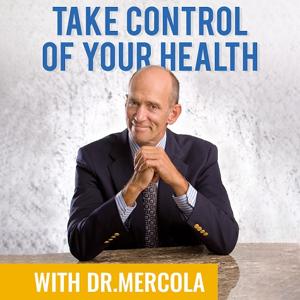
By Dr. Mercola


4.6
14881,488 ratings


The podcast currently has 1,589 episodes available.
The most played episodes among Podcast App listeners.
When it comes to maintaining a nutritional supplement regimen, the decisive question is not "what's in the bottle" — it's what makes a person actually take it, day after day, long after the first burst of motivation fades Motivation behaves like weather: it rolls in and rolls out. Any routine that depends on feeling inspired every morning is built on sand Friction is where habits die. Every extra step becomes another reason to skip a dose, and people rarely quit a supplement routine in one dramatic moment; they drift, one missed dose at a time We are creatures of cue and context: habits anchored to something we already do, like a meal, tend to stick, while habits that depend on memory and willpower tend to evaporate So, we're redesigning some of our supplements to work with how people actually behave — fewer steps and a food-first format anchored to eating — so staying consistent barely depends on willpower at all

UCLA researchers found that creatine may do more than support muscle performance; early research suggests it also helps power key immune cells that coordinate the body's defense against cancer When immune cells were unable to absorb creatine, they showed lower survival, weaker activation, and a reduced ability to stimulate the T cells responsible for attacking abnormal cells Creatine helped immune cells maintain higher levels of ATP, the body's primary cellular energy source, allowing them to stay active and communicate more effectively In a mouse melanoma model, creatine supplementation was linked to slower tumor growth, more active immune cells inside tumors, and stronger cancer-fighting immune responses Supporting healthy cellular energy through adequate creatine intake, nutrient-dense foods, healthy carbohydrates, and lifestyle habits that strengthen mitochondrial function may help create a stronger foundation for immune health
Researchers found that Wegovy showed the strongest reported association with a rare optic nerve injury that can cause sudden vision loss, raising new questions about the safety of high-dose semaglutide formulations Men using Wegovy showed the highest reported risk in the FDA safety database, with odds of optic nerve injury appearing substantially higher than those reported for women Analysis of more than 400,000 online discussions revealed that many GLP-1 users frequently reported fatigue, low energy, menstrual changes, chills and hot flashes — symptoms that receive far less attention than digestive side effects Real-world patient conversations and artificial intelligence analysis are helping researchers identify emerging drug safety signals much faster than conventional reporting systems alone Your body already produces its own GLP-1 hormone through gut microbes that generate butyrate, and restoring this natural system through better gut health supports appetite control and metabolic function without relying on injections
Spending most of your day sitting increases your risk of chronic disease and early death, but taking a five-minute walk every hour is a simple habit that helps counter many of those harmful effects Researchers found that hourly walking breaks offered the best balance between meaningful health benefits and a routine that people could realistically maintain, while also improving mood and reducing fatigue without hurting work performance You don't need to reach 10,000 daily steps before your health improves; increasing your daily total to about 4,000 to 4,500 steps was associated with substantial reductions in the risk of death and cardiovascular disease The lowest long-term risk of death was associated with accumulating roughly 9,000 to 10,500 steps each day, even among people whose jobs required them to spend much of the day sitting The greatest protection comes from combining two habits: interrupt long periods of sitting with regular walking breaks and gradually increase your total daily steps until active movement becomes part of your everyday routine
A study of more than 31,000 adults with Type 2 diabetes found that a widely prescribed class of blood pressure medications was associated with a 33% higher risk of serious kidney complications, including substantial loss of kidney function, dialysis or transplantation The increased kidney risk persisted even though all participants were already taking modern kidney-protective therapies that are considered standard treatment for diabetic kidney disease Researchers believe these medications may increase pressure inside the kidneys' filtering units, exposing already damaged tissue to additional mechanical stress, which may accelerate kidney decline High blood pressure not only raises the risk of heart disease but also damages the kidneys over time, making blood pressure control one of the most important strategies for preserving kidney function Improving blood sugar control, restoring a healthier sodium-to-potassium balance, reducing chronic stress, optimizing vitamin D levels, and staying physically active may help lower blood pressure naturally and reduce strain on the kidneys
The podcast currently has 1,589 episodes available.

764 Listeners
371 Listeners
7,175 Listeners

4,999 Listeners

1,527 Listeners

2,313 Listeners
713 Listeners

1,706 Listeners
3,431 Listeners
9,150 Listeners
1,810 Listeners

1,775 Listeners

846 Listeners

298 Listeners
2,443 Listeners