
Sign up to save your podcasts
Or

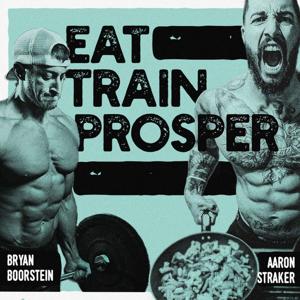


This week we have another Instagram Q&A covering the psychology around "doing less", how to balance your volume between rep ranges, and appropriate course of action following a blowout/cheat meals and philosophies here.
*Note. Bryan was experiencing some audio hardware issues later into the episode.
Topics Explored:
1. Coming from a higher volume training program (for example: competitive Crossfit) The process of psychological acceptance that it’s possible “less is more” and how you might diagnose your true volume requirements.
2. Regarding different rep ranges for hypertrophy, is there a “best one” for an individual? Or should we split volume evenly between all of the suggested rep ranges for hypertrophy. (5-10, 10-15, 15-25+)
3. The day after a cheat meal is it ok to eat intuitively for carbs and fats versus meeting my macros?
Nutrition Coaching with Aaron ⬇️
https://strakernutritionco.com
Instagram: @aaron_straker
Follow Bryan's Gym Programming ⬇️
https://evolvedtrainingsystems.com
Instagram: @bryanboorstein
Eat Train Prosper Socials ⬇️
Instagram: @Eat.Train.Prosper
YouTube: EAT TRAIN PROSPER PODCAST
Training hard, but don't look like it? Aaron closes that gap ⬇️
https://coach.strakernutritionco.com/bio
Paragon Training Methods Programming ⬇️
https://paragontrainingmethods.com
Follow Bryan's Evolved Training Systems Programming ⬇️
https://evolvedtrainingsystems.com
Find Us on Social Media ⬇️
IG | @Eat.Train.Prosper
IG | @bryanboorstein
IG | @aaron_straker
YT | EAT TRAIN PROSPER PODCAST
Today's episode surrounds the ever important topics considering evaluating appropriate progression when moving through a training cycle. Speaking from the context of primarily hypertrophy but with indications of where dually applicable for strength as well.
1. What is the relevancy of achieving a greater tonnage in evaluating progression? Is tonnage a metric we should pay attention to in a micro perspective? What about from a macro perspective?
Example. Performing 30 lbs. for 15 reps = 450 lbs. tonnage vs 32.5 lbs. at 12 reps = 390 lbs. Does this decrease in total tonnage mean a lesser hypertrophic stimulus?
2. How should you decide when to move up in weight for your working sets?
Example: Say a target rep range is 12-15. If you perform 15, 13, 11. Do you move up or repeat the following week? Technically you didn’t meet the rep range on set 3, but the first two are great.
Nutrition Coaching with Aaron ⬇️
https://strakernutritionco.com
Instagram: @aaron_straker
Follow Bryan's Gym Programming ⬇️
https://evolvedtrainingsystems.com
Instagram: @bryanboorstein
Eat Train Prosper Socials ⬇️
Instagram: @Eat.Train.Prosper
YouTube: EAT TRAIN PROSPER PODCAST
Training hard, but don't look like it? Aaron closes that gap ⬇️
https://coach.strakernutritionco.com/bio
Paragon Training Methods Programming ⬇️
https://paragontrainingmethods.com
Follow Bryan's Evolved Training Systems Programming ⬇️
https://evolvedtrainingsystems.com
Find Us on Social Media ⬇️
IG | @Eat.Train.Prosper
IG | @bryanboorstein
IG | @aaron_straker
YT | EAT TRAIN PROSPER PODCAST
In today's episode Bryan and Aaron explore three different topics that always seem to be circulating in the various training and nutrition spaces.
Nutrition Coaching with Aaron ⬇️
https://strakernutritionco.com
Instagram: @aaron_straker
Follow Bryan's Gym Programming ⬇️
https://evolvedtrainingsystems.com
Instagram: @bryanboorstein
Eat Train Prosper Socials ⬇️
Instagram: @Eat.Train.Prosper
YouTube: EAT TRAIN PROSPER PODCAST
Training hard, but don't look like it? Aaron closes that gap ⬇️
https://coach.strakernutritionco.com/bio
Paragon Training Methods Programming ⬇️
https://paragontrainingmethods.com
Follow Bryan's Evolved Training Systems Programming ⬇️
https://evolvedtrainingsystems.com
Find Us on Social Media ⬇️
IG | @Eat.Train.Prosper
IG | @bryanboorstein
IG | @aaron_straker
YT | EAT TRAIN PROSPER PODCAST
Bryan and Aaron catch up on the current states of their personal and professional lives. Of course they also go deep on the current landscape of their own hypertrophy training, physique goals and what their nutrition looks like. Including a long aside about Bryan's future plans for a natural bodybuilding show in 2022 and thoughts surrounding potential approaches for this.
Aaron's Metabolic Performance Protocol starting March 1st ⬇️
https://strakernutritionco.com/metabolic-performance-protocol/
Nutrition Coaching with Aaron ⬇️
https://strakernutritionco.com
Instagram: @aaron_straker
Follow Bryan's Gym Programming ⬇️
https://evolvedtrainingsystems.com
Instagram: @bryanboorstein
Eat Train Prosper Socials ⬇️
Instagram: @Eat.Train.Prosper
YouTube: EAT TRAIN PROSPER PODCAST
Training hard, but don't look like it? Aaron closes that gap ⬇️
https://coach.strakernutritionco.com/bio
Paragon Training Methods Programming ⬇️
https://paragontrainingmethods.com
Follow Bryan's Evolved Training Systems Programming ⬇️
https://evolvedtrainingsystems.com
Find Us on Social Media ⬇️
IG | @Eat.Train.Prosper
IG | @bryanboorstein
IG | @aaron_straker
YT | EAT TRAIN PROSPER PODCAST
On today's episode we have our first ever guests, Dr. Dave Maconi and Abel Csabai. Dave and Abel are both very knowledgable about training and nutrition and have valuable insights regarding each.
Topics Explored:
1. General thoughts on how much the genetic potential of strength and hypertrophy are related?
2. Conjecture on some potential "strength numbers" that genetically average people could expect to hit over a training career.
3. General discussion of epigenetics generation to generation (as well as whether there may be any potential impact from "nurture" throughout early part of life on muscular potential). What have we seen?
4. Training volume: It seems we have all gone from higher volume to a more moderate volume of training over the last few years.
5. Psychology of the “majority of days” being a certain way when dieting. The 5:2 (deficit/maintenance) Bill campbell approach versus a 2:5 approach (steeper deficit/maintenance) or even a 1:6 approach (fasted/maintenance)
Where you can find Dr. Dave Maconi ⬇️
Instagram: @dave_maconi
YouTube: Brains and Gains Podcast
https://drdavemaconi.com
Where you can find Abel Csabai ⬇️
Instagram: @ssdabel
YouTube: SSD Abel
https://abelssd.com
Nutrition Coaching with Aaron ⬇️
https://strakernutritionco.com
Instagram: @aaron_straker
Follow Bryan's Gym Programming ⬇️
https://evolvedtrainingsystems.com
Instagram: @bryanboorstein
Eat Train Prosper Socials ⬇️
Instagram: @Eat.Train.Prosper
YouTube: EAT TRAIN PROSPER PODCAST
Training hard, but don't look like it? Aaron closes that gap ⬇️
https://coach.strakernutritionco.com/bio
Paragon Training Methods Programming ⬇️
https://paragontrainingmethods.com
Follow Bryan's Evolved Training Systems Programming ⬇️
https://evolvedtrainingsystems.com
Find Us on Social Media ⬇️
IG | @Eat.Train.Prosper
IG | @bryanboorstein
IG | @aaron_straker
YT | EAT TRAIN PROSPER PODCAST
In this second Q&A style episode Bryan and Aaron cover more questions asked from their Instagram followers. The questions are a solid balance between training, nutrition, and some of the differences in how men and women can approach training respective to their physiological differences.
Questions Answered:
Nutrition Coaching with Aaron ⬇️
https://strakernutritionco.com
Instagram: @aaron_straker
Follow Bryan's Gym Programming ⬇️
https://evolvedtrainingsystems.com
Instagram: @bryanboorstein
Eat Train Prosper Socials ⬇️
Instagram: @Eat.Train.Prosper
YouTube: EAT TRAIN PROSPER PODCAST
Training hard, but don't look like it? Aaron closes that gap ⬇️
https://coach.strakernutritionco.com/bio
Paragon Training Methods Programming ⬇️
https://paragontrainingmethods.com
Follow Bryan's Evolved Training Systems Programming ⬇️
https://evolvedtrainingsystems.com
Find Us on Social Media ⬇️
IG | @Eat.Train.Prosper
IG | @bryanboorstein
IG | @aaron_straker
YT | EAT TRAIN PROSPER PODCAST
We often talk about topics with a view from above, zooming in on the advanced trainee. But we all started somewhere, and the way in which you start can impact what you learn, how you interpret the information you’re receiving as feedback from your body, and what processes become your guiding principles as you progress through the training journey.
In this episode we discuss some of the basic training concepts that were part of our journey during the early days. How much did we rely on compound movements? When did we implement isolation work? What lessons can be learned from the approach we utilized? Would we change anything if we could go back in time and do it again?
Topics Explored:
Nutrition Coaching with Aaron ⬇️
https://strakernutritionco.com
Instagram: @aaron_straker
Follow Bryan's Gym Programming ⬇️
https://evolvedtrainingsystems.com
Instagram: @bryanboorstein
Eat Train Prosper Socials ⬇️
Instagram: @Eat.Train.Prosper
YouTube: EAT TRAIN PROSPER PODCAST
Training hard, but don't look like it? Aaron closes that gap ⬇️
https://coach.strakernutritionco.com/bio
Paragon Training Methods Programming ⬇️
https://paragontrainingmethods.com
Follow Bryan's Evolved Training Systems Programming ⬇️
https://evolvedtrainingsystems.com
Find Us on Social Media ⬇️
IG | @Eat.Train.Prosper
IG | @bryanboorstein
IG | @aaron_straker
YT | EAT TRAIN PROSPER PODCAST
Bryan and Aaron provide their take on the protein range debate. Is 0.8 grams of protein per pound of bodyweight sufficient? Is there any beneficial potential in eating up to 1.5 grams of protein per pound of bodyweight. Are those upper ranges superfluous or is there any merit? What are the important contextual considerations that warrant a lower protein intake vs. the higher end ranges.
Questions Explored:
Nutrition Coaching with Aaron ⬇️
https://strakernutritionco.com
Instagram: @aaron_straker
Follow Bryan's Gym Programming ⬇️
https://evolvedtrainingsystems.com
Instagram: @bryanboorstein
Eat Train Prosper Socials ⬇️
Instagram: @Eat.Train.Prosper
YouTube: EAT TRAIN PROSPER PODCAST
Training hard, but don't look like it? Aaron closes that gap ⬇️
https://coach.strakernutritionco.com/bio
Paragon Training Methods Programming ⬇️
https://paragontrainingmethods.com
Follow Bryan's Evolved Training Systems Programming ⬇️
https://evolvedtrainingsystems.com
Find Us on Social Media ⬇️
IG | @Eat.Train.Prosper
IG | @bryanboorstein
IG | @aaron_straker
YT | EAT TRAIN PROSPER PODCAST
This is part two of a two-part series on how to incorporate better position for improving exercise execution.
Bryan and Aaron go into detail on improving mechanics, getting more hypertrophy, and decreasing joint discomfort from the movements you are performing.
Body Parts Discussed:
Topics Covered:
More from Aaron
Instagram: @aaron_straker
https://strakernutritionco.com
More from Bryan
Instagram: @bryanboorstein
https://evolvedtrainingsystems.com
Eat Train Prosper Social Channels
Instagram: @Eat.Train.Prosper
YouTube: EAT TRAIN PROSPER PODCAST
Training hard, but don't look like it? Aaron closes that gap ⬇️
https://coach.strakernutritionco.com/bio
Paragon Training Methods Programming ⬇️
https://paragontrainingmethods.com
Follow Bryan's Evolved Training Systems Programming ⬇️
https://evolvedtrainingsystems.com
Find Us on Social Media ⬇️
IG | @Eat.Train.Prosper
IG | @bryanboorstein
IG | @aaron_straker
YT | EAT TRAIN PROSPER PODCAST
This is part one of a two-part series on how to incorporate better position for improving exercise execution.
Bryan and Aaron go into detail on improving mechanics, getting more hypertrophy, and decreasing joint discomfort from the movements you are performing.
Body Parts Discussed:
Topics Covered:
Next week will cover Part 2 discussing all major muscle groups of the upper body.
More from Aaron
Instagram: @aaron_straker
https://strakernutritionco.com
More from Bryan
Instagram: @bryanboorstein
https://evolvedtrainingsystems.com
Eat Train Prosper Social Channels
Instagram: @Eat.Train.Prosper
YouTube: EAT TRAIN PROSPER PODCAST
Training hard, but don't look like it? Aaron closes that gap ⬇️
https://coach.strakernutritionco.com/bio
Paragon Training Methods Programming ⬇️
https://paragontrainingmethods.com
Follow Bryan's Evolved Training Systems Programming ⬇️
https://evolvedtrainingsystems.com
Find Us on Social Media ⬇️
IG | @Eat.Train.Prosper
IG | @bryanboorstein
IG | @aaron_straker
YT | EAT TRAIN PROSPER PODCAST
From the publisher's feed

12,103 Listeners
343 Listeners
777 Listeners

28,115 Listeners
1,558 Listeners
3,789 Listeners
738 Listeners
528 Listeners
542 Listeners
65 Listeners

23 Listeners

332 Listeners
605 Listeners
49 Listeners
47 Listeners