
Sign up to save your podcasts
Or

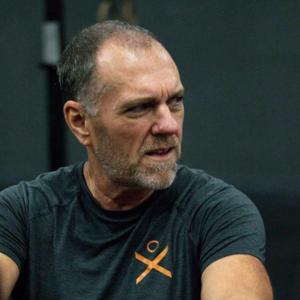


What if most of how you age is up to you, and not your genes?
In this episode, Karl Sterling sits down with Dr. Michael Greger, M.D., FACLM. He’s a physician, the founder of NutritionFacts.org and the New York Times bestselling author of How Not to Die, How Not to Diet and his latest book, How Not to Age. Dr. Greger has spent his career making nutrition research something anyone can use. In this conversation he breaks down what the science really says about living longer and staying healthier as we get older.
In this episode:
Dr. Greger’s latest book is backed by more than 13,000 citations, and Karl calls it a study guide he’s read more than once. If you want answers on aging that are grounded in evidence and easy to act on, this episode is for you.
📘 Get How Not to Age by Dr. Michael Greger
🌐 NutritionFacts.org
🧠 Learn more about Karl’s work: neuromotortraining.com | karlsterling.com
Your health matters. Keep moving that body every single day.
#Longevity #HealthyAging #HowNotToAge #MichaelGreger #PlantBased #Nutrition #KarlSterlingPodcast
From the archives: my 2021 conversation with Joel Taylor, one of the most versatile and in-demand drummers in the world.Over a career of more than 40 years, Joel has toured and recorded with an incredible range of artists, from rock and pop to jazz, fusion, Latin and world music. He’s played with Allan Holdsworth, Al Di Meola, Andy Summers (The Police), Stanley Clarke, Joe Sample, Frank Gambale, Yanni, Herb Alpert, Josh Groban, Michael Bublé, David Foster, Rick Springfield, Robby Krieger of The Doors, Randy Crawford, The Jazz Crusaders, Brian Bromberg, Mike Stern, Jeff Lorber and many more.You’ve almost certainly heard him even if you didn’t know it. Joel played on the Guitar Hero and Rock Band video games, the movies Gran Torino and Anchorman, Disney shows like Hannah Montana and Wizards of Waverly Place, and national jingles for Coca-Cola, Pepsi, Toyota, Sony and dozens of other brands. He also appeared in Yanni’s famous PBS specials filmed at the Taj Mahal and the Forbidden City.Joel is also a dedicated educator. He has two degrees from Berklee College of Music, has taught at the University of Redlands, Cal Poly Pomona and Musicians Institute, and has given drum clinics across the US, Europe, Russia, Japan, India and Brazil. He has been featured in Modern Drummer, Rhythm and Drumhead, among other drum magazines.In this interview we talk about his journey as a musician, life on the road and in the studio, and what it takes to have a career this long and this varied.🥁 Follow Joel Taylor:Website: www.Joel-Taylor.comFacebook: www.facebook.com/joeltaylordrumsYouTube: / @therealjoeltaylordrums9274 Joel endorses DW Drums, Zildjian Cymbals, Vic Firth Drumsticks and Remo Drumheads.🎙️ More from Karl Sterling:www.karlsterling.com#JoelTaylor #Drummer #JazzDrumming #Fusion #AllanHoldsworth #AlDiMeola #Yanni #DrumInterview #Drums #Musicians
In Septmber of 2026, at the Sensory Intelligence Summit near Phoenix, a retired Marine opened the Sunday morning session and got the whole day started with real energy. I knew right away I wanted him on the podcast.My guest is Marc Rodriguez, a retired U.S. Marine Gunnery Sergeant with 21 years of service and the founder and CEO of Manifest Fitness Institute in Dallas, Texas. Marc is an educator, international speaker and leadership mentor who helps personal trainers become masters of their craft and warriors in their business, with his no-nonsense “FITFO” (figure it out) mindset.Marc tells the story of being passed over for promotion twice, even after a year of top evaluations and three major awards, and then being forced to retire with seven months’ notice. He talks openly about losing his identity and going through depression after the Marines, and how the gym, a new community and a clear mission helped him rebuild. We also get into why so many veterans undervalue their own experience, how Marine Corps planning frameworks carry over into business, and why most trainers are never taught how to run one.Manifest Fitness Institute is built on one idea: when you pour into your people, everyone wins. Marc explains why he teaches only in person, why he measures his own success by how well his trainers do, and why business owners who are afraid of AI will get left behind. I also share the story of a woman with Parkinson’s in Monterrey who rolled over in bed on her own for the first time in five years.In this episode:00:00 Introduction: meeting at the Sensory Intelligence Summit03:58 Retiring from the Marines and starting over in fitness06:06 How the Marine Corps shaped his leadership08:34 Why veterans undervalue their own experience10:34 Manifest Fitness Institute: education first15:09 Mentoring trainers on their personal and business finances18:59 Getting fired, and the drive home that started Manifest22:07 Stepping in as CEO, then stepping away23:50 Why great employees need great leaders28:24 Passed over for promotion twice36:24 Losing his identity and finding his tribe40:22 A 21-year-old trainer’s success story41:10 “My success comes from their success”44:37 Why he teaches only in person47:22 Monterrey: learning to roll over after 5 years50:57 Embracing AI instead of fearing it52:07 Hope as a turning point54:05 Marc’s takeaway: be a master and a warriorTakeaway: “Anything you put yourself into, be a master of it and be a warrior in it. Learn as much as you can, and don’t quit.”Connect with Marc Rodriguez:🌐 manifestfitnessinstitute.comConnect with Karl Sterling:🌐 neuromotortraining.com | karlsterling.com | neuromotor.com.mx📚 Books: amazon.com/stores/author/B08BHLL3XT/allbooksIf this episode inspired you, please subscribe, hit the bell and share it with someone who needs to hear it.#Leadership #Veterans #MarineCorps #PersonalTrainer #FitnessBusiness #Entrepreneurship #KarlSterlingPodcast
In April, 2018, on my very first trip to Mexico, I met Dr. Cynthia López at a symposium in Monterrey. Since then she has earned her PhD, contributed a chapter on Parkinson’s nutrition to my books, and kept doing research where nutrition, health and technology meet. It was great to reconnect with her.In this episode we talk about why people keep eating foods they know are bad for them, and how getting to the root cause, often stress and anxiety, matters more than willpower. Cynthia explains how junk food is engineered to keep you eating, why the microbiome may be the starting point for real change, and what that means for people with Parkinson’s who take levodopa. She also shares her view on coffee and probiotics, how AI is changing the way people find health information (for better and worse), and why lasting change takes patience.We also get into Coca-Cola’s surprising cultural role in Mexico, my own weakness for chips and salsa, and how a vitamin deficiency may have changed my taste for berries.In this episode:00:00 Introduction: reconnecting after 8 years03:24 Patient understanding vs. compliance10:53 Stress, long work hours and emotional eating17:36 Food engineering and why you “can’t eat just one”19:31 How technology and marketing amplify junk food24:18 AI and nutrition: validated information vs. misinformation32:15 Parkinson’s medication, protein timing and the microbiome35:36 Does your microbiome crave what you feed it?36:27 Coffee, acidity and probiotics39:33 Balance, not perfection41:41 Listening to your body: deficiencies and cravings43:56 The nutrition gap in medical training46:31 Cynthia’s takeaway messageTakeaway: Pay attention to what’s on your plate, and be kind and humble with your own body. Every choice adds up.Connect with Dr. Cynthia López Botello:Instagram: https://www.instagram.com/cynthiabotello.nutrick/Website: https://nutrick.com.mx/Connect with Karl Sterling:🌐 neuromotortraining.com | karlsterling.com | neuromotor.com.mx📚 Books: amazon.com/stores/author/B08BHLL3XT/allbooksThis podcast is for educational purposes only and is not medical advice. Talk with your doctor before changing your diet, supplements or medication timing.#Parkinsons #Nutrition #Microbiome #GutHealth #Neuroplasticity #KarlSterlingPodcast
Your brain. Your body. Your bones. They're not three separate problems. They're one system, and when you train them together, everything changes.
I'm Karl Sterling, founder of NeuroMotor Training. My new book, *Brain Body Bones*, shows how movement rewires the brain, strengthens the body, and builds bones that last
I'm honored to share these pages with an incredible team of contributing experts: Dra. Mayela Rodríguez-Violante, Laura Olmos, Dr. Perry Nickelston, Erica Erica Kraut DeMarch, Dr. Emily Splichal, Dr. Natalie Robertson, and Ethan Pollak.
It's a practical roadmap for moving better, thinking sharper, and staying strong for life.
Get your copy today at www.brainbodybones.com - It's available in paperback, Kindle, and audio. *Brain Body Bones.* Let's get moving.
@highlight
Living with Parkinson's can feel like your body is slowly writing a story you didn't choose. But your brain is still listening, still adapting, still capable of change.
I'm Karl Sterling, founder of NeuroMotor Training, and I wrote Parkinson's Regeneration Training to show you how to put that capacity to work.
For more than thirty-five years I was a professional drummer. Rhythm, timing, and coordination were my life. Today I use that same understanding of how the brain controls movement to help people with Parkinson's train with purpose.
This book draws on the science of neuroplasticity, the brain's ability to rewire itself. You'll learn how dual-task training, balance and gait work, and targeted strength exercises challenge your brain and body together, so you can move with more confidence, stability, and independence.
It's practical, it's clear, and it's written for people living with Parkinson's, their families, and the professionals who support them.
You are not just managing a diagnosis. You can train for a better life.
Get your copy of Parkinson's Regeneration Training today at
www.karlsterling.com
Perry Nickelston Emily Splichal Laura Olmos Massimo Marano Ingrid Estrada Naboso Technology Pepe Gonzalez Cynthia Lopez
#longevity #parkinsons #cognition #multitasking #neuromotortraining
Perform a simple dual task test to assess your brain function and nervous system health by recording yourself walking.This video guides you through a practical method to evaluate cognitive performance using basic movement patterns. By recording yourself walking down a hallway, you can observe critical indicators such as step length and symmetry. Understanding these physical markers provides insight into how well your brain coordinates with your nervous system during everyday activities.Whether you are curious about brain health or looking for a straightforward self-assessment, this exercise offers a clear way to monitor your progress. The dual task test allows you to identify subtle changes in your gait, helping you establish a baseline for your own physical and neurological well-being. Analyzing your walking patterns is an effective way to keep track of your nervous system function over time.Subscribe for weekly health and movement breakdowns, and comment below if you noticed any changes in your own symmetry after trying this test.
Realiza una sencilla prueba de doble tarea para evaluar tu función cerebral y la salud de tu sistema nervioso grabándote mientras caminas.Este video te guía a través de un método práctico para evaluar el rendimiento cognitivo mediante patrones de movimiento básicos. Al grabarte caminando por un pasillo, puedes observar indicadores clave como la longitud de la zancada y la simetría. Comprender estos marcadores físicos ofrece información sobre cómo tu cerebro coordina con tu sistema nervioso durante las actividades cotidianas.Ya sea que te interese la salud cerebral o busques una autoevaluación sencilla, este ejercicio te ofrece una forma clara de monitorear tu progreso. La prueba de doble tarea te permite identificar cambios sutiles en tu forma de caminar, ayudándote a establecer una referencia para tu bienestar físico y neurológico. Analizar tus patrones de marcha es una manera eficaz de hacer un seguimiento de la función de tu sistema nervioso a lo largo del tiempo.Suscríbete para recibir análisis semanales sobre salud y movimiento, y comenta a continuación si notaste algún cambio en tu simetría tras realizar esta prueba.http://www.karlsterling.com
In this enlightening video, Dr. Thomas Seyfried shares groundbreaking insights on how cancer should be understood as a metabolic disease rather than solely a genetic one. This paradigm shift has significant implications for cancer awareness and treatment approaches. By exploring the metabolic underpinnings of cancer, Dr. Seyfried opens up discussions on innovative therapies that challenge traditional oncology practices. Join us as we delve into critical topics such as immunotherapy and its role in oncology insights, while also emphasizing the importance of patient advocacy and empowerment. Discover how these insights can impact survivorship support and provide empowered patients with the resources they need to navigate their cancer journey.
Whether you're part of the oncology community or seeking knowledge for yourself or a loved one, this video is packed with valuable education on cancer research updates, wellness strategies, and survivorship programs. Tune in to gain therapeutic insights and practical survivorship tips that can help you or someone you know thrive in the face of cancer.
Together, let's foster a more informed and empowered approach to cancer care.http://www.karlsterling.com
http://www.brainbodybones.com
"La fuerza de tu agarre puede predecir cuánto vas a vivir mejor que tu colesterol. Quédate — esto está increíble."
La fuerza de agarre no es solo para abrir frascos. Es uno de los predictores más consistentes de mortalidad por todas las causas en estudios de envejecimiento — en algunos casos, una correlación más fuerte que la presión arterial o el índice de masa corporal.
¿Por qué? La fuerza de agarre es un indicador de la calidad muscular de todo el cuerpo y de la eficiencia neuromuscular. Refleja qué tan bien tu cerebro sigue comunicándose con tus músculos — el mismo impulso neural que te mantiene estable al caminar, rápido para reaccionar antes de una caída, y alerta bajo estrés físico.
En NeuroMotor Training, medimos el agarre como parte de nuestra evaluación inicial precisamente por esto. Es rápido, es objetivo, y nos dice mucho sobre la reserva neuromuscular general de una persona — especialmente en nuestros pacientes con Parkinson o después de un derrame cerebral.
No necesitas un dinamómetro sofisticado para empezar. Colgarte de una barra, cargar objetos pesados (farmer's carries), y apretar una pelota antiestrés con intención varias veces al día ayudan a fortalecer el agarre. Trata de medirlo — incluso un dinamómetro económico de $15 dólares te da un número para superar mes a mes.
"La fuerza no es solo para verte bien. Es una ventana hacia qué tan bien está envejeciendo tu sistema nervioso. Mide tu agarre. Entrénalo. Te muestro cómo en el próximo video."
From the publisher's feed
3,825 Listeners

3,458 Listeners

8,279 Listeners
575 Listeners
1,694 Listeners
9,156 Listeners

7,900 Listeners
1,797 Listeners

110 Listeners
580 Listeners

18,895 Listeners
161 Listeners
211 Listeners
99 Listeners
369 Listeners