
Sign up to save your podcasts
Or

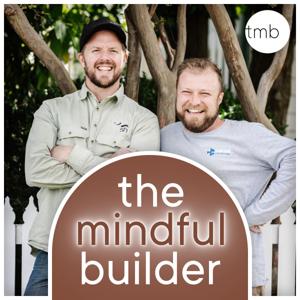


As builders in the Australian market, there's one recurring theme that keeps rearing its head in our conversations, and that's the tender process. It's akin to a race to the bottom, a mad dash where numbers are thrown around like confetti, and every party involved is crossing fingers, hoping all that time they invested in the tender results in actually getting the contract.
The reality can sometimes fall short, with tenders not proceeding through to a contract, clients just choosing the cheapest option and hours spent on a project that never comes to fruition.
For those new to the concept, the tender process traditionally involves getting multiple quotes for a project, often by an architect or a client. It's about cost comparisons and attempts to squeeze a project within a budget. We find ourselves questioning the validity of this approach, especially when the emphasis is typically on finding the lowest price rather than the best fit.
In this episode we take a look at how the tender process currently works, and why we recommend the negotiated tender process instead.
LINKS:
Thanks to Hip Vs Hype for having us
Connect with us on Instagram: @themindfulbuilderpod
Connect with Hamish:
Instagram: @sanctumhomes
Website: www.yoursanctum.com.au/
Connect with Matt:
Instagram: @carlandconstructions
Website: www.carlandconstructions.com/
Ever wondered what it’s like to be a woman in the building and construction industry? As more and more women enter the trades, it’s being proved that this isn’t just men’s work - in fact, women are bringing unique perspectives and strengths that are only improving the worksite.
This week’s episode is hosted by some incredible woman in building: Beth from Beth Builds, Molly (Matt’s first year apprentice) and Helena, now in her third year working for Hamish. We hear their journeys into the trade, their outlook on the industry and challenges in celebrating women in trade.
Meet the Hosts
It’s an interesting mix of backgrounds and experiences that contribute to this conversation. Beth, previously a mature age apprentice, now runs her own business, Beth Builds. Molly, after a brief foray into a university degree, discovered her passion for construction and is currently in her first year as an apprentice. Helena transitioned from a hospitality background to the construction scene, embracing the active and dynamic environment as a third-year apprentice. These women, with diverse paths leading to the same industry, are carving out spaces for themselves while smashing stereotypes.
We hear their interesting perspectives on and experiences in:
Women are undeniably making their mark in the trades, and by standing firm and excelling in their roles, they challenge and change the industry landscape—celebrated not as tokens, but as capable, competent colleagues.
LINKS:
Connect with us on Instagram: @themindfulbuilderpod
Connect with Hamish:
Instagram: @sanctumhomes
Website: www.yoursanctum.com.au/
Connect with Matt:
Instagram: @carlandconstructions
Website: www.carlandconstructions.com/
Ever wondered how the best leaders deliver feedback that empowers their teams rather than crushes them? We had a fantastic unscripted chat with our amazing friend and psychologist, Julie where we ventured into the territory of delivering constructive feedback in the workplace.
Julie guided us through understanding the nuances of communication, how important the words are that we use, exploring effective feedback methods, and managing our emotions under pressure—essential tools for any leader wanting to encourage a positive and productive work environment.
Understanding the Power of Words
Feedback is often tricky. Julie emphasised how our language can profoundly affect how our message is received. Instead of defaulting to statements like "You failed," Julie suggests using less loaded language such as "Let's explore what went wrong and how we can fix it." This approach not only diffuses tension but also helps the individual focus on solutions. It's about facilitating a conversation around "the mistake" instead of labelling someone with "failure."
Inviting Participation and Ownership
One standout piece of advice from Julie was the idea of inviting employees into the solution-making process. Rather than dictating tasks, frame feedback sessions as a team collaboration against a common problem. Ask questions like, "What do you think went wrong?" or "How could we improve this together?" This method fosters a culture of trust and shared responsibility.
Managing Emotional Responses
As leaders, it's easy to let stress and frustration take the steering wheel, especially when things go awry. Julie explained that while expressing disappointment is legitimate, there is a fine line between constructive criticism and dumping our stress onto others. She stressed the importance of self-regulation, echoing how our tone and approach can determine whether feedback leads to motivation or demotivation.
Concentration on Positives
Hamish mentioned an episode of The Imperfects where Billy Slater spoke about catching people doing the right thing. By acknowledging and celebrating positive actions, you build credibility and goodwill, making it easier to address areas of improvement when needed. This also sets a balance, ensuring team members know their strengths and contributions are recognised.
Creating a Positive Work Culture
Ultimately, our discussion with Julie highlighted a critical theme that Hamish brought to the table —seeing the person, not just the problem. By creating a space where feedback is synonymous with growth, respect, and understanding, you set the stage for a thriving work culture. We also touched on the importance of addressing external issues affecting work performance, advocating for open conversations grounded in empathy and support.
As always, chatting with Julie was a thought-provoking experience, and her insights were invaluable for us as leaders in the building industry striving to improve how we communicate with our teams. We left the conversation more equipped to handle the dynamic nature of leadership with a heart, and hope these tips inspire you to do the same at your workplace.
LINKS:
Connect with us on Instagram: @themindfulbuilderpod
Connect with Hamish:
Instagram: @sanctumhomes
Website: www.yoursanctum.com.au/
Connect with Matt:
Instagram: @carlandconstructions
Website: www.carlandconstructions.com/
We’re back with Part 2 of our conversation with Damien, a listener of ours we brought on to answer some of the questions he had around passive house building. There was so much to cover during our chat, we knew we had to break it up into two valuable episodes for you.
Last week, we got into the nitty gritty of the cost of passive house building vs traditional homes, the importance of working with the right design team, and gave our insights on insulation and membranes.
Today, we share our experiences on how to effectively manage and educate your trade team, emphasising the importance of working with professionals who are ready to embrace new challenges. From our personal experiences, we discuss how some trades actually find passive house construction simpler than traditional building methods.
We explore practical construction tips, including our colour-coding system for external penetrations and the crucial aspects of planning ahead for solar installations and service routes. The discussion covers our insights on choosing the right windows and the critical importance of proper insulation installation. We also share a valuable lesson learnt from our own experience with Stuart Dawson from Thermaluxe about getting insulation right the first time.
We wrap up with our detailed advice on managing cash flow for high-performance homes, including our strategy of breaking payments into 10-15 stages. While initial labour costs might be higher, especially for first-time passive house projects, the investment in quality and sustainability pays off in the long run. Our conversation reinforces that successful passive house construction isn't just about technical expertise – it's about fostering a culture of innovation and sustainable building practices.
LINKS:
Connect with us on Instagram: @themindfulbuilderpod
Connect with Hamish:
Instagram: @sanctumhomes
Website: www.yoursanctum.com.au/
Connect with Matt:
Instagram: @carlandconstructions
Website: www.carlandconstructions.com/
Passive houses - they’re both exciting and undeniably complex. Recently, we had the opportunity to bring Damien onto our podcast, a builder with three decades of experience who’s now facing the intricacies of passive house construction and wanting to learn more.
A new listener of the podcast, he had reached out to us with a couple of questions and we thought hey, why not bring him on to interview us? We know there are others out there who’d be looking for these same answers.
We had so much to say around this topic, we had to make this a two part series. So, let’s get stuck in to Part 1 of our chat with Damien on the key secrets to passive house building.
Damien presented us with his current project, a passive house design courtesy of a well-respected architect. He voiced his concerns and sought clarity on the key differences when quoting and building passive houses versus traditional homes. It's not just about building to higher standards; it encompasses a broader understanding of systems and costs.
We explore some of the nuances of passive house building such as:
1. The cost factor of passive houses vs standard homes
2. The importance of working with the right design team
3. Insulation techniques and airtightness
4. The role of membranes
5. Photographic documentation
This conversation is a good reminder that passive house construction requires a symbiotic relationship between builders, architects and engineers, and how cooperation and knowledge sharing is key to achieving sustainability goals.
These passive house secrets are not just about technical know-how but encapsulate a mindset of continual improvement and passion for building better homes.
LINKS:
Connect with us on Instagram: @themindfulbuilderpod
Connect with Hamish:
Instagram: @sanctumhomes
Website: www.yoursanctum.com.au/
Connect with Matt:
Instagram: @carlandconstructions
Website: www.carlandconstructions.com/
This week, we had a chat with two incredible builders, Jake and Brad, about building science, sustainable housing, and the challenges we all face in our field.
We start off by talking to Jake about his journey from an arts degree into a successful building career. He talked about how his education in art taught him to think outside the box, a skill invaluable in construction. He also shared a pivotal moment in 2013 when an architect asked him, "What's the goal of a building?"
That question reshaped his entire approach to construction. For Jake, offering clients control over their living environments emerged as a core objective. Like us, he didn’t just want to meet the bare standards, he wanted to surpass them. Whether it's reducing air leakage or managing water intrusion better, we want homes that are stronger, efficient, and, frankly, top-notch in every aspect.
We then touched on Passive House standards. While they are worthwhile, not every high-quality building has to be certified. The value lies more in understanding building science and applying it practically. It’s about making homes better, not just ticking boxes.
Our work isn't just following codes – it's about creating homes that make sense for each client. And sometimes, that’s just explaining why a particular feature matters, helping clients see the bigger picture.
One tip we can offer is to have clear communication with clients about the reasons behind building choices. Explaining the why to clients can help them see the value in sustainable practices, much like Jake does.
We also delved into the builder-architect relationship. With the right communication and trust, this partnership can produce beautiful, efficient buildings. While working with architects who aren’t receptive to builder input can be tricky, it's often worth it to push through and build a foundation of mutual-respect.
Jake has cultivated such relationships, particularly with his architect friend Steve. Their mutual respect allows for a progressive approach where each project is seen as an opportunity to improve and innovate.
Finally we touched on the limitations we face due to existing legislation and market pressures. Jake spoke about the barriers presented by production builders who push for lower costs rather than quality. It's a shared experience across borders, reminding us of the challenges and the role we play in advocating for better standards.
We hope you enjoy listening to our chat with Jake and Brad as much as we enjoyed having it. It was anjother reminder that industry change comes is a collaborative effort. By sharing knowledge and staying open to new ideas, we can all contribute to a brighter and more sustainable future for construction.
So make sure you keep the conversation going, and we’ll see you next time!
LINKS:
Connect with us on Instagram: @themindfulbuilderpod
Connect with Hamish:
Instagram: @sanctumhomes
Website: www.yoursanctum.com.au/
Connect with Matt:
Instagram: @carlandconstructions
Website: www.carlandconstructions.com/
Welcome back! This week we’re Joined by the incredible Talina Edward, an architect with a strong commitment to eco-friendly building solutions!
We started off by getting Talina to break down biophilic design, a term many may have heard but not fully understood. Talina explained that it’s all about our innate connection to nature. She explained how incorporating natural elements into our buildings goes beyond aesthetics. It reconnects us with nature and improves both mental and physical health. Talina emphasised that this approach is vital as we face the global environmental crisis. It’s an ancient wisdom that feels ever more crucial today.
There’s a misconception with Passive houses that they make people shut themselves off from the outside, but this couldn’t be less true. Talina shares her experience working on projects like the Huff and Puff house, blending biophilic design with sustainable planning. Her designs allow residents to enjoy the beauty of the outdoors while maintaining a high energy efficiency.
Another key part of our conversation was around improving the current housing system, especially for vulnerable populations. Talina is vocal about the need for healthier homes that are affordable and sustainable. She believes that if we integrate these standards from the start, it doesn't have to be more costly or complicated. This approach is not just beneficial but essential for the future.
The discussion takes a more personal turn as Talina opens up about her experiences with autism and ADHD. Diagnosed later in life, these conditions were initially perceived as challenges but have become integral to her identity and work. Her passion and attention to detail, Talina argues, are superpowers that have driven her success in architecture.
Talina's openness has not only helped her manage her workload more effectively but also inspired others in similar situations to explore their own diagnoses and strengths.
Talina is a passionate force for moving the building industry towards a better future and we hope this episode inspires you to reflect on how you can do the same!
Cheers,
- Matt and Hamish
LINKS:
Connect with us on Instagram: @themindfulbuilderpod
Connect with Hamish:
Instagram: @sanctumhomes
Website: www.yoursanctum.com.au/
Connect with Matt:
Instagram: @carlandconstructions
Website: www.carlandconstructions.com/
We recently sat down with our very first international guest Josh Atkins from New Zealand.
Of course one of the big things we wanted to know is how construction methods vary between New Zealand and Australia. We discuss the different challenges in climate, legislation and more, that builders face in each country.
Josh shared the infamous water damage issues they faced there, and how it forced them to adopt better building practices, including rethinking thermal envelopes and using advanced membranes.It's a chance for us in Australia to learn and anticipate potential challenges.
Josh highlighted some of the real challenges in our industry, like transitioning from traditional building approaches to ones rooted in building science and efficiency. We all agree that there's sadly a lot of negativity surrounding building, with concerns about costs and dodgy builders making headlines more than good news stories.
There’s also the ongoing battle in construction management—trying to run a smooth business while juggling the ups and downs. Last year was tough for many, with jobs dropping off due to economic conditions and the challenge of staying on top of costs and retaining clients interested in sustainable projects.
We've realised that to survive and thrive in this space, it’s crucial to consistently promote what we do—building high-performance homes. As builders, it's not just about building better but also convincing clients of the value these buildings offer.
Creating a brand that's associated with quality and sustainability is key. It helps clients understand what you're about even before they meet you. This way, when they come to you, they're already on board with the idea of building better.
Finally we touched on the delicate topic of relationships between architects and builders. Often, builders understand practical implementation better, which can lead to tension but things are getting better. More architects are becoming aware of design performance issues, and the insights that builders can offer them.
Our chat with Josh was a good reminder that sustainable building is not just a trend but a necessity.
By sharing knowledge, we're all working towards the same goal - creating homes that last and contribute positively to the environment.
LINKS:
Connect with us on Instagram: @themindfulbuilderpod
Connect with Hamish:
Instagram: @sanctumhomes
Website: www.yoursanctum.com.au/
Connect with Matt:
Instagram: @carlandconstructions
Website: www.carlandconstructions.com/
Prefabrication can get a bad wrap in the sustainable building world but when used in the right way, it can be a powerful tool for building sustainable and affordable homes. We recently sat down with prefabrication pioneers Chris Gilbert and Kaia McCarty Smith to discuss how it can support a better building future.
Chris is the co-founder of Candour, a prefabrication company that aims to address the challenges faced by builders and architects. Unlike typical prefab companies, Candour doesn't focus on volumetric prefabs but rather on a panelised fabrication with a significant emphasis on software development. This means they aren’t just building physical structures; they're also building digital solutions that help bridge the gap between architects and fabricators.
Their unique software ties seamlessly into common architectural tools like Archicad, providing real-time pricing and fabrication limits. This ensures architects design structures within practical and budget-friendly bounds, ultimately reducing costs and improving efficiencies from the start.
On the other hand, Kaia shared his experience using prefabs as a builder and the force behind Wilderness Building Co. He explained that prefabrication offers a streamlined, efficient, and precise way to construct, with benefits in controlling quality and reducing on-site errors. These advantages are crucial, especially when considering issues like labour costs and the need for quicker building timelines.
As builders, we've always been aware of the resistance to change in our industry. Australians, by nature, are wary of deviating from traditional building norms. But is it time to embrace prefabrication fully? Chris believes that while prefab isn’t the silver bullet, it’s certainly part of the solution.
Matt also brought up the rising costs of labour, and the difficulties that causes in the Australian market. Automating processes, as prefabrication allows, might be a great solution. However, it’s also about ensuring buildings remain affordable and comfortable for everyone, which continues to be a complex balancing act.
So, whether you’re an architect, builder, or part of the wider construction community, it’s time to consider prefabrication. It might not be the complete answer, but it could be a big step towards a sustainable future for construction.
LINKS:
Connect with Chris Gilbert: www.candour.cc
Connect with Kaia McCarty Smith: www.wildernessbuilding.com
Connect with us on Instagram: @themindfulbuilderpod
Connect with Hamish:
Instagram: @sanctumhomes
Website: www.yoursanctum.com.au/
Connect with Matt:
Instagram: @carlandconstructions
Website: www.carlandconstructions.com/
That’s the world architect Jeremy McLeod is fighting for, and he joins us today to share the how and the why behind this dream.
Jeremy is the co founder of both Breathe Architecture and Nightingale Housing, where he works to bring sustainability, community, and innovation to the forefront of the building industry.
A big focus in our conversation was the Nightingale Model. Jeremy explained that Nightingale isn’t just a building; it's a housing model. At its core, it follows a triple-bottom-line approach, encompassing sustainability, community, and financial feasibility. This involves:
- Achieving sustainability through all-electric, 100% renewable energy usage.
- Fostering community by sharing resources like laundries and rooftop spaces.
- Ensuring financial sustainability by structuring projects around impact investments and selling units without profit margins.
Jeremy stated that by removing the profit motive and focusing on community needs and sustainability, Nightingale creates affordable, quality housing. This is evidenced by their growing waiting lists, demonstrating a strong demand for such innovative models.
We also discussed the critical role developers play in expanding sustainable housing. Jeremy believes that developers can and should evolve by adopting sustainable practices proven by models like Nightingale. He acknowledged that while profit is not the primary focus for Nightingale, larger developers can still profit through improved environmental standards.
Despite the obstacles, Jeremy remains optimistic about change. One of the main takeaways here is that transparency and certainty in planning are vital. Cities can learn from international examples where clear height and density regulations provide more predictable outcomes for developers and communities, which leads to better practices and more innovation!
Jeremy is doing some incredible work, and we hope our conversation with him will encourage more people to go out and fight for a better future in building!
LINKS:
Connect with us on Instagram: @themindfulbuilderpod
Connect with Hamish:
Instagram: @sanctumhomes
Website: www.yoursanctum.com.au/
Connect with Matt:
Instagram: @carlandconstructions
Website: www.carlandconstructions.com/
From the publisher's feed
22 Listeners

48 Listeners

73 Listeners

386 Listeners

343 Listeners

4 Listeners
2 Listeners
0 Listeners

4 Listeners

23 Listeners

27 Listeners
0 Listeners
0 Listeners

0 Listeners
9 Listeners